
Navigating the vibrant, sprawling metropolis of New York City is an experience unlike any other. From the iconic skyline punctuated by landmarks like the Empire State Building and Central Park, to the diverse culinary scenes and world-class attractions, New York offers an endless array of experiences for every traveler. For many, the most efficient and quintessential way to immerse themselves in the city’s rhythm is by utilizing its extensive subway system. However, a question often arises for those planning a trip, or even for residents: “Is the New York Subway safe?”
This question is complex and multifaceted, touching upon personal perceptions, statistical realities, and the ever-evolving urban landscape. New York City is a city of millions, a melting pot of cultures and lifestyles, and its public transportation system reflects this dynamic environment. While news headlines can sometimes amplify concerns, a balanced understanding requires looking beyond sensationalism and considering practical advice. This article aims to provide a comprehensive overview, blending personal experiences, expert opinions, and actionable tips to help you navigate the New York Subway with confidence.

Understanding Subway Safety: Statistics vs. Perception
The perception of safety on public transportation is often influenced by a variety of factors, including media coverage, personal anecdotes, and the overall atmosphere of a city. When considering the New York Subway, it’s crucial to distinguish between statistical data and individual feelings.
The Numbers Game: Crime Rates and Trends
Statistically, the New York City Transit System, which includes the subway, is a remarkably safe mode of transport, especially when compared to other forms of urban travel or even walking alone at night in certain areas. The Metropolitan Transportation Authority (MTA) regularly releases crime statistics, and while any crime is concerning, the overall numbers often paint a picture of a system that, for the vast majority of its millions of daily riders, is safe.
It’s important to look at crime rates per rider. When you consider the sheer volume of people who use the subway daily – hundreds of thousands, if not millions – the instances of serious crime are statistically low. The MTA has invested heavily in increased police presence and surveillance technology, which has contributed to a decrease in certain types of incidents. However, like any major urban transit system globally, the New York Subway is not immune to crime. Petty theft, such as pickpocketing, can occur, especially in crowded stations and on busy trains. Occasionally, more serious incidents can make headlines, leading to a heightened sense of anxiety for some.
Perceptions and Media Influence
The media’s role in shaping public perception cannot be understated. A single, highly publicized incident can disproportionately influence how people view the safety of an entire system. It’s natural for humans to be more attuned to negative news, and this can create a distorted sense of risk. When exploring New York attractions like Times Square or visiting world-renowned museums such as the Metropolitan Museum of Art, the subway is often the most practical way to get around. Understanding that crime statistics are generally low and that the majority of riders experience uneventful and safe journeys is a key part of forming a balanced perspective.
Furthermore, safety is subjective and can vary depending on the time of day, the specific station, and even the car of the train. While overall statistics are reassuring, individual experiences can differ. Recognizing this nuance is essential for building confidence in using the New York Subway for your travel plans.
Practical Safety Tips for New York Subway Riders
While the New York Subway is statistically safe, adopting a mindful approach and implementing practical safety tips can enhance your sense of security and ensure a smoother journey. These tips are not specific to New York but are good practices for navigating any urban public transport system.
Awareness and Preparedness
The most effective tool for personal safety is awareness. This means being present and observant of your surroundings.
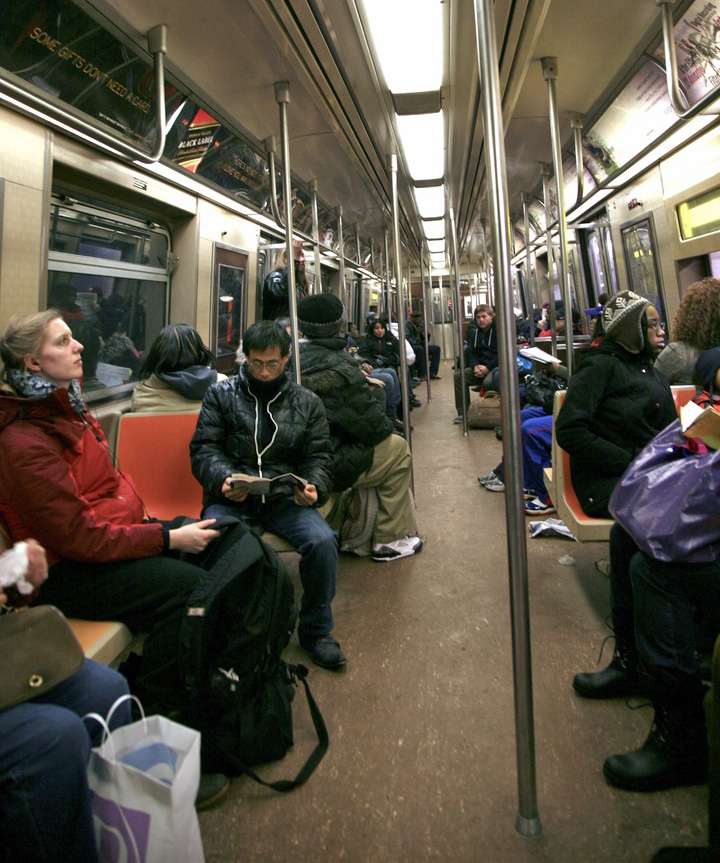
- Stay Alert: Avoid being completely engrossed in your phone, especially when entering or exiting stations, or when waiting on platforms. Keep your headphones at a low volume so you can hear announcements and surrounding sounds.
- Secure Valuables: Keep your belongings, especially your wallet and phone, in secure, zipped pockets or bags. Consider using a cross-body bag or a money belt for added security. Be mindful of your surroundings when taking out your phone or wallet.
- Choose Wisely: When waiting on the platform, stand in well-lit areas and closer to where the train doors will open. If a particular train car feels uncomfortable or unsafe, wait for the next one.
Navigating Stations and Platforms
Stations and platforms are often the most vulnerable points for potential incidents. Taking precautions here can make a significant difference.
- Trust Your Instincts: If a situation or an individual makes you feel uneasy, move to a more populated area or a different part of the platform. Don’t hesitate to alert a transit employee or police officer if you witness something concerning.
- Avoid Empty Cars: During off-peak hours or late at night, it’s generally advisable to sit in cars that have other passengers. This doesn’t mean you have to be in a crowded car, but avoiding completely empty ones can offer a sense of security.
- Know Your Route: Familiarize yourself with the stations on your route, especially if you’re a tourist exploring New York. Knowing where to exit and the general layout can reduce disorientation. Consider using navigation apps like Google Maps or Citymapper, which provide real-time transit information and station layouts.
Dealing with Incidents
While rare, it’s good to know how to react if something does happen.
- Report Suspicious Activity: If you see something, say something. Transit employees and police officers are there to help. You can report issues via the MTA website or by speaking directly to an officer.
- If You’re a Victim: If you are the victim of a crime, your immediate safety is paramount. Try to get to a safe place, alert train operators or transit personnel, and call the police.
Safety in Context: The New York Subway and the Broader New York Experience
When assessing the safety of the New York Subway, it’s essential to place it within the broader context of the New York experience. The subway is not an isolated entity; it’s an integral part of the city’s lifeblood, connecting diverse neighborhoods and facilitating the flow of millions of people daily.
A Reflection of the City
The New York Subway is a microcosm of New York City itself – diverse, bustling, and constantly in motion. It transports tourists eager to see landmarks like the Statue of Liberty and the Brooklyn Bridge, business travelers heading to meetings in Midtown, and residents commuting to work, hotels, or leisure activities. This diversity means you’ll encounter people from all walks of life, which is part of the vibrant tapestry of the city.
The challenges faced by the subway system – such as aging infrastructure and occasional increases in crime – are often mirrored by broader urban issues. However, the MTA and the New York City Police Department (NYPD) are continuously working to improve safety and security. Increased police presence, fare evasion enforcement, and partnerships with community organizations are ongoing efforts to enhance the rider experience.
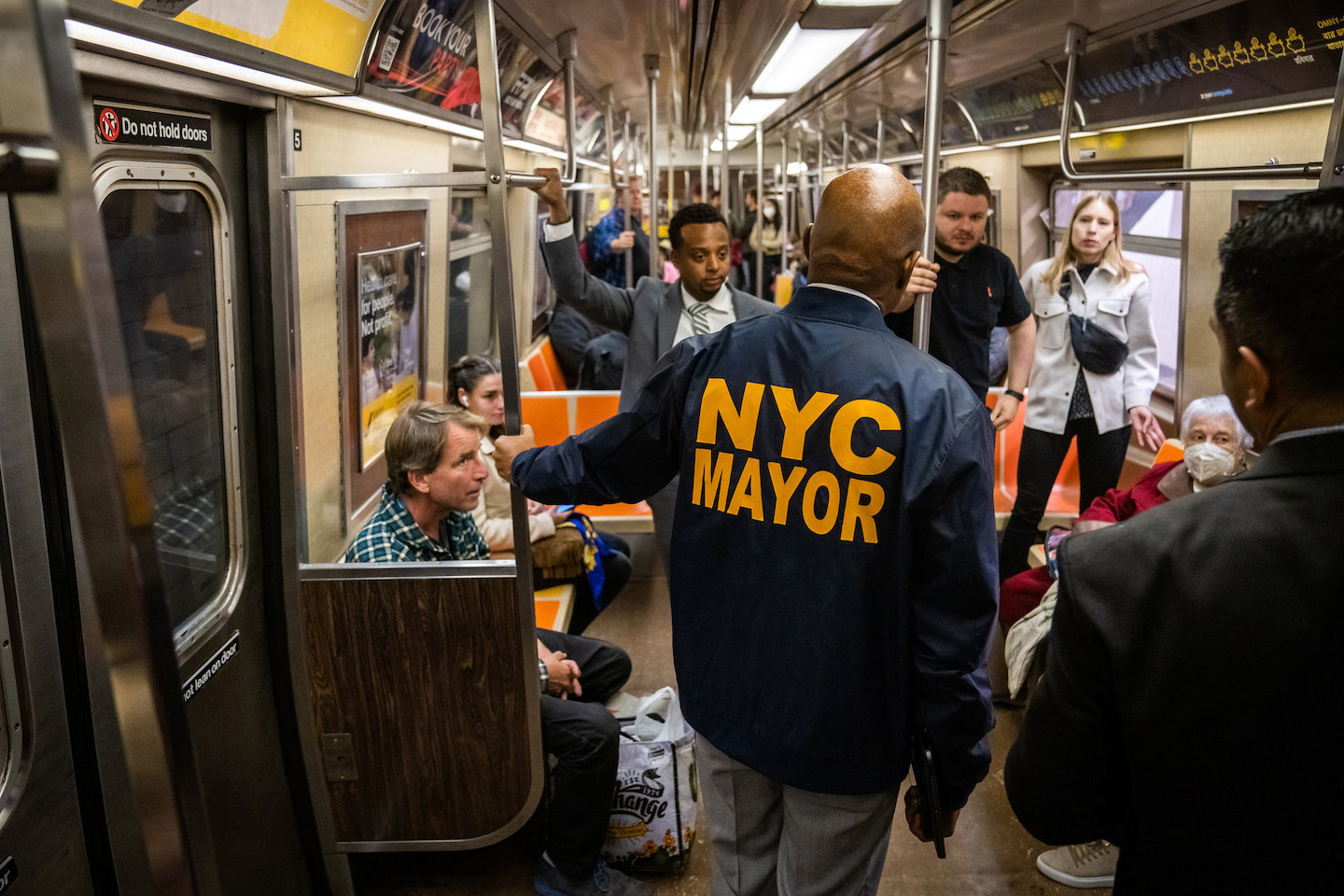
Balancing Safety Concerns with Travel Opportunities
For many visitors, the primary concern is whether the subway will hinder their ability to explore New York safely and efficiently. The reality is that for the vast majority of visitors, the New York Subway is a safe and indispensable tool for travel. It offers unparalleled access to every corner of the city, from the art galleries of Chelsea to the historic streets of Greenwich Village.
When planning your accommodation, consider its proximity to subway stations, as this will greatly influence your mobility. Many visitors choose hotels in areas like Times Square or the Upper West Side specifically for their excellent subway access.
In conclusion, the question of “Is New York Subway Safe?” doesn’t have a simple yes or no answer. The system is statistically safe, especially considering its immense scale and usage. However, like any large urban transit network, it presents some risks that can be mitigated with awareness and common sense. By staying informed, being vigilant, and employing practical safety measures, you can confidently use the New York Subway to unlock the incredible experiences that New York City has to offer, from its world-famous landmarks to its hidden culinary gems and vibrant lifestyle. Embrace the adventure, stay safe, and enjoy the ride!
LifeOutOfTheBox is a participant in the Amazon Services LLC Associates Program, an affiliate advertising program designed to provide a means for sites to earn advertising fees by advertising and linking to Amazon.com. Amazon, the Amazon logo, AmazonSupply, and the AmazonSupply logo are trademarks of Amazon.com, Inc. or its affiliates. As an Amazon Associate we earn affiliate commissions from qualifying purchases.