
For any traveler embarking on an adventure to the bustling metropolis of New York City, or even for residents navigating daily life, a fundamental question often arises amidst the myriad of decisions: “Is New York tap water safe to drink?” In a city renowned for its iconic landmarks, world-class dining, and vibrant cultural tapestry, understanding the quality of its most basic utility is crucial for both health and a seamless travel experience. The answer, resoundingly, is yes – and often, it’s considered among the best in the United States. This comprehensive guide delves into the remarkable journey of New York’s water, from its pristine origins to the rigorous testing that ensures its safety, offering insights that will empower you to hydrate confidently as you explore the Big Apple.
The quality of drinking water can significantly impact a traveler’s comfort and health, making it a key consideration for anyone planning a trip. For those staying in New York’s diverse range of accommodations, from luxury hotels in Manhattan to charming apartments in Brooklyn, knowing they can safely drink from the tap can be a major convenience. It saves money on bottled water, reduces plastic waste, and allows for a more authentic, integrated experience of local life. Beyond the practicalities, understanding the sophisticated system behind New York’s water supply also offers a fascinating glimpse into the city’s commitment to public health and environmental stewardship.
The Pristine Origins: Understanding New York City’s Water Supply
The secret to New York City’s exceptional tap water lies not beneath the city streets, but far Upstate New York, in vast, protected natural environments. Unlike many major urban centers that rely on heavily treated river water or groundwater, New York benefits from one of the largest unfiltered water supplies in the world. This unique characteristic is a testament to foresight and extensive environmental protection efforts spanning over a century.
A Legacy of Conservation: The Catskill and Delaware Watersheds
The vast majority of New York City’s drinking water originates from a sprawling network of reservoirs and controlled lands in the Catskill Mountains and the Delaware River basin. Specifically, the Catskill and Delaware Watersheds are critical components of this intricate system, responsible for supplying approximately 90% of the city’s daily water needs. The remaining 10% comes from the Croton Watershed, located closer to the city in the Hudson Valley.
These watersheds are not just simple collection points; they are meticulously managed ecosystems covering thousands of square miles. The New York City Department of Environmental Protection (NYC DEP) implements stringent regulations and land management practices to preserve the purity of these source waters. This includes programs for forest management, agricultural best practices, wastewater treatment upgrades in watershed communities, and land acquisition to prevent development that could compromise water quality. The natural filtration provided by these pristine lands, rich with forests and wetlands, acts as the first and most crucial line of defense, minimizing the need for extensive chemical treatment later on. This proactive approach to water quality protection at the source is what allows New York City to largely avoid the costly and energy-intensive filtration processes common in other large cities, leading to water that is not only safe but also remarkably fresh-tasting.
The Journey to Your Tap: A Gravity-Fed Marvel
Once collected in the upstate reservoirs, the water embarks on an impressive journey to New York City through a network of aqueducts and tunnels, some of which are among the longest in the world. What makes this system particularly remarkable is that it is primarily gravity-fed. The elevated positions of the upstate reservoirs mean that the water flows downhill, without the need for extensive pumping, all the way to reservoirs and distribution points within the five boroughs of Manhattan, Brooklyn, Queens, The Bronx, and Staten Island.
This gravity-fed system is a marvel of engineering, built over a century ago. It significantly reduces the energy footprint of water delivery and helps maintain the water’s natural quality by minimizing contact with machinery and potential contaminants. Before reaching your faucet, the water undergoes a disinfection process, typically involving chlorine and ultraviolet (UV) light, to kill any remaining bacteria or viruses. Fluoride is also added to promote dental health, a public health initiative that has been in place for decades. These treatments are minimal compared to what other cities require, precisely because the source water is so clean. The result is consistently high-quality water delivered directly to millions of homes, businesses, and public spaces, ready for consumption.
Unwavering Standards: How NYC Water Stays Safe
The journey of New York City’s water doesn’t end with its gravity-fed delivery; it’s continuously monitored and rigorously tested to ensure it meets and often surpasses the highest safety standards. This commitment to public health is a cornerstone of the city’s infrastructure, providing peace of mind to both its permanent residents and the millions of tourists who flock to its attractions annually.
Rigorous Testing and Quality Assurance
The NYC DEP operates one of the most comprehensive water quality testing programs in the United States. Every day, scientists and technicians collect hundreds of samples from the upstate reservoirs, along the aqueducts, and at numerous points throughout the city’s vast distribution network. These samples are then analyzed for a multitude of parameters, including bacteria, viruses, chemical contaminants, turbidity, pH levels, and disinfectant residuals.
In fact, over 600,000 analyses are performed annually on approximately 33,000 samples collected from over 1,200 sampling locations. This extensive testing regimen far exceeds regulatory requirements and provides an incredibly detailed picture of the water’s quality at every stage. The results are publicly available in the annual Water Quality Report, allowing for full transparency and accountability. For travelers concerned about the safety of local food and drink, knowing this level of scientific oversight is in place for tap water offers considerable reassurance. It means that whether you’re refilling your water bottle before visiting the Empire State Building or enjoying a glass with dinner in a Greenwich Village bistro, you’re consuming a product that has been thoroughly vetted.
Meeting and Exceeding EPA Regulations
The quality of drinking water in the United States is regulated by the Environmental Protection Agency (EPA) under the Safe Drinking Water Act. This act sets national standards for drinking water quality to protect public health. New York City’s water consistently meets, and in many cases, far exceeds these stringent EPA standards.
The fact that New York City has been granted a “filtration avoidance determination” by the EPA is a testament to the exceptional quality of its source water and the effectiveness of its watershed protection programs. This means that the city is not required to filter its Catskill and Delaware water supplies, saving billions of dollars in infrastructure costs and significant energy consumption. While the water is disinfected, this exemption from full filtration is a rare and prestigious status, highlighting the natural purity of the supply. This compliance and often superior performance relative to national benchmarks should instill high confidence in anyone wondering about the safety of New York’s tap water.

Addressing Common Concerns: Lead, PFAS, and Microplastics
Despite the overall excellent quality, it’s natural for people to have concerns about specific contaminants, particularly those that have garnered media attention.
-
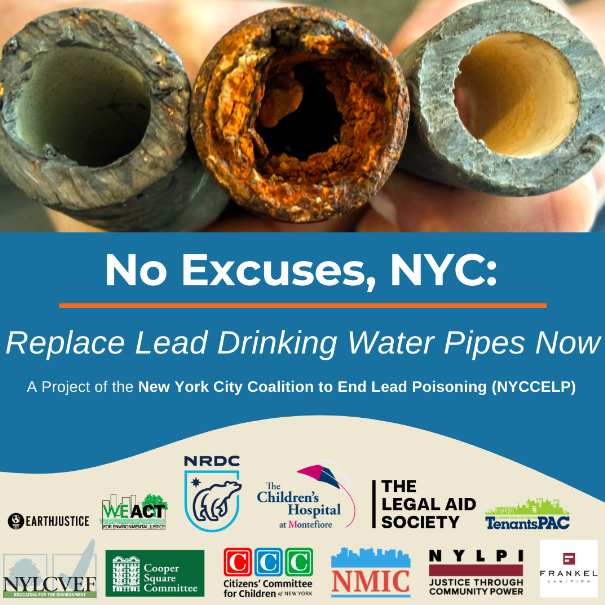
Lead: The most significant concern regarding tap water safety in any older city, including New York, is lead. While the city’s water system itself is lead-free, lead can leach into drinking water from old service lines, household plumbing, or fixtures in older buildings. The NYC DEP has proactively worked to address this through various programs, including encouraging property owners to replace lead service lines and offering free lead testing kits to residents. For travelers staying in modern hotels or recently renovated accommodations, the risk is minimal. In older buildings, running the tap for a minute or two, especially first thing in the morning, can flush out any standing water that might have absorbed lead.
-
PFAS (Per- and Polyfluoroalkyl Substances): These “forever chemicals” have become a growing concern nationwide. While some PFAS compounds have been detected in various water systems across the United States, New York City’s pristine upstate watersheds are generally less susceptible to these industrial contaminants than groundwater sources or heavily industrialized river systems. The NYC DEP is actively monitoring for PFAS and is committed to meeting evolving regulatory standards as research progresses.
-
Microplastics: Microplastics are another emerging concern, found almost universally in bottled water and to a lesser extent in tap water globally. While research on the health impacts of microplastics is ongoing, New York City’s water, due to its minimally processed nature and protected sources, generally has lower levels compared to many other sources. As with other contaminants, the NYC DEP continuously evaluates new research and detection methods to ensure public health is protected.
Overall, while these concerns are valid and continuously monitored, the robust source protection and testing protocols in New York City mean that the tap water remains a very safe and healthy choice compared to most alternatives.
The Taste Test: What to Expect from NYC Tap Water
Beyond safety, the taste of tap water is often a significant factor in whether people choose to drink it. New York City’s tap water is frequently lauded for its crisp, clean taste, often preferred over many bottled brands. This superior taste is directly linked to its natural origins and minimal processing.
A Matter of Palate: Why Taste Varies
The generally fresh and clean taste of New York City tap water is attributed to its soft water profile, low mineral content, and the minimal use of treatment chemicals. The primary disinfectant used, chlorine, can sometimes impart a slight taste or odor, particularly if the water has been sitting in pipes. However, this is typically negligible and poses no health risk. Many residents and visitors find the taste refreshing, especially when compared to the harder, more chemically treated water found in other regions.
The taste might vary slightly from borough to borough, or even building to building, depending on the age and condition of local pipes, but the underlying quality from the source remains consistent. For example, some might notice a subtle difference between the water in a Manhattan high-rise versus a brownstone in Brooklyn, but these variations are usually minor and do not affect safety. For those sensitive to the taste of chlorine, simply filling a pitcher and letting it sit in the refrigerator for a few hours can allow the chlorine to dissipate, resulting in an even purer flavor.
The Environmental and Economic Benefits of Choosing Tap
Opting for New York City tap water offers substantial environmental and economic advantages, aligning perfectly with sustainable travel and lifestyle choices. Economically, choosing tap water over bottled water during your stay can lead to significant savings. A single bottle of water can cost several dollars, and these costs add up quickly over a trip, especially for families or longer stays. By contrast, tap water is essentially free, allowing travelers to allocate their budget towards other enriching experiences, like visiting the Statue of Liberty, exploring Central Park, or enjoying local cuisine.
Environmentally, the impact is even more profound. The production, transportation, and disposal of plastic water bottles contribute heavily to carbon emissions and plastic pollution. Each year, billions of plastic bottles end up in landfills or polluting oceans. By bringing a reusable water bottle and refilling it with NYC tap water, you actively participate in reducing plastic waste, lessening your carbon footprint, and supporting a more sustainable approach to tourism. This aligns with a growing global movement towards responsible travel and conscious consumerism. Embracing tap water is not just about personal health and savings; it’s a statement about valuing the planet and supporting the city’s commitment to environmental excellence.
Practical Advice for Residents and Visitors
Given the exceptional quality of New York City’s tap water, embracing it during your visit or daily life is a smart and sustainable choice. However, a few practical tips can enhance your experience and address any lingering concerns.
When to Consider a Filter
For the vast majority of residents and visitors, New York City tap water is perfectly safe and delicious without any additional filtration. However, there are specific situations where a filter might be considered:
- Taste Preference: If you are particularly sensitive to the faint taste of chlorine, a simple carbon filter (like those found in pitcher filters or faucet attachments) can significantly improve the taste by removing chlorine and some organic compounds.
- Older Plumbing Concerns: While the city’s main water lines are well-maintained, older buildings might have internal plumbing that could affect water quality, particularly regarding lead. If you live in or are staying in a very old building and are concerned, a filter certified to remove lead could offer extra peace of mind. Running the tap for a short period before use is also a good initial step.
- Specific Health Sensitivities: Individuals with compromised immune systems or particular health conditions might choose to use a certified water filter for an added layer of protection, though this is generally not deemed necessary for the overall public with NYC water.
Always ensure any filter you choose is certified by a reputable organization (like NSF International) for the specific contaminants you wish to address.
Staying Hydrated While Exploring New York
Hydration is key to enjoying your time in New York City, especially when navigating its endless attractions. From the bustling streets of Times Square to the sprawling greens of Central Park, you’ll be doing a lot of walking and exploring.
- Carry a Reusable Water Bottle: This is the easiest and most sustainable way to stay hydrated. Refill stations are becoming more common in parks, museums, and attractions. Many coffee shops and restaurants are also happy to refill water bottles upon request.
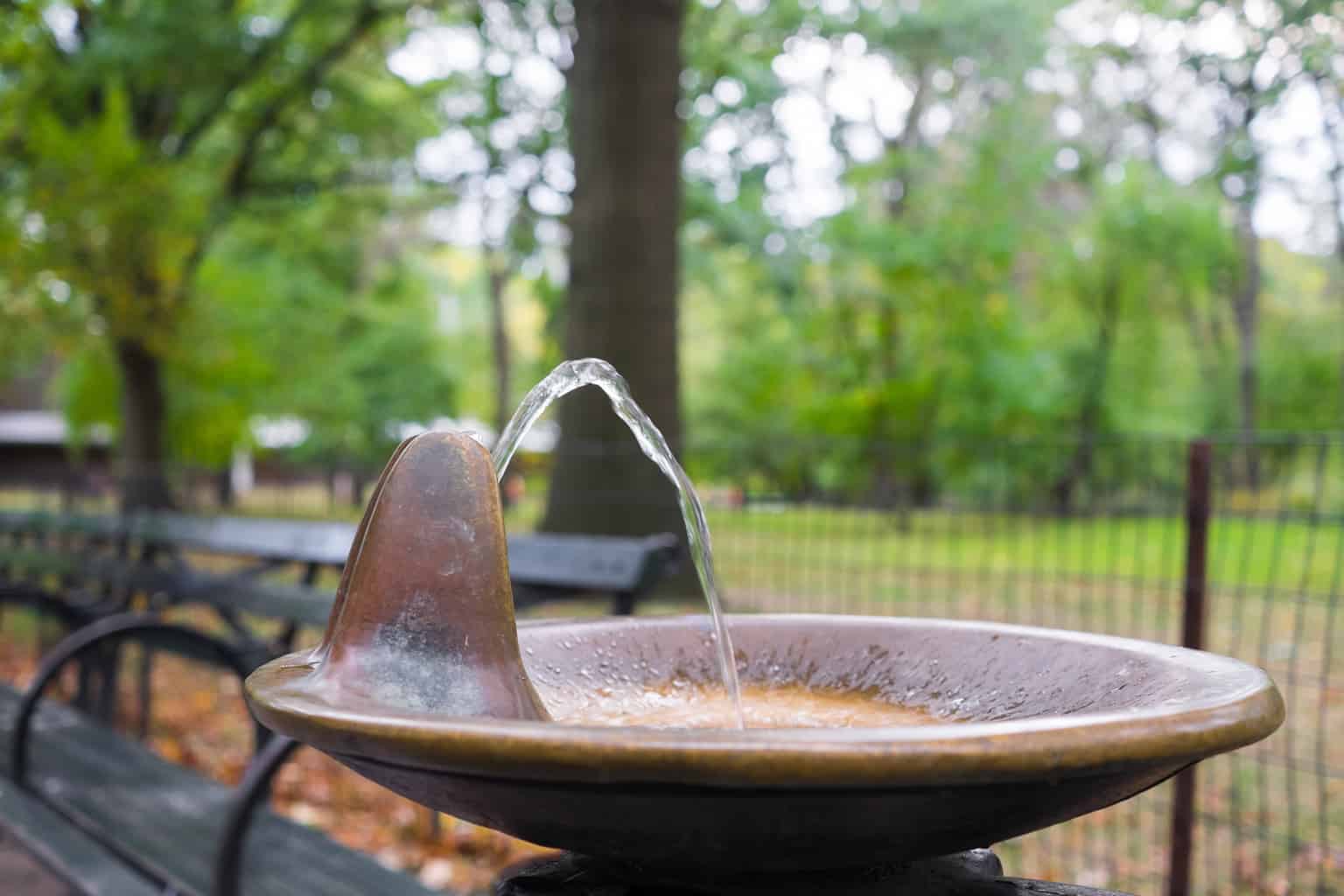
- Utilize Public Water Fountains: While less ubiquitous than in some European cities, public water fountains can be found in parks and near certain landmarks. These are safe to use.
- Ask for Tap Water at Restaurants: In New York City, it’s standard practice for restaurants to offer complimentary tap water. Don’t hesitate to ask for it, both for hydration and to reduce costs.
- Hydrate at Your Accommodation: Whether you’re in a hotel, resort, or apartment rental, make it a habit to fill up your bottle before heading out for the day.
Embrace the Local Lifestyle
Drinking tap water is deeply ingrained in the local lifestyle of New York City residents. It’s a simple, everyday choice that reflects trust in the city’s infrastructure and a commitment to sustainable living. By embracing NYC tap water, you’re not just making a healthy and economical decision; you’re also experiencing a small, yet significant, aspect of what it means to live like a New Yorker. It allows you to participate in the local culture, conserve resources, and contribute positively to the city’s environmental efforts.
In conclusion, the question of whether New York tap water is safe to drink can be answered with a resounding yes. Its exceptional quality, stemming from protected upstate watersheds and maintained by rigorous testing, makes it one of the finest municipal water supplies globally. So, next time you’re in New York, confidently fill your glass, enjoy the refreshing taste, and join millions in appreciating this truly remarkable urban amenity.
LifeOutOfTheBox is a participant in the Amazon Services LLC Associates Program, an affiliate advertising program designed to provide a means for sites to earn advertising fees by advertising and linking to Amazon.com. Amazon, the Amazon logo, AmazonSupply, and the AmazonSupply logo are trademarks of Amazon.com, Inc. or its affiliates. As an Amazon Associate we earn affiliate commissions from qualifying purchases.