
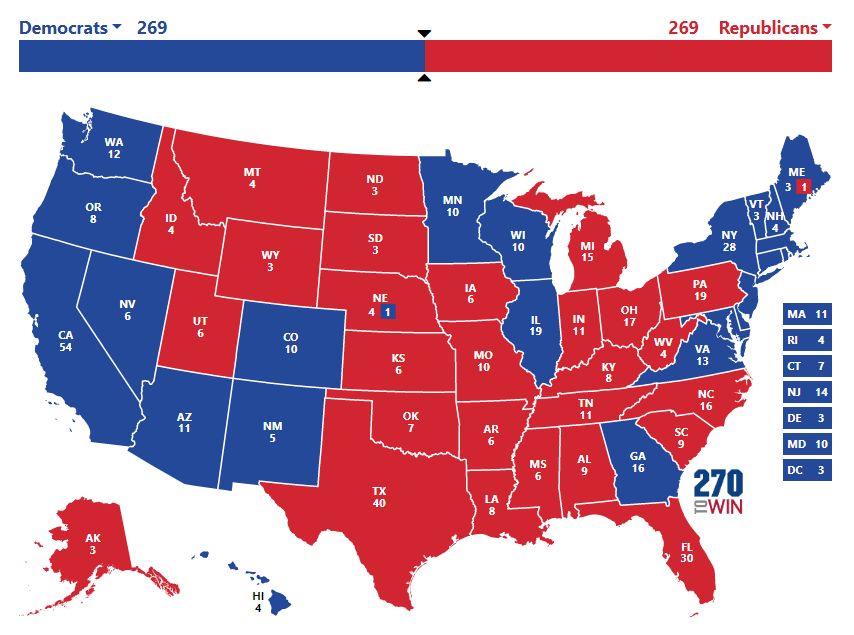
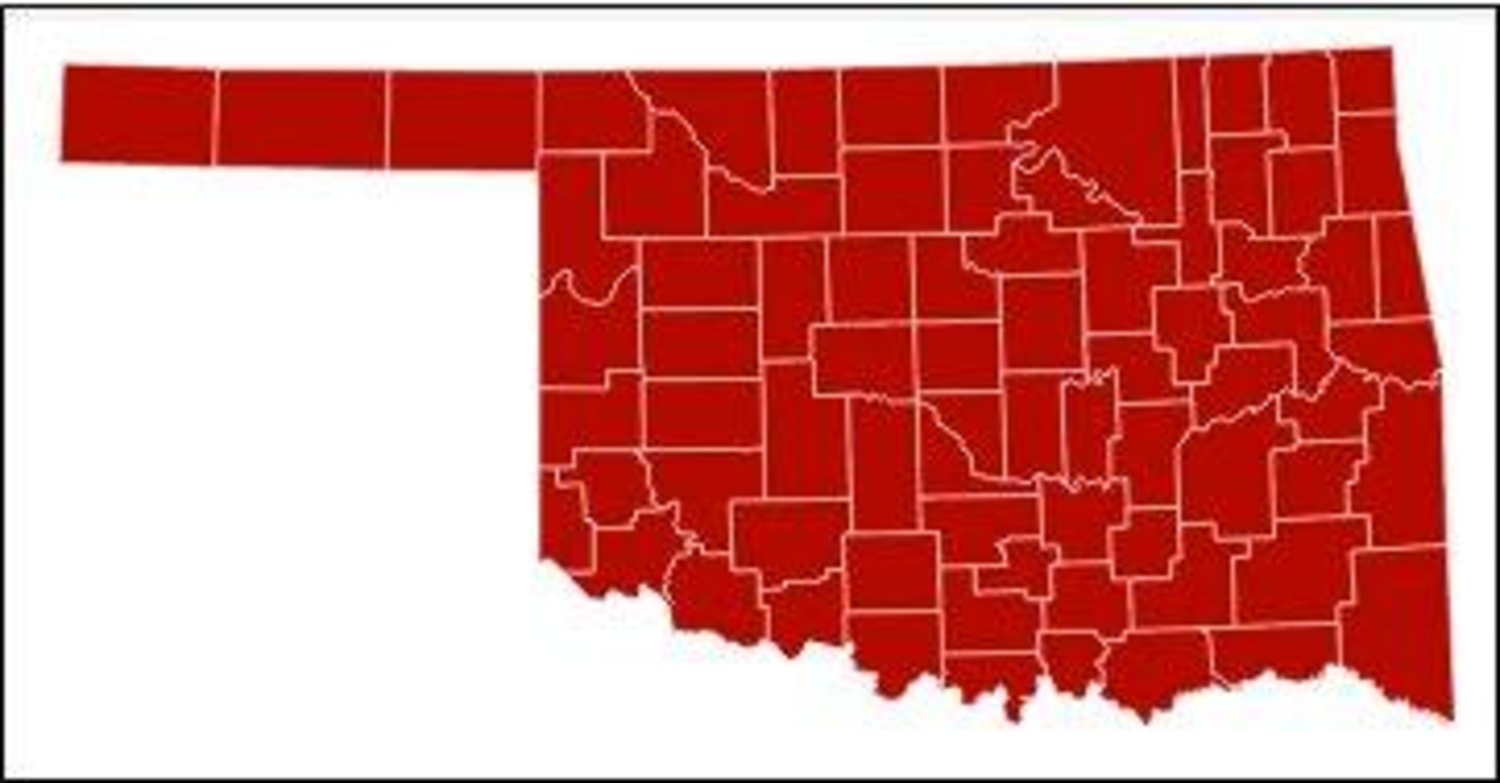
The question “Is Oklahoma a Red State?” immediately evokes political discussions, referring to the state’s consistent voting patterns and strong support for the Republican Party in national and local elections. Indeed, by virtually any measure of political affiliation, Oklahoma firmly stands as one of the reddest states in the United States. From its congressional delegation to its state legislature and gubernatorial office, Republican dominance is undeniable. However, for those interested in travel, tourism, and lifestyle, the political label of “red state” offers more than just electoral statistics; it often hints at the cultural fabric, values, and types of experiences a region offers. This article delves beyond the political surface to explore how Oklahoma’s identity, shaped by its history, demographics, and even its “red state” leanings, translates into unique and appealing opportunities for travelers seeking destinations, attractions, distinct accommodations, and memorable lifestyle experiences.
The Cultural Landscape of a “Red State”: Values and Identity
To truly understand what it means for Oklahoma to be a “red state” from a visitor’s perspective, one must look at the underlying cultural values that often align with such political leanings. Oklahoma embodies a blend of Midwest resilience, Southern hospitality, and the rugged individualism of the American West. These elements contribute to a distinct cultural identity that emphasizes community, tradition, patriotism, faith, and a strong connection to the land.
A Tapestry of American Values
The cultural identity of Oklahoma is deeply rooted in its history as part of the American frontier, a land settled by pioneers and home to numerous Native American tribes forced to relocate to what was once Indian Territory. This dual heritage fosters a unique blend of traditions. The emphasis on community and family values, often associated with the Bible Belt region where Oklahoma is situated, influences everything from local festivals to the general demeanor of its residents. Visitors often find a warm, welcoming atmosphere, characterized by genuine friendliness and a slower, more deliberate pace of life compared to bustling coastal metropolises.
This cultural ethos translates into specific types of tourism. There’s a strong appreciation for historical sites, outdoor recreation, and family-friendly activities. The state’s “red” identity often means a conservative approach to many social issues, which can be reflected in local customs and public discourse, yet hospitality towards visitors remains a hallmark. Whether it’s the quiet reverence at a historical landmark or the boisterous camaraderie at a local rodeo, the underlying values of respect and community are palpable. This cultural authenticity is a draw for many travelers seeking an experience that feels genuinely American, away from more cosmopolitan hubs.
Exploring Oklahoma: Destinations, Attractions, and Unique Experiences
Beyond the political moniker, Oklahoma is a state rich in diverse destinations and attractions. Its vast plains give way to rolling hills, lakes, and even mountainous regions, offering a surprising variety of landscapes. The “red state” identity here often manifests as a deep appreciation for the state’s natural beauty, its significant historical contributions, and its unique blend of cultures.
From Historic Trails to Modern Urban Marvels
Oklahoma boasts a compelling mix of historical sites and contemporary urban developments. In Oklahoma City, the capital, visitors can immerse themselves in the poignant history of the Oklahoma City National Memorial & Museum, a powerful tribute to the victims of the 1995 bombing. For a dose of Western heritage, the National Cowboy & Western Heritage Museum offers expansive exhibits on cowboy life, rodeo, and Native American art. The city’s revitalized Bricktown district, with its canal, vibrant nightlife, and dining options, provides a modern counterpoint. Travelers interested in natural beauty within the city will appreciate the Myriad Botanical Gardens, an urban oasis.
Meanwhile, Tulsa, Oklahoma’s second-largest city, offers a different flavor. Known for its Art Deco architecture, particularly in the downtown Blue Dome and Brady Arts districts, Tulsa is home to the world-class Philbrook Museum of Art and the Gilcrease Museum, which houses an impressive collection of American Western art. The Gathering Place, an award-winning public park, provides an expansive, family-friendly environment with playgrounds, gardens, and performance venues. Both Oklahoma City and Tulsa stand as testaments to the state’s evolution, embracing progress while honoring heritage.
Beyond the major cities, Route 66 winds through Oklahoma, offering nostalgic road trip opportunities with quirky roadside attractions and historic diners. Small towns like Guthrie, the state’s first capital, preserve Victorian-era architecture and a charming, old-world feel.
Embracing Nature and the Outdoors
The “red state” identity, with its emphasis on land and tradition, often correlates with a strong appreciation for outdoor recreation. Oklahoma offers a wealth of natural attractions. The Wichita Mountains Wildlife Refuge in the southwest part of the state is a prime example, providing opportunities to see free-roaming bison, elk, and longhorn cattle, alongside hiking trails and scenic drives. Further south, Turner Falls Park boasts Oklahoma’s largest waterfall, swimming holes, and natural caves, making it a popular spot for family outings.
Eastern Oklahoma showcases the foothills of the Ozarks and the Ouachita National Forest, offering rugged landscapes perfect for hiking, fishing, and camping. The Talimena Scenic Drive provides breathtaking views, especially during autumn. With more man-made lakes than any other state, Oklahoma is a paradise for water sports enthusiasts, with destinations like Lake Hefner and Lake Overholser offering sailing, kayaking, and fishing opportunities. This focus on accessible outdoor spaces caters to a demographic that values nature and active lifestyles, a characteristic often found in politically conservative areas.
A Taste of Local Culture and Cuisine
Oklahoma’s culinary scene, while perhaps not as internationally renowned as New Orleans or New York, offers hearty, authentic American fare. Barbecue is a staple, with numerous local joints serving slow-smoked meats. Steakhouses are prevalent, reflecting the state’s ranching heritage. Beyond these traditional favorites, both Oklahoma City and Tulsa have seen a culinary renaissance, with farm-to-table restaurants, craft breweries, and diverse international cuisines emerging in areas like the Paseo Arts District and Plaza District in Oklahoma City.
The state’s Native American heritage also influences its food landscape, with opportunities to sample traditional dishes like fry bread. Cultural festivals, rodeos, and local fairs, common throughout the year, offer a chance to experience true Oklahoman hospitality and regional delicacies. These experiences provide a direct connection to the local lifestyle, shaped by the community values characteristic of the Sooner State.
Accommodation and Lifestyle: Catering to Diverse Travelers
The accommodation landscape in Oklahoma caters to a wide range of preferences and budgets, reflecting the state’s appeal to various types of travelers, including those drawn to its “red state” values of affordability, family-friendliness, and genuine hospitality.
Hotels, Resorts, and Unique Stays
In major cities like Oklahoma City and Tulsa, visitors will find an array of options from luxurious downtown hotels to budget-friendly chains. Historic properties such as The Skirvin Hilton Oklahoma City offer a blend of elegance and history, while the Ambassador Hotel Tulsa-Autograph Collection and the Tulsa Club Hotel provide boutique experiences. For those seeking modern amenities and entertainment, properties like the Hard Rock Hotel & Casino Tulsa combine luxury with leisure.
Beyond the urban centers, unique accommodation experiences abound. Many Native American nations operate resorts and casinos, offering upscale lodging, entertainment, and a chance to engage with tribal culture, such as the Artesian Hotel, Casino & Spa in Sulphur, near the Chickasaw Nation Cultural Center. For nature lovers, cabins and lodges are available near state parks and wildlife refuges, providing rustic charm without sacrificing comfort. The prevalence of family-owned motels and independent hotels also reflects a commitment to local business and personalized service, appealing to travelers looking for authenticity and value.

Lifestyle Choices and Travel Experiences
The “red state” lifestyle in Oklahoma often translates into travel experiences that emphasize authenticity, affordability, and family engagement. Budget-conscious travelers will find that expenses for accommodation, dining, and attractions are generally lower than in many other parts of the United States. This makes Oklahoma an attractive destination for family trips, where stretching the travel budget allows for more experiences.
Outdoor enthusiasts can indulge in fishing, hunting, hiking, and camping across the state’s numerous lakes, rivers, and forests. Equestrian activities are also popular, tapping into the state’s cowboy heritage. For thrill-seekers, amusement parks like Frontier City in Oklahoma City offer rides and entertainment suitable for all ages.
The emphasis on community and local events means there’s often a rodeo, county fair, or music festival happening somewhere in the state, offering visitors a glimpse into genuine Oklahoman life. Towns like Edmond, Norman, Broken Arrow, and Stillwater each have their unique charm, from collegiate towns with vibrant arts scenes to quieter communities perfect for a relaxing getaway. Whether it’s enjoying a leisurely stroll along the Oklahoma River in Oklahoma City or exploring a quaint antique shop in a small town, the lifestyle experienced in Oklahoma is often characterized by a sense of groundedness and traditional appeal.
Conclusion: Oklahoma’s Unique Appeal Beyond Politics
In answering the question, “Is Oklahoma a Red State?”, the political answer is a resounding yes. However, for those looking to travel, explore, and experience new cultures, this political designation is merely a starting point for understanding the rich tapestry of experiences the state offers. Oklahoma’s “red state” identity, with its emphasis on traditional values, community, patriotism, and a deep connection to its history and natural environment, profoundly shapes its tourism landscape.
Travelers to Oklahoma will discover a destination that boasts genuine hospitality, diverse attractions ranging from poignant memorials to vibrant urban districts and breathtaking natural parks, and a welcoming atmosphere. The state provides a range of accommodations, from luxury hotels to charming cabins, all at a value that makes it an accessible choice for individuals, couples, and families. The lifestyle here invites visitors to slow down, appreciate the land, delve into compelling history, and savor authentic regional flavors. Far from being defined solely by its political leanings, Oklahoma offers a distinct and rewarding travel experience that invites exploration and connection with a truly unique part of the United States. It is a state that, regardless of one’s own political persuasion, promises a memorable journey through the heart of America.
LifeOutOfTheBox is a participant in the Amazon Services LLC Associates Program, an affiliate advertising program designed to provide a means for sites to earn advertising fees by advertising and linking to Amazon.com. Amazon, the Amazon logo, AmazonSupply, and the AmazonSupply logo are trademarks of Amazon.com, Inc. or its affiliates. As an Amazon Associate we earn affiliate commissions from qualifying purchases.