
Embarking on a journey through the heart of the USA often involves more than just mapping out your route and destinations; it also requires a keen awareness of local time zones. For travelers heading to the Sooner State, a common question arises: “Is Oklahoma in Central Time?” The answer, while straightforward for most of the state, holds a nuanced detail that could impact your travel plans, particularly if you’re venturing into its furthest reaches.
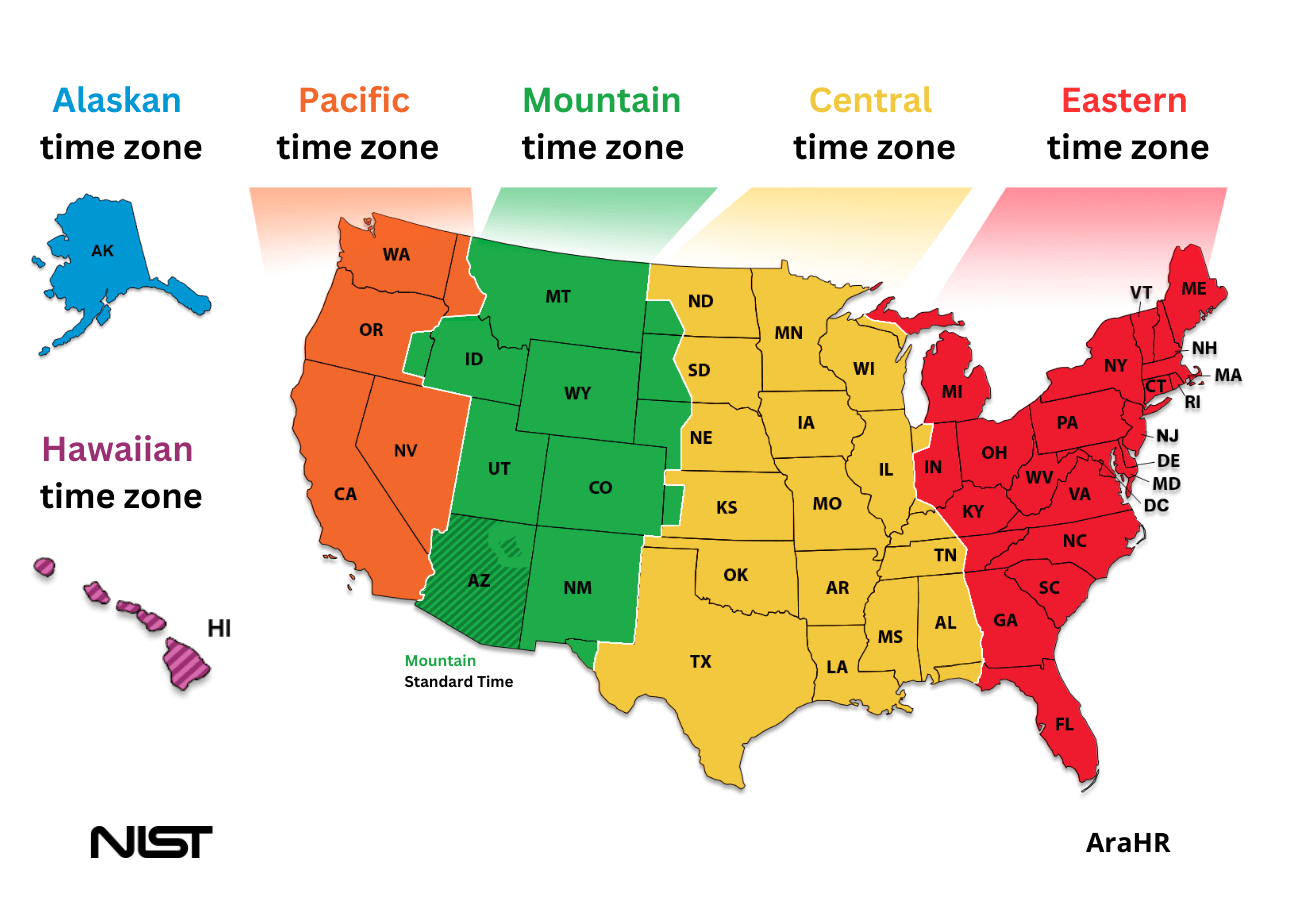
Predominantly, Oklahoma proudly operates within the Central Time Zone (CT). This applies to major metropolitan areas like Oklahoma City and Tulsa, as well as the vast majority of its counties and vibrant communities. However, a small, distinctive portion of the state, specifically the western edge of its panhandle, observes Mountain Time. This unique geographical characteristic makes understanding Oklahoma’s time zone landscape crucial for any visitor, from the casual tourist exploring cultural landmarks to the business traveler scheduling important meetings.
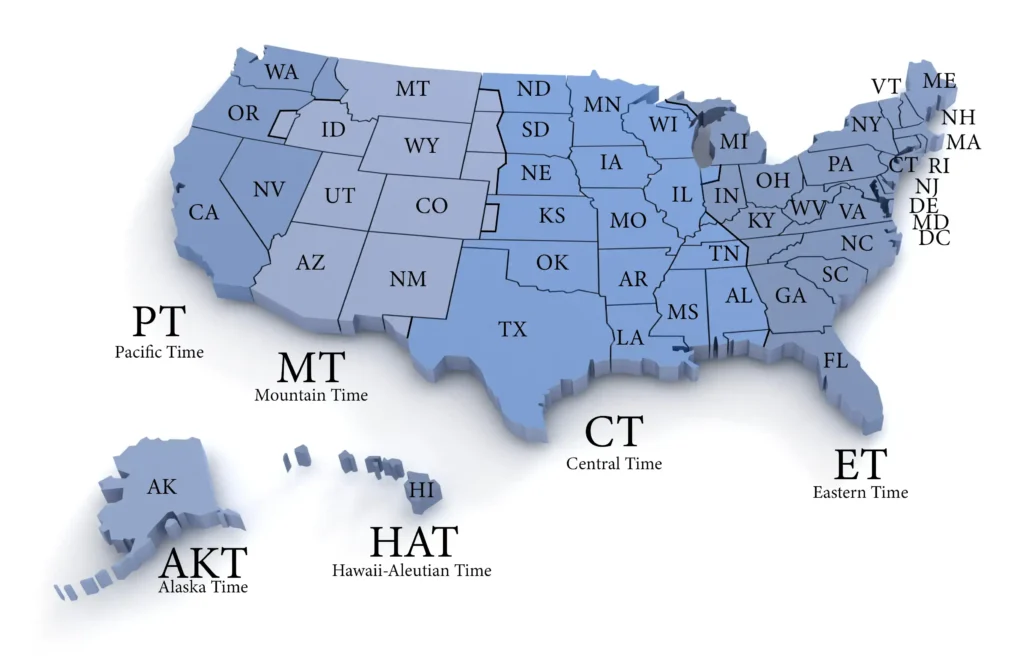
This guide will delve into the specifics of Oklahoma’s time zones, offering insights into how this impacts everything from travel itineraries and accommodation bookings to experiencing local culture and activities. We’ll explore the implications for planning your next Oklahoma adventure, ensuring a seamless and enjoyable experience.
Navigating Oklahoma’s Time Zones: Central vs. Mountain
Understanding the geographical distribution of time zones within Oklahoma is the first step to a well-planned trip. While most of the state adheres to one standard, the western panhandle presents a unique consideration that can easily catch unsuspecting travelers off guard.
The Central Time Zone Majority
For the overwhelming majority of its 3.9 million residents and countless visitors, Oklahoma aligns with the Central Time Zone. This zone is six hours behind Coordinated Universal Time (UTC-6) during standard time and five hours behind (UTC-5) during Daylight Saving Time (DST). Daylight Saving Time is observed annually, typically beginning on the second Sunday in March and ending on the first Sunday in November, when clocks “spring forward” and “fall back,” respectively.
This means that if you’re flying into Will Rogers World Airport in Oklahoma City, exploring the vibrant arts scene in Tulsa, or driving along historic Route 66 through the state’s eastern and central regions, your devices will automatically adjust to Central Time. Key cities and their attractions, such as the Oklahoma City National Memorial & Museum, the Myriad Botanical Gardens, and the bustling Bricktown Entertainment District in Oklahoma City, or the magnificent Philbrook Museum of Art and the sprawling Gathering Place in Tulsa, all operate on Central Time. This consistency simplifies planning for most visitors, allowing for smooth transitions between destinations and scheduled activities.
The Panhandle’s Mountain Time Shift
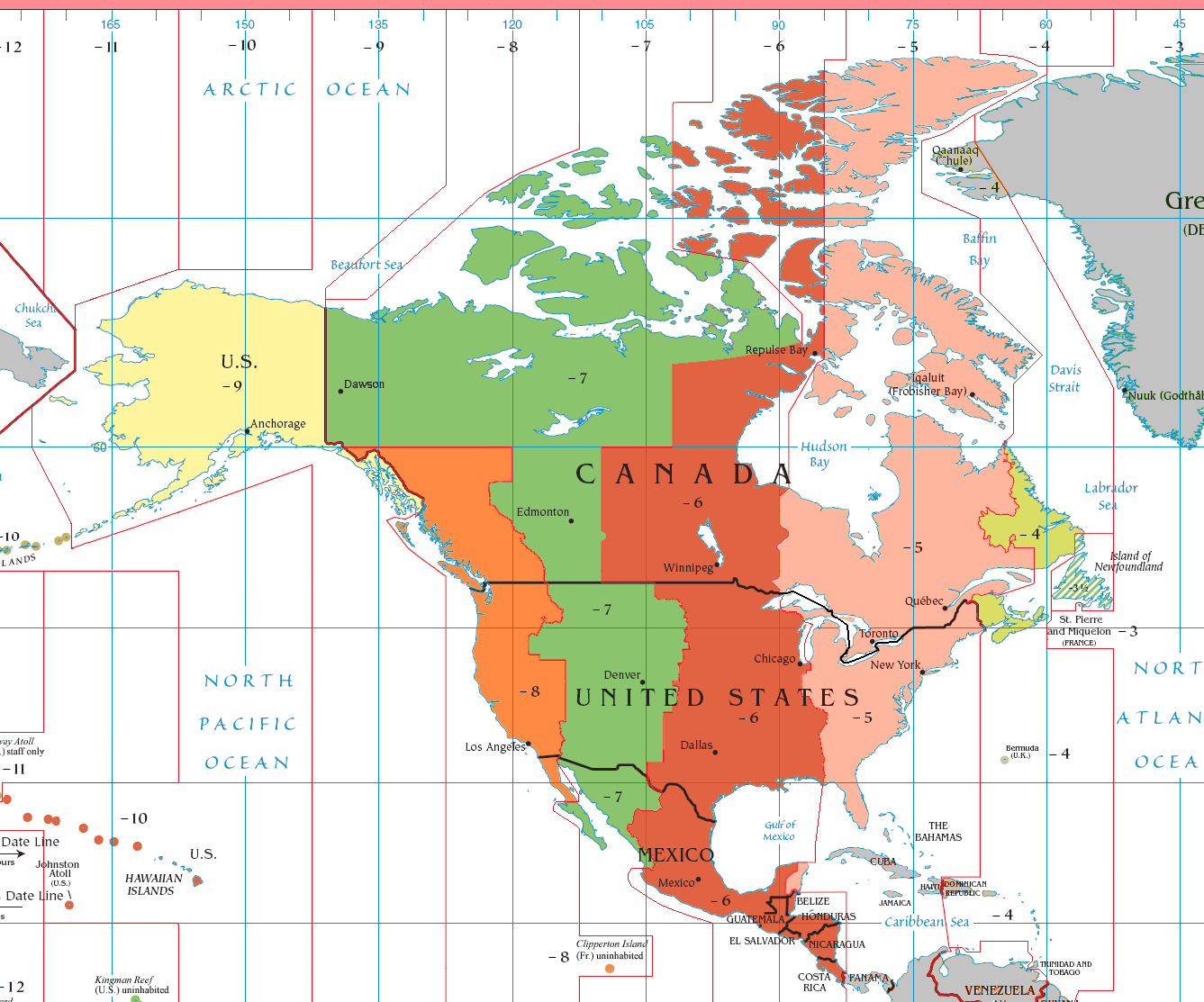
The exception to Oklahoma’s Central Time rule lies in its unique panhandle. Specifically, the western half of Cimarron County, the westernmost county in the panhandle, observes the Mountain Time Zone (MT). This puts it one hour behind the rest of the state. Mountain Time is UTC-7 during standard time and UTC-6 during Daylight Saving Time.
The primary town within this Mountain Time sliver is Boise City, a charming community that serves as a gateway to the region’s most notable natural landmark, Black Mesa State Park. This geographical anomaly is largely due to Cimarron County’s borders with New Mexico and Colorado, both of which predominantly observe Mountain Time. For practical purposes, aligning with its western neighbors makes more sense for local commerce and communication than adhering to the time zone of distant state capitals.
While Cimarron County is sparsely populated and less frequently visited by general tourists compared to Oklahoma City or Tulsa, its unique natural beauty, including the highest point in Oklahoma at Black Mesa and fascinating dinosaur tracks, draws adventurers and nature enthusiasts. For these travelers, being aware of the time zone change is paramount to avoid missed appointments, miscalculated travel times, or confusion with local businesses. Smart devices generally adjust automatically, but a manual check is always recommended when crossing into this distinct corner of the state.
Travel Planning and Time Zone Considerations in Oklahoma
The nuanced time zone situation in Oklahoma directly impacts travel planning, particularly for those undertaking extensive road trips or relying on precise schedules. From coordinating flights and hotel check-ins to maximizing your time exploring attractions, a clear understanding of local time is invaluable.
Seamless Journeys: Adapting to Local Time
For most visitors arriving by air, such as at Will Rogers World Airport in Oklahoma City or Tulsa International Airport, the immediate surrounding areas are firmly in Central Time. This makes initial accommodations, car rentals, and early explorations straightforward. Modern technology, in the form of smartphones and GPS devices, typically adjusts to the local time zone automatically, alleviating much of the concern for the average traveler. However, it’s always prudent to double-check times for pre-booked activities, tours, or dinner reservations, especially if they involve an early start or a tight schedule.
The primary challenge arises for those embarking on cross-state road trips, particularly if their itinerary includes the Oklahoma panhandle. Imagine planning to meet friends for a hike at Black Mesa State Park or arriving at a pre-booked cabin near Boise City. A miscalculation of even one hour can lead to significant inconvenience. If you’re driving from Oklahoma City to the panhandle, remember that you’ll lose an hour upon entering Mountain Time, effectively making your arrival seem an hour later than your watch might initially suggest if it hasn’t updated. Conversely, returning eastward will grant you an extra hour. Keeping this one-hour shift in mind is vital for maintaining a smooth travel flow and avoiding delays or missed opportunities.
Key Attractions and Their Local Times
Oklahoma offers a diverse array of attractions, each best enjoyed with an awareness of their local operating hours.
In the Central Time Zone heartland, you’ll find:
- Oklahoma City: The capital city boasts a wealth of experiences. The profoundly moving Oklahoma City National Memorial & Museum offers a powerful historical perspective. Nature lovers can wander through the stunning Myriad Botanical Gardens or explore the urban oasis of Scissortail Park. For a taste of the American West, the National Cowboy & Western Heritage Museum is a must-visit. The revitalized Bricktown Entertainment District offers dining, nightlife, and canal boat rides. All these operate on Central Time, ensuring straightforward scheduling.
- Tulsa: Known for its Art Deco architecture and vibrant arts scene, Tulsa is another Central Time gem. The Philbrook Museum of Art, housed in a magnificent villa, presents world-class collections and beautiful gardens. The Gathering Place, an expansive park along the Arkansas River, offers family-friendly activities and relaxation. History buffs will appreciate the Woody Guthrie Center and the Bob Dylan Center, celebrating folk music legends.
- Other Central Oklahoma Destinations: From the rich Native American culture at the Chickasaw Cultural Center in Sulphur to the charming small towns along Route 66 like Arcadia and its iconic round barn, the vast majority of Oklahoma’s diverse attractions fall within the Central Time Zone.
When venturing into the Mountain Time Zone in the panhandle, the main draw is:
- Black Mesa State Park and Preserve: This remote and rugged area is a haven for stargazers, hikers, and those seeking unique geological formations. The park and surrounding natural areas, including the actual Black Mesa (the highest point in Oklahoma) and nearby dinosaur tracks, adhere to Mountain Time. If you have permits for hiking or camping, or are planning to visit the nature center, ensure your internal clock is set to the correct local time to avoid any missteps in this beautiful, wild landscape. Similarly, any local businesses in Boise City will operate on Mountain Time.
For instance, if a museum in Oklahoma City opens at 9 AM CT, and you’re planning a full day before driving west, remember that if you cross into Mountain Time later in the day, local businesses might close an hour earlier by your Central Time watch. Coordinating meet-up times with locals or other travelers, particularly across state lines into Kansas, Texas, New Mexico, or Colorado, also requires this careful consideration.
Accommodation and Lifestyle: Making the Most of Your Oklahoma Stay
Beyond attractions, the time zone also plays a subtle yet significant role in your accommodation choices and overall lifestyle experience while traveling through Oklahoma. Whether you’re planning a luxurious resort getaway, a budget-friendly family trip, or a focused business stay, factoring in the time zone can enhance your comfort and efficiency.
Booking Your Perfect Stay: Time Zone-Aware Accommodation
When booking hotels, resorts, or alternative accommodations like apartments or villas across Oklahoma, all listed check-in/check-out times and amenity schedules will correspond to the local time zone of the property. For properties within the state’s main Central Time Zone, this is straightforward. In Oklahoma City, you might choose a historic and elegant stay at the Skirvin Hilton Oklahoma City or a modern experience near Bricktown. In Tulsa, the Ambassador Hotel Tulsa, Autograph Collection offers luxurious boutique lodging, while other options cater to various budgets and preferences. All these establishments, and indeed the vast network of hotels across the Great Plains portion of the state, operate on Central Time.
For those venturing into Cimarron County and its Mountain Time sliver, accommodation options might be more rustic, such as cabins, camping sites, or quaint local inns around Boise City. Here, it’s crucial to confirm check-in times (and any specific gate access times for state parks or remote cabins) with the local time. While your phone may adjust, manually confirming ensures you don’t arrive an hour early or late to a remote location where immediate assistance might not be readily available. This is particularly relevant for long-term stays or those seeking unique, off-the-beaten-path experiences where punctuality might be more critical.
For business travelers, understanding the time zone implications is paramount. Scheduling video conferences, client meetings, or calls across different regions of Oklahoma or with neighboring states (especially those like New Mexico and Colorado that are primarily Mountain Time) requires careful coordination. A meeting set for 10 AM in Oklahoma City would be 9 AM in Boise City, or 8 AM in Denver, Colorado. Clear communication of time zones in all invitations and confirmations is a best practice to avoid missed connections.
Embracing the Local Rhythm: Lifestyle and Experiences
The time zone also subtly shapes the daily rhythm and lifestyle of the communities you visit. In Central Time areas, meal times, entertainment schedules, and business hours generally align with the common understanding of a typical day in the central USA. This allows for a relaxed approach to enjoying Oklahoma’s vibrant food scene, whether it’s indulging in Oklahoma barbecue, exploring the unique farm-to-table restaurants, or experiencing local festivals and cultural events from the Cherokee Nation and other tribes.
In the Mountain Time region, particularly near Boise City, the pace of life often feels a bit different, partly due to the time zone shift and partly due to the remote, rural nature of the area. Early mornings for outdoor activities like hiking at Black Mesa State Park might feel a touch earlier to someone accustomed to Central Time, but the reward of stunning sunrises over vast landscapes is well worth it. Dining options might close earlier, and local services might have different operating hours compared to larger cities. Embracing this slower, more localized rhythm is part of the unique charm of visiting this distinct part of Oklahoma.
For families traveling with children, adjusting to time changes can sometimes be challenging, leading to disruptions in sleep schedules or meal times. While a one-hour shift isn’t drastic, it’s good to be aware, especially for infants or toddlers. For those seeking luxury travel, attention to detail, including time zone management, ensures seamless experiences, whether it’s coordinating spa appointments at a resort or arranging private tours. Budget travelers can also benefit by optimizing their schedules to catch early bird specials or specific public transport timings, all tied to the local clock.
Practical Tips for a Time-Zone Smooth Oklahoma Adventure
To ensure your trip through Oklahoma is as smooth and enjoyable as possible, keep these practical tips in mind regarding its dual time zones:
- Verify All Schedules: Before departing for any activity, reservation, or event, confirm the time in the local zone of your destination. This is especially crucial for flights, train schedules, hotel check-ins, museum operating hours, and guided tours, particularly if they are near the Mountain Time Zone boundary or involve cross-state travel.
- Rely on Smart Technology (But Double-Check): Most smartphones, smartwatches, and GPS devices automatically update to the local time zone when you enter a new one. This is incredibly helpful and generally reliable. However, it’s a good practice to manually verify the time upon arrival in a new zone, especially in remote areas where cell service might be spotty, potentially delaying an automatic update.
- Communicate Clearly: If you’re meeting friends, family, or business contacts who are in a different time zone, always specify the time zone when making plans (e.g., “Let’s meet at 2 PM CT” or “2 PM Central Time”). This eliminates any ambiguity and ensures everyone is on the same page.
- Plan for the Panhandle: If your itinerary includes Cimarron County and Boise City, mentally prepare for the one-hour shift. If driving from Oklahoma City, you’ll “lose” an hour (e.g., 2 PM CT becomes 1 PM MT). When driving back east, you’ll “gain” an hour. Factor this into your driving times and planned activities for the day.
- Enjoy the Uniqueness: Rather than seeing the time zone split as a complication, view it as part of Oklahoma’s unique geographical and cultural tapestry. It’s a fun fact to share and a subtle reminder of the vastness and diversity of the North American continent.
In conclusion, while the answer to “Is Oklahoma in Central Time?” is overwhelmingly “yes,” a savvy traveler will remember the distinct exception of its western panhandle. By understanding and accounting for this subtle shift, you can ensure a seamless, stress-free, and thoroughly enjoyable exploration of all the diverse attractions and experiences the Sooner State has to offer, from the bustling cities to the serene, time-honored landscapes of Black Mesa. Enjoy your Oklahoma adventure, perfectly synchronized with local time!
LifeOutOfTheBox is a participant in the Amazon Services LLC Associates Program, an affiliate advertising program designed to provide a means for sites to earn advertising fees by advertising and linking to Amazon.com. Amazon, the Amazon logo, AmazonSupply, and the AmazonSupply logo are trademarks of Amazon.com, Inc. or its affiliates. As an Amazon Associate we earn affiliate commissions from qualifying purchases.