
Understanding time zones is a fundamental aspect of travel planning, especially when navigating across a vast country like the United States. For many, the simple question of “Is Oklahoma on Central Time?” can have significant implications for itinerary planning, scheduling meetings, booking flights, and even understanding local event timings. This guide delves into Oklahoma‘s time zone status, providing clarity for travelers and residents alike, ensuring a seamless experience across the Sooner State.
The Temporal Landscape of Oklahoma
Oklahoma‘s geographical position straddles a significant portion of the American heartland, and its time zone designation is a direct reflection of its alignment with broader temporal standards. This section will explore the official time zone governing Oklahoma and the historical context that led to its current status.
Understanding Oklahoma‘s Primary Time Zone
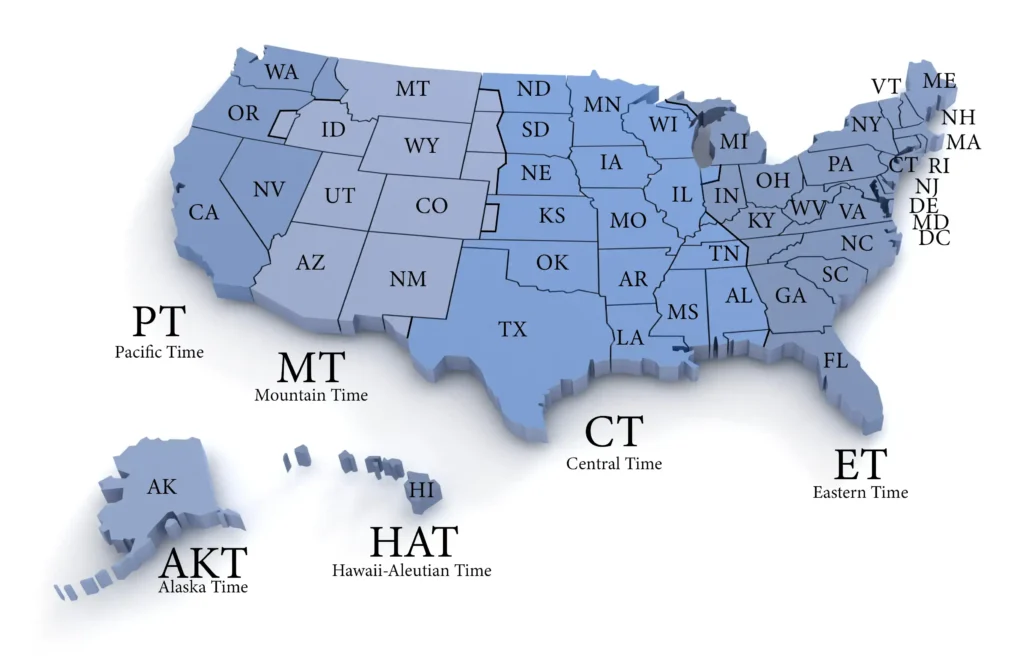
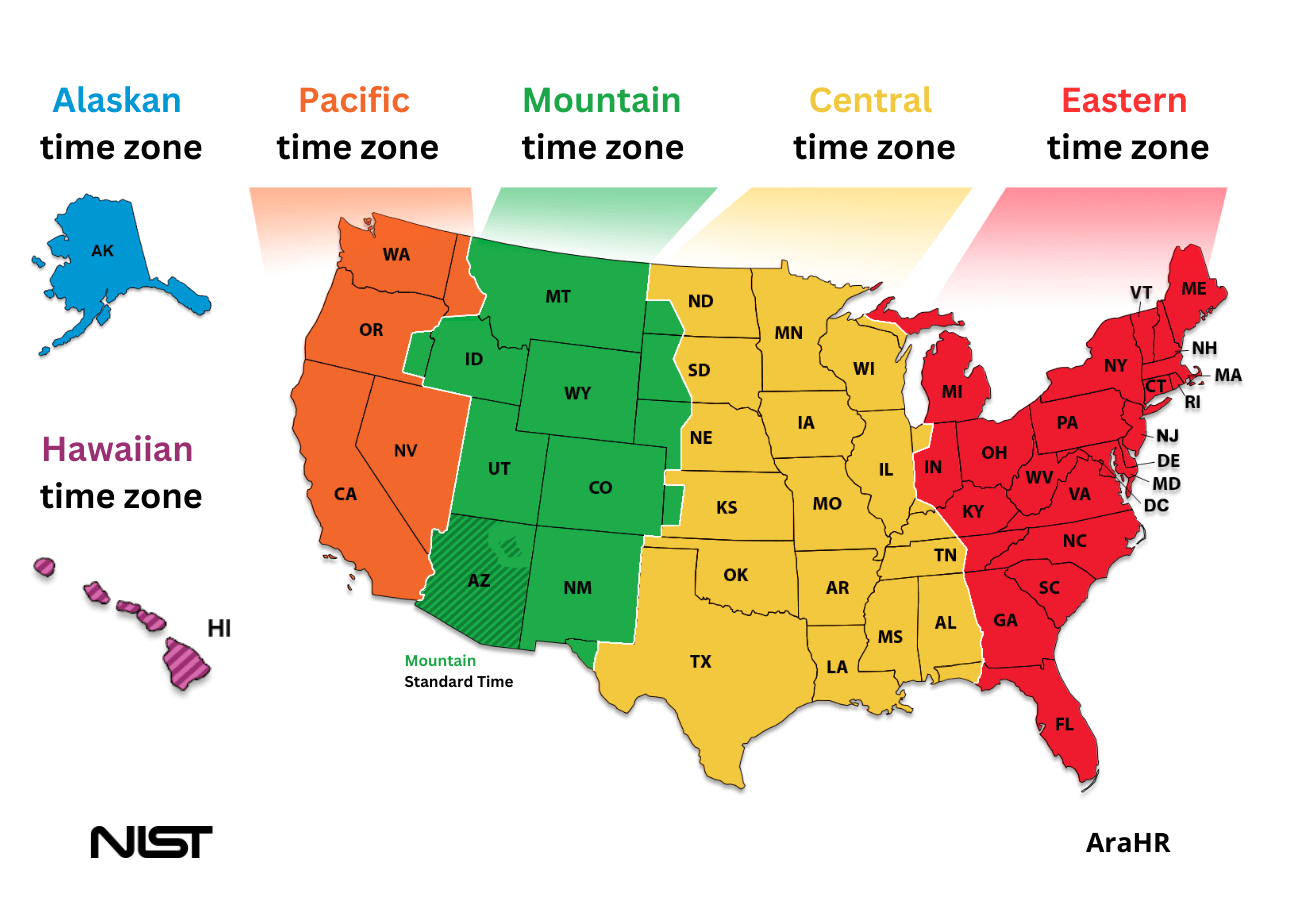
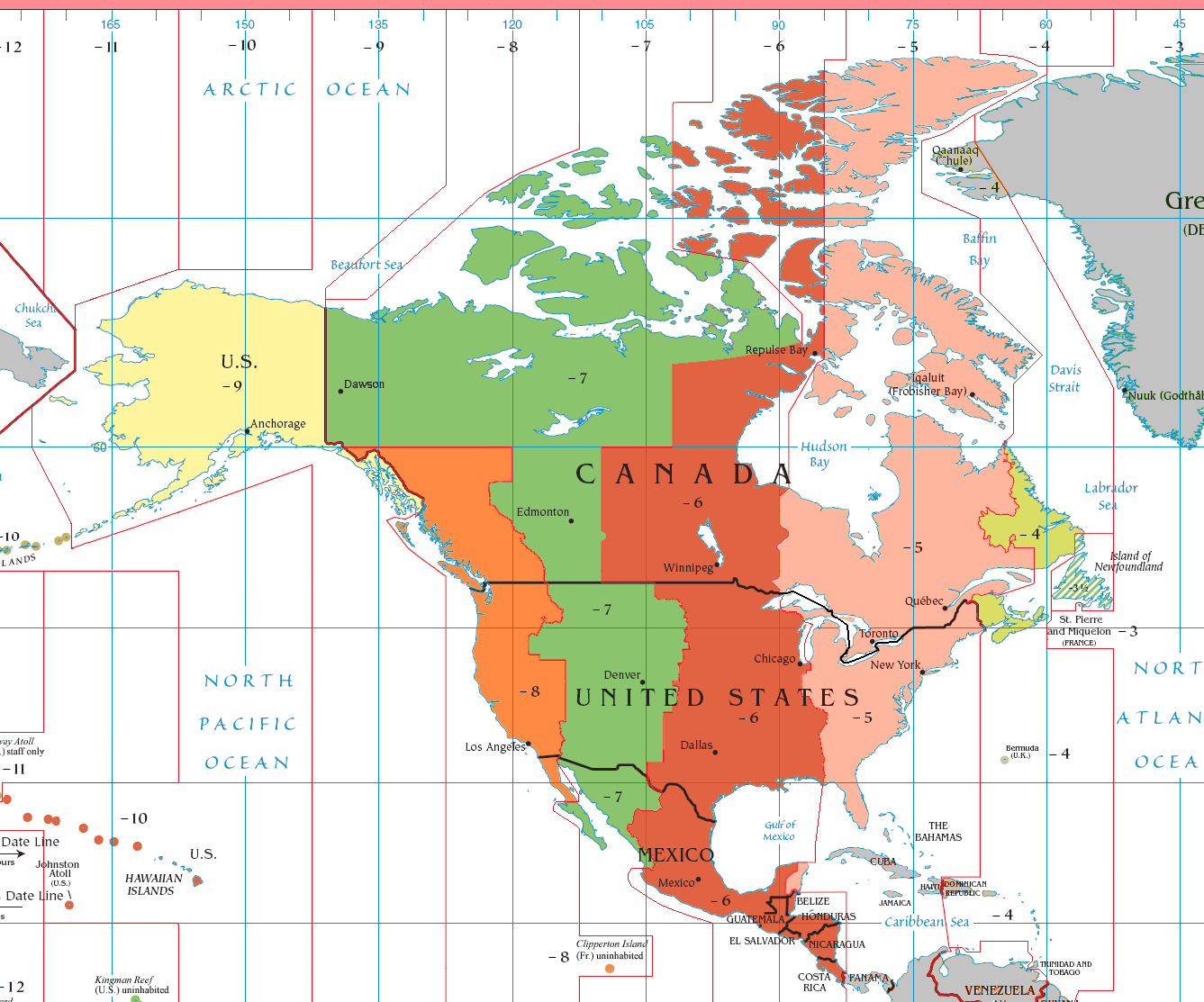
The vast majority of Oklahoma observes Central Standard Time (CST) during the fall and winter months, which transitions to Central Daylight Time (CDT) during the spring and summer. This is consistent with the time zone observed by many of its neighboring states, including Texas, Kansas, Missouri, Arkansas, and Louisiana. Central Time is UTC-6 during standard time and UTC-5 during daylight saving time. This means that Oklahoma is two hours behind Coordinated Universal Time (UTC) for most of the year.
This uniformity across much of the region simplifies travel and communication for those moving between these states. When planning a trip to Oklahoma City, Tulsa, or any other major urban center, or even exploring smaller towns like Guthrie or Ardmore, knowing you are on Central Time provides a reliable anchor for your schedule. This temporal consistency is a significant advantage for businesses operating across state lines and for individuals visiting family or attending events in different parts of the Central Time Zone.
A Glimpse into Historical Time Zone Adjustments
While Oklahoma has been firmly established in the Central Time Zone for a considerable period, it’s worth noting that the concept of standardized time zones in the United States is a relatively modern phenomenon. The establishment of Central Time was part of a broader effort in the late 19th century to bring order to the railway schedules, which had previously operated on local solar time. This led to the division of the country into four main time zones: Eastern, Central, Mountain, and Pacific.
Historically, Oklahoma’s territories underwent various administrative changes and consolidations that eventually cemented its place within the Central Time Zone. These historical decisions, driven by factors such as transportation needs and population distribution, continue to shape the temporal reality for Oklahoma residents and visitors today. Understanding this historical evolution underscores the deliberate nature of current time zone boundaries and their deep roots in the nation’s development.
Navigating Time Zones for Travel to and Within Oklahoma
The clarity of Oklahoma‘s time zone status is a boon for travelers. Whether you are flying into Will Rogers World Airport in Oklahoma City or driving across state lines, understanding the time will prevent potential misunderstandings and missed connections. This section offers practical advice for ensuring your schedule aligns perfectly with Oklahoma‘s temporal setting.
Planning Your Arrival and Departure
When booking flights to Oklahoma, you will notice that all arrival and departure times will be listed in Central Time. This is crucial to remember, especially if you are traveling from a different time zone. For instance, if you are departing from Los Angeles (Pacific Time) for Oklahoma City, your departure time will be adjusted by three hours when you arrive in Oklahoma. Similarly, if you are traveling from New York City (Eastern Time), your arrival time will be two hours later than the departure time listed in Eastern Time.
This applies to all forms of transportation, including bus services and train routes that pass through Oklahoma. Always double-check the local time at your destination or departure point. Many airline and travel websites offer tools to help you convert times, but a basic understanding of the Central Time Zone will empower you to manage your travel plans with confidence.
Scheduling Activities and Events
Beyond travel logistics, adhering to Central Time is vital for enjoying Oklahoma‘s many attractions and events. Whether you are planning to visit the Oklahoma City National Memorial & Museum, catch a performance at the Civic Center Music Hall, explore the Philbrook Museum of Art in Tulsa, or attend a University of Oklahoma football game, all scheduled times will be based on Central Time.
If you have appointments, reservations at restaurants like The Red Oak or Cattlemen’s Steakhouse, or are participating in guided tours, ensure you confirm these times in Central Time. This proactive approach will prevent any last-minute rushes or the disappointment of arriving after an event has concluded. For those who enjoy experiencing local culture, such as attending festivals or farmers’ markets, knowing the local time is essential for maximizing your enjoyment and participation.
Eastern Oklahoma’s Unique Time Zone Consideration
While the vast majority of Oklahoma adheres to Central Time, there is a specific, albeit small, area that presents a unique temporal exception. Understanding this nuance is important for complete clarity regarding Oklahoma‘s time zone status.
The Seminole Nation of Oklahoma Exception
A portion of the Seminole Nation of Oklahoma, located primarily in Seminole County, historically operated on Mountain Time. However, this practice has largely been discontinued, and the vast majority of Seminole County now observes Central Time. While there may be historical references or isolated instances of Mountain Time being used within the Seminole Nation, for all practical travel and daily life purposes, Central Time is the standard.
It is important to note that any lingering practices of Mountain Time within the Seminole Nation are not officially recognized by state or federal law as a deviation from the Central Time Zone. Therefore, when visiting or conducting business within Oklahoma, it is safe to assume that Central Time is in effect across the entire state. This historical anomaly serves as an interesting footnote in the state’s temporal landscape but does not represent a current functional difference for most visitors.
Practical Tips for Time Zone Aware Travel in Oklahoma
To ensure a smooth and enjoyable journey through the Sooner State, integrating an awareness of Central Time into your planning process is key. These practical tips will help you avoid common temporal pitfalls and make the most of your visit.
Staying Updated on Daylight Saving Time
Oklahoma observes Daylight Saving Time (DST), meaning clocks are advanced by one hour during the warmer months. This transition typically occurs on the second Sunday in March and reverts to Standard Time on the first Sunday in November. Travelers should be mindful of these dates, as the time difference relative to other zones will shift accordingly.
For example, during Daylight Saving Time, Oklahoma (CDT) is UTC-5. This means it will be one hour closer to UTC than during Standard Time. When planning travel around these transition periods, it is always wise to double-check the current time. Many digital devices, such as smartphones and computers, automatically update their time based on your location, but it is still good practice to confirm.
Leveraging Technology and Local Information
In today’s connected world, staying on top of time zone differences is easier than ever. Most smartphones will automatically adjust to the local time zone upon arrival in Oklahoma. However, it is prudent to manually verify this. Websites and apps dedicated to time zone conversions are readily available and can be invaluable resources.
When you arrive in Oklahoma, consult local resources for any specific temporal nuances. Local news websites, visitor centers, and even hotel concierges can provide up-to-date information. For example, if you are attending a specific event, check the organizer’s official website for confirmation of the scheduled time in Central Time. This layered approach to information gathering ensures accuracy and preparedness.
Common Misconceptions and Clarifications
The primary misconception regarding Oklahoma and time zones is the potential for confusion with Mountain Time, due to historical anomalies or geographical proximity to states in that zone. However, as established, Oklahoma is firmly situated within the Central Time Zone. The Mountain Time Zone begins further west, generally encompassing states like Colorado, Utah, and New Mexico.
By understanding that Oklahoma operates on Central Time (UTC-6 / UTC-5), travelers can confidently plan their activities, manage their schedules, and enjoy all that this vibrant state has to offer, from the bustling energy of Oklahoma City to the scenic beauty of the Ouachita Mountains. This temporal clarity is a small but significant element in ensuring a memorable and hassle-free travel experience.
LifeOutOfTheBox is a participant in the Amazon Services LLC Associates Program, an affiliate advertising program designed to provide a means for sites to earn advertising fees by advertising and linking to Amazon.com. Amazon, the Amazon logo, AmazonSupply, and the AmazonSupply logo are trademarks of Amazon.com, Inc. or its affiliates. As an Amazon Associate we earn affiliate commissions from qualifying purchases.