
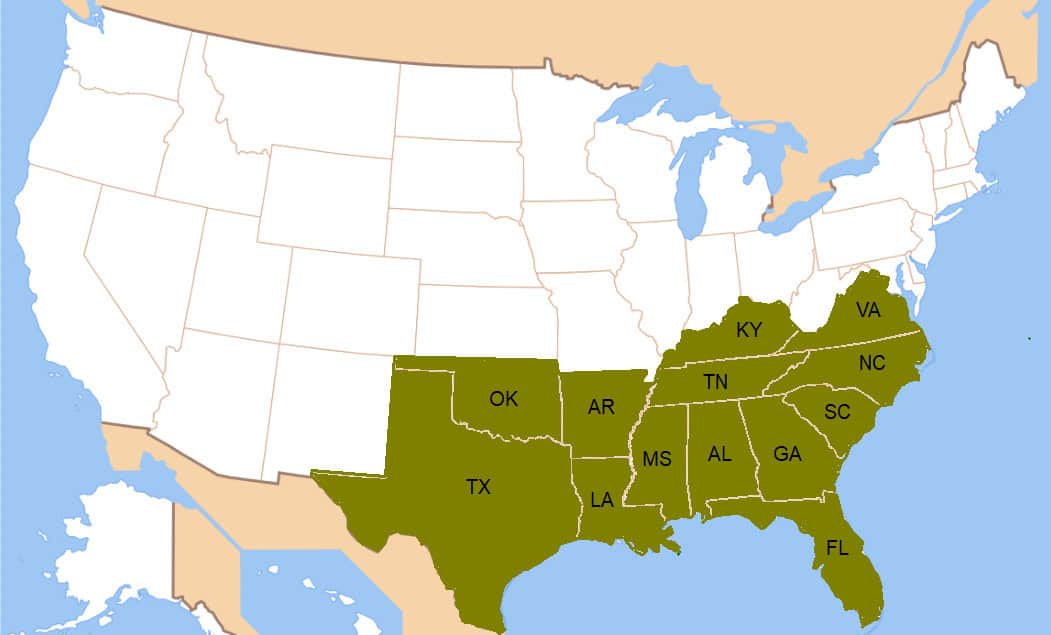
To pose the question “Is Oklahoma South?” is to embark on a fascinating journey into the complex identity of a United States state that defies easy categorization. Unlike its more clearly defined neighbors, Oklahoma exists at a pivotal crossroads, a geographical, cultural, and historical melting pot where the traditions of the American South intricately intertwine with the rugged spirit of the American West and even echoes of the Midwest. This unique positioning makes Oklahoma a captivating destination for travelers seeking diverse experiences, from exploring rich Native American heritage to delving into cowboy culture, all while enjoying Southern hospitality and a burgeoning modern urban landscape.

The answer isn’t a simple yes or no; rather, it’s a nuanced exploration of how various influences have shaped the state into a vibrant mosaic. For those planning a trip, understanding this multifaceted identity is key to appreciating Oklahoma’s unique charm, from its landmarks and attractions to its local cuisine and accommodation options.
The Geographical Crossroads: Where the South Meets the West
Oklahoma’s geography is perhaps the most immediate indicator of its liminal identity. Bordered by Texas to the south, Arkansas and Missouri to the east, Kansas to the north, and Colorado and New Mexico to the west, the state literally bridges different regions. This unique placement means that its landscapes are incredibly varied, reflecting the diverse terrains of all its neighboring regions.
A State of Transition
The eastern part of Oklahoma is characterized by the rolling hills and dense forests of the Ouachita Mountains and the Ozark Plateau, extensions of the Southern Appalachian mountain range. This region shares much in common with Arkansas and Missouri, both culturally and geologically. Here, you’ll find lush state parks like Beaver’s Bend State Park near Broken Bow and the scenic beauty of the Talimena Scenic Drive, offering a distinctly Southern, forested feel. The presence of the Arkansas River further connects it to the Mississippi River basin and the broader Southern hydrological network.
However, as you move westward across the state, the landscape gradually transforms. The dense woodlands give way to the vast, flat expanses of the Great Plains, quintessential Western terrain. This region is marked by endless skies, sprawling ranches, and the iconic reddish soil that epitomizes the Western frontier. The panhandle, in particular, with its highest point at Black Mesa, clearly aligns with the arid, high-plains environment of states like Colorado and New Mexico. The Red River, forming its southern boundary with Texas, acts as another geographical marker, separating it from the deep South while simultaneously linking it to the shared Texan and Southern Plains identity.
Climate and Landscape: Echoes of Multiple Regions
Oklahoma’s climate further underscores its transitional nature. The eastern half experiences a humid subtropical climate, similar to much of the South, characterized by hot, humid summers and mild winters, with ample rainfall supporting its forests and agriculture. Travel westward, and the climate becomes semi-arid, with less precipitation and more extreme temperature fluctuations, mirroring the drier conditions of the West. This diverse climate supports an incredible range of ecosystems and agricultural practices, from cotton and peanut farming, typical of the South, to vast cattle ranches, the hallmark of the West. Visitors interested in nature and outdoor activities will find everything from hiking and fishing in forested mountains to exploring vast prairies and lakes like Lake Texoma or Quartz Mountain State Park.
Historical Roots and Cultural Blends
The history of Oklahoma is a tapestry woven from threads of profound Indigenous heritage, Southern migration, and Western expansion, creating a cultural fabric unlike any other. This historical journey is fundamental to understanding why the state feels simultaneously Southern, Western, and distinctly Oklahoman.
Native American Heritage: A Unique Tapestry
Before European settlement, the land that would become Oklahoma was home to numerous Native American tribes. Its pivotal role as Indian Territory dramatically shaped its identity. During the 19th century, it became the forced destination for the ” Five Civilized Tribes” – the Cherokee Nation, Choctaw Nation, Chickasaw Nation, Creek Nation, and Seminole Nation – removed from their ancestral lands in the southeastern United States along the tragic Trail of Tears. This mass migration brought deeply rooted Southern cultural elements with them, influencing everything from agriculture to political structures within their nations.
Today, Oklahoma has the second-largest Native American population of any state, and tribal nations play a significant role in the state’s economy, culture, and social fabric. Visitors can immerse themselves in this rich heritage at incredible cultural centers and museums, such as the Chickasaw Cultural Center in Sulphur, offering insights into tribal languages, art, history, and modern life. Many tribes also operate resorts and casinos, such as the Hard Rock Hotel & Casino Tulsa and River Spirit Casino Resort, which are major draws for tourism and accommodation.
Southern Influences: Agriculture, Religion, and Dialect
Following the Land Runs, particularly the famous Oklahoma Land Run of 1889, settlers flooded into Oklahoma. A significant portion of these new residents came from the Deep South, bringing with them distinct Southern customs. This migration solidified a Southern character in many parts of the state.
- Religion: Oklahoma is very much part of the “Bible Belt,” with a strong presence of Protestant denominations, particularly the Southern Baptist Convention and the Methodist Church. Church plays a central role in many communities, mirroring the social dynamics found across the South.
- Cuisine: The food scene in Oklahoma boasts undeniable Southern comfort. Think generous portions of fried chicken, rich gravy, collard greens, cornbread, and, of course, an abundance of barbecue. Sweet tea is a staple, and potlucks and community dinners often feature classic Southern dishes.
- Hospitality: The warmth and friendliness often associated with Southern hospitality are palpable in Oklahoma. Visitors often note the genuine welcoming nature of locals, a trait deeply ingrained in Southern culture.
- Dialect: While a distinct “Oklahoman accent” exists, it frequently carries Southern inflections, especially in the eastern and southern regions of the state. These linguistic nuances further underscore the state’s ties to its Southern neighbors.
Western Spirit: Frontier Mentality and Ranching
Concurrently with Southern migration, the allure of the frontier drew settlers from the Midwest and other Western states, bringing with them a rugged, independent, and resilient spirit. This Western influence is deeply etched into Oklahoma’s identity.
- Ranching and Cowboy Culture: The vast plains of central and western Oklahoma have historically been, and continue to be, prime ranching country. Cowboy culture is not just a historical relic; it’s a living, breathing part of the state. Rodeos are popular events, and institutions like the National Cowboy & Western Heritage Museum in Oklahoma City celebrate this iconic heritage. Even the urban landscape, particularly areas like Stockyards City in Oklahoma City, maintains a strong Western feel.
- Oil and Gas: The oil booms of the early 20th century also contributed to a distinctly Western “boomtown” mentality, attracting prospectors and entrepreneurs seeking fortune. This industry continues to be a cornerstone of Oklahoma’s economy and identity.
- Resilience: The challenges faced by early settlers, including the harsh realities of the Dust Bowl in the 1930s, fostered a strong sense of resilience and self-reliance, characteristics often associated with the Western frontier.
Modern Oklahoma: A Mosaic of Identities
Today, Oklahoma continues to evolve, embracing its multi-faceted heritage while forging a modern identity that is both progressive and deeply rooted. For travelers, this means a diverse range of experiences, from bustling urban centers offering world-class hotels and dining to serene natural landscapes perfect for adventure travel.
Economic Diversification and Urban Growth
While agriculture and energy remain vital, Oklahoma’s economy has diversified significantly into sectors like aerospace, aviation, and technology. Major cities like Oklahoma City and Tulsa are experiencing revitalization and growth, attracting new residents and businesses.
- Oklahoma City: The state capital is a vibrant metropolis with a booming downtown, home to attractions like the Oklahoma City National Memorial & Museum, a poignant tribute to resilience. The Bricktown entertainment district, with its canal and diverse restaurants, and the Myriad Botanical Gardens offer modern urban experiences. For accommodation, options range from luxury hotels like those near the Devon Energy Center to budget-friendly boutique stays in areas like Deep Deuce or the Paseo Arts District. The Paycom Center is home to the NBA’s OKC Thunder, adding a major sports presence.
- Tulsa: Once known as the “Oil Capital of the World,” Tulsa has a rich Art Deco architectural heritage and a thriving arts scene. The Philbrook Museum of Art and the Gilcrease Museum offer world-class collections. The Gathering Place, a massive riverside park, has gained international acclaim, providing family-friendly experiences. The Blue Dome District and Tulsa Arts District are hubs for dining, nightlife, and cultural events. Hotels in Tulsa cater to all lifestyles, from historic properties to modern suites. The city also remembers its past with the legacy of the Tulsa Race Massacre, commemorated in various historical sites and museums.
- Norman: Home to the University of Oklahoma, Norman is a vibrant college town with a youthful energy and a strong emphasis on education and research.
Culinary Landscape: A Fusion of Flavors
Oklahoma’s culinary scene beautifully reflects its diverse influences. While Southern comfort food and Western barbecue are mainstays, you’ll also find a robust Tex-Mex presence, thanks to the proximity to Texas. Native American dishes, particularly fry bread, are celebrated. Modern Oklahoman chefs are increasingly fusing these traditional flavors with contemporary culinary trends, creating a dynamic and exciting food scene for tourism. Many local restaurants in Oklahoma City and Tulsa pride themselves on using locally sourced ingredients, enhancing the regional identity of their dishes.
Arts, Music, and Sports: Reflecting Diverse Influences
The arts and music scene in Oklahoma is a testament to its cultural fusion.
- Music: Oklahoma has produced an astonishing number of country music legends, including Garth Brooks, Reba McEntire, Blake Shelton, and Carrie Underwood, firmly rooting it in the Southern music tradition. Yet, it also nurtured folk icon Woody Guthrie, whose music resonated with the struggles of the Great Plains and the working class, a more Western/Midwestern folk sensibility. This blend is evident in local music venues across the state.
- Art: Beyond Western art, which is celebrated at museums like WOOLAROC Museum & Wildlife Preserve, Oklahoma has a thriving contemporary art scene, particularly in its urban art districts. The state is also rich in Native American art, from traditional crafts to modern expressions.
- Sports: While college football, particularly the rivalry between Oklahoma State University and the University of Oklahoma, reflects a deep-seated regional passion common in the South, the presence of a professional NBA team, the OKC Thunder, brings a modern, national sports identity. Rodeo and horse sports, often associated with the American Quarter Horse Association, also remain incredibly popular, connecting to the state’s Western roots.
Defining Oklahoma: More Than Just a Region
Ultimately, to ask “Is Oklahoma South?” is to miss the point slightly. It’s like asking if a finely crafted mosaic is just one color. Oklahoma is a unique synthesis, a state that proudly embodies elements of the South, the West, and its own distinct Native American heritage.
The “Sooner State” Identity
The nickname “Sooner State” itself speaks volumes. It refers to the “Sooners” who illegally entered Indian Territory and staked claims before the official start of the Oklahoma Land Run of 1889. This name embodies a spirit of ambition, a desire to seize opportunity, and perhaps a touch of defiance – characteristics that resonate with both Southern entrepreneurial drive and Western frontier individualism. This identity is further amplified by famous Oklahomans like Will Rogers, whose homespun wisdom and cowboy charm epitomized a uniquely Oklahoman blend of wit and rugged independence.

Embracing its Unique Position
For those planning to travel to Oklahoma, this blend is its greatest asset. You can explore Southern plantations in the east and visit authentic Western stockyards in the west, all within the same trip. You can savor Southern barbecue, then enjoy fry bread, and later dine at a modern farm-to-table restaurant in Oklahoma City or Tulsa. The accommodations range from charming bed-and-breakfasts in historic towns like Medicine Park to high-rise hotels in vibrant urban centers, or even a stay at a resort on Lake Texoma.
Conclusion:
So, is Oklahoma South? Yes, in many meaningful ways, it is. Its history, demographics, traditional cuisine, and religious landscape all bear the indelible mark of the American South. But it is equally West, with its vast prairies, ranching heritage, and frontier spirit. And, most importantly, it is uniquely Oklahoma – a state that has woven these diverse threads into a rich, resilient, and utterly captivating identity. For any traveler seeking a destination that offers more than meets the eye, a journey through Oklahoma promises a profound experience that celebrates a beautiful confluence of cultures, histories, and landscapes. It’s not just South; it’s a testament to the dynamic and evolving character of the United States.
LifeOutOfTheBox is a participant in the Amazon Services LLC Associates Program, an affiliate advertising program designed to provide a means for sites to earn advertising fees by advertising and linking to Amazon.com. Amazon, the Amazon logo, AmazonSupply, and the AmazonSupply logo are trademarks of Amazon.com, Inc. or its affiliates. As an Amazon Associate we earn affiliate commissions from qualifying purchases.