
The question of whether online gambling is legal in Texas is a complex one, steeped in state law, historical precedent, and ongoing legislative debate. For residents and visitors alike, understanding the nuances of gambling regulations in the Lone Star State is crucial, especially when considering the allure of digital casinos and sportsbooks from a state that is traditionally conservative regarding gaming. Unlike many other states that have embraced or are moving towards regulated online gambling, Texas maintains a notably strict stance, creating a landscape that is often confusing and fraught with legal ambiguities. This article will delve into the current legal framework, explore the implications for individuals, examine the economic arguments for and against legalization, and discuss the potential future of online gambling within the context of a state renowned for its unique culture, vast landscapes, and burgeoning tourism industry.
The Current Legal Landscape of Gambling in Texas
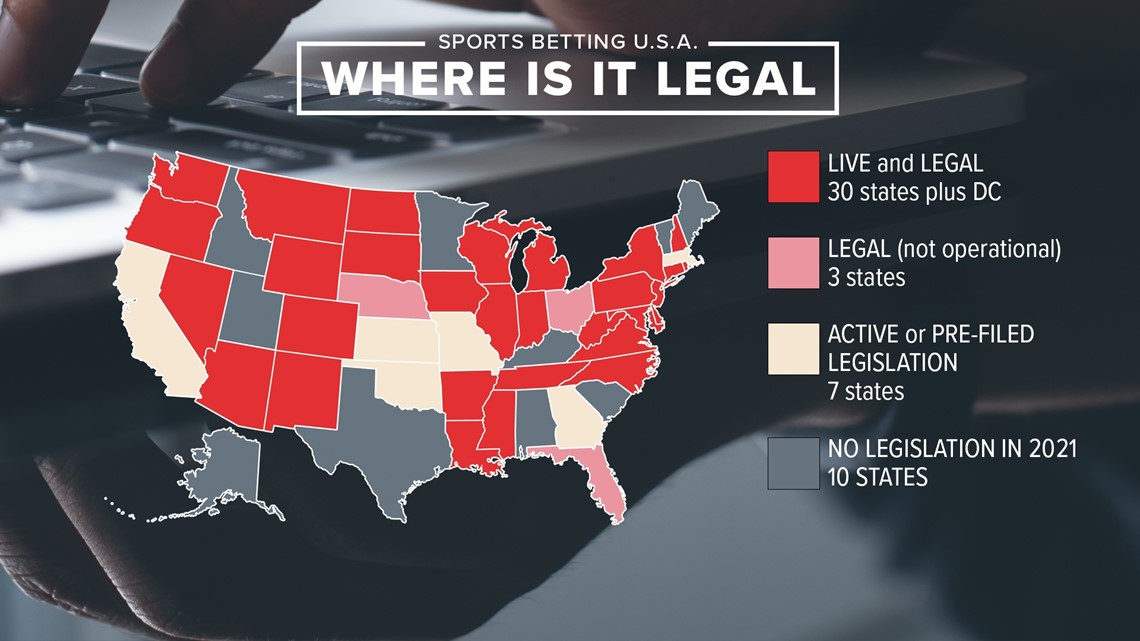
Texas has long been known for its conservative approach to gambling. While certain forms of gaming are permitted, the state has historically resisted the widespread expansion seen in many other parts of the United States. This cautious approach extends directly to the digital realm, making the legality of online gambling a particularly thorny issue.
A Strict Stance on Traditional Gambling
Generally, most forms of gambling are prohibited in Texas. The state’s Penal Code defines gambling broadly, making it illegal to bet on the partial or final outcome of a game or contest, a political nomination or election, or a race. However, there are a few notable exceptions carved out over time. The most prominent example is the Texas Lottery, which was established in 1991 and has since become a significant source of revenue for the state, primarily funding public education.
Beyond the lottery, charitable bingo is permitted under strict regulations, primarily to benefit qualifying non-profit organizations. Pari-mutuel betting on horse racing and greyhound racing is also allowed at licensed tracks, representing another limited exception to the general prohibition. These exceptions highlight a pattern: while the state has allowed specific, highly regulated forms of gambling for public benefit or specific industries, it has largely avoided opening the floodgates to commercial casinos or broader gaming operations. This cautious approach sets the stage for the complexities surrounding online gambling.
The Grey Area of Online Gambling
When it comes to online gambling, Texas law doesn’t explicitly mention or prohibit it. This silence creates a significant “grey area.” Unlike states that have passed specific legislation to either legalize and regulate online casinos and sportsbooks, or explicitly ban them, Texas has done neither. This means that operating an online gambling site from within Texas is certainly illegal under existing laws against promoting gambling. However, the act of an individual Texan placing a bet on an online platform operated outside of the state, particularly on offshore sites, is not explicitly defined as illegal for the player.
This distinction is crucial. While enforcement against individual players engaging in online gambling is rare, it doesn’t necessarily make the activity legal. The lack of explicit legality means players engage at their own risk, with no consumer protections, regulatory oversight, or legal recourse in case of disputes with offshore operators. Payment processing can also be challenging, as many financial institutions may block transactions to known gambling sites, further complicating the user experience.
Federal vs. State Laws: A Brief Overview
It’s also important to briefly consider federal laws. The Unlawful Internet Gambling Enforcement Act (UIGEA) of 2006 doesn’t ban online gambling itself but makes it illegal for gambling businesses to knowingly accept payments in connection with unlawful internet gambling. The key word here is “unlawful” – which refers to gambling that is illegal under state or federal law. Since online gambling is not explicitly illegal for individual players in Texas, the UIGEA primarily impacts the financial transactions of operators rather than prosecuting individual bettors. Similarly, the Federal Wire Act largely targets sports betting businesses operating across state lines, not necessarily the individual placing a bet. These federal laws primarily aim to disrupt illegal gambling operations and their financial networks, leaving the legality for individual players largely to state discretion. In Texas’s case, that discretion has resulted in ambiguity.
Implications for Texans and Travelers
The unique legal status of online gambling in Texas has practical implications for both residents and visitors seeking to engage with digital gaming. It influences how Texans approach entertainment and travel, often leading them to seek legal alternatives in neighboring states.
Navigating the Online Realm from Texas
For Texans, the “grey area” surrounding online gambling means exercising caution. While many offshore sites readily accept players from Texas, these platforms operate without state regulation or licensing. This lack of oversight poses several risks, including fairness of games, security of personal and financial data, and the ability to withdraw winnings. If a dispute arises with an offshore online casino or sportsbook, a Texan has no legal recourse within their home state. Furthermore, financial institutions may flag or block transactions to these sites, leading to complications for deposits and withdrawals.
For those residing in cities like Houston, Dallas, Austin, or San Antonio, the convenience of online gambling is tempting, but the legal and practical uncertainties remain a significant hurdle. Many Texans, therefore, opt for fully legal and regulated gambling experiences, even if it means crossing state lines.
The Allure of Nearby Gambling Destinations
Given the restrictions in Texas, it’s no surprise that a significant number of Texans, particularly those interested in casino gaming or sports betting, often travel to neighboring states where gambling is fully legal and regulated. This phenomenon has created a thriving “gambling tourism” industry in states bordering Texas.
One of the most popular destinations is Oklahoma, home to numerous tribal casinos. The closest and arguably most famous is WinStar World Casino in Thackerville, just north of the Texas border. This sprawling complex offers thousands of slot machines, table games, poker rooms, and even a resort hotel, drawing massive crowds from Dallas and North Texas every weekend. Other Oklahoma casinos like Choctaw Casino & Resort in Durant also benefit significantly from the Texan market.
To the east, Louisiana offers a different flavor of gambling, with riverboat casinos and land-based resorts in cities like Shreveport, Lake Charles, and the iconic gaming establishments of New Orleans. These destinations provide a comprehensive entertainment package, often combining gaming with live music, fine dining, and luxury accommodation, making them attractive for weekend getaways. The proximity of these options often means that Texans looking for a legal casino experience can combine it with a short road trip, enjoying the journey as much as the destination. These trips often involve staying in hotels and resorts, directly impacting the “Accommodation” and “Hotels” categories of the website’s main topics.
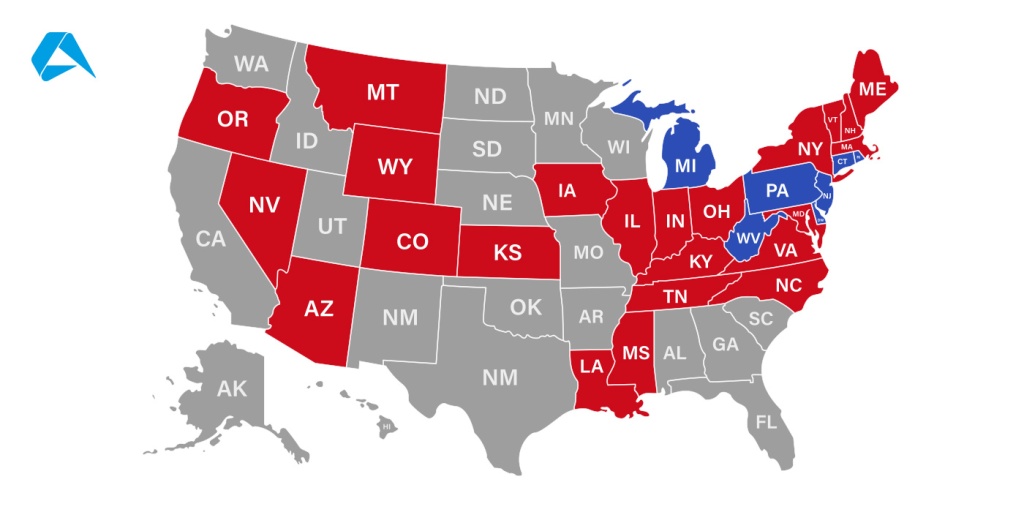
Further afield, for those seeking the ultimate casino experience, Nevada and its famous gaming hub, Las Vegas, remains a perennial favorite. Texans are frequent visitors to Las Vegas, enjoying its world-class resorts, entertainment, and legal sports betting options that are unavailable at home. This travel pattern highlights a significant outflow of potential revenue from Texas to other states, a point often raised in legislative debates.
Tourism and Economic Potential
The current situation begs the question: what if Texas were to legalize and regulate online gambling, or even land-based casinos? Proponents argue that doing so would unlock substantial economic benefits. Tax revenues from a regulated online gambling market could provide a significant boost to state coffers, potentially funding public services or reducing the tax burden on citizens. This revenue currently flows out of state to places like Oklahoma and Louisiana, or to unregulated offshore sites.
Beyond tax revenue, the legalization of gambling, especially if it included integrated resorts (large-scale casino-hotels), could spur job creation in the hospitality, tourism, and entertainment sectors. Imagine luxury resorts along the Gulf Coast or in major metropolitan areas, offering not just gaming but also high-end hotels, convention centers, restaurants, and entertainment venues. Such developments would dramatically enhance Texas’s appeal as a travel destination, attracting tourists who might otherwise bypass the state in favor of gambling-friendly locales. This vision directly aligns with the “Travel,” “Hotels,” and “Tourism” main topics of the website, suggesting a future where Texas could become a premier destination for a blend of cultural experiences and upscale entertainment. The “Lifestyle” aspect would also be enhanced, offering diverse options for luxury travel and experiences within the state.
The Future of Gambling Legislation in Texas
The debate over expanding gambling in Texas is not new, but it has gained significant momentum in recent years. As more states legalize various forms of gambling, Texas finds itself increasingly isolated in its strict stance, with substantial economic arguments being made for reform.
Recent Legislative Efforts and Challenges
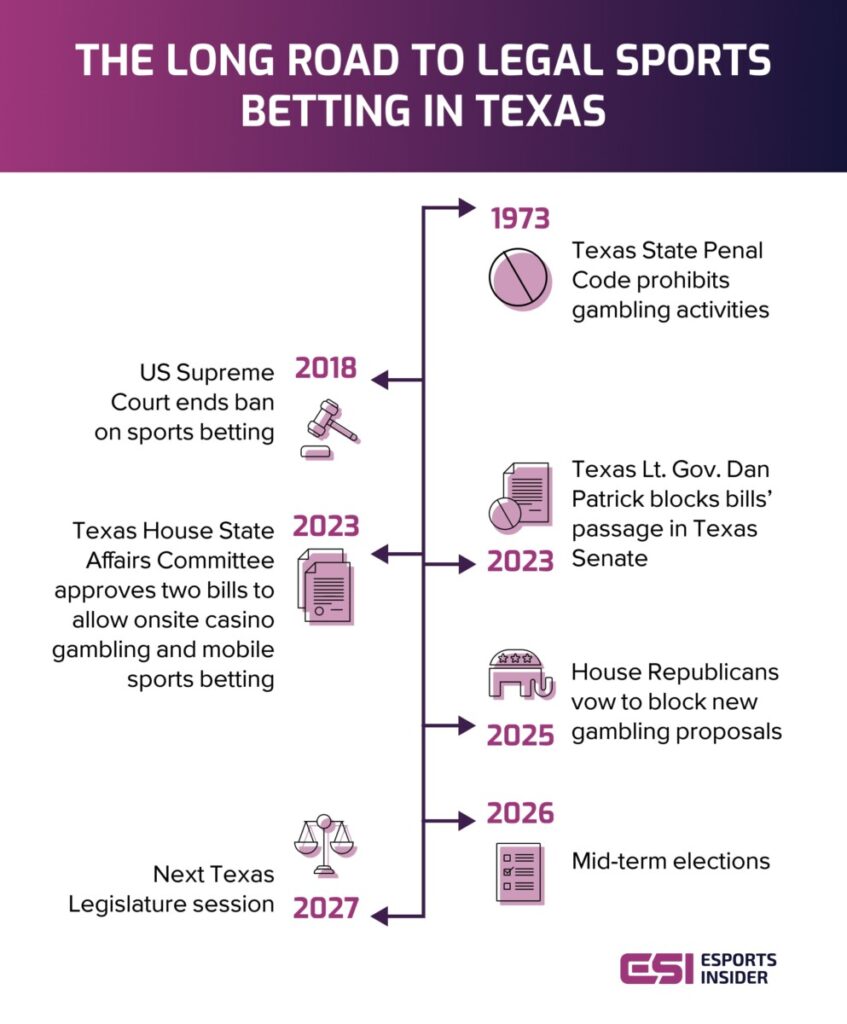
In almost every legislative session, bills are introduced in the Texas Legislature to expand gambling. These proposals often include legalizing land-based casinos, sports betting, and sometimes, online casino gaming. Proponents, often backed by powerful casino operators and business interests, highlight the potential for billions in new tax revenue, job creation, and keeping entertainment dollars within the state. Major cities like Houston, Dallas, San Antonio, and Austin are often cited as prime locations for potential integrated resorts.
However, these efforts consistently face strong opposition from conservative groups, religious organizations, and some lawmakers who raise concerns about the social costs of gambling, including addiction, crime, and potential negative impacts on families and communities. The political landscape in Texas is such that any significant expansion of gambling would likely require a constitutional amendment, meaning it would need approval by a two-thirds vote in both legislative chambers and then by Texas voters in a statewide referendum. This high bar makes legislative success challenging, despite growing public interest and the economic incentives.
Potential Impact on Texas Tourism and Hospitality
Should Texas ever decide to legalize and regulate online gambling or integrate casino resorts, the impact on its tourism and hospitality sectors would be transformative. Imagine high-end resorts, similar to those found in Macau or Singapore, gracing the Texas landscape. These establishments wouldn’t just be about gambling; they would be full-service entertainment complexes, offering luxury hotels, world-class dining, live performances, spas, and retail. Such developments would elevate Texas’s status as a global travel destination, attracting a new demographic of tourists seeking sophisticated entertainment options.
This expansion would directly benefit the “Hotels,” “Accommodation,” and “Lifestyle” categories of a travel and lifestyle website, providing rich content on luxury suites, unique resort experiences, and integrated entertainment complexes. It would also generate substantial demand for “Travel” guides, detailing how to reach these new landmarks and what to expect from these novel Texas experiences. The introduction of legal sports betting, both online and in physical locations, could also draw in sports enthusiasts, further diversifying the state’s tourism appeal. The debate is not just about gambling, but about shaping the future economic and cultural identity of Texas.
What to Expect Next
The national trend towards gambling legalization continues, putting increasing pressure on states like Texas. Neighboring states like Louisiana and Oklahoma continue to profit from Texans’ desire for legal gaming, while states like Mississippi and Florida also demonstrate the economic viability of a regulated market. The ongoing legislative sessions will undoubtedly see renewed efforts to bring the issue to a head. Public opinion, especially among younger generations, also appears to be shifting, with a growing acceptance of regulated gambling as a legitimate form of entertainment and a source of state revenue.
The outcome will depend on a complex interplay of political will, economic pressures, and social considerations. While online gambling is not explicitly legal in Texas today, the dynamic nature of the debate suggests that the status quo is constantly under review. For now, Texans must navigate the existing grey areas or travel to enjoy legal gaming, but the future may hold a very different hand for the Lone Star State.
In conclusion, the question “Is Online Gambling Legal In Texas?” currently yields a nuanced answer: not explicitly legal, and certainly not regulated, for those operating sites from within the state, but largely ambiguous for individual players using offshore platforms. This creates risks for consumers and a significant economic opportunity cost for the state. As the legislative battles continue, the potential for Texas to embrace a regulated gambling market, including online options, remains a captivating possibility, with profound implications for its economy, tourism, and lifestyle landscape.