
As the landscape of entertainment and leisure evolves, so too do the opportunities for engagement. While the allure of exploring new destinations, indulging in luxurious accommodations, and immersing oneself in diverse cultures remains paramount, a burgeoning interest in the thrill of sports betting has captivated many. For residents and visitors of the great state of Texas, a question frequently arises: is online sports betting legal in Texas? This inquiry, while seemingly straightforward, delves into a complex web of legislation, local ordinances, and the ever-evolving interpretation of existing laws. Understanding this legal framework is crucial for anyone considering participating in such activities, especially when planning a trip or considering where to stay.
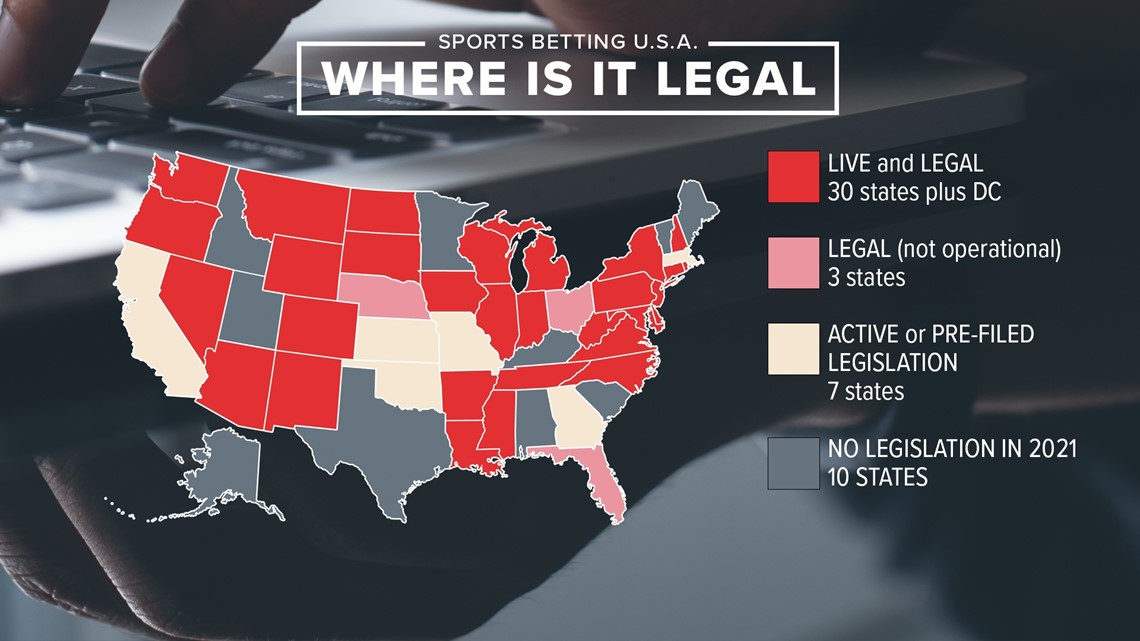
The Lone Star State, known for its independent spirit and robust economy, has historically taken a cautious approach to gambling. Unlike some of its neighboring states, Texas has not yet fully embraced the widespread legalization of online sports betting. This has left many eager participants in a state of uncertainty, constantly seeking clarification on what is permissible and what is not. Our exploration into this topic will illuminate the current legal standing, potential future developments, and how it might intersect with your travel plans, hotel choices, and overall lifestyle experiences within Texas.
The Current Legal Standing of Online Sports Betting in Texas
The core of the issue surrounding online sports betting in Texas lies in its existing gambling laws. Texas operates under a relatively conservative framework, with a strong emphasis on tribal gaming and a limited number of land-based casinos. The state constitution broadly prohibits lotteries and all forms of gambling, with specific exceptions carved out for certain activities, such as the Texas Lottery and horse racing.
The Absence of Explicit Legalization
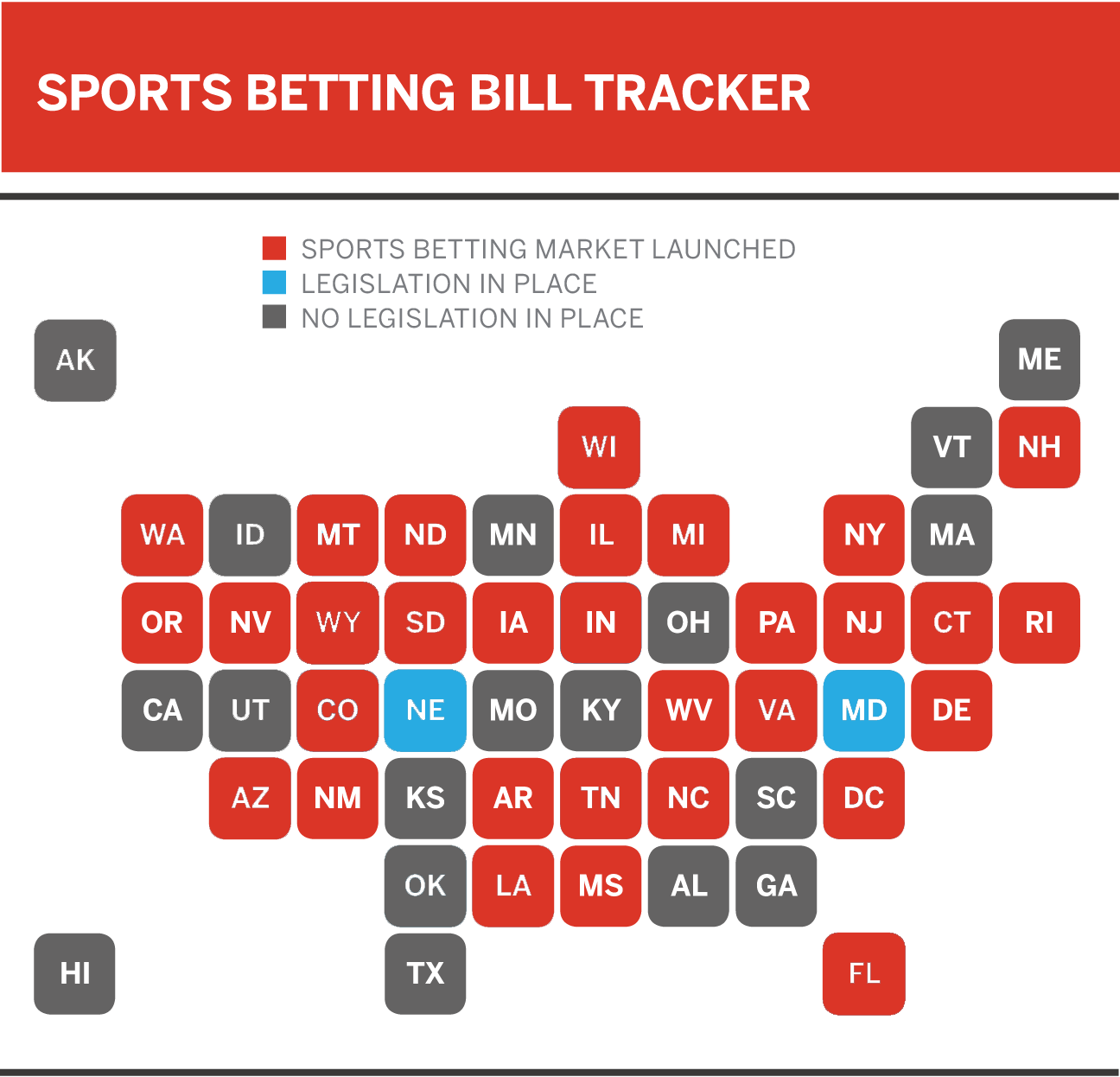
Crucially, Texas law does not contain any provisions that explicitly legalize or regulate online sports betting. This is a significant point of departure from many other states that have actively passed legislation to establish regulated online sports betting markets. In Texas, the absence of such legislation means that operating or participating in unlicensed online sports betting platforms is generally considered to be in a legal gray area, and in many interpretations, illegal.
The Texas Penal Code addresses gambling offenses, defining illegal gambling as wagering money or other valuable things on the outcome of a contest of chance or a future contingent event. While this definition can be broadly applied, the enforcement and interpretation have historically focused on brick-and-mortar operations rather than the digital realm. However, as online platforms become increasingly sophisticated and accessible, the legal scrutiny is likely to intensify.
The Role of Tribal Casinos and Limited Gaming
The legalization of gambling in Texas has primarily been through the authorization of tribal casinos, operating under federal law. These facilities offer casino-style gaming, including slot machines and table games. However, their offerings do not typically extend to online sports betting for patrons outside of their physical premises.
Furthermore, pari-mutuel wagering on horse racing is permitted in Texas, allowing for betting on races held at licensed tracks. While this represents a form of legal sports betting, it is confined to a specific sport and a physical location. The vast majority of online sports betting enthusiasts are looking for the convenience and breadth of options offered by digital platforms, which are not currently licensed and regulated within the state.
The Impact on Travel and Accommodation Choices
For travelers planning a visit to Texas, particularly those interested in sports and perhaps a flutter on their favorite teams, the legal limitations can influence their itinerary and accommodation choices. While cities like Dallas, Houston, and San Antonio offer a wealth of attractions, from the Alamo to world-class museums and vibrant culinary scenes, the absence of legal online sports betting means that such activities cannot be seamlessly integrated into a trip.
Visitors seeking to engage in sports betting may need to consider traveling to neighboring states where it is legal, such as Louisiana or Oklahoma, thereby altering their travel plans and potentially choosing accommodations in those regions. This has implications for the tourism industry in Texas, as potential revenue from sports betting is not being generated within the state. Hotels in Texas, from luxury resorts like the Four Seasons Resort and Club Dallas at Las Colinas to budget-friendly apartments, while catering to a wide array of traveler needs, do not currently offer integrated sports betting services as part of their amenities. The focus remains on traditional leisure and hospitality services.
Potential Future Developments and Legislative Efforts
Despite the current restrictive landscape, there is ongoing discussion and legislative activity surrounding the potential legalization of online sports betting in Texas. The significant tax revenue generated by regulated sports betting markets in other states has not gone unnoticed by lawmakers and stakeholders in Texas.
Legislative Proposals and Debates
Over the past several legislative sessions, various bills have been introduced with the aim of legalizing and regulating online sports betting. These proposals often aim to create a framework for licensing operators, collecting taxes, and ensuring consumer protection. However, these efforts have faced significant hurdles, primarily due to the deeply entrenched conservative views on gambling within the state and the complex constitutional amendments required for such a significant shift.
The debate often involves discussions about how to structure the market, who should be eligible to obtain licenses, and what percentage of revenue should be allocated to the state. Proponents argue that legalization would bring an underground market into the open, generate substantial tax dollars for public services, and create jobs. Opponents, conversely, raise concerns about the potential for increased problem gambling, the impact on traditional forms of entertainment, and the moral implications of expanding gambling opportunities.
The Role of Professional Sports Teams and Casinos
Major professional sports organizations in Texas, including NFL teams like the Dallas Cowboys and Houston Texans, NBA teams such as the San Antonio Spurs, and MLB teams like the Texas Rangers and Houston Astros, have expressed interest in sports betting legalization. Their involvement often stems from potential revenue-sharing agreements and the ability to offer new engagement opportunities for their fan bases.
Casinos, including tribal establishments and those that might be established if further gaming expansion is approved, are also key stakeholders in these discussions. The potential for new gaming venues, alongside the development of regulated online platforms, represents a significant economic opportunity. However, the path to such expansion is fraught with legislative challenges.
Impact on Lifestyle and Entertainment Choices
If online sports betting were to become legal in Texas, it would undoubtedly reshape the lifestyle and entertainment choices for many residents. Individuals who currently utilize offshore or unregulated platforms would have the option to participate in a safe and legal environment. This could lead to increased engagement with local sports teams and a boost for the state’s economy through tax revenues.
For those who enjoy a multifaceted lifestyle, incorporating elements of luxury travel with interests in professional sports and entertainment, the legalization would provide another avenue for enjoyment. Imagine staying at a luxurious resort like The Ritz-Carlton, Dallas, and being able to conveniently place a bet on a Texas Longhorns game or a major sporting event without leaving your suite. This seamless integration of leisure activities is a common aspiration in today’s interconnected world.
Navigating the Nuances: Travel, Accommodation, and Legal Considerations
For travelers and residents alike, understanding the current legal status of online sports betting in Texas is paramount. This knowledge can inform decisions about where to travel, what accommodations to choose, and how to best enjoy the diverse offerings of the state, whether one is a history buff exploring Texas landmarks or a family seeking unique tourism experiences.
Planning Travel with Sports Betting in Mind
If your travel plans to Texas are influenced by an interest in sports betting, it’s essential to be aware of the current legal limitations. While Texas offers incredible destinations, from the natural beauty of the Big Bend National Park to the bustling urban landscape of Austin, those seeking to legally place sports wagers might need to adjust their itinerary. Traveling to states like New Mexico or Colorado, which have legalized online sports betting, could be a consideration for those who wish to combine their Texas exploration with this specific form of entertainment.
For example, a trip that combines visiting the historic San Jacinto Monument with a short excursion to a neighboring state for sports betting might be an option for some. This highlights how legal frameworks in different jurisdictions can shape travel patterns and the demand for specific types of accommodation and experiences.
Choosing Accommodation in a Sports Betting Landscape
When selecting accommodation in Texas, whether it’s a charming boutique hotel in a historic district or a sprawling resort offering extensive amenities, the absence of legal online sports betting doesn’t directly impact the core services. Hotels in Fort Worth, El Paso, or any other Texan city will continue to provide excellent hospitality, fine dining, and comfortable stays.
However, the broader conversation about gaming expansion could, in the future, influence the development of entertainment options within or near hotels. For instance, if sports betting becomes legal, one might see partnerships between hotels and licensed operators, or even dedicated sports lounges within larger resorts. For now, the focus remains on traditional amenities, including world-class restaurants, spas, and well-appointed suites, catering to diverse lifestyle preferences.

Staying Informed and Responsible Engagement
For those interested in the future of online sports betting in Texas, staying informed about legislative developments is key. Websites dedicated to Texas tourism, local culture, and travel guides can provide broader context on the state’s evolving entertainment landscape.
Regardless of the legal status, responsible engagement with any form of gambling is crucial. This includes setting limits, understanding the risks involved, and seeking help if gambling becomes a problem. The lifestyle associated with responsible entertainment seeks balance and well-being, and this principle should extend to any future participation in sports betting. As Texas continues to evolve, so too will the discussions and potential opportunities surrounding this dynamic industry.