
Absolutely, California proudly operates within the Pacific Time Zone, a crucial detail for anyone planning to visit, reside, or conduct business in the Golden State. For travelers eager to explore its diverse landscapes, from the sun-drenched beaches of San Diego to the majestic redwoods of Northern California and the bustling metropolises of Los Angeles and San Francisco, understanding this time zone is more than just a trivial fact; it’s a fundamental aspect of planning, scheduling, and truly immersing oneself in the rhythm of life on the West Coast of the United States.
The question of California’s time zone often arises for international visitors or those traveling from other parts of the United States where time differences can be significant. This article will delve into the intricacies of time zones, specifically focusing on the Pacific Time Zone, its implications for travel and tourism in California, and practical tips for navigating time differences to ensure a seamless and enjoyable experience. Whether you’re seeking luxury accommodation in Beverly Hills, an adventurous family trip to a national park, or a budget-friendly city exploration, time is a constant companion in your journey.
Understanding Time Zones: A Global Perspective
To fully appreciate California’s place in the global timekeeping system, it’s essential to grasp the concept of time zones themselves. These uniform regions of the Earth that observe a uniform standard time for legal, commercial, and social purposes are a direct result of our planet’s rotation and the need for a standardized approach to synchronize activities across vast geographical areas.
The Coordinated Universal Time (UTC) Standard
At the heart of the world’s time zones lies Coordinated Universal Time (UTC). This is the primary time standard by which the world regulates clocks and time. It is essentially the modern successor to Greenwich Mean Time (GMT) but is more precisely defined through atomic clocks. All other time zones are expressed as positive or negative offsets from UTC. For instance, a time zone might be UTC-5, meaning it is five hours behind UTC, or UTC+8, meaning it is eight hours ahead. This system provides a consistent global reference, crucial for international travel, communication, and business.
Major Time Zones Across North America
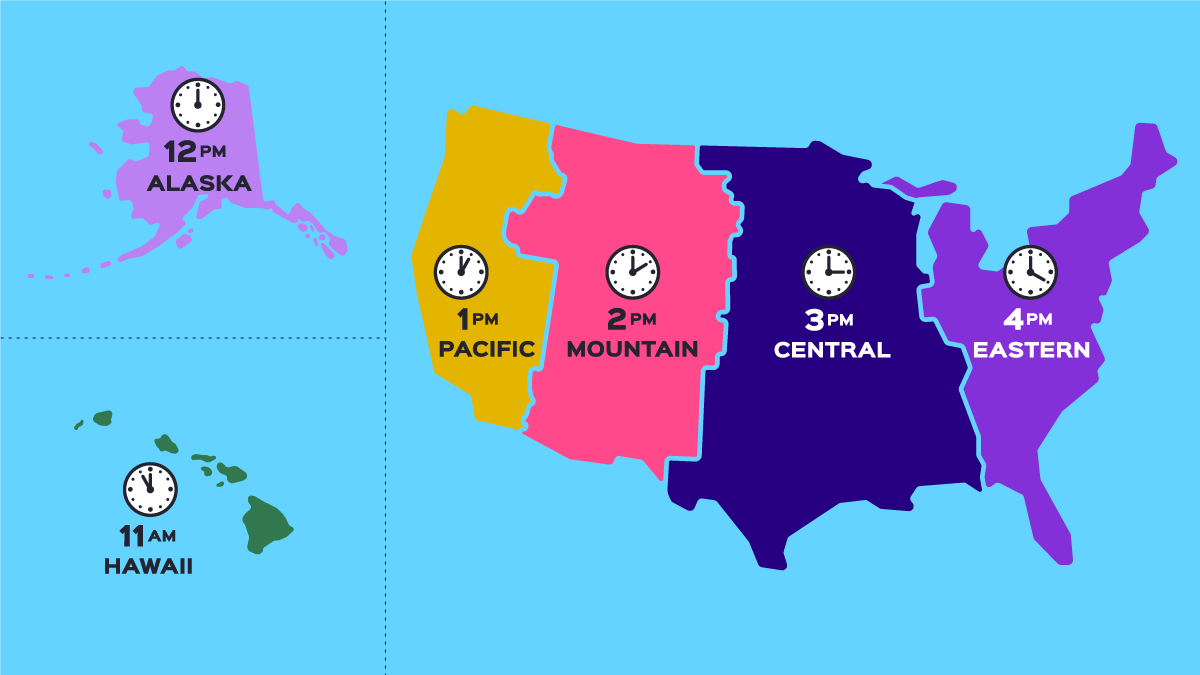
North America is a vast continent, spanning multiple degrees of longitude, and consequently, it encompasses several major time zones. From east to west, the contiguous United States observes four primary standard time zones:
- Eastern Time (ET): UTC-5 (e.g., New York City, Florida)
- Central Time (CT): UTC-6 (e.g., Chicago, Texas)
- Mountain Time (MT): UTC-7 (e.g., Denver, Arizona – though much of Arizona does not observe Daylight Saving Time)
- Pacific Time (PT): UTC-8 (e.g., California, Nevada, Washington, Oregon)
Beyond these, Alaska and Hawaii have their own distinct time zones, Alaska Time (UTC-9) and Hawaii Time (UTC-10), respectively, further illustrating the vastness of the American landscape and the necessary divisions in time. Similarly, Canada and Mexico also share parts of these time zones and have their own regional variations.
California and the Pacific Time Zone (PT)
At the heart of our discussion is the firm establishment of California within the Pacific Time Zone. This is a consistent and unwavering fact that underpins daily life and all tourist activities throughout the state.
What is Pacific Time (PT)?
During standard time, Pacific Time is observed as Pacific Standard Time (PST), which is UTC-8. This means that when it is noon UTC, it is 4 AM in California during PST. This eight-hour difference from the global standard can feel substantial, especially for international travelers crossing many meridians. For instance, if you’re flying from London (GMT/UTC), you’re looking at an eight-hour time difference that requires careful adjustment.
Daylight Saving Time in the Golden State
Like most of the United States, California observes Daylight Saving Time (DST). This means that on the second Sunday in March, clocks “spring forward” one hour, shifting California from Pacific Standard Time (PST) to Pacific Daylight Time (PDT). During PDT, the offset becomes UTC-7. The change back to PST occurs on the first Sunday in November when clocks “fall back” one hour.
This shift means more daylight hours in the evening during the warmer months, perfect for sightseeing, enjoying outdoor attractions like the Santa Monica Pier at sunset, or extending your exploration of the Napa Valley wineries. However, it’s a crucial detail for travelers to remember, as it can affect flight schedules, tour timings, and even hotel check-in/check-out times if not accounted for. Always confirm whether you’re dealing with PST or PDT when making plans, especially if your trip spans these transition dates.

Navigating Time Zones: Essential Travel Tips for California
Understanding California’s time zone is just the first step. For a truly smooth travel experience, knowing how to manage the effects of time differences is paramount. From overcoming jet lag to meticulously planning your itinerary, these tips will help you maximize your time in the Golden State.
Beating Jet Lag: A Traveler’s Best Friend
Jet lag is the bane of many long-haul travelers, and crossing multiple time zones to reach California can certainly induce it. The key is to prepare your body and mind for the new rhythm.
- Pre-adjust: If possible, start adjusting your sleep schedule a few days before your trip by going to bed and waking up earlier or later, depending on the direction of your travel.
- Hydrate: Drink plenty of water before, during, and after your flight. Dehydration exacerbates jet lag symptoms.
- Avoid excessive alcohol and caffeine: While tempting, these can disrupt your sleep cycle further.
- Embrace natural light: Upon arrival in California, expose yourself to sunlight, especially in the morning. This helps reset your circadian rhythm. Take a stroll along the beach in Malibu or enjoy breakfast outdoors in San Francisco.
- Sleep strategy: Try to stay awake until evening local time, even if you’re exhausted. A power nap of 20-30 minutes can help, but avoid long naps that might delay adjustment.
- Comfortable Accommodation: Investing in a comfortable hotel or resort, whether a luxurious suite in The Ritz-Carlton or a boutique hotel in Palm Springs, can significantly aid recovery. A dark, quiet room with good bedding is invaluable for resetting your sleep cycle.
Planning Your Itinerary: From San Francisco to San Diego
Accurate time zone awareness is critical for effective itinerary planning.
- Flight and Tour Bookings: Always double-check flight times in relation to the local time zone of your departure and arrival airports. Similarly, when booking attractions, tours, or dinner reservations, confirm the time zone being used. A trip to Disneyland in Orange County or Universal Studios Hollywood in Los Angeles requires precise timing to avoid missing out.
- Internal Travel: While California itself is within one time zone, traveling across its vast expanse can still take significant time. For example, driving from San Francisco to San Diego could take a full day. Factor in these travel times, ensuring your schedule doesn’t become overly ambitious.
- Communication: If you need to stay in touch with family, friends, or colleagues in different time zones, use a world clock app. This is especially important for business travelers on extended stays in Silicon Valley or Sacramento.
The Impact of Time Zones on California Tourism and Lifestyle
The Pacific Time Zone isn’t just a technical detail; it shapes the very fabric of life, business, and leisure in California, influencing everything from television schedules to the timing of major events.
Business and Broadcast Implications
California’s position as a global leader in technology, entertainment, and agriculture means its time zone has broader implications.
- Business Hours: For businesses with national or international clients, the time difference dictates when meetings can be scheduled and when peak communication hours occur. A 9 AM meeting in New York City is a 6 AM start for someone in Los Angeles, while a 5 PM meeting in London is a 9 AM meeting in California during PDT. This requires strategic planning for business travelers and those involved in global trade or tech.
- Entertainment and Media: Hollywood‘s influence means that major television broadcasts and live events often have staggered schedules to accommodate different time zones across the United States. This is why you might see “tune in at 8/7 Central” in promotions. For residents and visitors, this means being aware of local broadcast times for their favorite shows or live sporting events.
Daily Life and Local Culture
The Pacific Time Zone also subtly influences the local culture and daily routines.
- Dining and Nightlife: Due to the later sunsets afforded by its westernmost position in the contiguous United States and Daylight Saving Time, outdoor dining and evening activities can often extend later into the night, especially in vibrant cities like Los Angeles and San Francisco. From enjoying a late-night stroll at Balboa Park in San Diego to experiencing the bustling food scene in Portland, the longer evenings are a boon for tourism.
- Morning Activities: Conversely, the mornings can feel quite early for those not accustomed to PT, particularly if you’re an early riser from the East Coast. However, this also means spectacular sunrises over natural wonders like Yosemite National Park or serene beach mornings perfect for surfing in San Clemente.
- The “West Coast Vibe”: There’s a certain relaxed pace often associated with the West Coast, which can be partially attributed to the time zone difference. It often feels like the rest of the country is already well into their workday by the time California is just getting started, contributing to a unique lifestyle that many find appealing.
Beyond Time: Experiencing California’s Diverse Offerings
While understanding California’s time zone is crucial for logistical planning, it merely sets the stage for the incredible experiences that await. The state’s appeal transcends its temporal setting, offering a tapestry of attractions, accommodations, and adventures for every type of traveler.
Iconic Landmarks and Natural Wonders
California is a treasure trove of iconic landmarks and breathtaking natural wonders, many of which are best experienced with careful time planning.
- Golden Gate Bridge: A sunrise visit offers stunning views and fewer crowds, making the early wake-up worth it.
- Hollywood Walk of Fame: Explore it in the morning to beat the heat and the busiest crowds, or in the evening to soak in the vibrant Hollywood nightlife.
- National Parks: Yosemite National Park, Sequoia National Park, and Death Valley National Park offer unparalleled natural beauty. Planning your hikes or scenic drives to avoid the midday sun in hotter regions like Death Valley is essential, especially when considering the longer daylight hours of PDT.
- Coastal Drives: A road trip along Highway 1 from Big Sur to Santa Barbara is best enjoyed with ample daylight, allowing time for spontaneous stops at scenic overlooks.
World-Class Accommodation and Culinary Delights
California’s reputation for luxury travel, diverse lifestyle options, and exquisite cuisine is well-deserved, offering something for every budget and taste.
- Luxury Stays: From the opulent suites of Waldorf Astoria Beverly Hills to exclusive resorts in Lake Tahoe or Palm Springs, the state excels in providing top-tier accommodation. Booking these often requires awareness of peak seasons and their impact on pricing, which can be indirectly related to the extended daylight hours many travelers seek during DST.
- Budget-Friendly Options: For those on a budget, apartments and vacation villas offer excellent value, especially for longer stays. Many areas also provide a range of affordable hotels and hostels, ensuring California travel is accessible to all.
- Culinary Experiences: California’s farm-to-table movement, diverse ethnic cuisines, and world-renowned wineries in Napa Valley and Sonoma promise unforgettable dining experiences. Time your reservations carefully, especially for popular establishments, keeping in mind that prime dinner times will align with Pacific Time.
- Activities for All: Whether it’s a family trip to a theme park, a romantic getaway, or a solo adventure, California’s tourism sector caters to every whim. Understanding the time zone ensures you’re never caught off guard, allowing you to seamlessly transition from an early morning surf session to an evening cultural event.
In conclusion, yes, California is definitively in the Pacific Time Zone. This fundamental piece of information, coupled with an understanding of Daylight Saving Time and practical strategies for managing time differences, forms the bedrock of a well-planned and thoroughly enjoyable journey to the Golden State. Embrace the Pacific Time rhythm, and you’ll unlock a world of exploration, relaxation, and unforgettable memories in one of the most vibrant and diverse destinations on Earth.