
Planning a trip to the bustling metropolis of Chicago, Illinois, often involves considering various logistical aspects, especially for those venturing by car. One question that frequently arises for visitors and locals alike, particularly regarding weekend excursions or leisure activities, is whether parking is free on Sundays. The allure of a free parking spot, especially in a major city, can significantly impact a travel budget or simply make a day out more convenient. Unfortunately, the straightforward answer to “Is parking free on Sundays in Chicago?” is largely no, but it’s a nuanced “no” with specific exceptions and important considerations that every driver should understand.
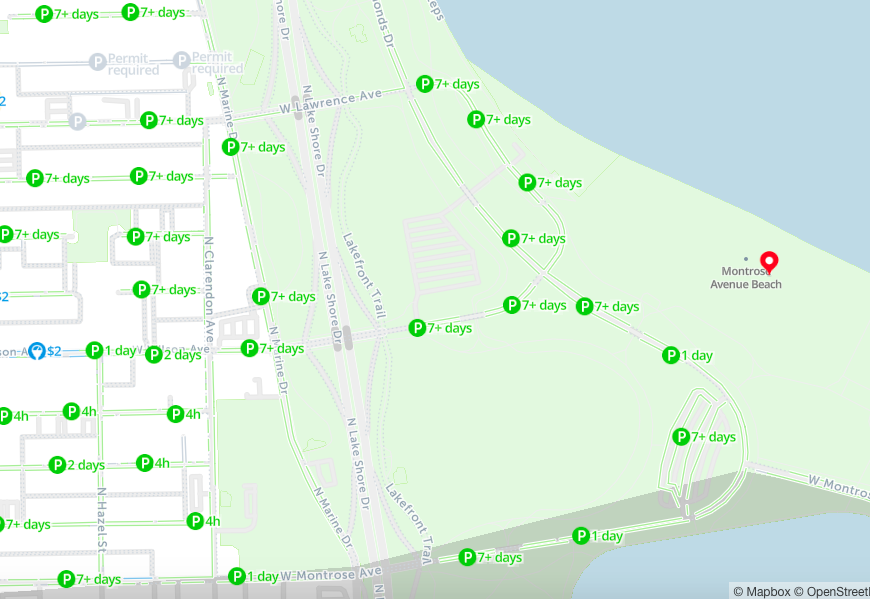
For many years, it was a common practice in Chicago for street parking meters to be inactive on Sundays. This led to a widespread belief that Sunday parking was universally free across the city. However, this policy underwent a significant change in 2012 when the city implemented an ordinance requiring payment for metered street parking seven days a week, including Sundays and holidays. This shift was part of an effort to generate additional revenue and manage traffic flow more effectively, impacting countless drivers who previously relied on free Sunday parking. Therefore, if you spot a parking meter on a Sunday in Chicago, assume it is operational and requires payment unless otherwise explicitly stated by signage.
The Nuance of Sunday Parking in Chicago
While the blanket rule is that metered parking is active, Chicago’s parking regulations are complex and can vary significantly depending on the specific neighborhood, street, and even time of day. Navigating these rules successfully requires a keen eye for signage and a bit of prior research, especially if you’re visiting for tourism or exploring local culture. Understanding these intricacies is key to avoiding costly parking tickets and ensuring a smooth, enjoyable travel experience.
Metered Parking: A Common Misconception
The most significant change for Sunday drivers in Chicago was the activation of parking meters every day of the week. This means that, for the vast majority of street parking spots controlled by meters, you will need to pay. The rates and hours of operation for these meters can vary. In popular areas like Downtown Chicago or the Loop, meters typically operate well into the evening, even on Sundays. Payment can usually be made via pay-and-display machines that accept credit cards or coins, or through mobile apps like ParkChicago, which allow you to pay and extend your parking session remotely.
However, there are still some limited instances where metered parking might be free on Sundays. These are typically rare and specific to certain low-demand streets or neighborhoods, often marked with explicit signage indicating “No Payment Required on Sundays.” These exceptions are not the norm, so it’s crucial to always check the posted signs. Never assume a meter is inactive without clear confirmation. The Department of Finance rigorously enforces parking regulations, and tickets for expired meters or non-payment are common and expensive. For a visitor exploring Chicago’s attractions, an unexpected parking fine can quickly sour an otherwise delightful trip.
Residential Parking Zones: Navigating Local Rules
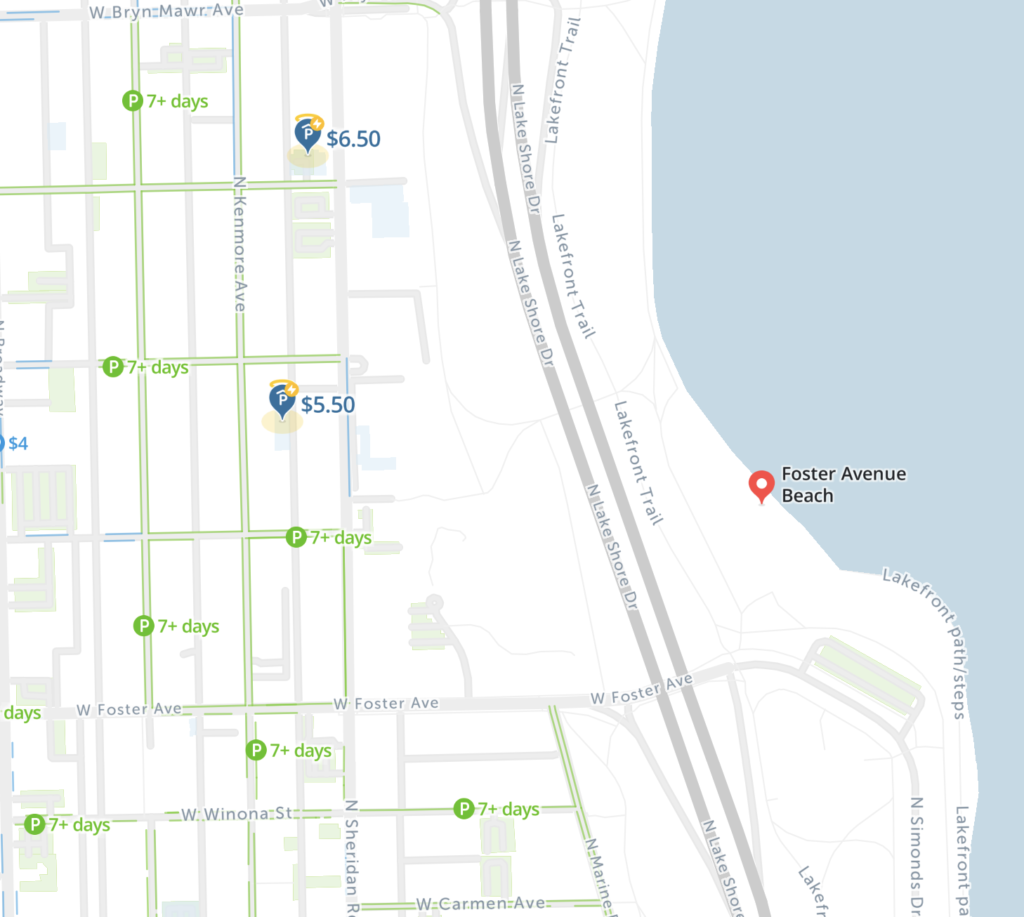
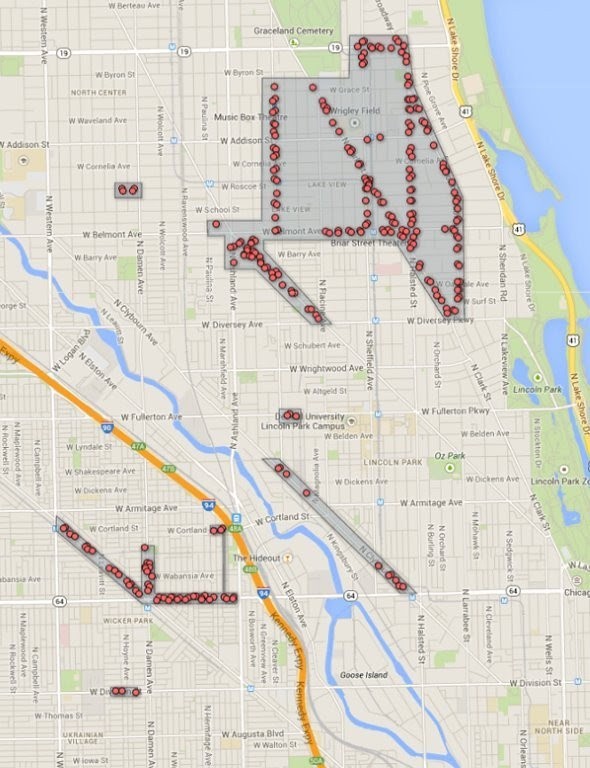
Beyond metered parking, Chicago has extensive residential parking zones. These areas are designated to prioritize parking for local residents, who purchase special parking permits for their vehicles. If you see signs indicating “Residential Parking Zone” or “Permit Parking Only,” be extremely cautious. Non-permit holders are generally prohibited from parking in these zones, or they may be restricted to very short time limits (e.g., 2 hours) even on Sundays. The rules in residential zones are often enforced just as strictly, if not more so, than metered zones, particularly near popular landmarks or vibrant neighborhoods like Lincoln Park, Wicker Park, or the Gold Coast.
It’s common for these residential zones to have different rules for different days and times. Some might allow non-permit holders to park for free on Sundays, but only after certain hours or with a strict time limit. Others may require a permit 24/7. Always read all the signs on the street to understand the specific restrictions. Overlooking a small detail can lead to a ticket or, worse, your vehicle being towed. For tourists navigating these areas, it’s often safer and less stressful to opt for a paid parking garage or public transportation rather than risking a residential street spot.
Special Event Parking and High-Demand Areas
Chicago is a city that thrives on events, especially on weekends. From major sporting events at Soldier Field or the United Center to festivals in Grant Park or concerts in Wrigleyville, these occasions dramatically impact parking availability and pricing. On Sundays when a major event is taking place, parking in the vicinity will be extremely challenging and often significantly more expensive. Many private lots and garages will switch to “event parking” rates, which can be multiples of their standard daily rates.
Furthermore, temporary parking restrictions, such as “No Parking” zones, “Tow Zone” designations, or altered traffic flow, are frequently implemented around event venues. These changes are usually well-signed but can appear suddenly. If you plan to attend an event on a Sunday, it is highly advisable to research parking options well in advance and consider public transportation or ride-sharing services as your primary mode of transit. This strategy aligns with a smart travel lifestyle, reducing stress and often saving money compared to battling for an expensive spot near a crowded venue.
Beyond the Meter: Alternative Parking Solutions and Transportation
Given the complexities and costs associated with street parking in Chicago on Sundays, exploring alternative solutions is a wise move for any traveler or local. Chicago’s robust infrastructure offers several convenient options that can enhance your visit, whether you’re focused on sightseeing, experiencing local culture, or simply enjoying a relaxing Sunday.
The Convenience of Parking Garages and Lots
For peace of mind and guaranteed spots, parking garages and lots are often the most reliable option, especially in high-traffic tourist areas like the Loop, River North, or Streeterville. While not free, they offer security and clear pricing structures, preventing the headache of deciphering street signs or worrying about tickets. Many Chicago Parking Garages offer Sunday specials or early bird rates. It’s often possible to find cheaper rates by booking your spot in advance through apps like SpotHero or ParkWhiz. These platforms allow you to compare prices, view locations, and reserve a spot hours or even days ahead of time, often at a significant discount compared to drive-up rates.
Booking ahead is particularly recommended if you plan to visit popular landmarks such as Millennium Park, the Art Institute of Chicago, or Navy Pier. This strategy is especially beneficial for budget-conscious travelers or families on a trip, as it provides cost certainty and saves valuable time that would otherwise be spent searching for parking. Many hotels, especially larger Hyatt Regency Chicago or Palmer House Hilton offer valet parking or have their own garages, which can be convenient for guests, though usually at a premium price.
Embracing Chicago’s Public Transportation System
One of the most effective and eco-friendly ways to navigate Chicago on a Sunday, or any day, is to utilize its extensive public transportation system. The Chicago Transit Authority (CTA) operates an efficient network of elevated trains (the “L”) and buses that reach virtually every corner of the city, including all major landmarks and tourist attractions. Riding the “L” offers a unique perspective of the city’s architecture and vibrant neighborhoods. The CTA is particularly convenient for those staying in hotels outside the immediate downtown Chicago area or for travelers who prefer to minimize their car usage.
A Sunday pass or a multi-day pass for the CTA is often more cost-effective than daily parking fees, especially if you plan to visit multiple sites across the city. The “L” lines, such as the Red Line or Blue Line, provide direct access to destinations like Wrigleyville, O’Hare International Airport, and the Museum Campus which houses the Field Museum, Shedd Aquarium, and Adler Planetarium. For a relaxed Sunday exploring Chicago’s local culture and famous places, relying on the CTA is a smart choice for tourists and locals alike, aligning perfectly with a budget-conscious lifestyle.
Ride-Sharing and Taxis: Seamless City Navigation
For those who prefer door-to-door convenience without the hassle of parking, ride-sharing services (like Uber and Lyft) and traditional taxis are readily available in Chicago. On Sundays, especially during peak tourist hours or after events, surge pricing might apply, but for shorter distances or when traveling in a group, it can still be a competitive option compared to the combined costs of parking and potential fines.
This option is particularly appealing for travelers focused on luxury travel or those with limited mobility, providing a seamless transition between accommodation and destination. It eliminates the need to worry about the car entirely, allowing you to fully immerse yourself in the Chicago experience, from fine dining in the West Loop to exploring art galleries.
Planning Your Sunday Visit to Chicago: Tips for Travelers
Making the most of your Sunday in Chicago involves strategic planning, especially concerning transportation and parking. Whether you’re a first-time tourist or a seasoned visitor, these tips can help you navigate the city efficiently and enjoyably, optimizing your travel experience.
Researching Your Destination’s Specifics
Before you embark on your Sunday adventure, always conduct a quick online search for parking information specific to your destination. Many popular landmarks, museums, or attractions in Chicago will have dedicated sections on their websites detailing nearby parking options, whether it’s an affiliated garage, validated parking, or public transportation recommendations. For example, if you’re visiting the Lincoln Park Zoo, their website will provide information about their parking lot and surrounding street parking rules. This pre-trip research is an invaluable aspect of modern travel planning, preventing last-minute stress and unexpected costs.
Consider the time of day you plan to visit. Early mornings on Sundays might offer slightly better street parking availability in some areas before the crowds descend, though meter payment will still likely be required. For evening activities, be mindful of extended meter hours and potential event parking surges.
Maximizing Your Chicago Experience on a Budget
For budget travelers, understanding Chicago’s parking landscape is crucial. While free street parking on Sundays is largely a myth, smart planning can still keep costs down.
- Park and Ride: If you’re driving into the city from the suburbs, consider utilizing Metra train stations that offer parking facilities. You can park your car at a suburban station and take the Metra commuter rail directly into the Loop, avoiding city traffic and parking altogether.
- Public Transit Focus: As mentioned, relying heavily on the CTA can be a significant money-saver. Plan your itinerary around “L” stops and bus routes. A single fare or a Ventra card (Chicago’s transit payment system) can get you far.
- Walkability: Many of Chicago’s vibrant neighborhoods are highly walkable. Once you park your car (or arrive via public transit), you might find that many attractions are within easy strolling distance. The Chicago Riverwalk, for instance, connects several downtown Chicago points of interest.
- Bike Share: For active travelers, Divvy Bikes, Chicago’s bike-sharing program, offers an excellent way to cover short to medium distances, especially on pleasant Sundays. This offers a different kind of lifestyle experience, blending exercise with sightseeing.
Staying Smart: Accommodation and Parking Considerations
When booking accommodation in Chicago, especially if you plan to have a car, investigate the parking options offered by your chosen hotel, resort, or apartment. Many hotels provide guest parking, often for an additional daily fee that can range from $30 to $70+. While expensive, this often offers convenience and security, and it might be a more predictable cost than continuously paying meters or searching for garages. Some hotels, particularly boutique options like The Langham Chicago or Viceroy Chicago, or larger chains like Four Seasons Hotel Chicago or The Peninsula Chicago, include parking in specific luxury travel packages.
For longer stays, or if you’re considering an apartment rental, look for options that explicitly state they include parking. This could significantly reduce your overall expenses and simplify your visit. Comparing parking costs with public transportation costs when selecting your accommodation is a critical step in effective travel planning for Chicago.
Exploring Chicago’s Iconic Landmarks and Attractions on Sundays
Sundays are fantastic days to explore Chicago’s world-class landmarks and vibrant attractions. While parking requires careful consideration, the city’s cultural richness is well worth the effort.
Millennium Park and The Art Institute of Chicago
Start your Sunday morning at Millennium Park, home to the iconic Cloud Gate, affectionately known as “The Bean.” Parking garages underneath Millennium Park and Grant Park offer convenient access but can be pricey. A short walk from Millennium Park will bring you to the esteemed Art Institute of Chicago, one of the oldest and largest art museums in the United States. Both are excellent examples of Chicago’s architectural and artistic prowess, making them must-visits for tourism.
Navy Pier and Museum Campus
Another popular Sunday destination is Navy Pier, offering family-friendly attractions, dining, and scenic views of Lake Michigan. There are several parking garages on or near the pier, but they fill up quickly and are expensive. Alternatively, head south to the Museum Campus, home to the Field Museum, Shedd Aquarium, and Adler Planetarium. While each offers its own parking, navigating between them is best done on foot or by shuttle once you’ve parked. For an elevated view of the entire city, consider visiting the Willis Tower (Skydeck) or 360 Chicago at the former John Hancock Center – both offer nearby garage parking.
Shopping on the Magnificent Mile
If your Sunday plans include retail therapy, the Magnificent Mile offers world-class shopping, dining, and luxury hotels. Street parking here is virtually non-existent and often prohibited, making nearby parking garages or public transportation the only viable options. For those enjoying a luxury travel lifestyle, many upscale hotels along this stretch, such as The Peninsula Chicago or Four Seasons Hotel Chicago, offer valet services for their guests, albeit at a premium.
In conclusion, while the dream of free Sunday parking in Chicago largely remains in the past, a well-informed approach ensures that parking doesn’t detract from your enjoyment of this magnificent city. By understanding the regulations, considering alternative transportation, and planning ahead, you can navigate Chicago seamlessly and fully immerse yourself in its rich culture, stunning landmarks, and unforgettable experiences, whether you’re traveling on a budget or indulging in a luxurious getaway.