
For many travelers, the joy of exploring a new destination is inextricably linked to its culinary landscape. Food isn’t just sustenance; it’s a gateway to local culture, a shared experience, and an adventure for the senses. Yet, for a significant portion of the global population, dietary restrictions rooted in faith play a crucial role in shaping their gastronomic journey. Among these, the concept of Halal — permissible according to Islamic law — is paramount for Muslim travelers. This often leads to specific questions about popular food chains that might be encountered during international or domestic trips. One such recurring query often surfaces around the beloved fried chicken chain: “Is Popeyes Louisiana Kitchen Halal?”
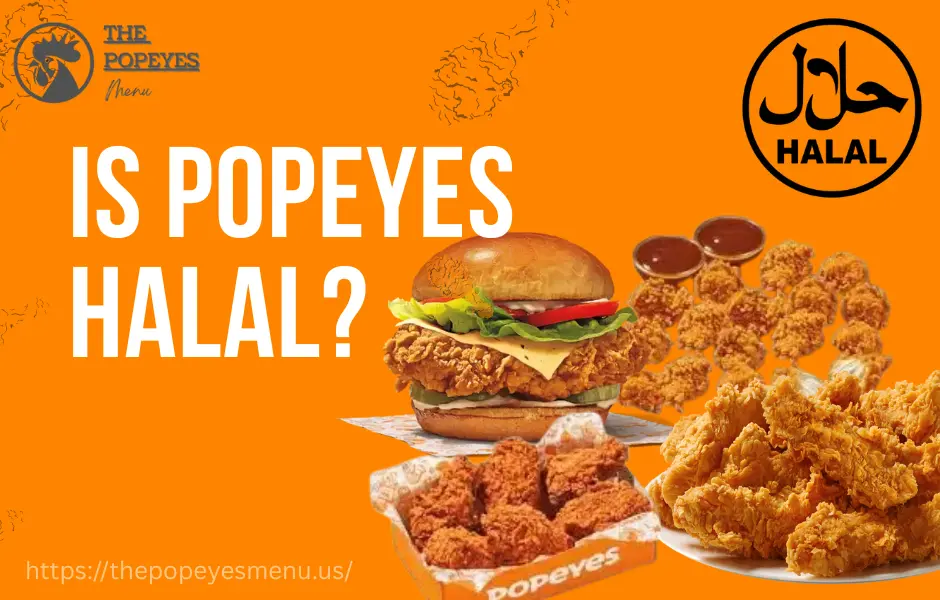
Delving into this question is more than just a simple yes or no; it’s an exploration of the complexities of global food sourcing, preparation standards, and the diverse needs of the modern traveler. For those who prioritize Halal food, understanding the nuances of a restaurant’s offerings is essential for a worry-free and enjoyable travel experience. This article will navigate the specifics of Popeyes’ Halal status, offer insights into why such questions are vital for Muslim travelers, and provide a broader guide to confidently making informed food choices no matter where your adventures take you. From bustling cityscapes to serene resorts, the pursuit of delicious and permissible food is a fundamental aspect of lifestyle travel, bridging the gap between faith and the thrill of discovery.
Understanding Halal: A Culinary and Cultural Journey for Travelers
The term “Halal” is an Arabic word meaning “permissible” or “lawful.” In the context of food, it refers to items that are prepared according to Islamic dietary laws, as outlined in the Quran and the teachings of the Prophet Muhammad. This goes beyond simply avoiding pork and alcohol; it encompasses a comprehensive set of rules regarding how animals are raised, slaughtered (known as Zabiha), and how food is processed, stored, and served. For meat to be Halal, it must come from an animal that has been slaughtered by a Muslim, who pronounces the name of God over the animal, ensuring the animal is healthy and has been treated humanely, and that the blood is completely drained.
For Muslim travelers, adhering to Halal principles is not merely a dietary preference but a matter of religious observance and spiritual well-being. This adherence impacts every aspect of their tourism journey, from selecting destinations and accommodation to planning activities and, most significantly, choosing where to eat. The challenge often lies in the globalization of food chains and the varying interpretations and certifications of Halal across different countries and cultures. What might be considered Halal in one region may not meet the strict criteria in another, creating a need for vigilance and informed decision-making.
The pursuit of Halal food also connects travelers to local cultures and communities. In many Muslim-majority countries, finding Halal food is effortless, as it’s the default. However, in non-Muslim majority regions, it requires more deliberate effort, leading travelers to explore specific neighborhoods, seek out ethnic eateries, or consult local Muslim communities. This quest itself can become an enriching part of the travel experience, fostering connections and deepening understanding of diverse culinary traditions. Furthermore, the rise of “Halal tourism” as a distinct segment of the travel industry reflects a growing recognition of these specific needs, leading to more tailored services and offerings designed to cater to the discerning Muslim traveler.
The Popeyes Conundrum: Is Louisiana Kitchen Halal?
The question of whether Popeyes Louisiana Kitchen, a renowned fast-food chain celebrated for its distinctive Louisiana-inspired fried chicken, is Halal is frequently posed by Muslim travelers worldwide. The answer, unfortunately, is not a straightforward ‘yes’ for most of its global operations, particularly within North America and many Western markets.
Deciphering Popeyes’ Stance on Halal
Generally, Popeyes does not claim or market its products as Halal-certified in its primary markets like the United States or Canada. The chain, like many large international fast-food brands, operates on a scale that makes universal Halal certification incredibly complex due to varied sourcing, supply chains, and preparation methods. While some individual franchisees might attempt to source Halal meat or implement Halal-friendly practices, this is typically not a corporate-mandated standard and would not be universally guaranteed across all locations.
The official stance often emphasizes that their products contain pork and alcohol in certain items (like the biscuits which may contain lard, or certain sauces with alcohol-based flavorings), and that cross-contamination is a significant concern given shared fryers and preparation surfaces. This means that even if chicken were sourced from a Halal supplier, the risk of non-Halal components coming into contact with it during cooking and serving would compromise its Halal status.
It is crucial to note that the situation can differ significantly in certain international markets, particularly in Muslim-majority countries or regions with large Muslim populations. For example, some Popeyes franchises in the Middle East, Southeast Asia, or other specific locations may indeed be fully Halal-certified. These international branches often operate under different local regulations, supply chains, and management, allowing them to adhere to specific Halal standards and obtain certification from recognized Halal authorities. Therefore, a traveler seeking Halal Popeyes would need to verify the specific certification status of the individual branch they are visiting, ideally through official signage or direct inquiry, rather than assuming it based on the brand name alone.
The Ingredients and Preparation Process
The primary concern for Halal diners at Popeyes stems from several key areas:
- Meat Sourcing: In non-Halal certified regions, the chicken used by Popeyes is typically not sourced from Zabiha Halal slaughterhouses. This is the foundational requirement for any meat to be considered Halal.
- Frying Oils: While Popeyes uses vegetable oil for frying in many regions, the use of shared fryers for different products is a common issue. If non-Halal items (such as pork products or chicken that is not Zabiha) are fried in the same oil or fryers, it renders the oil and anything subsequently cooked in it non-Halal due to cross-contamination.
- Other Ingredients: Some side dishes, sauces, or even the batter for the chicken might contain non-Halal ingredients, either directly (like animal-derived shortening in biscuits) or indirectly (flavorings with alcohol).
- Cross-Contamination: Even if a specific menu item could theoretically be Halal, the reality of a fast-food kitchen involves shared surfaces, utensils, gloves, and preparation areas. This makes it challenging to guarantee that Halal food will not come into contact with non-Halal substances, a critical consideration for strict adherence to Halal standards.
For these reasons, most Halal-conscious travelers are advised to exercise caution when considering Popeyes Louisiana Kitchen outside of specifically certified international locations. It underscores the broader challenge of navigating food choices in a globalized culinary landscape.
Navigating Halal Dining on Your Travels: Tips and Strategies
Embarking on a journey while maintaining Halal dietary requirements doesn’t have to be a daunting task. With a little planning and awareness, Muslim travelers can enjoy a rich and diverse culinary experience across various destinations. The key lies in proactive research, communication, and embracing the adventure of exploring local options.
Seeking Certified Halal Establishments
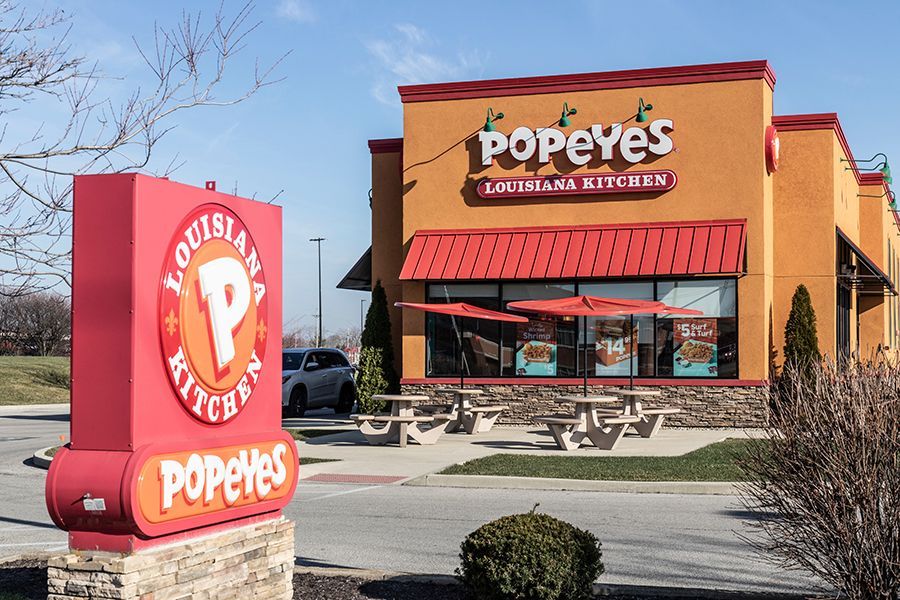
The most straightforward approach to finding Halal food is to look for establishments that are officially Halal-certified. Many cities around the world, especially those with significant Muslim populations or a thriving tourism industry catering to Muslim visitors, will have restaurants displaying Halal certificates from reputable local or international Islamic councils. These certifications provide a degree of assurance that the food adheres to strict Halal standards, from sourcing to preparation.
- Utilize Technology: Numerous smartphone applications (HalalTrip, Zabihah, Halal Advisor) and websites specialize in locating Halal restaurants worldwide. These platforms often feature user reviews, ratings, and filters for specific cuisines, making it easier to discover suitable dining options near your hotel or attraction.
- Consult Local Communities: Engaging with local Muslim communities, whether through online forums, social media groups, or by visiting local mosques upon arrival, can provide invaluable recommendations for authentic and trusted Halal eateries that might not be widely advertised.
- Look for Official Signage: Always keep an eye out for official Halal certification logos or signs displayed prominently at the entrance of restaurants. While these are common in Muslim-majority regions, they are also becoming more prevalent in multicultural cities like London, Paris, or New York City.
Exploring Local Markets and Diverse Cuisines
Beyond dedicated Halal restaurants, a world of naturally Halal-friendly cuisines awaits. Many cultures, especially those with historically vegetarian diets or strong seafood traditions, offer a wealth of options that can easily fit within Halal guidelines.
- Vegetarian and Vegan Options: Embracing vegetarian or vegan dishes is often the safest bet when Halal meat options are scarce. Many international cuisines, such as Indian, Thai, and Mediterranean, have rich vegetarian offerings that are naturally free from non-Halal meat and often cooked with permissible ingredients. Always confirm the use of alcohol in cooking and any animal-derived fats.
- Seafood: Most Islamic scholars agree that seafood (excluding some specific types for certain schools of thought) is generally considered Halal. This opens up a vast array of possibilities, especially in coastal destinations.
- Local Produce and Snacks: Exploring local markets (souks, farmers’ markets) is a fantastic way to immerse yourself in the local culture and find fresh, Halal-friendly ingredients. Fruits, vegetables, nuts, and many types of bread or pastries are inherently Halal. Always check ingredients for processed snacks to avoid hidden non-Halal components.
- Street Food with Caution: While exciting, street food requires extra vigilance. It’s often best to observe preparation methods, ask about ingredients, and choose vendors who appear to handle food hygienically and use fresh produce. Opt for vegetarian options where possible, or dishes with clearly visible ingredients.
Self-Catering and Accommodation Choices
For ultimate control over your meals, especially during longer stays or in regions with limited Halal options, self-catering can be an excellent solution.
- Accommodation with Kitchen Facilities: Booking apartments, villas, or serviced apartments through platforms like Airbnb or specific hotel chains that offer kitchenettes can be a game-changer. This allows you to purchase Halal-certified ingredients from local supermarkets or specialty stores and prepare your own meals.
- Finding Halal Groceries: In multicultural cities, you can often find dedicated Halal butcher shops and grocery stores. Even mainstream supermarkets in some areas are now stocking Halal-certified meat and poultry, often clearly labeled.
- Portable Meal Solutions: For excursions or day trips where dining options might be limited, consider packing your own Halal snacks, sandwiches, or even pre-cooked meals. This ensures you always have a safe option available.
Beyond Popeyes: Embracing Global Halal Culinary Experiences
While the question of specific chain restaurants like Popeyes is valid, the broader landscape of Halal dining for travelers is incredibly rich and diverse. Embracing global Halal culinary experiences is about opening yourself up to new flavors, cultures, and communities that wholeheartedly cater to the Muslim traveler.
Top Destinations for Halal Foodies
Certain destinations stand out as havens for Halal foodies, offering not just an abundance of options but also a deep immersion into Halal-friendly cultures.
- Istanbul, Turkey: A vibrant bridge between East and West, Istanbul is a paradise for Halal food. From traditional kebabs and mezzes to elaborate Ottoman cuisine, nearly all food served in Turkey is naturally Halal. The city offers a feast for the senses, with its bustling Grand Bazaar and majestic Hagia Sophia, and food is central to the experience.
- Kuala Lumpur, Malaysia: As a Muslim-majority nation, Malaysia prides itself on its Halal offerings. Kuala Lumpur boasts a fantastic array of Malay, Indian, and Chinese Halal food, showcasing a fusion of culinary traditions. The city is known for its incredible street food scenes where Halal certification is the norm.
- Dubai, UAE: A luxurious destination renowned for its world-class dining, Dubai is a pioneer in Halal-friendly tourism. Virtually all restaurants, from fine dining to casual eateries, serve Halal food, reflecting the country’s Islamic heritage. Beyond its iconic landmarks, Dubai offers an unparalleled culinary journey.
- London, UK: While not a Muslim-majority country, London’s diverse population has cultivated an incredible Halal food scene. From authentic Indian and Pakistani restaurants to trendy Halal burger joints and even Halal fine dining, London offers a surprising variety, particularly in areas like East London or Edgware Road.
- Singapore: This cosmopolitan city-state, while not Muslim-majority, has a significant Malay-Muslim population and robust Halal certification standards. Singapore offers a fantastic range of Halal eateries, from hawker centers (food courts) to upscale restaurants, making it easy to enjoy its famous multicultural cuisine without compromise.
The Rise of Halal-Friendly Tourism
The travel industry has increasingly recognized the economic power and specific needs of the Muslim travel market, leading to the growth of “Halal-friendly tourism.” This sector focuses on providing services and amenities that cater to Islamic principles, enhancing the comfort and spiritual ease of Muslim travelers.
- Halal-Friendly Hotels and Resorts: Many hotels now offer Halal food options, prayer facilities (prayer mats, Qibla direction indicators), alcohol-free environments, and even segregated swimming pools and spas for men and women. Hotel chains in popular destinations are adapting to include these amenities, making the stay more comfortable for Halal-conscious guests.
- Halal Tour Packages: Specialized tour operators offer packages designed for Muslim travelers, including Halal meal plans, prayer stops, and visits to Islamic landmarks and cultural sites. These packages ensure that all aspects of the journey align with Halal principles.
- Growing Recognition: From international airports providing prayer rooms to cruise lines offering Halal meal options, the global tourism industry is becoming more attuned to the needs of Muslim travelers, making it easier than ever to explore the world with peace of mind. This shift not only broadens horizons for Muslim travelers but also fosters greater understanding and inclusivity in the global travel landscape.
A Traveler’s Guide to Mindful Eating: Making Informed Choices
For the discerning traveler who prioritizes Halal eating, the journey, though occasionally challenging, is always rewarding. Making informed choices is not just about avoiding the impermissible, but about embracing the vast culinary diversity the world has to offer in a way that aligns with personal faith and values.
When approaching a dining decision, especially in unfamiliar territory, a few guiding principles can ensure a smooth and enjoyable experience:
- Research is Your Best Friend: Before you even pack your bags, spend time researching your destination’s Halal food scene. Utilize the apps and websites mentioned earlier, read travel guides specific to Muslim travelers, and check online forums. Knowledge empowers you to make proactive choices rather than reactive ones.
- Communicate Clearly: Don’t hesitate to ask questions at restaurants. Learn key phrases in the local language related to Halal, such as “Halal?” or “no pork,” “no alcohol.” A polite inquiry about ingredients and preparation methods can often clarify any doubts. In non-Muslim countries, emphasizing vegetarian or seafood options can simplify communication.
- Prioritize Whole Foods: When in doubt, lean towards dishes made from whole, unprocessed ingredients. Fresh fruits, vegetables, and simple grain-based dishes are generally safe bets.
- Be Prepared: Always carry some Halal snacks, especially for long journeys or when exploring remote attractions where dining options might be scarce. This prevents hunger and ensures you don’t compromise your dietary principles in a moment of desperation.
- Embrace the Adventure: While adherence to Halal is paramount, the journey of finding Halal food can itself be an exciting part of your travel experience. It often leads you off the beaten path, into local neighborhoods, and to hidden culinary gems that mainstream tourists might miss. This exploration deepens your connection to the local culture and creates unique memories.
In conclusion, while Popeyes Louisiana Kitchen might not universally cater to Halal standards, its presence sparks a vital conversation for Muslim travelers. The modern world offers an ever-increasing array of Halal dining opportunities, transforming what was once a challenge into a rich and integrated part of global tourism. By staying informed, communicating effectively, and remaining open to the diverse Halal culinary landscape, Muslim travelers can embark on their adventures with confidence, savoring every moment and every permissible bite the world has to offer. The journey of finding Halal food is, in itself, a vibrant thread in the rich tapestry of mindful and meaningful travel.
LifeOutOfTheBox is a participant in the Amazon Services LLC Associates Program, an affiliate advertising program designed to provide a means for sites to earn advertising fees by advertising and linking to Amazon.com. Amazon, the Amazon logo, AmazonSupply, and the AmazonSupply logo are trademarks of Amazon.com, Inc. or its affiliates. As an Amazon Associate we earn affiliate commissions from qualifying purchases.