
For many travelers, the question “Is pot legal in Colorado?” is more than just a casual inquiry; it’s a key factor influencing their travel plans, accommodation choices, and overall Colorado experience. The simple answer is yes, recreational marijuana has been legal in the Centennial State for over a decade. However, the reality for tourists is far more nuanced, involving a web of state laws, local ordinances, and federal regulations that demand careful understanding. Colorado, famed for its majestic Rocky Mountains, vibrant cities like Denver and Boulder, and unparalleled outdoor adventures, offers a unique travel landscape where cannabis is integrated into the lifestyle, yet with distinct boundaries. This article delves deep into everything a visitor needs to know about navigating cannabis laws in Colorado, from understanding legalities and finding appropriate accommodation to exploring cannabis-friendly tourism and responsibly enjoying all that this dynamic state has to offer. Whether you’re planning a thrilling ski trip to Vail, a hiking expedition near Aspen, or a cultural immersion in Denver, knowing the rules of engagement with legal cannabis is paramount to a seamless and enjoyable journey.
The Legal Landscape: Understanding Colorado’s Cannabis Laws
The journey to legal recreational cannabis in Colorado is a fascinating tale of pioneering legislation and evolving societal norms. Understanding its history and the current legal framework is essential for any traveler considering partaking.
A Brief History of Legalization
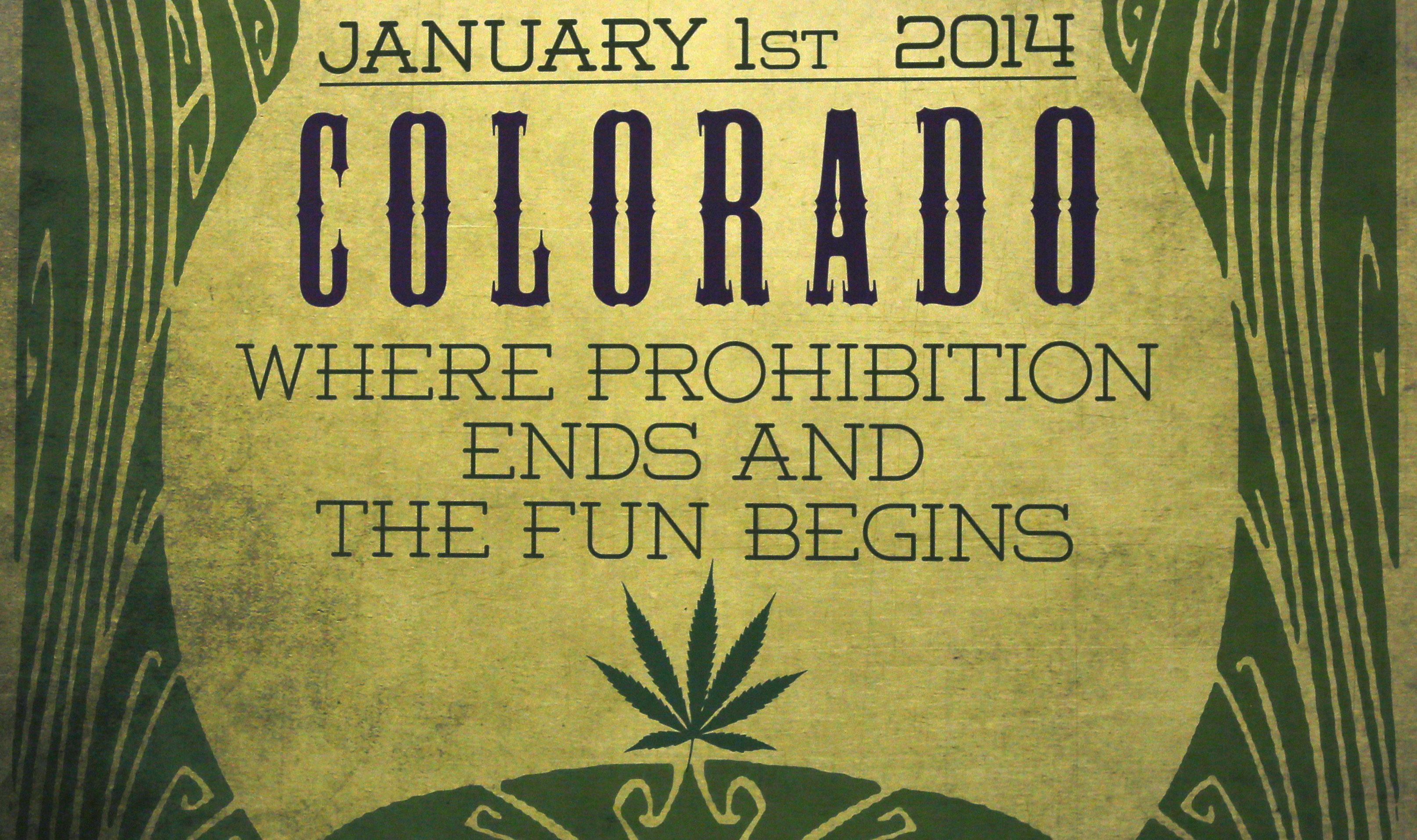
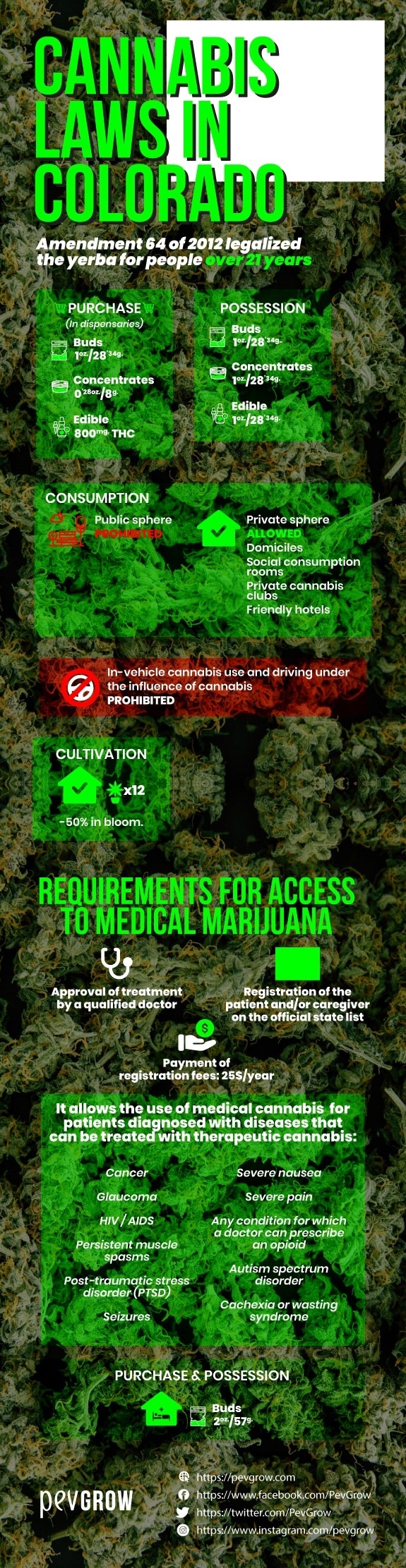
The pivotal moment arrived in November 2012, when Colorado voters approved Amendment 64, making it one of the first states in the United States to legalize recreational marijuana for adults aged 21 and over. This landmark decision paved the way for a regulated market, allowing for the cultivation, processing, sale, and personal use of cannabis. Prior to this, medical marijuana had been legal since 2000, establishing a foundation for the industry. The implementation of Amendment 64 began in January 2014, with the opening of the first recreational dispensaries. This move positioned Colorado at the forefront of a global discussion on drug policy, attracting significant attention from tourists and policymakers alike. The essence of the law is simple: adults 21 and older can possess and consume small amounts of cannabis. However, the nuance lies in where and how this consumption can occur, particularly for visitors unfamiliar with the local regulations. It’s crucial to remember that while state law permits recreational cannabis, federal law still classifies marijuana as an illegal substance. This creates a unique legal tension, especially concerning federal lands and interstate travel, which impacts tourists directly. Despite this federal stance, Colorado has successfully implemented a robust regulatory system, ensuring product safety and controlling distribution, making it a relatively safe and predictable environment for adult consumers.
What Tourists Need to Know: Possession and Consumption Rules
Navigating Colorado’s cannabis laws as a tourist requires adherence to specific guidelines to avoid legal issues. The primary rule is that you must be 21 years of age or older to purchase, possess, or consume recreational marijuana, just as with alcohol. Valid identification, such as a driver’s license or passport, is required at all licensed dispensaries.
Possession Limits: Adults 21 and over can purchase and possess up to one ounce (28 grams) of retail marijuana at a time. This limit applies to flower, edibles, concentrates, and other cannabis products, with equivalents established for non-flower forms. For instance, 8 grams of concentrate or 800 milligrams of edibles are generally considered equivalent to one ounce of flower.
Where You Can Consume: This is often the trickiest part for visitors. Public consumption of marijuana is illegal. This means you cannot smoke, vape, or consume edibles in public spaces, including parks, sidewalks, ski slopes, concert venues like Red Rocks Amphitheatre, and federal land such as Rocky Mountain National Park or national forests. Doing so can result in fines. The law dictates that consumption must occur on private property, with the permission of the property owner. This makes finding a suitable place to consume challenging for many tourists staying in standard hotels or non-cannabis-friendly accommodation. Some cities, like Denver, have begun to license designated cannabis consumption lounges, offering a legal and social venue for enjoyment, though these are still relatively limited.
Where You Cannot Consume (Specifics):
- Most hotels and resorts: The vast majority of hotels in Colorado prohibit marijuana consumption on their premises, including in rooms and common areas, similar to their smoking policies. Even if a property advertises itself as “non-smoking,” this generally extends to cannabis as well.
- Rental cars: It is illegal to consume cannabis in a rental car or any vehicle. Marijuana must be transported in a sealed, child-resistant container, and it should not be accessible to the driver or passengers in an open container while the vehicle is in motion.
- Ski resorts: Consumption is strictly prohibited at all Colorado ski resorts, as they operate on a mix of private and federal land.
- Federal property: This includes all national parks, national forests, and other federal lands, where federal law (which prohibits marijuana) takes precedence.
Driving Under the Influence (DUID): It is illegal and extremely dangerous to drive under the influence of marijuana. Colorado has strict DUID laws, and penalties are similar to those for alcohol-related DUIs, including fines, license suspension, and potential jail time.
Transporting Across State Lines: Carrying cannabis across state lines, even to another state where it is legal, is a federal offense and is strictly prohibited. This applies to air travel, car travel, and any other mode of transport that crosses Colorado’s borders. Do not attempt to take cannabis out of the state.
Understanding these regulations is paramount for a responsible and trouble-free visit. While the freedom to purchase cannabis exists, the freedom to consume it is significantly restricted, especially for those relying on traditional accommodation options.
Navigating Cannabis Tourism in Colorado
The advent of legal cannabis has given rise to a unique niche in the tourism industry, often referred to as “cannabis tourism” or “pot tourism.” Colorado has developed specialized services and experiences to cater to this growing demographic, offering visitors more than just access to dispensaries.
Finding Licensed Dispensaries
Locating a legitimate dispensary in Colorado is relatively straightforward in areas where they are permitted. Most cities and towns, particularly Denver, Boulder, and popular ski towns, host numerous licensed establishments. You can identify them by a prominent green cross sign, often accompanied by the word “recreational” or “adult-use.”
What to Expect:
- ID Check: Upon entering, security or staff will always check your ID to verify you are 21 or older.
- Product Variety: Dispensaries offer a wide array of products, catering to different preferences and consumption methods.
- Flower: The traditional form, available in various strains with different cannabinoid profiles (THC, CBD) and effects.
- Edibles: Candies, chocolates, baked goods, and beverages infused with cannabis. These are often preferred by those who don’t want to smoke. Start with a low dose (e.g., 5mg of THC) and wait at least an hour or two to assess the effects before consuming more, as edibles can have a delayed and potent impact.
- Concentrates: Highly potent forms of cannabis like wax, shatter, and oils, typically consumed via vaping or dabbing.
- Topicals: Creams, lotions, and balms that are applied to the skin and are generally non-intoxicating, used for localized relief.
- Vape Pens: Pre-filled cartridges for convenient and discreet consumption.
- Knowledgeable Staff: Budtenders are typically well-informed and can guide you through the selection process, explaining different strains, products, and their potential effects. Don’t hesitate to ask questions, especially if you’re new to cannabis.
- Payment: Many dispensaries are cash-only due to federal banking regulations, so it’s wise to bring cash or be prepared to use an on-site ATM, which often incurs a fee.
Responsible purchasing involves understanding the product, starting with low doses, especially for edibles, and ensuring you have a safe and legal place to consume before making a purchase. Never buy from unlicensed sources, as their products are unregulated and potentially unsafe.
Cannabis-Friendly Accommodation and Experiences
The biggest hurdle for cannabis tourists in Colorado is finding suitable accommodation. Since most mainstream hotels prohibit cannabis consumption, specialized options have emerged to fill this void.
“420-Friendly” Accommodation:
- Dedicated Hotels and Inns: A growing number of boutique hotels and bed and breakfasts specifically cater to cannabis consumers. These establishments often allow consumption in designated areas, such as private balconies or outdoor patios, and some even permit it within rooms. Websites like Bud and Breakfast specialize in listing these unique properties. Examples might include the Adagio Bed and Breakfast in Denver or specialized cannabis-themed lodges in certain mountain towns.
- Vacation Rentals: Platforms like Airbnb or VRBO can be excellent resources, but it’s crucial to filter for “420-friendly” or “cannabis allowed” properties and to communicate directly with the host about their specific rules. Many private hosts are more accommodating than large hotel chains.
- Consumption Lounges: While still nascent, several cities, most notably Denver, have licensed social consumption establishments. These provide a legal and often social environment where patrons can consume purchased cannabis products. They range from chic lounges to more casual cafes, offering a communal aspect to cannabis enjoyment.
Specialized Cannabis Tours and Experiences:
- Dispensary Tours: Many tour operators offer guided excursions to multiple dispensaries, providing insights into the cultivation process, product selection, and the history of legalization. These often include transportation in a “party bus” style vehicle where consumption might be permitted.
- Grow House Tours: For those interested in the agricultural aspect, some tours offer visits to cannabis cultivation facilities, providing a behind-the-scenes look at how the plant is grown and processed.
- Cannabis-Infused Culinary Experiences: Chefs in Colorado have begun to explore the art of cannabis-infused dining. These events range from private dinners to cooking classes, offering gourmet experiences where cannabis is integrated into the food, typically with carefully controlled dosages.
- “Puff, Pass & Paint” or Yoga Classes: Creative and wellness activities that incorporate cannabis are also gaining popularity. These unique experiences offer a relaxed and social environment to enjoy cannabis while engaging in an activity like painting or yoga.
When planning your trip, consider booking these specialized accommodations and tours in advance, especially during peak travel seasons, as they can be in high demand. These options provide a legal, safe, and often educational way to engage with Colorado’s cannabis culture.
Exploring Colorado Beyond Cannabis: Attractions and Lifestyle
While cannabis might be a draw for some, it’s essential to remember that Colorado offers an incredibly rich tapestry of attractions, activities, and a vibrant lifestyle that extends far beyond marijuana. Integrating cannabis responsibly into a broader travel itinerary allows visitors to fully appreciate the state’s diverse offerings.
Top Attractions and Activities (Cannabis Optional)
Colorado is a paradise for adventurers, culture enthusiasts, and foodies alike. Many visitors find that a responsible cannabis experience can complement, rather than define, their trip, enhancing relaxation after a day of exploration or stimulating creativity.
Outdoor Activities:
- Skiing and Snowboarding: World-class resorts like Vail, Breckenridge, Aspen Snowmass, and Telluride offer unparalleled winter sports. Remember, consumption on slopes is illegal.
- Hiking and Backpacking: From gentle nature walks to challenging Fourteeners (peaks over 14,000 feet), the Rocky Mountains provide endless trails. Popular areas include Rocky Mountain National Park (federal land, so no cannabis) and countless state parks.
- Mountain Biking: Trails around Moab, Fruita, and Winter Park are legendary.
- Water Sports: Rafting on the Arkansas River, kayaking, paddleboarding, and fishing in countless lakes and reservoirs are popular summertime pursuits.
Cultural Attractions:
- Denver’s Vibrant Scene: Explore the Denver Art Museum, catch a show at the Denver Center for the Performing Arts, or wander through the historic Larimer Square with its boutiques and restaurants.
- Red Rocks Amphitheatre: This iconic geological landmark and concert venue near Morrison offers breathtaking views and unforgettable performances.
- Mesa Verde National Park: A UNESCO World Heritage Site preserving ancestral Puebloan cliff dwellings – another federal property where cannabis is prohibited.
- Museums and Galleries: Smaller cities like Colorado Springs and Fort Collins also boast excellent museums and vibrant local art scenes.
Culinary Scene:
- Colorado’s food and drink scene has exploded, with farm-to-table restaurants, craft breweries (especially in Fort Collins and Boulder), and distilleries. Enjoy local delicacies, gourmet dining, or casual pub fare.
Incorporating cannabis into these experiences should always prioritize safety and legality. For example, enjoying an edible at a private, 420-friendly accommodation before heading out for a meal or a non-physical cultural event can be a pleasant way to relax. However, never consume before or during activities that require full attention or coordination, such as driving, skiing, or hiking challenging trails.

Responsible Tourism and Etiquette
As pioneers in cannabis legalization, Colorado and its residents are generally welcoming, but responsible behavior from tourists is paramount to maintaining this progressive environment.
Respect Local Laws and Customs: Always adhere to the state and local cannabis laws. Remember that while legal, it is not universally embraced, and discretion is appreciated. Avoid public consumption, which is disrespectful and illegal. Be mindful of scent, especially in public areas or shared accommodation spaces.
Be Discreet: Even in cannabis-friendly environments, it’s good etiquette to be discreet about your consumption. This means avoiding ostentatious displays of cannabis products or paraphernalia, and being mindful of those around you who may not be consuming or may have differing views.
Environmental Responsibility: Colorado’s natural beauty is its greatest asset. When enjoying outdoor activities, practice Leave No Trace principles. This includes proper disposal of any cannabis packaging or remnants – do not litter.
Focus on the Broader Experience: While the legal status of cannabis might be a draw, let it be one element of your trip, not the sole focus. Colorado offers an incredible array of activities, landmarks, and cultural experiences that are worth exploring independently. Engaging with the diverse offerings of the state, from its majestic mountains to its vibrant city life, will provide a far more enriching travel experience.
Health and Safety: Be aware of your limits. Cannabis affects individuals differently, and edibles, in particular, can be potent and have delayed effects. Consume in a safe environment, stay hydrated, and ensure you are not impaired if you plan to drive or engage in physical activities. If you feel unwell, seek assistance.
By practicing responsible tourism and showing respect for the local community and environment, visitors can ensure that Colorado remains a welcoming and enjoyable destination for all, allowing the unique aspect of legal cannabis to coexist harmoniously with its renowned natural beauty and lifestyle offerings.
Ultimately, the answer to “Is pot legal in Colorado?” is a resounding yes, but with a significant asterisk. For the informed traveler, this means understanding and respecting the nuances of the law, especially regarding consumption. Colorado presents a fascinating case study in modern tourism, where a pioneering drug policy has opened new avenues for travel and lifestyle exploration. By choosing appropriate “420-friendly” accommodation, patronizing licensed dispensaries, and engaging with cannabis-specific tours or lounges, visitors can safely and legally experience this unique aspect of the state.
However, the true magic of Colorado lies far beyond its cannabis dispensaries. It resides in the awe-inspiring peaks of the Rocky Mountains, the thrilling ski slopes of Breckenridge and Vail, the vibrant arts scene of Denver, and the countless outdoor adventures that beckon from every corner. Responsible cannabis tourism in Colorado isn’t about solely indulging in marijuana; it’s about integrating this legal freedom thoughtfully into a broader, enriching journey. By prioritizing safety, respecting local regulations and etiquette, and embracing the full spectrum of experiences the state has to offer, travelers can ensure a memorable, enjoyable, and harmonious trip, making the most of all that Colorado brings to the table – both expected and unique. So pack your bags, know the rules, and prepare to discover a state that truly offers something for everyone, responsibly and legally.
LifeOutOfTheBox is a participant in the Amazon Services LLC Associates Program, an affiliate advertising program designed to provide a means for sites to earn advertising fees by advertising and linking to Amazon.com. Amazon, the Amazon logo, AmazonSupply, and the AmazonSupply logo are trademarks of Amazon.com, Inc. or its affiliates. As an Amazon Associate we earn affiliate commissions from qualifying purchases.