
For many planning a trip to the Sunshine State, famous for its vibrant cities, stunning beaches, and world-class attractions, understanding local laws is an essential part of responsible travel. Among the questions that frequently arise, particularly in a rapidly evolving legal landscape across the United States, is whether cannabis, often colloquially referred to as “pot,” is legal in Florida. The answer, like many legal matters surrounding cannabis, is nuanced and requires careful consideration, especially for visitors looking to explore destinations like Miami, Orlando, or Key West.
As a premier destination for travel, tourism, and diverse lifestyle experiences, Florida attracts millions of visitors annually, from families flocking to Walt Disney World Resort and Universal Orlando Resort to adventurers exploring Everglades National Park or the pristine sands of South Beach. Alongside the planning of accommodation, flights, and itineraries, savvy travelers increasingly include local regulations in their research to ensure a smooth and enjoyable journey. This comprehensive guide aims to demystify the current legal status of cannabis in Florida, offering clarity for both residents and those visiting the state’s renowned landmarks and attractions.
The Current Legal Landscape: A Nuanced View
The legality of cannabis in Florida is not a simple yes or no. Instead, it’s a tiered system that differentiates between medical marijuana, recreational cannabis, and hemp-derived products like CBD. Understanding these distinctions is crucial for anyone residing in or traveling through Florida.
Medical Marijuana: A Regulated Program
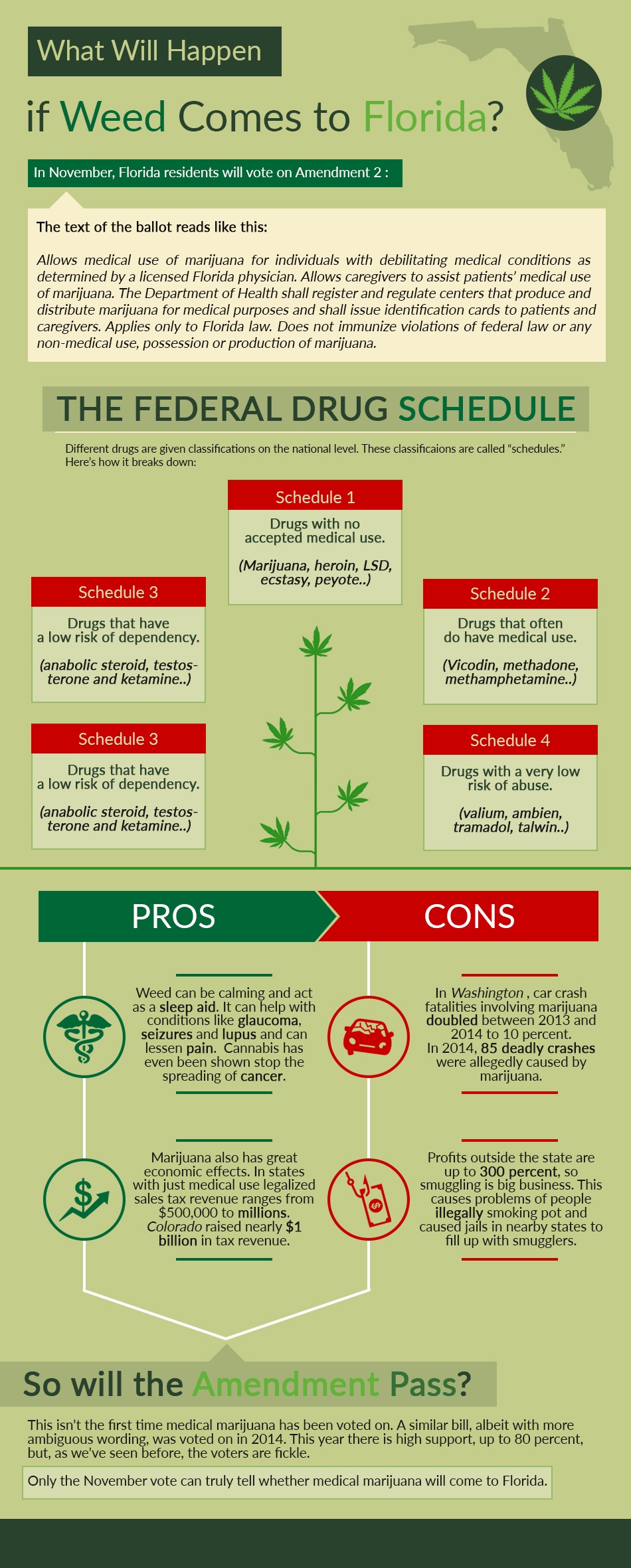
Florida has a robust and highly regulated medical marijuana program, established by a constitutional amendment approved by voters in 2016. This program permits qualifying patients with specific debilitating medical conditions to access cannabis for therapeutic purposes. The Florida Medical Marijuana Program is overseen by the Office of Medical Marijuana Use, a division of the state’s Department of Health.
To qualify for medical cannabis in Florida, an individual must be a permanent or seasonal resident of the state and be diagnosed with at least one of the qualifying medical conditions by a state-licensed, qualified physician. These conditions include, but are not limited to, cancer, epilepsy, glaucoma, HIV/AIDS, PTSD, ALS, Crohn’s disease, Parkinson’s disease, multiple sclerosis, and other comparable debilitating medical conditions. Once a physician has certified the patient’s condition, the patient can apply for a Medical Marijuana Card issued by the state. This card is essential for legally purchasing and possessing medical cannabis.
Medical cannabis products in Florida are exclusively sold through state-licensed Medical Marijuana Treatment Centers (MMTCs), commonly known as dispensaries. These dispensaries are found in various cities across Florida, including major hubs like Orlando, Tampa, Jacksonville, and Fort Lauderdale. They offer a range of products, including oils, edibles, tinctures, vapes, and flower, all subject to strict testing and dosage regulations. It is critical to note that only patients with a valid Florida medical marijuana card can legally purchase and possess these products. Out-of-state medical marijuana cards are generally not recognized under Florida law, meaning visitors with medical cannabis prescriptions from other states cannot legally purchase or use cannabis in Florida based solely on their home state’s card.

Recreational Cannabis: Still Illicit
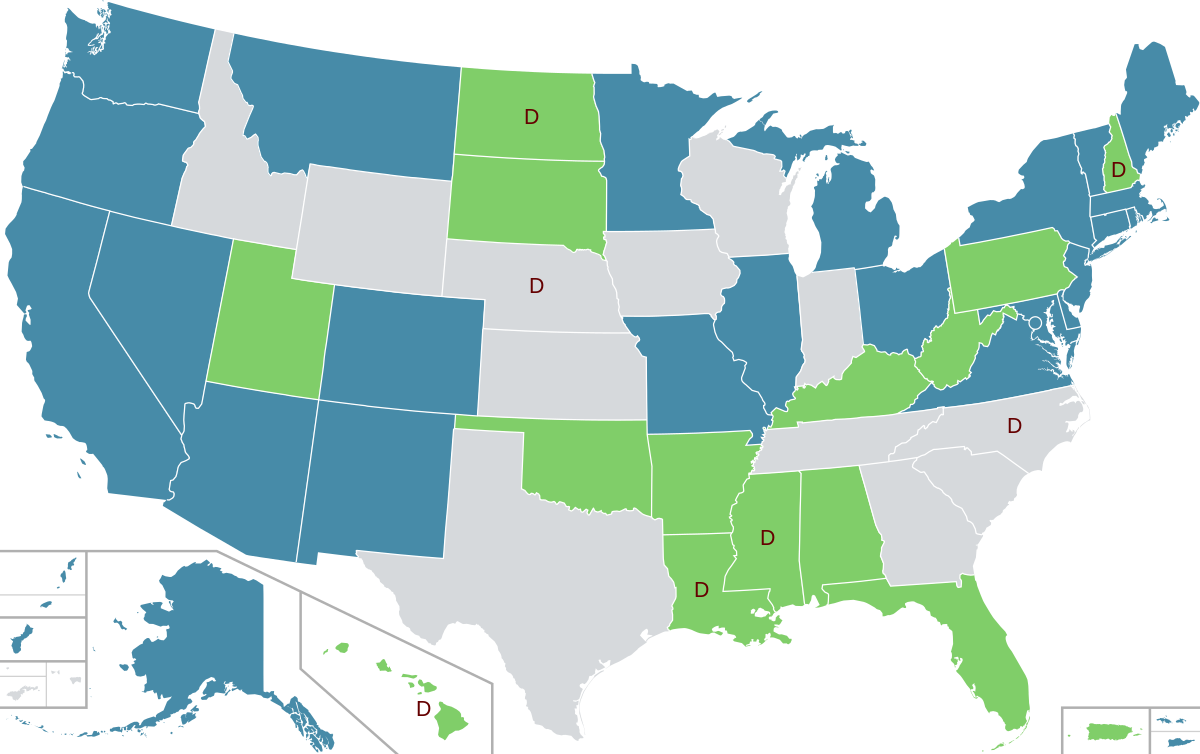
Despite the flourishing medical marijuana program, recreational cannabis remains illegal in Florida. Possessing, purchasing, or selling cannabis for non-medical purposes carries significant legal penalties, ranging from misdemeanors to felonies, depending on the amount involved and intent. This stands in stark contrast to states like Colorado or California, where recreational use for adults is fully legal and regulated.
Law enforcement in Florida actively enforces these prohibitions. Simple possession of a small amount of cannabis (typically 20 grams or less) can lead to a misdemeanor charge, punishable by up to one year in jail and a fine of $1,000. Possession of more than 20 grams escalates to a felony charge, carrying potential prison sentences of up to five years and significantly higher fines. These penalties become even more severe for charges related to cultivation, distribution, or trafficking. Even paraphernalia possession can result in legal repercussions.
For travelers, this means exercising extreme caution. Engaging in recreational cannabis activities in Florida can lead to serious legal trouble, disrupting your vacation plans and potentially affecting your ability to travel in the future. It’s imperative to understand that while the aroma of cannabis might occasionally drift through certain areas, it does not signify legality, and local authorities are well within their rights to enforce state laws.
The Status of CBD: A Different Category
In recent years, CBD has emerged as a distinct category, separate from traditional cannabis containing high levels of THC, the psychoactive compound. In Florida, as per federal law outlined in the 2018 Farm Bill, hemp-derived CBD products are legal as long as they contain less than 0.3% THC. This distinction is crucial: if a product is derived from hemp and meets the THC threshold, it is considered an agricultural product, not a controlled substance.
Consequently, CBD products, including oils, tinctures, edibles, topicals, and beverages, are widely available throughout Florida. You can find them in a variety of retail environments, such as health stores, pharmacies, specialty shops, and even some grocery stores. The legality of CBD means that visitors and residents can purchase and use these products without fear of legal repercussions, provided they comply with the THC limit. However, consumers should always ensure they are purchasing from reputable sources to guarantee product quality and adherence to legal THC limits, as mislabeled products can inadvertently lead to legal issues. The Florida Department of Agriculture and Consumer Services regulates hemp and hemp-derived products, including CBD, ensuring quality and safety standards.
Navigating Cannabis Laws for Visitors and Residents
Whether you’re planning a vacation to a luxurious resort in Palm Beach or considering a long-term stay in a villa in Naples, understanding Florida’s cannabis laws is paramount to avoid legal complications and ensure a smooth experience. The implications differ slightly depending on whether you are a resident or a tourist.
What Tourists Need to Know
For tourists visiting Florida, the simplest and safest advice regarding cannabis is to assume it is illegal for recreational use. Even if you hold a medical marijuana card from your home state, it will not grant you legal access to cannabis in Florida. Bringing cannabis from another state into Florida, even for medical purposes, is illegal and can lead to federal charges, as cannabis remains federally prohibited and crossing state lines with it constitutes drug trafficking.
When booking hotels, suites, or apartments through various accommodation platforms, be aware that most properties, regardless of the state’s medical cannabis laws, maintain strict no-smoking policies that often extend to vaping. Even if medical cannabis is consumed by a qualifying patient, using it in public places is generally prohibited. This includes beaches, parks, and especially theme parks like Busch Gardens Tampa Bay or SeaWorld Orlando. Federal properties, such as national parks, airports, and military bases, strictly prohibit all forms of cannabis, even medical, as federal law supersedes state law on these lands.
Tourists should focus on enjoying Florida’s countless legal attractions and activities. Explore the historic streets of St. Augustine, dive into the vibrant marine life of the Florida Keys, or experience the unique local culture and food scene in Tampa’s Ybor City. The risk of legal trouble far outweighs any perceived benefit of illicit cannabis use.
Understanding Possession Penalties
As detailed earlier, Florida maintains stringent penalties for recreational cannabis possession. Even seemingly minor infractions can lead to significant consequences. Possession of 20 grams or less is a first-degree misdemeanor, carrying up to one year in jail and a $1,000 fine. More than 20 grams, but less than 25 pounds, is a third-degree felony, punishable by up to five years in prison and a $5,000 fine. Trafficking charges, involving larger quantities, result in mandatory minimum prison sentences.
These legal consequences can have lasting impacts, affecting future travel, employment, and personal reputation. It is advisable to familiarize oneself with Florida Statutes related to drug offenses and to err on the side of caution. Law enforcement agencies, including local police departments, the Florida Highway Patrol, and federal agencies like the Drug Enforcement Administration and Federal Bureau of Investigation, are committed to enforcing these laws.
Where Medical Cannabis Patients Can Access Products
For Florida residents who possess a valid medical marijuana card, accessing products is straightforward through state-licensed MMTCs. These dispensaries operate under strict regulations regarding product quality, labeling, and dispensing limits. Patients can typically order online for pickup or delivery, or visit a physical location.
Each patient has a specific physician-prescribed dosage and supply limit, which MMTCs are required to monitor. It is illegal for a medical marijuana patient to share their prescribed cannabis with another individual, even another qualifying patient. Furthermore, public consumption of medical cannabis is generally prohibited, with a few limited exceptions for non-smokable forms. Patients are advised to consume their medicine discreetly and in private settings where permissible. When transporting medical cannabis, it should be kept in its original packaging from the MMTC and stored securely, preferably in the trunk of a vehicle.
The Future of Cannabis in the Sunshine State
The legal landscape surrounding cannabis is dynamic, and Florida is no exception. There are ongoing discussions and legislative efforts that could potentially reshape the state’s approach to recreational marijuana in the coming years.
Prospects for Recreational Legalization
The possibility of recreational cannabis legalization in Florida has been a recurring topic of debate. Citizen-led initiatives and legislative efforts continue to push for broader access to cannabis. Notably, a significant push is underway for a ballot initiative, potentially Amendment 3, to appear on the general election ballot in 2024. This initiative aims to amend the state constitution to allow adults 21 and older to possess and use recreational marijuana.
Should such an initiative pass, it would fundamentally alter the current legal framework. Proponents argue that legalization would generate substantial tax revenue for the state, create new jobs, and allow law enforcement to focus on more serious crimes. Opponents raise concerns about public health impacts, potential increases in impaired driving, and the overall social costs. The process typically involves gathering a large number of signatures to qualify for the ballot, followed by a statewide vote. Even if passed by voters, the implementation would require the Florida Legislature and state agencies in Tallahassee to establish a regulatory framework for sales, cultivation, and distribution, a complex undertaking that would likely take time to fully develop. The Florida Supreme Court often plays a role in reviewing ballot language for constitutional amendments.
Economic and Tourism Implications
If Florida were to legalize recreational cannabis, the economic and tourism implications would be substantial. Florida’s status as a global tourism powerhouse, combined with a legal cannabis market, could lead to the emergence of cannabis tourism, similar to what has been observed in states like Nevada or Michigan. This could involve the development of cannabis-friendly accommodations, tours, and consumption lounges, offering new experiences for adult visitors.
The Florida’s tourism industry could see a new demographic of visitors, particularly those interested in exploring this aspect of the lifestyle. New businesses would likely emerge to cater to this market, creating jobs and contributing to the state’s tax base. However, it would also present challenges for regulators and tourism operators, requiring careful planning to integrate cannabis into the existing family-friendly tourism brand without compromising safety or public order. The impact on traditional attractions and family travel would need to be carefully managed to ensure continued broad appeal.
Responsible Travel and Consumption in Florida
Regardless of the current legal status or future changes, responsible travel and consumption should always be a priority when visiting or residing in Florida.
Staying Informed and Respecting Local Laws
The most crucial advice for anyone interested in cannabis laws in Florida is to stay informed. Laws can change, and interpretations may evolve. Before any trip, it’s wise to consult official state resources, such as the Florida Department of Health website, to get the most up-to-date information. Never rely solely on anecdotal evidence or unofficial sources.
Respecting local laws and customs is fundamental to being a good traveler. This extends beyond cannabis to all aspects of your visit. Florida offers a plethora of legitimate and safe activities that highlight its natural beauty, diverse culture, and thrilling entertainment. Embracing these opportunities legally ensures a stress-free and memorable experience.
Planning Your Florida Trip Mindfully
When planning your Florida adventure, whether you’re looking for budget travel or luxury travel, keep cannabis laws in mind. For those with a Florida medical marijuana card, ensure your travel plans comply with transportation and consumption regulations. For all other visitors, focus on the legal aspects of Florida’s offerings.
Choose accommodation that aligns with your preferences and respects property rules. Many hotels and resorts, from boutique hotels on Miami Beach to sprawling resorts near Lake Buena Vista, offer incredible amenities and experiences that don’t involve cannabis. Enjoy Florida’s pristine natural environments, vibrant city life, and unique cultural attractions.
In conclusion, while medical marijuana is legal and accessible for qualifying patients in Florida, recreational cannabis remains prohibited with serious legal consequences. CBD products, derived from hemp with minimal THC, are legal and widely available. As Florida considers potential future changes to its cannabis laws, visitors and residents alike must remain vigilant, informed, and compliant with current regulations to ensure a safe, enjoyable, and lawful experience in the Sunshine State.