
Nevada, often referred to as the Silver State, holds a unique and often misunderstood place in the legal landscape of the United States, particularly when it comes to the legality of prostitution. For travelers planning a visit, understanding the nuances of this law is crucial, not only for adherence to local regulations but also for appreciating the diverse cultural and social fabric of the state. Far from a simple “yes” or “no” answer, the legal status of prostitution in Nevada is a complex tapestry woven from historical precedent, county-by-county legislation, and strict regulatory frameworks.
This article aims to unravel these complexities, providing a comprehensive guide for tourists, business travelers, and adventurers seeking to explore Nevada. We’ll delve into where it is legal, where it is strictly prohibited, the historical context that shaped these laws, and the broader implications for tourism and local culture. Our goal is to equip you with the knowledge needed to make informed decisions and ensure a safe, enjoyable, and lawful experience in one of America’s most captivating states, aligning with the “Travel,” “Tourism,” and “Lifestyle” themes of our website.
The Unique Legal Landscape of Nevada
The perception that prostitution is legal throughout Nevada is a common misconception, particularly fueled by the glittering reputation of cities like Las Vegas. In reality, the legal status of prostitution is highly localized, dictated by individual county ordinances rather than statewide law. This localized approach has created a patchwork of regulations that can be confusing for visitors unfamiliar with the state’s unique legal framework. Understanding this distinction is paramount for anyone traveling through the Silver State.
A Historical Overview of Prostitution in the Silver State
The roots of regulated prostitution in Nevada stretch back to its Wild West days. During the 19th century gold and silver rushes, mining camps and burgeoning towns were often populated by a predominantly male workforce, leading to the informal establishment of brothels. Rather than eradicating the practice, local authorities often opted for regulation, viewing it as a pragmatic approach to control public health and maintain order. This historical pragmatism laid the groundwork for the unique legal status we see today.
While the rest of the United States moved towards outright prohibition of prostitution in the early 20th century, Nevada took a different path. In 1971, a landmark decision by the Nevada legislature gave individual counties the power to decide on the legality of brothels. This legislative move effectively decentralized control, allowing communities to tailor their laws to their specific values and circumstances. This historical context is essential to understanding why prostitution isn’t a blanket legal phenomenon across the state but rather a carefully confined and regulated industry in specific locales.
The Crucial Distinction: Legal vs. Illegal
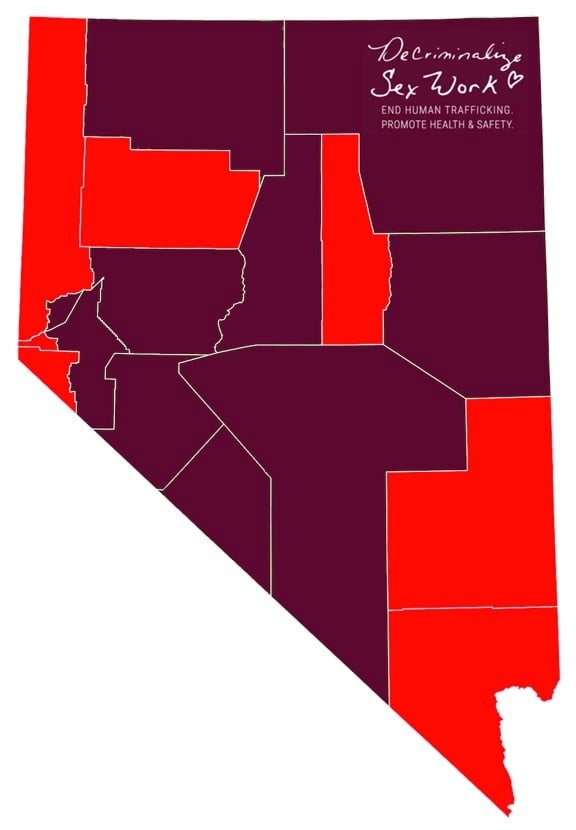
The most critical takeaway for any traveler is this: prostitution is not legal statewide in Nevada. It is only legal in licensed brothels located in counties with populations under 700,000, and even then, it’s at the discretion of those counties. This specific population threshold effectively excludes the state’s most populous regions, meaning that the vast majority of tourists will encounter areas where prostitution is strictly illegal.
Counties Where Prostitution is Legal (via Licensed Brothels):
- Lyon County
- Storey County
- Nye County
- Esmeralda County
- Mineral County
- Lander County
- Eureka County
- Lincoln County
These counties are primarily rural, with smaller populations and a more remote feel compared to the bustling urban centers. Brothels operating in these areas are subject to stringent state and local regulations, covering everything from health checks for sex workers to zoning and operational guidelines for the establishments themselves.

Counties Where Prostitution is Illegal:
- Clark County (home to Las Vegas, Henderson, North Las Vegas)
- Washoe County (home to Reno, Sparks)
- Carson City (an independent city, also the state capital)
- Douglas County (borders Lake Tahoe)
- Pershing County
- White Pine County
- Humboldt County
- Elko County
This means that in popular tourist destinations like Las Vegas, Reno, and the scenic areas around Lake Tahoe, all forms of prostitution are illegal. Engaging in, soliciting, or promoting prostitution in these areas carries serious legal consequences, including arrest, fines, and potential jail time. For a website focused on travel and lifestyle, this is a critical piece of information for visitors planning their itineraries, as ignorance of the law is not a valid defense.

Where to Find Legal Brothels: A Traveler’s Guide
For those curious about the legal brothel industry in Nevada, it’s important to approach the topic with an understanding of its regulated nature and the specific locations where such establishments exist. This is not a hidden underworld but a legitimate, albeit controversial, business operating under strict controls. While not a typical travel attraction for most, it forms a part of Nevada’s unique identity.
Understanding Brothel Operations and Regulations
Legal brothels in Nevada operate under a tightly controlled system designed to ensure public health, safety, and order. Unlike illegal street prostitution, which is rife with risks and exploitation, licensed brothels are subject to rigorous oversight. Sex workers in these establishments undergo mandatory weekly health checks, including screenings for sexually transmitted infections (STIs), and are required to use barrier protection. This emphasis on health and safety distinguishes Nevada’s legal brothel system from illicit activities.
The brothels themselves are often situated away from residential areas and major urban centers, typically in more rural or industrial zones. They are licensed businesses, paying taxes and adhering to local zoning laws, much like any other commercial enterprise. For clients, the experience is designed to be discreet and structured. Prices for services are typically agreed upon beforehand, and the environment is often described as professional and private, a stark contrast to the dangers associated with illegal prostitution. From a travel perspective, this means that these establishments are not integrated into the mainstream tourism offerings of, say, a Las Vegas resort or a Reno casino, but exist as distinct, regulated businesses in specific, designated areas.
Notable Brothel Locations and Experiences
While it’s beyond the scope of a general travel guide to endorse or promote specific brothels, it’s worth noting some of the more well-known establishments to provide context on where they are geographically and how they operate. These brothels are often located along highways connecting major cities to more rural parts of Nevada, making them accessible by car.
One of the most famous names is the Mustang Ranch in Storey County, which gained notoriety for its historical significance and scale. Others like Sheri’s Ranch or the Bunny Ranch (both in Mound House, Lyon County) have also become recognizable names due to media attention and their long-standing operations. These establishments often present themselves as discreet resorts, offering various amenities and a structured pricing system. They cater to a clientele seeking a specific type of adult experience that is legally sanctioned and regulated. For travelers interested in the sociological or historical aspects, understanding the locations and operational models of these brothels can offer a deeper insight into Nevada’s unique approach to this industry.
The Risks and Realities: What Travelers Need to Know
Beyond understanding the legal distinctions, travelers to Nevada must be acutely aware of the risks associated with engaging in any form of illegal prostitution and the broader ethical considerations surrounding the industry. Even in areas where prostitution is legal, discretion and adherence to established rules are paramount. For tourists, navigating this landscape requires caution and a commitment to responsible travel.
Illegal Prostitution: Dangers and Penalties
The most significant risk for travelers is inadvertently engaging with illegal prostitution, particularly in major urban centers where it is strictly prohibited. In cities like Las Vegas, Reno, or Henderson, street prostitution, solicitation via online platforms or by individuals in hotels, and any other non-brothel based sexual transactions are illegal. Law enforcement in these areas is vigilant, and penalties for both clients and individuals offering sexual services can be severe.
Consequences for those caught engaging in illegal prostitution can include immediate arrest, significant fines, impoundment of vehicles, and even jail time. For international travelers, such an offense could also lead to issues with visas, future travel to the United States, and a permanent criminal record. Beyond the legal ramifications, illegal prostitution carries inherent dangers, including heightened risks of robbery, assault, sexually transmitted diseases due to lack of regulation, and involvement with organized crime or human trafficking. For a website dedicated to safe and enjoyable travel, emphasizing these dangers is crucial. Travelers should prioritize their safety and always remain within the bounds of the law, avoiding any situation that appears to involve illicit activities.
Ethical Considerations and Tourist Responsibility
The existence of legal prostitution in parts of Nevada is a topic of ongoing social debate, touching upon issues of morality, exploitation, public health, and human rights. While the state has chosen to regulate rather than outlaw, travelers should be aware of these broader discussions. When planning a trip, particularly if considering visiting a legal brothel, it’s important to reflect on one’s own ethical stance and respect the complexities of the issue.
As responsible tourists, visitors to Nevada are expected to respect local laws and cultural norms. This means understanding that while prostitution may be legal in certain rural counties, it is not a part of the mainstream tourism industry in the way casinos or shows are in Las Vegas. It’s also vital to be conscious of the potential for human trafficking and exploitation, even within legal frameworks, and to ensure that any engagement aligns with ethical principles that prioritize consent and human dignity. For most travelers, the best approach is to be informed, exercise caution, and focus on the myriad of legitimate and widely celebrated attractions Nevada has to offer.
Nevada Beyond the Brothels: Exploring the State’s Diverse Attractions
While the legal status of prostitution is a distinctive feature of Nevada, it represents only a minuscule fraction of what the state offers to travelers. Nevada is a land of incredible natural beauty, world-class entertainment, historical richness, and vibrant urban experiences. For most visitors, the focus of their journey will rightly be on exploring these diverse and captivating attractions, which cater to every type of traveler, from luxury seekers to adventure enthusiasts and families.
Major Tourist Hubs and Their Offerings
Las Vegas: The Entertainment Capital of the World
Las Vegas, located in Clark County where prostitution is illegal, is by far Nevada’s most famous destination. Known globally for its spectacular Strip, opulent hotels, diverse resorts, and endless entertainment options, Las Vegas offers a complete package for adult lifestyle travel. From Michelin-starred dining experiences to Cirque du Soleil shows, high-stakes gambling, and luxurious spas, the city is a playground for those seeking excitement and extravagance. Beyond the Strip, visitors can explore the vibrant Fremont Street Experience downtown, visit fascinating museums, or even take day trips to nearby natural wonders.
Reno: The Biggest Little City in the World
In Washoe County, where prostitution is also illegal, Reno offers a distinct charm. Often called “The Biggest Little City in the World,” Reno combines casino entertainment with a strong emphasis on outdoor activities due to its proximity to the Sierra Nevada mountains and Lake Tahoe. It’s a popular destination for skiing, hiking, and water sports, appealing to a different segment of the lifestyle travel market. The city also boasts a growing arts scene, diverse culinary options, and numerous festivals throughout the year.
Carson City: Nevada’s Historic Capital
Carson City, the state capital, provides a dive into Nevada’s rich history. Here, too, prostitution is illegal. Travelers can explore historic mansions, the Nevada State Museum, and enjoy a quieter, more reflective experience. It serves as an excellent base for exploring nearby attractions like the historic Virginia City or the scenic beauty of Lake Tahoe.
A Wealth of Experiences for Every Traveler
Beyond these urban centers, Nevada is a treasure trove of natural wonders and unique experiences:
- Natural Landmarks: The stunning red rock formations of Red Rock Canyon National Conservation Area near Las Vegas, the vibrant geological formations of Valley of Fire State Park, and the breathtaking beauty of Lake Tahoe offer unparalleled opportunities for hiking, photography, and outdoor adventure. The majestic Hoover Dam is an engineering marvel and a popular day trip from Las Vegas, providing insights into America’s industrial prowess.
- Outdoor Adventures: From world-class skiing and snowboarding in the Sierra Nevada to boating and fishing on Lake Mead and Lake Tahoe, Nevada is an adventurer’s paradise. The state offers vast expanses for off-roading, rock climbing, and stargazing, appealing to budget and luxury travelers alike seeking connection with nature.
- Historical and Cultural Sites: Ghost towns like Rhyolite, the preserved mining heritage of Virginia City, and the various state parks offering glimpses into Native American history provide a rich cultural tapestry. The state’s museums cover everything from natural history to aviation, offering engaging experiences for families and history buffs.
- Unique Events: Nevada hosts a plethora of unique events, including the Burning Man festival in the Black Rock Desert, the National Championship Air Races in Reno, and countless culinary and music festivals, ensuring there’s always something exciting happening for a diverse range of lifestyles and travel interests.
In summary, for most visitors, Nevada’s appeal lies in its vibrant cities, stunning natural landscapes, and boundless entertainment options. The legal brothel industry, while unique to the state, is a very specific and confined aspect that does not define the broader travel experience of the Silver State.
Conclusion
The question “Is Prostitution Legal Nevada?” unveils a deeply nuanced legal reality that is far more complex than many travelers initially assume. The answer is not a simple yes or no, but rather “yes, in specific, licensed brothels in certain rural counties, and strictly illegal everywhere else, particularly in major tourist hubs like Las Vegas and Reno.” This unique legal landscape is a product of Nevada’s historical development and its pragmatic approach to regulating a centuries-old practice.
For travelers, understanding these distinctions is paramount. Engaging in prostitution outside of a licensed brothel, especially in prohibited areas, carries significant legal risks, including fines, arrest, and potential jail time. Beyond the legal ramifications, such activities also expose individuals to personal safety hazards and contribute to the illicit and often exploitative underworld of illegal sex work. Responsible travel dictates an adherence to local laws and an awareness of the ethical dimensions involved.
Ultimately, Nevada’s allure extends far beyond this singular aspect of its legal framework. The Silver State offers an extraordinary array of experiences, from the dazzling entertainment and luxurious hotels of Las Vegas to the outdoor adventures around Lake Tahoe and the rich history of its mining towns and state capital. Whether you’re seeking a high-energy vacation, a serene natural retreat, or a cultural exploration, Nevada has something to offer every type of traveler. By staying informed, respecting local regulations, and focusing on the state’s legitimate and abundant attractions, visitors can ensure a memorable, safe, and truly enriching Nevada experience.
LifeOutOfTheBox is a participant in the Amazon Services LLC Associates Program, an affiliate advertising program designed to provide a means for sites to earn advertising fees by advertising and linking to Amazon.com. Amazon, the Amazon logo, AmazonSupply, and the AmazonSupply logo are trademarks of Amazon.com, Inc. or its affiliates. As an Amazon Associate we earn affiliate commissions from qualifying purchases.