
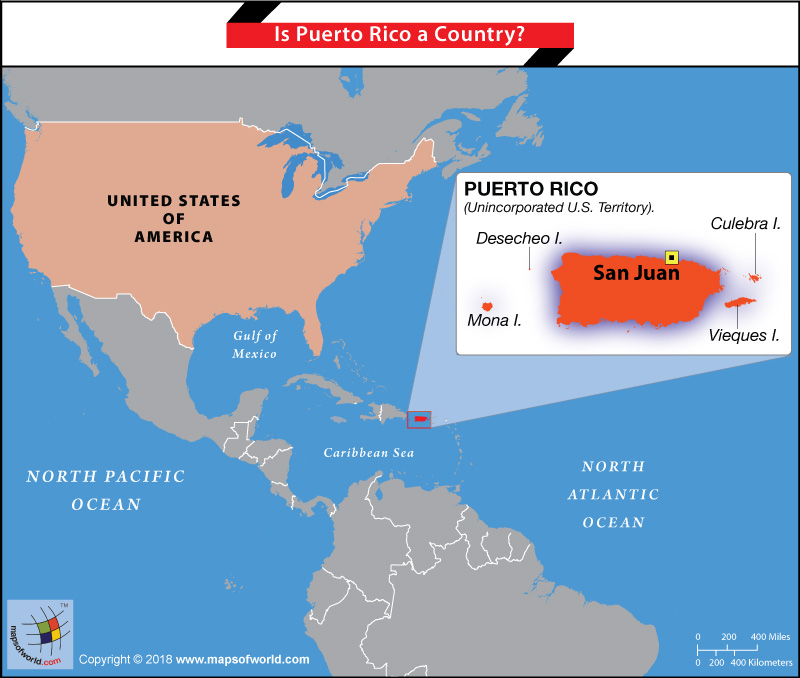
The question “Is Puerto Rico a state in the USA?” is one that often sparks curiosity, not just among those interested in global politics, but especially for travelers planning a visit to this vibrant Caribbean island. While the answer regarding its official status is straightforward, its implications for visitors and its unique cultural identity are far more complex and fascinating. Puerto Rico is not a state; it is a United States territory, specifically a commonwealth. This distinctive political relationship underpins much of what makes Puerto Rico such an exceptional destination, blending American convenience with a rich Latin American soul. For anyone considering a trip, understanding this status enriches the travel experience, shedding light on everything from its currency and language to its unique blend of history, culture, and governance.
The Unique Political Status of Puerto Rico
To truly appreciate Puerto Rico, one must first grasp its political standing. This island nation, nestled between the Caribbean Sea and the Atlantic Ocean, has a history intricately woven with that of the United States, yet it maintains a distinct identity that shapes every aspect of life there.
A Commonwealth, Not a State
Puerto Rico has been a territory of the United States since 1898, acquired from Spain after the Spanish-American War. In 1952, it adopted its current status as a Commonwealth of Puerto Rico. This means that while Puerto Ricans are U.S. citizens, they do not have voting representation in the U.S. Congress and cannot vote in presidential elections, even though they participate in presidential primaries. They pay federal taxes like Social Security and Medicare but are exempt from federal income tax. The island has its own constitution, government, and local laws, which often differ significantly from those in the fifty states. This unique arrangement grants Puerto Rico a considerable degree of self-governance while remaining under U.S. sovereignty.
Implications for Travel and Visitors
For travelers from the United States mainland, Puerto Rico’s commonwealth status translates into a remarkably convenient travel experience. There is no passport required for U.S. citizens, as travel between the mainland and the island is considered domestic. This eliminates the need for customs and immigration checks, making the journey as seamless as flying from New York to Florida. The official currency is the United States Dollar, simplifying transactions and budgeting. Major U.S. banks operate on the island, and credit cards are widely accepted. English is an official language alongside Spanish, especially in tourist areas, though learning a few Spanish phrases will greatly enhance your interaction with locals and show respect for their culture. U.S. domestic flight rules apply, meaning no international baggage restrictions or security protocols beyond those for mainland flights. This ease of access, combined with its exotic allure, positions Puerto Rico as an ideal destination for those seeking an international feel without the complexities of foreign travel.
Why Puerto Rico is a Dream Destination
Beyond its political nuances, Puerto Rico is, first and foremost, an extraordinary travel destination. It offers a captivating blend of historical depth, vibrant culture, stunning natural beauty, and a dynamic culinary scene. From sun-drenched beaches and lush rainforests to historic cities and lively nightlife, the island promises an unforgettable experience for every type of traveler.
Unveiling San Juan’s Charms
The capital city of San Juan is often the gateway to Puerto Rico and a destination in itself. Its crown jewel is Old San Juan, a UNESCO World Heritage Site famed for its colorful colonial architecture, cobblestone streets, and imposing fortresses. Walking through Old San Juan’s narrow lanes is like stepping back in time, with every corner revealing a new photographic opportunity or a hidden gem.
The formidable Castillo San Felipe del Morro (El Morro) and Castillo San Cristóbal stand sentinel over the bay, testaments to centuries of Spanish military engineering. These historic landmarks offer breathtaking ocean views and a profound sense of history. Nearby, La Fortaleza, the governor’s mansion and the oldest executive mansion in continuous use in the Americas, adds to the district’s regal charm.

Beyond the historical sites, Old San Juan buzzes with life. Art galleries, boutique shops, and a plethora of restaurants and bars line the streets. In contrast, the modern districts of Condado and Isla Verde offer a different pace, characterized by luxury hotels, high-rise apartments, and beautiful urban beaches. Here, visitors can indulge in world-class dining, upscale shopping, and a vibrant nightlife scene, often with live music and dancing. These areas are ideal for those seeking a luxurious lifestyle experience, with renowned resorts such as the Caribe Hilton or the San Juan Marriott Resort & Stellaris Casino offering exceptional amenities.
Beyond the Capital: Natural Wonders and Adventure
While San Juan captivates with its urban allure, Puerto Rico’s natural landscapes are equally, if not more, enchanting. The island is a biodiversity hotspot, boasting a variety of ecosystems that cater to adventurers and nature lovers alike.
The El Yunque National Forest is the only tropical rainforest in the U.S. National Forest System. Its verdant trails lead to spectacular waterfalls, natural pools, and panoramic viewpoints, all alive with the calls of native birds and the tiny coquí frog. Hiking through El Yunque offers a refreshing escape into nature, a stark contrast to the bustling city.
Puerto Rico is also home to some of the world’s most spectacular beaches. Flamenco Beach on the island of Culebra consistently ranks among the top beaches globally, famous for its crescent-shaped stretch of white sand and crystal-clear turquoise waters. Accessible by ferry or small plane, a day trip to Culebra is a must for beach enthusiasts. Other notable beaches include Luquillo Beach, with its calm, clear waters perfect for families, and the surfer’s paradise of Rincón on the west coast, renowned for its incredible waves and stunning sunsets.
For a truly unique experience, visit one of Puerto Rico’s three bioluminescent bays, particularly Mosquito Bay on Vieques. Paddling through the bay at night as the water glows with millions of microscopic organisms is a magical, once-in-a-lifetime adventure. The island also boasts impressive cave systems, such as the Camuy River Cave Park, one of the largest cave networks in the world, offering guided tours through immense caverns and underground rivers.
Experiencing Puerto Rico: Culture, Cuisine, and Lifestyle
The heart of Puerto Rico lies in its vibrant culture, a captivating blend of Taíno, Spanish, and African influences, seasoned with an American twist. This rich heritage is evident in its music, art, festivals, and, perhaps most deliciously, its cuisine.
A Culinary Journey
Puerto Rican cuisine is a revelation, a savory fusion known as “cocina criolla.” It’s characterized by bold flavors, fresh ingredients, and hearty portions. No visit is complete without trying Mofongo, a signature dish made from fried green plantains mashed with garlic, olive oil, and pork cracklings, often served with a choice of meat or seafood. Other staples include Lechón Asado (spit-roasted pork), Arroz con Gandules (rice with pigeon peas), and Pasteles (a traditional holiday dish similar to tamales).
The island’s food scene ranges from casual “kioskos” serving street food along the beach, such as fried plantains and empanadillas, to upscale restaurants in San Juan offering innovative takes on traditional dishes. Puerto Rico is also famously the birthplace of the Piña Colada, and you’ll find countless establishments claiming to serve the original. A visit to the Bacardi Distillery near San Juan offers an interesting look into the island’s rum-making heritage, complete with tastings.

For those interested in local produce and fresh goods, visiting local markets like La Placita de Santurce in San Juan offers an authentic glimpse into daily Puerto Rican life, transforming into a lively outdoor party hub by night with music and dancing.
Vibrant Festivals and Local Life
Puerto Rico’s cultural calendar is packed with festivals and celebrations that showcase its lively spirit. The San Sebastián Street Festival in Old San Juan each January is a grand spectacle of music, parades, and street vendors, drawing crowds from across the globe. Throughout the year, various towns host patron saint festivals, each offering a unique taste of local customs, traditional music like Salsa and Bomba y Plena, and delicious food.
The island’s lifestyle is generally relaxed and community-oriented. Families are central, and gatherings often involve good food, music, and dancing. The warmth and hospitality of the Puerto Rican people are legendary, making visitors feel welcome and truly immersed in the local culture. Whether you’re exploring the historic streets of Ponce, known for its neoclassical architecture and art museums, or simply enjoying a leisurely evening walk along the waterfront, the island’s vibrant pulse is undeniable.
Planning Your Puerto Rican Escape: Accommodation and Travel Tips
With its status as a U.S. territory, planning a trip to Puerto Rico is notably straightforward, yet its diverse offerings mean careful consideration of where to stay and what to do is key to maximizing your experience.
Where to Stay: Hotels, Resorts, and Unique Accommodations
Puerto Rico boasts a wide array of accommodation options to suit every budget and travel style. For luxury travelers, resorts like the Ritz-Carlton Reserve Dorado Beach offer unparalleled exclusivity and amenities on the beautiful northern coast, or the St. Regis Bahia Beach Resort provides serene elegance amidst a nature reserve. These high-end properties often feature private beaches, championship golf courses, and world-class spas, catering to a lifestyle of opulence.
Mid-range options are plentiful, particularly in San Juan’s Condado and Isla Verde areas. Brands like Marriott International, Hilton Worldwide, and Hyatt Hotels have a strong presence, offering comfortable rooms, pools, and convenient access to attractions. The El Conquistador Resort in Fajardo, with its own private island, is another popular choice for families and those seeking extensive facilities.
For a more authentic or budget-friendly experience, consider boutique hotels in Old San Juan, guesthouses (“paradores”) scattered across the island, or vacation rentals via platforms like Airbnb and VRBO. These options allow for a deeper immersion into local life, whether it’s staying in a historic building or renting a beach house in a quieter town like Rincón or Dorado Beach. For longer stays or a more independent travel style, apartments and villas are readily available, especially in areas like Palmas del Mar on the eastern coast, providing home-like comforts.
Essential Travel Advice
Navigating Puerto Rico is generally easy. Renting a car is highly recommended for exploring beyond San Juan, giving you the freedom to discover hidden beaches, mountain towns, and natural wonders like the Arecibo Observatory. Roads are generally well-maintained, but be prepared for narrower, winding roads in rural areas. Public transportation is limited outside the capital.
When it comes to packing, lightweight clothing, swimwear, sun protection (sunscreen, hats, sunglasses), and comfortable walking shoes are essentials. If you plan to hike in El Yunque or explore caves, water shoes and insect repellent are advisable. The weather is tropical year-round, with average temperatures in the 80s Fahrenheit (20s Celsius). Hurricane season officially runs from June to November, so travelers during this period should keep an eye on weather forecasts and consider travel insurance.
The official languages are Spanish and English. While English is widely spoken in tourist zones, especially in San Juan, many locals appreciate efforts to speak Spanish. Basic phrases like “Hola” (hello), “Gracias” (thank you), and “Por favor” (please) go a long way.
Safety is comparable to many U.S. cities. Standard travel precautions apply: be aware of your surroundings, especially at night, and safeguard your valuables. Emergency services are responsive, and the quality of healthcare facilities is good, particularly in San Juan.
In conclusion, while Puerto Rico is not a state, its unique relationship with the United States offers a multitude of benefits for travelers seeking an accessible yet exotically rich Caribbean experience. From the convenience of domestic travel and currency to the profound cultural immersion and stunning natural beauty, Puerto Rico stands out as a destination that seamlessly blends familiarity with captivating discovery. It’s an island that invites exploration, promising a journey filled with unforgettable memories, whether you’re lounging on a pristine beach, exploring ancient forts, or dancing the night away to Salsa rhythms.
LifeOutOfTheBox is a participant in the Amazon Services LLC Associates Program, an affiliate advertising program designed to provide a means for sites to earn advertising fees by advertising and linking to Amazon.com. Amazon, the Amazon logo, AmazonSupply, and the AmazonSupply logo are trademarks of Amazon.com, Inc. or its affiliates. As an Amazon Associate we earn affiliate commissions from qualifying purchases.