
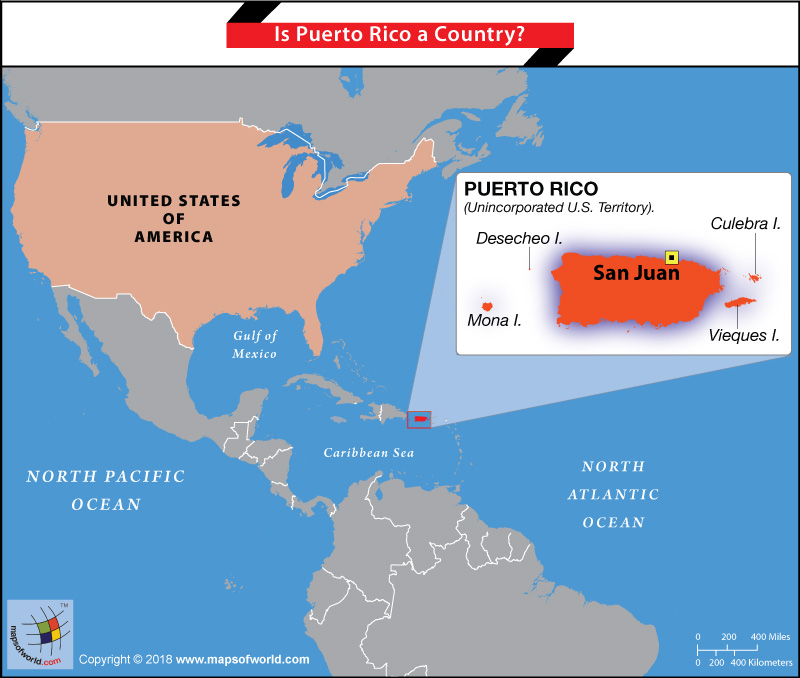
The question of whether Puerto Rico is a state of the United States is one that frequently arises, particularly for travelers planning a visit or for those interested in the unique geopolitical landscape of the Caribbean. While often perceived by many as “just another state,” the reality is more nuanced and holds significant implications for its governance, economy, and, crucially, the experience of tourism and travel. The straightforward answer is no, Puerto Rico is not a state; it is an unincorporated territory of the United States. This distinct status grants its residents United States citizenship but does not afford them the full political representation and rights enjoyed by residents of the 50 states.
This unique relationship has shaped Puerto Rico’s development in countless ways, from its infrastructure and economy to its vibrant culture, making it an endlessly fascinating destination for travelers seeking a blend of familiar and exotic. For those planning a trip, understanding this status is key to appreciating the island’s identity and navigating its travel landscape. From the ease of travel for U.S. citizens to the distinct cultural flavor that sets it apart from the mainland, Puerto Rico offers an unparalleled experience that is both accessible and deeply enriching. This article delves into the intricacies of Puerto Rico’s relationship with the United States, exploring its historical context, the practicalities for travelers, its allure as a premier travel destination, and the lifestyle it offers, all while clarifying its non-state status.
Understanding Puerto Rico’s Unique Status
The political status of Puerto Rico is a complex topic that has been debated for over a century, marked by a series of plebiscites and discussions about its future. While not a state, its ties to the United States are profound, impacting everything from its legal framework to the daily lives of its people.
The Commonwealth Status Explained
Puerto Rico operates as a commonwealth, a term that describes its relationship with the United States as an unincorporated territory. This means that while it is subject to the sovereignty of the United States and its residents are United States citizenship, the island is not fully integrated into the United States federal system. Puerto Ricans carry U.S. passports, use the U.S. dollar as currency, and are subject to federal laws, but they do not pay federal income tax on income earned within Puerto Rico and cannot vote in general elections for the President of the United States.
Furthermore, Puerto Rico has no voting representation in the United States Congress, though it does have a Resident Commissioner who can speak in the House of Representatives and vote in committees. This arrangement means that while federal agencies like the DEA and FBI operate on the island, Puerto Rico largely governs its internal affairs through its own constitution and elected government. For travelers, this unique status primarily translates into a seamless travel experience for U.S. citizens, akin to domestic travel, yet with the vibrant cultural distinctiveness of a foreign land.

A Glimpse into History
The journey to Puerto Rico’s current status began in 1898, at the conclusion of the Spanish-American War. Prior to this, Puerto Rico had been a colony of Spain for over 400 years. With the signing of the Treaty of Paris, Spain ceded Puerto Rico, along with Cuba and Guam, to the United States. Over the decades, its relationship with the U.S. evolved. In 1917, the Jones-Shafroth Act granted Puerto Ricans United States citizenship. Later, in 1952, Puerto Rico adopted its own constitution, establishing the Commonwealth of Puerto Rico, which allowed for greater self-governance.
Despite this, the debate over its ultimate political status—statehood, continued commonwealth status, or independence—has been a constant feature of Puerto Rican politics, with various plebiscites held over the years. Each vote has reflected a divided populace, underscoring the complexity and deep-seated emotions surrounding the island’s identity and future. This rich and often turbulent history has imbued Puerto Rico with a unique cultural blend, showcasing influences from its indigenous Taíno roots, centuries of Spanish colonization, and more than a century under the United States flag. Understanding this historical backdrop enhances any visitor’s appreciation of the island’s vibrant heritage, from its Old San Juan architecture to its contemporary art and music scenes.
Traveling to Puerto Rico: What to Expect as a U.S. Visitor
For travelers from the United States, the fact that Puerto Rico is a U.S. territory simplifies many aspects of travel, making it an incredibly accessible international-feeling destination without the usual hurdles. This ease of access, combined with its diverse offerings, positions Puerto Rico as a prime choice for everything from quick getaways to extended vacations.
Seamless Travel for U.S. Citizens
One of the most significant advantages for United States citizens traveling to Puerto Rico is the absence of passport requirements. Travel to Puerto Rico is considered domestic travel, meaning you only need a valid government-issued photo ID, such as a driver’s license, just as you would for any flight within the continental U.S. This eliminates the need for international travel documents, making spontaneous trips much easier to plan. The currency used is the U.S. dollar, which means no exchange rates to calculate and no need for currency conversion, simplifying budgeting and transactions.
Flights depart from numerous cities across the United States and arrive at Luis Muñoz Marín International Airport (SJU) in Carolina, near San Juan. Upon arrival and departure, travelers go through standard TSA security procedures, identical to those at any other U.S. airport, rather than international customs and immigration. This seamless process significantly reduces travel stress and wait times. English is widely spoken, especially in tourist areas, government offices, and businesses, alongside the official language, Spanish. While knowing some basic Spanish phrases is always appreciated and can enhance your experience, it is not strictly necessary for navigation or communication in most parts of the island. This linguistic accessibility, combined with the convenience of domestic travel, makes Puerto Rico an ideal destination for first-time international travelers or those seeking an easy, hassle-free escape.
Entry Requirements for International Travelers
While U.S. citizens enjoy frictionless travel to Puerto Rico, international travelers must adhere to the same entry requirements as they would for visiting the continental United States. This means a valid passport and, depending on the country of origin, a U.S. visa or eligibility for the Visa Waiver Program. All international arrivals will undergo customs and immigration checks by the Department of Homeland Security upon entry. The same rules regarding permitted goods, agricultural restrictions, and duration of stay apply to Puerto Rico as they do to any other U.S. port of entry. It’s crucial for international visitors to plan accordingly, ensuring all necessary documentation is in order well in advance of their trip to avoid any complications. Once on the island, however, the experience of exploring its beauty and culture is universal, offering a warm welcome to all who visit.
Infrastructure and Connectivity
Puerto Rico’s infrastructure, largely supported by federal funds and its commonwealth status, is generally robust and comparable to many parts of the mainland U.S. The main international gateway, Luis Muñoz Marín International Airport, is modern and well-connected, handling millions of passengers annually. The island boasts a comprehensive road network, making it easy to rent a car and explore the diverse landscapes. Many major rental car agencies have a presence at the airport and in major cities like San Juan. Public transportation options vary by region, with reliable taxi services, ride-sharing apps, and some local bus routes available in urban areas.
In terms of connectivity, visitors can expect excellent mobile phone coverage across most of the island, with U.S. carriers typically offering service without roaming charges, treating Puerto Rico as part of their domestic network. Wi-Fi is widely available in hotels, resorts, cafes, and many tourist attractions. Banking services are readily accessible, with ATMs found throughout cities and towns, and credit cards are widely accepted. This modern infrastructure ensures that visitors can enjoy a comfortable and convenient travel experience, staying connected and navigating the island with ease while still immersing themselves in its unique charm and natural beauty.
Puerto Rico as a Premier Travel Destination
Beyond its political status, Puerto Rico truly shines as a world-class travel destination, offering an incredibly diverse array of experiences that cater to every type of traveler. From pristine beaches and lush rainforests to historic cities and vibrant nightlife, the island promises an unforgettable adventure.
Diverse Landscapes and Natural Wonders
Puerto Rico’s natural beauty is breathtakingly varied, making it a paradise for outdoor enthusiasts and nature lovers. The jewel in its crown is the El Yunque National Forest, the only tropical rainforest in the U.S. National Forest System. Here, visitors can hike through verdant trails, discover hidden waterfalls like La Mina Falls, and marvel at the incredible biodiversity. The forest is home to unique flora and fauna, including the coquí frog, whose distinctive calls fill the evening air.
The island is also famously home to three of the world’s five bioluminescent bays, a truly magical natural phenomenon. Mosquito Bay on Vieques is widely considered the brightest, offering an ethereal glow as microscopic organisms light up with every disturbance. Other stunning bioluminescent bays include Laguna Grande in Fajardo and La Parguera in Lajas.
For beach lovers, Puerto Rico boasts some of the most beautiful coastlines in the Caribbean. Flamenco Beach on the island of Culebra consistently ranks among the top beaches globally, known for its pristine white sands and crystal-clear turquoise waters. On the main island, Luquillo Beach near Fajardo offers calm waters perfect for families, along with convenient amenities and food kiosks. Beyond beaches, adventurers can explore the vast underground river system at Rio Camuy Cave Park, one of the largest cave networks in the world, or hike through the central mountainous region, offering panoramic views of the island’s interior. The island’s position as part of the Greater Antilles in the Atlantic Ocean also blesses it with consistent trade winds, making it a hub for various water sports such as surfing, kitesurfing, and sailing.
Rich Culture and History
Puerto Rico’s cultural tapestry is a vibrant blend of indigenous Taíno, Spanish, and African influences, enriched by its century-long connection with the United States. This rich heritage is most strikingly evident in Old San Juan, a UNESCO World Heritage Site. Strolling through its cobblestone streets, visitors are transported back in time, surrounded by brightly colored colonial buildings, historic plazas, and impressive fortifications. The iconic fortresses of El Morro and Castillo de San Cristóbal, once vital in defending the city, now offer fascinating insights into military history and stunning views of the Atlantic Ocean.
Beyond the historical landmarks, Puerto Rican culture thrives in its music, art, and festivals. The rhythmic beats of salsa and reggaeton permeate the air, inviting locals and visitors alike to dance. Local artisans showcase their crafts in galleries and markets, offering unique souvenirs. The island’s culinary scene is a highlight, a delicious fusion of flavors. Staples like mofongo (mashed plantains with garlic and pork cracklings), slow-roasted lechón (pork), and fresh seafood are must-tries. And, of course, no visit is complete without enjoying a refreshing Piña Colada, which was invented in Puerto Rico. Throughout the year, numerous festivals celebrate everything from religious holidays to local produce, providing an authentic glimpse into the island’s lively spirit and traditions.
Accommodation and Lifestyle Options
Puerto Rico’s tourism sector is well-developed, offering a vast range of accommodation options to suit every budget and travel style. For those seeking luxury, the island boasts world-class resorts like Dorado Beach, a Ritz-Carlton Reserve, known for its opulent beachfront villas and impeccable service, and the St. Regis Bahia Beach Resort, which offers an exclusive retreat amidst a natural wildlife sanctuary. These high-end properties provide exquisite amenities, gourmet dining, and private beach access, catering to discerning travelers.
In Old San Juan, boutique hotels like Hotel El Convento, housed in a meticulously restored 17th-century convent, offer a charming and historically rich stay, blending colonial elegance with modern comforts. For families, many resorts provide extensive kids’ clubs, water parks, and activities, ensuring an enjoyable vacation for all ages. Budget-conscious travelers can find numerous guesthouses, vacation rentals, and apartment-style accommodations, particularly outside the major resort areas, offering a more local and affordable experience. The advent of platforms for short-term rentals has also expanded options, from cozy studios to spacious villas.
The lifestyle on the island reflects a relaxed Caribbean pace infused with American conveniences. Weekends are often spent at the beach, exploring nature, or enjoying family gatherings with delicious food and music. Nightlife in San Juan is vibrant, with numerous bars, clubs, and live music venues. For business travelers, San Juan also hosts a modern Convention Center and a variety of business-friendly hotels with conference facilities, making it suitable for corporate events and meetings. Whether you’re looking for a luxurious escape, an adventurous expedition, or a culturally immersive journey, Puerto Rico’s diverse accommodation and lifestyle offerings ensure a memorable visit tailored to your preferences.
The Economic and Lifestyle Impact of its Status on Tourism
Puerto Rico’s unique political status as a U.S. territory has a profound influence on its economy and the lifestyle of its residents, directly impacting the tourism industry and the overall visitor experience. This status allows for a blend of federal support and local autonomy, creating an economic environment that is distinct from both U.S. states and independent nations.
Investment and Development
The relationship with the United States has brought both advantages and challenges for Puerto Rico’s economic development. Federal aid plays a crucial role in supporting the island’s infrastructure, including roads, airports, and utilities, which are essential for a thriving tourism industry. This investment ensures that travelers have access to modern facilities and reliable services. Additionally, U.S. federal laws and regulatory frameworks provide a level of stability and familiarity that can be appealing to investors, particularly in sectors like hotels and resorts.
Over the years, Puerto Rico has also implemented local tax incentive laws, such as Acts 20 and 22 (now subsumed under Act 60), designed to attract foreign investment and individuals to the island by offering significant tax exemptions. These incentives have encouraged high-net-worth individuals and businesses to relocate to Puerto Rico, indirectly boosting the local economy and contributing to the development of luxury accommodation and high-end services that appeal to upscale travelers. While these policies have sparked debate, their impact on the tourism landscape, particularly in areas like Dorado and San Juan, is undeniable, fostering growth in areas like luxury travel. This dual influence of federal support and targeted local incentives shapes the investment climate, driving the continuous enhancement of tourist facilities and experiences.
Cost of Living and Travel
The cost of living in Puerto Rico is generally lower than in many U.S. states, particularly in the continental U.S., but it can vary significantly depending on the region and the specific goods or services. While local produce and some services might be more affordable, many consumer goods, particularly imported items, can be more expensive due to shipping costs and tariffs. For travelers, this translates into a destination that offers a range of options from budget travel to opulent luxury.
Accommodation costs can range from affordable guesthouses and Airbnb rentals to premium suites and villas at five-star resorts. Dining out can be relatively inexpensive at local “chinchorros” (food stands) or mid-range restaurants, while fine dining experiences in San Juan or high-end resort areas are comparable to major U.S. cities. The absence of international flight requirements for U.S. citizens can also make airfare more competitive than to other Caribbean islands, further contributing to Puerto Rico’s appeal as an accessible destination. Overall, Puerto Rico presents a value proposition that often rivals its independent Caribbean neighbors, offering a compelling balance of quality experiences and manageable costs for diverse traveler segments.
Safety and Regulations
As a U.S. territory, Puerto Rico operates under U.S. federal laws, which applies to various aspects of safety and regulation, from consumer protection to environmental standards. Federal agencies such as the DEA and FBI have jurisdiction on the island, contributing to a stable legal environment. The local police force, the Puerto Rico Police Department, is responsible for maintaining public order and safety, similar to state-level law enforcement.
Healthcare facilities in Puerto Rico are generally good, especially in urban centers like San Juan, with modern hospitals and qualified medical professionals. Most U.S. health insurance plans are accepted, further providing peace of mind for American travelers. While, like any destination, it is advisable to exercise caution and be aware of one’s surroundings, particularly in less-trafficked areas or late at night, Puerto Rico generally presents a safe environment for tourism. The consistent application of U.S. federal standards across various sectors, coupled with local regulations, ensures a level of safety and reliability that visitors from the mainland United States have come to expect, making it a comfortable and secure choice for both family trips and solo adventures.
Conclusion
In addressing the central question, “Is Puerto Rico a State of the United States?”, the definitive answer is no; it is an unincorporated territory of the United States. However, this classification is far from a simple technicality; it profoundly shapes the island’s unique identity, its governance, its economy, and, most importantly for many, its appeal as a travel destination. For U.S. citizens, the non-state status of Puerto Rico translates into an incredibly convenient and accessible travel experience, offering the allure of an international trip without the need for a passport or currency exchange. This ease of travel, combined with the familiarity of U.S. laws and infrastructure, makes it an ideal choice for a stress-free getaway.
Yet, what truly sets Puerto Rico apart is its vibrant blend of cultures, its breathtaking natural beauty, and its rich history. From the ancient cobblestone streets of Old San Juan and the majestic fortresses of El Morro to the lush rainforest of El Yunque National Forest and the magical glow of its bioluminescent bays, the island offers a kaleidoscope of experiences. Whether you’re seeking a luxury travel escape at a five-star resort, an adventurous exploration of natural wonders, or an immersive journey into a captivating local culture and delicious food, Puerto Rico delivers. It is a destination where the comfort of the familiar harmonizes beautifully with the excitement of the exotic, creating memorable moments for every visitor.
Ultimately, Puerto Rico stands as a testament to resilience, beauty, and cultural richness. Its status as a territory rather than a state does not diminish its vibrancy or its ability to enchant visitors; instead, it contributes to its distinct character. So, while it may not be the 51st state, Puerto Rico certainly offers a world-class experience that makes it a must-visit destination. Discover the magic of Puerto Rico for yourself, and experience a unique slice of paradise that is both proudly Puerto Rican and deeply connected to the United States.
LifeOutOfTheBox is a participant in the Amazon Services LLC Associates Program, an affiliate advertising program designed to provide a means for sites to earn advertising fees by advertising and linking to Amazon.com. Amazon, the Amazon logo, AmazonSupply, and the AmazonSupply logo are trademarks of Amazon.com, Inc. or its affiliates. As an Amazon Associate we earn affiliate commissions from qualifying purchases.