
The question “Is Puerto Rico cheap?” is a common one for travelers dreaming of sun-drenched beaches, vibrant culture, and historical landmarks. As a U.S. territory, Puerto Rico offers the unique convenience of traveling without a passport for U.S. citizens, using the U.S. dollar, and experiencing a rich blend of Caribbean and American influences. However, the answer to its affordability is complex, often depending on your travel style, preferences, and how savvy you are at finding deals. While it might not always rival destinations like Mexico or parts of the Dominican Republic in terms of rock-bottom prices, Puerto Rico can certainly be an affordable and incredibly rewarding destination, particularly when compared to other Caribbean islands or even parts of the continental United States.
Understanding the cost of a trip to Puerto Rico requires a deeper dive into its various facets: accommodation, transportation, food, activities, and overall lifestyle choices. The island caters to a wide spectrum of budgets, from luxury seekers indulging in opulent resorts to backpackers embracing budget-friendly guesthouses and local experiences. This article aims to break down the expenses you can expect, offering insights and tips on how to make your visit to this enchanting island both memorable and kind to your wallet.
Deconstructing the Costs: Accommodation in Puerto Rico
Accommodation is often the most significant expense in any travel budget, and Puerto Rico presents a varied landscape of lodging options. The key to finding affordable stays lies in understanding the different categories and where to look.
Hotels and Resorts: From Luxury to Budget-Friendly Stays
For those seeking an indulgent escape, Puerto Rico boasts world-class resorts and luxury hotels, particularly in areas like San Juan and Dorado. Properties such as the iconic Condado Vanderbilt Hotel in the upscale Condado district offer lavish suites, exquisite dining, and premium amenities, with prices reflecting their exclusivity. Similarly, the sprawling El Conquistador Resort near Fajardo provides a full-service experience with private islands and water parks, commanding higher price points, especially during peak season (mid-December to May). Expect to pay anywhere from $300-$800+ per night for such high-end options.
Mid-range hotels provide a comfortable balance of amenities and cost. Boutique hotels in historic districts like Old San Juan or vibrant neighborhoods such as Santurce offer character and convenience without the hefty price tag of luxury resorts. These often come with charming courtyards, local artwork, and a more intimate atmosphere, typically ranging from $150-$250 per night. In surf towns like Rincon on the west coast, you’ll find numerous guesthouses and smaller hotels that cater to a more laid-back crowd, often with ocean views and direct beach access for similar mid-range prices.
Budget travelers will be pleased to find a growing number of hostels and more basic guesthouses. Areas like Santurce and parts of Old San Juan have hostels offering dorm beds for as low as $30-$50 a night, a fantastic option for solo travelers or those prioritizing experiences over opulent lodging. These often provide communal kitchens, making it easier to save on food costs, and are excellent places to meet fellow travelers. Independent hotels outside the major tourist hubs can also offer significant savings, though they might require a rental car for accessibility.
Alternative Accommodations: Villas, Apartments, and Long-Term Stays
Beyond traditional hotels, Puerto Rico has a robust market for alternative accommodations, which can often be more cost-effective, especially for families, groups, or extended stays. Platforms like Airbnb and VRBO list thousands of properties across the island, from simple studio apartments in bustling urban centers to spacious beachfront villas. Renting an entire apartment or house can provide more space, privacy, and the invaluable amenity of a kitchen, allowing you to prepare some of your meals and significantly reduce dining expenses.
For a week-long stay, a two-bedroom apartment or a small house might cost between $100-$300 per night, which, when split among multiple travelers, can be substantially cheaper than individual hotel rooms. Long-term stays of a month or more often come with significant discounts, making Puerto Rico an attractive option for digital nomads or those seeking an extended winter escape. These types of accommodations are particularly prevalent in popular areas like San Juan, Rincon, and Vieques, allowing travelers to immerse themselves more deeply in local life.
Navigating Transportation and Activities: Making Your Dollar Go Further
Once accommodation is sorted, the next major consideration is how you’ll get around and what activities you’ll pursue. Puerto Rico’s diverse landscape, from historical cities to lush rainforests and pristine beaches, means exploring requires a plan.
Getting Around: Car Rentals, Public Transport, and Ride-Sharing
For many visitors, renting a car is almost essential to fully experience the island’s beauty beyond San Juan. This provides the freedom to explore remote beaches, drive through the central mountains, and visit attractions like El Yunque National Forest or the historic towns of the interior. Car rental costs can range from $30-$70 per day, depending on the season, vehicle type, and rental company. Factor in fuel costs, which are comparable to or slightly higher than the U.S. mainland. Picking up your rental at Luis Muñoz Marín International Airport (SJU) is convenient, but sometimes off-airport rentals can be cheaper.
Public transportation in Puerto Rico is limited, primarily serving San Juan and its immediate surroundings. The city has a bus system and the Tren Urbano, an urban train, which are very affordable for getting around specific routes within the metropolitan area. However, they don’t cover tourist-heavy destinations comprehensively, and schedules can be infrequent. Outside San Juan, public transport is virtually non-existent for tourists, often relying on públicos (shared vans/minibuses) which operate on fixed routes but can be challenging to navigate without local knowledge and Spanish language skills.
Ride-sharing services like Uber and Lyft are readily available in San Juan and other major cities, offering a convenient alternative to taxis, often at a lower price. This can be a good option for airport transfers or short trips within urban areas. However, for exploring the wider island, a rental car remains the most practical and efficient choice, despite the added cost.
Attractions and Experiences: Free vs. Paid Adventures
Puerto Rico shines brightly when it comes to free or low-cost activities, allowing travelers to experience its rich natural and cultural heritage without breaking the bank. The island is blessed with hundreds of stunning beaches, almost all of which are free to access. Luquillo Beach on the northeast coast, known for its calm waters and palm trees, and the world-renowned Flamenco Beach on the offshore island of Culebra are prime examples where you can spend an entire day enjoying the sun and sea at no cost (beyond ferry tickets to Culebra).
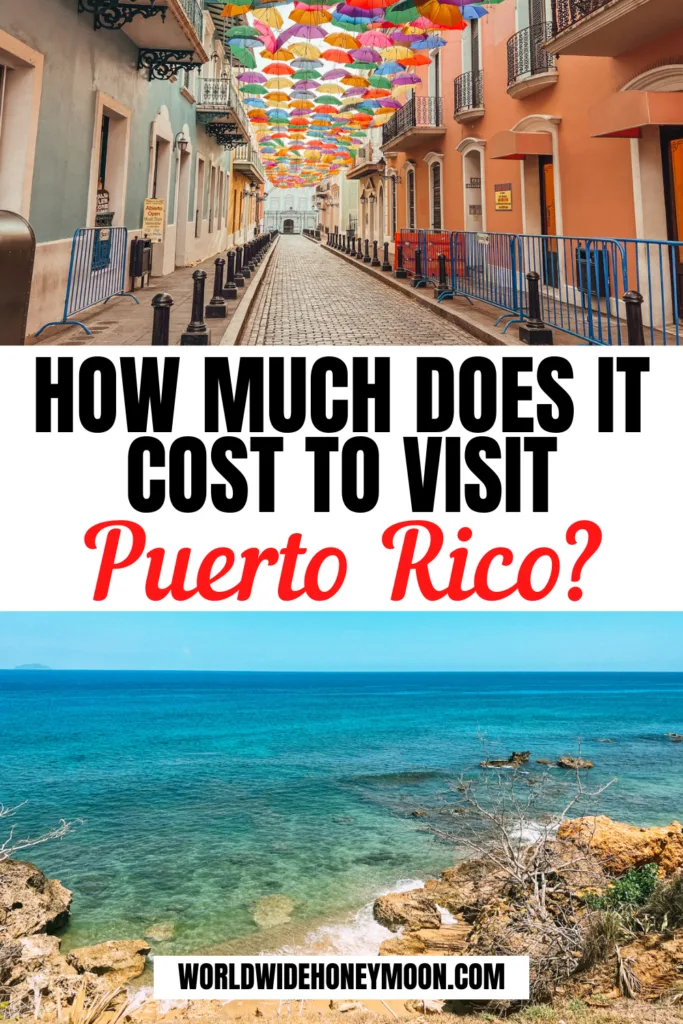
Exploring Old San Juan is another incredible free activity. Wandering its cobblestone streets, admiring the colorful colonial architecture, and soaking in the history requires nothing but comfortable shoes. While entrance to the magnificent forts like Castillo San Felipe del Morro and Castillo San Cristóbal does have an admission fee (typically $10-$15 for a combined pass, valid for 7 days), the views and historical significance are well worth it. Many museums, like the Museo de Arte de Puerto Rico in Santurce, also offer free admission days or reduced rates.
Nature lovers will find endless free opportunities in El Yunque National Forest, the only tropical rainforest in the U.S. National Forest System. Hiking its trails, discovering waterfalls, and enjoying the lush biodiversity costs only a nominal reservation fee for timed entry, if applicable, during peak seasons or specific access points.
For paid activities, Puerto Rico offers unique experiences. A bioluminescent bay tour is a must-do, with three bays on the island (Laguna Grande in Fajardo, Mosquito Bay on Vieques, and La Parguera on the southwest coast). These tours typically range from $40-$70 per person. Visiting Casa Bacardí, one of the world’s largest rum distilleries, near San Juan offers tours starting around $15-$25. Scuba diving, snorkeling excursions, and catamaran trips will naturally add to the budget, often ranging from $60 to $150+ depending on the duration and inclusions.
Culinary Delights and Local Lifestyle: Eating Well on a Budget
Food is an integral part of any travel experience, and Puerto Rico’s culinary scene is a delightful fusion of Spanish, African, and Taíno influences. Eating well doesn’t necessarily mean spending a fortune.
Food Costs: Dining Out vs. Cooking In
Dining out in Puerto Rico can range dramatically in price. High-end restaurants in Condado or Old San Juan will have prices comparable to major U.S. cities, with entrees often starting at $30-$50. Mid-range restaurants, offering a mix of international and local cuisine, might see entrees in the $15-$25 range.
However, the true gems for budget-conscious foodies are the local eateries. Seek out chinchorros (roadside kiosks), panaderías (bakeries), and lechoneras (pig roast restaurants). In places like Guavate, the “Pork Highway,” you can feast on succulent lechón (roast pork) with sides like arroz con gandules (rice with pigeon peas) and pasteles for under $15 a plate. Street food is another fantastic and affordable option: empanadillas (fried turnovers), alcapurrias (fritters), and pinchos (kebabs) can be found for a few dollars each, making for delicious and cheap meals or snacks.
If you opt for an accommodation with a kitchen, grocery shopping can significantly cut down costs. Supermarket prices are generally similar to the continental United States, though some imported items may be pricier due to shipping. Local produce from farmers’ markets can offer great value. Cooking breakfast and a few dinners can save hundreds of dollars over a week-long trip.
Lifestyle and Budget Travel Tips
To truly make Puerto Rico cheap, or at least more affordable, consider these lifestyle adjustments and budget travel tips:
- Travel during Shoulder Season: The best times to visit for lower prices and fewer crowds are typically late spring (May-June) or early fall (September-November). Avoid peak winter holidays and spring break, when prices for flights and accommodation soar. The summer months can be hot and humid, and it’s hurricane season (June-November), but travel deals can be found.
- Book in Advance: Especially for flights and popular accommodations, booking several months ahead can yield significant savings. Flexibility with your travel dates can also lead to cheaper airfares.
- Embrace Local Experiences: Focus on the free and low-cost attractions. Spend your days on the beach, hiking in nature reserves, and exploring charming towns. Many cultural events, particularly festivals and concerts in plazas, are free to attend.
- Eat Local: Prioritize chinchorros, panaderías, and local family-run restaurants over tourist traps. Not only will you save money, but you’ll also get a more authentic taste of Puerto Rico’s culinary heritage.
- Hydrate Smart: Tap water is generally safe to drink in Puerto Rico, but many travelers prefer bottled water. To save money and reduce plastic waste, consider bringing a reusable water bottle and refilling it.
- Consider a Travel Card with No Foreign Transaction Fees: While Puerto Rico uses the U.S. dollar, some credit cards may still charge foreign transaction fees. Using a card that waives these fees can save a small percentage on all your purchases.
The True Cost of a Puerto Rican Adventure
So, is Puerto Rico cheap? The honest answer is that it’s as cheap or as expensive as you make it. It’s not a budget destination on par with some parts of Southeast America or Europe, but it offers excellent value for a Caribbean island that is part of the United States. You can easily spend $500+ per person per day on a luxury trip, staying at a high-end resort, dining at gourmet restaurants, and enjoying private tours. Conversely, a budget traveler could comfortably get by on $70-$100 per person per day by staying in hostels or affordable Airbnbs, cooking some meals, utilizing public transportation or ride-sharing, and focusing on free attractions. A mid-range traveler aiming for comfortable lodging, a mix of local and mid-tier restaurants, and a few paid excursions might budget around $150-$250 per person per day.
What makes Puerto Rico particularly attractive is its accessibility for U.S. citizens, the lack of currency exchange hassles, and the vibrant cultural tapestry it presents. It offers a unique blend of convenience and exotic adventure. By being strategic with your accommodation choices, open to local food experiences, and prioritizing free natural attractions, you can experience the island’s captivating charm without breaking the bank. Puerto Rico may not always be “cheap,” but the value and richness of the experience it provides often far outweigh the cost.