
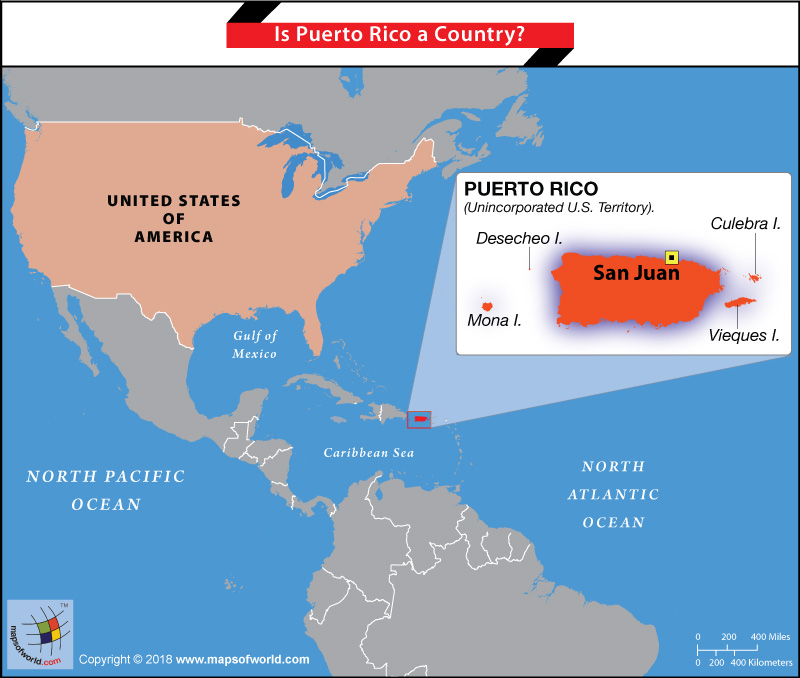
The question “Is Puerto Rico in the United States?” is one that often sparks confusion and curiosity, especially among prospective travelers. The simple answer is yes, but the full explanation of its unique political status, vibrant culture, and unparalleled travel experiences is far more complex and captivating. Puerto Rico is a U.S. territory, or commonwealth, meaning it is under the sovereignty of the United States but is not one of the 50 states. This distinctive relationship offers an extraordinary blend of American convenience and rich Caribbean charm, making it an incredibly appealing destination for travelers seeking diverse experiences without the hassle of international travel.
This article delves into the intricacies of Puerto Rico’s status, its fascinating history, the seamless travel experience it offers to U.S. citizens, and the myriad of attractions that make it a premier choice for tourism and accommodation. From its lush rainforests and pristine beaches to its historic cities and delicious cuisine, Puerto Rico promises an unforgettable adventure, all within the framework of the U.S. system.
The Political Landscape: A Commonwealth of the U.S.
To truly appreciate Puerto Rico, one must first understand its foundational political status. It’s a relationship forged over a century ago, shaping everything from its governance to the daily lives of its residents and, importantly, the ease with which visitors can explore its wonders.
Understanding Puerto Rico’s Unique Status
Puerto Rico is an unincorporated territory of the United States, formally known as the Commonwealth of Puerto Rico. What does this mean in practical terms? It signifies that while Puerto Rico is subject to U.S. federal laws, its residents do not have full constitutional rights as if they lived in a state, nor do they vote in U.S. presidential elections. However, they are U.S. citizens. This grants them the freedom to travel between the island and the mainland United States without a passport, a significant advantage for tourism.
The island also operates under its own constitution and has a locally elected governor and legislature, giving it a degree of self-governance. Its currency is the U.S. dollar, its postal service is the U.S. Postal Service, and its defense is managed by the U.S. military. These aspects contribute to a familiar and secure environment for American travelers, minimizing many of the logistical challenges often associated with international trips. The judicial system is based on U.S. federal law, though local civil law is based on Spanish tradition. Understanding this unique political framework is key to appreciating Puerto Rico’s distinct identity. It is neither fully independent nor a state, existing in a fascinating middle ground that shapes its economic, social, and cultural fabric.
Historical Context and Road to Commonwealth
The story of Puerto Rico’s relationship with the United States begins with centuries of Spanish colonial rule. Discovered by Christopher Columbus in 1493, the island remained a Spanish possession for over 400 years. Its strategic location in the Caribbean Sea made it a prized possession, leading to the construction of formidable fortifications like El Morro in San Juan.
The turning point came in 1898 with the Spanish-American War. As a result of this conflict, Spain ceded Puerto Rico, along with Cuba, Guam, and the Philippines, to the United States under the Treaty of Paris. For nearly two decades, the island was governed by the U.S. military. A significant step towards its current status occurred with the Jones-Shafroth Act (also known as the U.S. Citizenship Act of 1917), which granted U.S. citizenship to Puerto Rico residents.

In 1952, Puerto Rico adopted its own constitution, establishing the Commonwealth of Puerto Rico (Estado Libre Asociado in Spanish). This move, largely championed by then-governor Luis Muñoz Marín, marked a new era of self-governance while maintaining its unbreakable ties to the United States. This long and complex history has profoundly influenced Puerto Rico’s identity, fostering a unique blend of Spanish heritage and American influence that permeates its language, culture, and way of life.
Traveling to Puerto Rico: A Seamless Experience for U.S. Citizens
For residents of the United States, one of the most compelling reasons to visit Puerto Rico is the incredible ease of travel. It truly feels like an extension of domestic travel, eliminating many of the typical stresses associated with international trips.
Entry Requirements and Currency
The most significant advantage for U.S. citizens planning a trip to Puerto Rico is the absence of passport requirements. Since it’s a U.S. territory, you can travel there with the same identification you’d use for domestic flights, such as a valid driver’s license or state-issued ID. This immediately streamlines the planning process, removing the need for passport applications, renewals, or visa concerns. There are no customs declarations upon arrival or departure from the mainland, further simplifying the journey.
Furthermore, the official currency is the U.S. dollar, which means no currency exchange hassles or conversion fees. Travelers can use their existing credit cards, debit cards, and cash without worry. ATMs are readily available, and major banks like Chase, Bank of America, and Santander have a presence, often alongside local institutions. This financial familiarity makes managing expenses straightforward, whether you’re budgeting for a family trip or indulging in luxury travel experiences. The integration into the U.S. banking system and telecommunications network (major U.S. carriers operate seamlessly) means your cell phone will work without roaming charges, making communication and navigation effortless.
Navigating Local Laws and Language
While Puerto Rico is part of the U.S. system, it boasts a distinct cultural identity. The official languages are Spanish and English. While Spanish is the dominant language spoken by most residents, especially outside of major tourist hubs, English is widely understood and spoken, particularly in tourist areas, hotels, resorts, and by service staff. Travelers will find it easy to communicate their needs, order food, and get directions. Learning a few basic Spanish phrases, however, is always appreciated by locals and can enhance your experience of local culture.
The legal system in Puerto Rico blends elements of U.S. federal law and a local civil code system, which has roots in Spanish law. For visitors, this largely means that basic laws regarding public conduct, driving, and commerce are similar to those in the mainland United States. Driving is on the right side of the road, and traffic laws are generally consistent. However, always be mindful of local customs and etiquette. Embracing the local lifestyle, even if for a short trip, adds depth to the travel experience. Tips for responsible tourism often include respecting local traditions, supporting local businesses, and understanding the island’s environmental efforts, especially in protected areas like its national forests and bioluminescent bays.
Unveiling Puerto Rico’s Rich Tapestry: Culture, Attractions, and Lifestyle
Beyond its political status and ease of access, Puerto Rico is a treasure trove of cultural richness, breathtaking natural beauty, and diverse lifestyle options for every type of traveler. This is where the island truly shines as a premier tourism destination.
A Melding of Cultures: Food, Music, and Traditions
Puerto Rico’s culture is a vibrant fusion of Taíno, Spanish, and African influences, seasoned with a dash of American flavor. This melting pot is most evident in its gastronomy. Puerto Rican cuisine, or “cocina criolla,” is a delicious journey of robust flavors. Staples include mofongo (fried plantains mashed with garlic and pork cracklings), lechón (roast suckling pig), arroz con gandules (rice with pigeon peas), and pasteles (meat-filled masa wrapped in banana leaves). Seafood is abundant and fresh, a testament to its island location. And no visit is complete without trying a refreshing piña colada, which legend says was invented in San Juan. Local food tours are a fantastic way to dive deep into this culinary heritage.
Music and dance are the heartbeat of Puerto Rico. Genres like salsa, merengue, and reggaeton originated or flourished here, filling the streets and dance halls with infectious rhythms. Festivals, such as the San Sebastián Street Festival in Old San Juan, are colorful celebrations of music, art, and community, showcasing the island’s lively spirit and deep-rooted traditions. Local culture isn’t just observed; it’s experienced through interaction with the warm and welcoming boricuas, who are proud to share their heritage. From browsing local crafts to attending a live music performance, the cultural experiences are endless.
Iconic Landmarks and Natural Wonders
Puerto Rico is blessed with an incredible array of attractions, from historical marvels to pristine natural landscapes.
- Old San Juan: A UNESCO World Heritage site, this historic district is a feast for the senses with its cobblestone streets, colorful colonial buildings, and imposing fortresses like El Morro and La Fortaleza (the governor’s mansion). Walking tours offer a glimpse into centuries of history, while boutique shops and charming cafes invite leisurely exploration.
- El Yunque National Forest: The only tropical rainforest in the U.S. National Forest System, El Yunque is an ecological marvel. Hiking trails lead to stunning waterfalls, panoramic viewpoints, and opportunities to spot unique wildlife, including the coqui frog. It’s an essential destination for nature lovers and adventure seekers.
- Beaches: Puerto Rico boasts some of the world’s most beautiful beaches. Flamenco Beach on the island of Culebra is consistently ranked among the best globally for its powdery white sand and turquoise waters. Other notable beaches include those in Condado, Isla Verde (near San Juan), Dorado, and the surf haven of Rincón on the west coast.
- Bioluminescent Bays: Puerto Rico is home to three of the world’s few bioluminescent bays, notably in Vieques (Mosquito Bay), Fajardo, and Lajas (La Parguera). Kayaking through these bays at night, witnessing the water glow with every paddle stroke, is a truly magical and unforgettable experience.
- Ponce: Known as the “Pearl of the South,” Ponce offers exquisite architecture, charming plazas, and a vibrant art scene. Its historic city center provides a different perspective of the island’s colonial heritage.
- Arecibo Observatory: While the main dish unfortunately collapsed in 2020, the site of the Arecibo Observatory remains a significant landmark for science and astronomy enthusiasts.

Beyond these, attractions like the Bacardi Distillery offer tours into the island’s rum-making legacy. Every corner of Puerto Rico holds a story or a breathtaking view, inviting exploration.
Accommodation and Travel Styles
Puerto Rico’s accommodation scene caters to every budget and travel style, reinforcing its appeal as a versatile destination.
- Luxury Resorts: For those seeking an indulgent experience, Puerto Rico boasts world-class resorts like the St. Regis Bahia Beach Resort in Río Grande or the Dorado Beach, a Ritz-Carlton Reserve. These properties offer impeccable service, stunning oceanfront locations, private beaches, championship golf courses, and exquisite dining.
- Boutique Hotels: In Old San Juan, charming boutique hotels housed in restored colonial buildings offer a more intimate and historically rich stay, often with rooftop pools and panoramic views.
- Family-Friendly Options: Major hotel chains like Hilton, Marriott, and Wyndham have properties across the island, particularly in San Juan’s Condado and Isla Verde areas, providing amenities like kids’ clubs, large pools, and easy beach access, ideal for family trips.
- Vacation Rentals: For those preferring a more independent or long-term stay, platforms like Airbnb and VRBO offer a wide range of apartments, villas, and houses, providing local immersion and catering to various budget travel plans.
- Budget-Conscious Stays: Hostels and guesthouses are available, especially in areas like Rincón and parts of San Juan, providing affordable accommodation for backpackers and those on tighter budgets.
Whether you’re planning a romantic getaway, an adventurous solo trip, or a relaxing family vacation, Puerto Rico offers suitable accommodations to enhance your overall experience. Reviews and booking guides are readily available to help travelers compare options and find their perfect stay.
Planning Your Puerto Rico Adventure: Tips for Every Traveler
With its unique status and abundant offerings, planning a trip to Puerto Rico is exciting. A few practical tips can help ensure a smooth and enjoyable journey.
Getting Around and Practicalities
- Transportation: In San Juan and its immediate surroundings, taxis, ride-sharing services (like Uber), and public buses are available. However, to explore the island’s diverse regions and hidden gems, renting a car is highly recommended. Roads are generally well-maintained, but some rural areas can be winding and narrow. Be aware of local driving habits, which can be more aggressive than in some parts of the mainland.
- Safety: Like any travel destination, it’s wise to exercise general caution. Stick to well-lit areas at night, especially in urban centers, and be aware of your surroundings. Most tourist areas are safe, but it’s always good practice to check current local advisories.
- Tipping: Tipping customs are similar to the mainland United States, with 15-20% being standard for good service at restaurants and for taxi drivers.
- Electricity: The electrical outlets and voltage are the same as in the United States (120V, 60Hz), so no adapters or converters are needed for U.S. appliances.
- Time Zone: Puerto Rico observes Atlantic Standard Time (AST) year-round and does not observe daylight saving time. This means it’s one hour ahead of Eastern Standard Time (EST) during winter months and the same as Eastern Daylight Time (EDT) during summer.
Best Time to Visit and What to Pack
- Climate: Puerto Rico enjoys a tropical climate with warm temperatures year-round, averaging around 80°F (27°C). The dry season, typically from December to May, is considered the best time to visit, offering pleasant weather and lower humidity. The wet season, from June to November, corresponds with hurricane season, though severe storms are not a daily occurrence. Traveling during the shoulder seasons (late spring/early summer or late fall) can offer good weather with fewer crowds and potentially better deals on flights and hotels.
- What to Pack: Given the tropical climate, lightweight clothing, swimwear, and comfortable walking shoes are essential. If you plan to hike in El Yunque, consider waterproof gear and sturdy hiking sandals or shoes. Sunscreen, a hat, sunglasses, and insect repellent are must-haves. For evenings, a light sweater or jacket might be useful, especially in air-conditioned spaces or at higher elevations. Don’t forget your camera to capture the stunning scenery and vibrant local life!
Conclusion
So, is Puerto Rico in the United States? Undeniably, yes, in its capacity as a U.S. commonwealth, offering U.S. citizens the unparalleled convenience of domestic travel combined with the thrill of an international experience. This unique political status paves the way for a seamless journey, allowing visitors to immerse themselves fully in the island’s rich culture, explore its breathtaking landmarks, and indulge in its diverse lifestyle offerings without the typical travel hurdles.
From the historic cobblestones of Old San Juan to the verdant trails of El Yunque National Forest and the magical glow of its bioluminescent bays, Puerto Rico is a destination of incredible depth and beauty. Whether you seek luxury resorts, charming boutique hotels, or budget-friendly accommodations, the island provides a perfect backdrop for any travel style. It is a place where vibrant Caribbean rhythms meet American familiarity, creating an unforgettable vacation experience. Plan your adventure to Puerto Rico today and discover this captivating gem for yourself.
LifeOutOfTheBox is a participant in the Amazon Services LLC Associates Program, an affiliate advertising program designed to provide a means for sites to earn advertising fees by advertising and linking to Amazon.com. Amazon, the Amazon logo, AmazonSupply, and the AmazonSupply logo are trademarks of Amazon.com, Inc. or its affiliates. As an Amazon Associate we earn affiliate commissions from qualifying purchases.