
The question “Is Puerto Rico part of the USA?” often sparks curiosity and a touch of confusion for many prospective travelers. While its status might seem complex on paper, understanding Puerto Rico’s unique relationship with the United States is key to appreciating its vibrant culture, rich history, and incredible travel experiences. Far from being just another Caribbean island, Puerto Rico offers a distinctive blend of American convenience and captivating Caribbean charm, making it an exceptional destination for a wide array of travelers.
From pristine beaches and lush rainforests to historic cities and a pulsating culinary scene, Puerto Rico beckons adventurers, history buffs, and sun-seekers alike. This guide aims to demystify its political status and illuminate why this fascinating island commonwealth should be at the top of your travel list, detailing everything from the ease of travel for US citizens to the unparalleled attractions that await.
Understanding Puerto Rico’s Unique Relationship with the USA
To truly grasp what makes Puerto Rico so special, it’s essential to delve into its historical and political background. Its relationship with the United States is unlike that of any state or independent nation, giving it a distinctive identity that influences nearly every aspect of life on the island, including the travel experience.
A Brief History of Sovereignty and Status
The history of Puerto Rico is a tapestry woven with threads of indigenous heritage, Spanish colonialism, and American influence. Originally inhabited by the Taíno people, the island was claimed by Spain in 1493 during Christopher Columbus’s second voyage to the Americas. For over 400 years, Puerto Rico remained a Spanish colony, developing a distinct culture, language, and traditions that endure to this day. This deep Hispanic heritage is evident in the architecture of its cities, the rhythm of its music, and the warmth of its people.
However, the late 19th century brought a dramatic shift. Following the Spanish-American War in 1898, Puerto Rico, along with Cuba and the Philippines, was ceded to the United States under the Treaty of Paris. This marked the beginning of its complex relationship with its new sovereign. Over the subsequent decades, the island navigated various political changes, with its people eventually granted US citizenship in 1917 through the Jones-Shafroth Act. This act fundamentally altered the lives of Puerto Ricans, granting them rights and responsibilities akin to those of mainland citizens, yet without full representation in the US Congress or the ability to vote in presidential elections.

Current Political Status: A Commonwealth
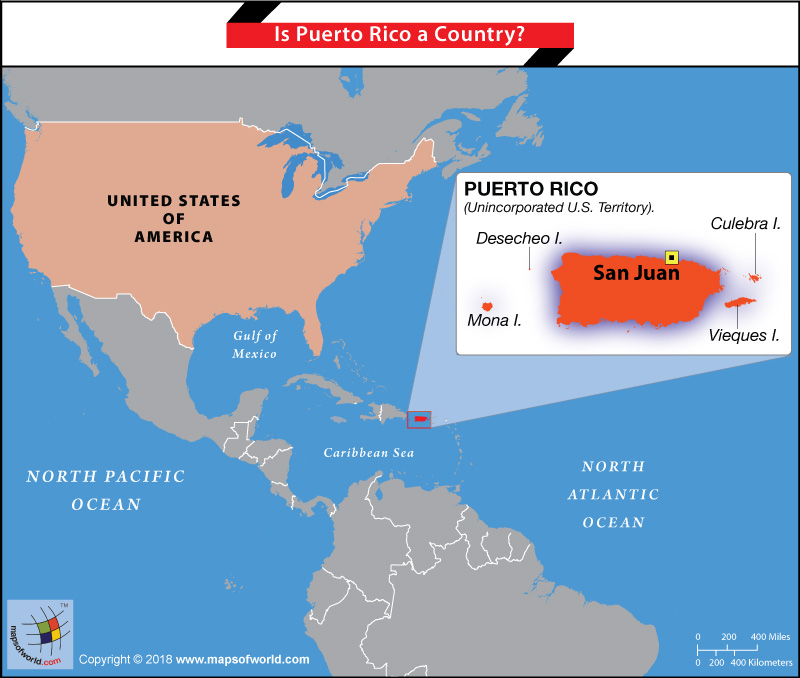
Today, Puerto Rico operates as a US Commonwealth, an unincorporated territory of the United States. This means it is subject to US federal law, but its residents do not pay federal income taxes (unless they work for the federal government or earn income from outside Puerto Rico). The island has its own constitution, its own elected governor, and a legislative assembly that manages local affairs. While it shares many legal and economic ties with the mainland, it maintains a unique political and cultural identity.
The question of Puerto Rico’s ultimate political status—whether it should become a US state, achieve full independence, or remain a commonwealth with enhanced autonomy—is a recurrent topic of debate on the island and in the United States. Various referendums have been held, reflecting the diverse opinions of the Puerto Rican populace. This ongoing discussion, while politically charged, doesn’t diminish the island’s appeal as a destination but rather adds another layer to its fascinating story. For travelers, understanding this commonwealth status is particularly important, as it directly impacts aspects like currency, language, and travel regulations.
What Puerto Rico’s US Connection Means for Travelers
For visitors, Puerto Rico’s status as a US Commonwealth offers a remarkable blend of exotic appeal and familiar convenience, making it an exceptionally accessible international-feeling destination without many of the typical international travel hurdles.
Ease of Travel for US Citizens
One of the most significant advantages for travelers from the United States is the sheer ease of access. Because Puerto Rico is a US territory, US citizens do not need a passport to travel to the island. A valid government-issued ID, such as a driver’s license, is sufficient for air travel, just as it would be for domestic flights within the continental United States. This eliminates the need for passport applications, renewals, and the associated fees and waiting times, simplifying trip planning considerably.
Furthermore, there are no customs declarations or immigration checks upon arrival or departure for US citizens, creating a seamless travel experience that feels much like visiting another state. This convenience extends to flight availability, with numerous direct flights from major US cities to San Juan’s Luis Muñoz Marín International Airport (SJU), making weekend getaways or longer vacations equally feasible. For international travelers, standard US visa requirements apply, but once on the island, they too enjoy the same benefits of US infrastructure.
Currency, Language, and Legal Framework
The conveniences extend beyond just travel documents. The official currency in Puerto Rico is the US Dollar, which means no need for currency exchange or complicated conversions. ATMs are widely available, and credit cards are accepted almost everywhere, from major resorts to local shops. This financial familiarity allows travelers to budget and spend with ease, avoiding potential hassles often associated with international travel.
While Spanish is the dominant language and an integral part of Puerto Rican culture, English is also an official language and widely spoken, especially in tourist areas, hotels, and major cities. Most signage is bilingual, and you’ll find that many locals in the hospitality industry are fluent in English. This linguistic bridge makes navigating the island straightforward for English-speaking visitors, while also offering an opportunity to practice some Spanish phrases for those eager to immerse themselves in the local culture.
In terms of legal framework, US federal laws apply in Puerto Rico, including consumer protections and safety regulations. This offers a level of reassurance and familiarity that might be absent in other Caribbean destinations. Utilities like electricity and cellular service operate on US standards, meaning your devices will work without adapters, and your phone plan likely won’t incur roaming charges (though it’s always wise to check with your provider). Banking, postal services, and emergency services also align with US systems, contributing to a sense of security and ease for travelers. This fusion of US standards with a distinct Latin American flair creates a travel experience that is both comfortably familiar and thrillingly exotic.
Discovering Puerto Rico: A Vibrant Travel Destination
Beyond its political status, Puerto Rico shines as a world-class travel destination, boasting a diverse landscape, a rich cultural heritage, and a dynamic local scene. It truly offers something for every type of traveler.
Iconic Landmarks and Natural Wonders
Puerto Rico’s landscape is incredibly varied, from sun-drenched beaches to mountainous rainforests. One of its crown jewels is the El Yunque National Forest, the only tropical rainforest in the US National Forest System. Here, adventurers can hike through lush trails, discover hidden waterfalls, and marvel at the exotic flora and fauna. The sounds of coqui frogs will serenade you as you explore this ecological marvel.
The capital city of San Juan is a destination in itself, particularly its historic district, Old San Juan. This UNESCO World Heritage site is a maze of cobblestone streets, colorful colonial buildings, and grand fortresses. The imposing Castillo San Felipe del Morro, a 16th-century citadel, stands proudly at the entrance to San Juan Bay, offering breathtaking views of the Atlantic Ocean. Nearby, La Fortaleza, the official residence of the Governor of Puerto Rico, showcases elegant architecture and centuries of history. Wandering through Old San Juan is like stepping back in time, with every corner revealing a new story.
For beach lovers, Puerto Rico offers an embarrassment of riches. Luquillo Beach, near Fajardo, is famous for its calm waters and palm-lined shores, perfect for families. The island of Culebra, a short ferry ride away, boasts Flamenco Beach, consistently ranked among the world’s best with its powdery white sand and turquoise waters. Surfers flock to the western town of Rincón, renowned for its epic waves and laid-back vibe.
Perhaps the most magical natural phenomenon are Puerto Rico’s bioluminescent bays. There are three such bays, with Mosquito Bay on Vieques island often cited as the brightest in the world. Kayaking through these waters at night, as millions of microscopic organisms light up with every paddle stroke, is an utterly unforgettable experience. Other notable natural attractions include the Cavernas del Río Camuy, a vast cave system offering subterranean adventures, and the natural reserves like Mona Island, often called the “Galapagos of the Caribbean.”
Culinary Delights and Local Culture
Puerto Rico’s culinary scene is a vibrant fusion of Taíno, Spanish, and African influences, known as comida criolla. Staples include mofongo (fried plantains mashed with garlic and pork cracklings), arroz con gandules (rice with pigeon peas), and lechón asado (slow-roasted pork). Travelers can savor these traditional dishes in quaint local eateries, known as chinchorros, or explore upscale restaurants that put a modern twist on classic flavors. For an authentic experience, head to Guavate, also known as the “Pork Highway,” a scenic route lined with open-air lechoneras serving delicious roasted pork.
The island’s culture is infused with music, dance, and a lively spirit. Salsa and bomba y plena rhythms fill the air, especially in neighborhoods like Loíza, where African heritage is particularly strong. Festivals, parades, and street parties are common occurrences, offering visitors a chance to witness the infectious joy of the Boricua people. Don’t miss the opportunity to visit the Bacardi Distillery, one of the world’s largest rum distilleries, for a tasting and a fascinating tour of rum production. Art galleries, particularly in Old San Juan and Ponce, showcase local talent, from intricate lace work to vibrant paintings. Museums like the Museo de Arte de Ponce house impressive collections of European and Puerto Rican art, offering a deeper dive into the island’s artistic legacy.
Accommodation Options: From Luxury Resorts to Boutique Stays
Finding the perfect place to stay in Puerto Rico is easy, thanks to a wide range of accommodation options catering to every budget and travel style. From opulent five-star resorts to charming boutique hotels and cozy guesthouses, the island provides a welcoming retreat after a day of exploration.
For those seeking luxury, areas like Dorado and Bahía Beach offer world-class resorts such as Dorado Beach, a Ritz-Carlton Reserve and The St. Regis Bahia Beach Resort. These properties often boast private beaches, championship golf courses, exquisite dining, and indulgent spa services, perfect for a pampered escape. In San Juan, the upscale neighborhoods of Condado and Isla Verde are home to numerous large-scale hotels like the Fairmont El San Juan Hotel, Caribe Hilton, and San Juan Marriott Resort & Stellaris Casino, many offering direct beach access, pools, and vibrant nightlife.
Travelers looking for a more intimate and culturally immersive experience can opt for boutique hotels in Old San Juan, such as O:live Boutique Hotel, or charming guesthouses in coastal towns like Rincón, where options like the Rincon Beach Resort offer stunning sunsets and a relaxed atmosphere. Apartments and villas are also popular choices for families or groups seeking more space and amenities, often available through vacation rental platforms. For budget-conscious travelers, hostels and smaller inns provide affordable yet comfortable options, particularly in metropolitan areas and surf towns. Regardless of your preference, booking in advance, especially during peak season (December to April), is always recommended to secure the best rates and availability.
Planning Your Puerto Rico Adventure
With its irresistible allure, planning a trip to Puerto Rico is an exciting endeavor. A little preparation can go a long way in ensuring a smooth and unforgettable experience.
Getting There and Getting Around
As previously mentioned, flying into San Juan’s Luis Muñoz Marín International Airport (SJU) is the primary entry point for most international and US domestic travelers. SJU is a major hub with numerous direct flights from across the United States and other Caribbean and Latin American cities. For those heading to the west coast of the island, Rafael Hernández Airport (BQN) in Aguadilla offers another convenient option, particularly for budget airlines.
Once on the island, renting a car is highly recommended for exploring beyond San Juan. This provides the flexibility to discover hidden beaches, rainforest trails, and charming towns at your own pace. Major car rental companies operate at both airports. While driving, be aware that road signs are in Spanish and distances are in kilometers, though speed limits are in miles per hour. In San Juan, ride-sharing services like Uber and local taxis are readily available. For inter-island travel to places like Vieques and Culebra, ferries depart from Fajardo or Ceiba, and short domestic flights are also an option.
Tips for an Unforgettable Trip
To make the most of your Puerto Rican journey, consider these practical tips:
- Best Time to Visit: The dry season, from December to May, offers pleasant weather with less humidity and lower chances of rain, ideal for outdoor activities. However, the wet season (June to November) can still be enjoyable, and prices for flights and accommodations might be lower.
- Pack Smart: Bring light, breathable clothing for the tropical climate. Sunscreen, insect repellent (especially for evening activities in nature), a hat, and comfortable walking shoes are essentials. Don’t forget your swimwear for the beautiful beaches and a light jacket for cooler evenings or air-conditioned indoors.
- Embrace Local Culture: Learn a few basic Spanish phrases like “Hola” (hello), “Gracias” (thank you), and “Por favor” (please). Locals appreciate the effort, and it enhances your travel experience. Be open to trying new foods and participating in local festivities.
- Stay Hydrated: The tropical heat can be intense, so drink plenty of water. Fresh coconut water, widely available, is a delicious and refreshing option.
- Respect Nature: When visiting natural attractions like El Yunque or the bioluminescent bays, follow guidelines to protect the environment. Avoid littering and stay on marked trails.
- Consider Travel Insurance: While Puerto Rico is a US territory, unforeseen circumstances can always arise. Travel insurance can provide peace of mind for medical emergencies, trip cancellations, or lost luggage.
Embracing the Puerto Rican Lifestyle
More than just a destination, Puerto Rico offers a glimpse into a lifestyle that seamlessly blends tradition with modernity, relaxation with vibrant energy. The pace of life here is generally more relaxed than in many mainland US cities, encouraging visitors to slow down and savor the moment. This makes it an ideal spot for luxury travelers seeking exclusive resorts and bespoke experiences, families looking for kid-friendly adventures, or budget travelers exploring cultural depths without breaking the bank.
Whether you’re indulging in a wellness retreat at the Coamo Hot Springs, enjoying the bustling nightlife of La Concha Resort in Condado, or unwinding at a beachfront villa in Vieques, the island’s charm is undeniable. From the historic elegance of Serrallés Castle in Ponce to the pioneering science at the former Arecibo Observatory site, there’s a richness in the Puerto Rican narrative that appeals to all ages and interests.
The “Live out of the Box” philosophy truly resonates here, as the island encourages travelers to step outside their comfort zones, explore new horizons, and create unforgettable memories. Engage with locals, learn about their struggles and triumphs, and experience their unwavering hospitality. The resilience and spirit of the Puerto Rican people, particularly after facing natural disasters, are inspiring and contribute to the island’s unique character.
In conclusion, yes, Puerto Rico is part of the USA in its capacity as a commonwealth, offering all the conveniences of domestic travel for US citizens. But it is so much more than a mere territory. It is a world unto itself—a captivating island brimming with natural beauty, profound history, and an effervescent culture that promises an enriching and exhilarating journey. From its sun-kissed shores to its verdant rainforests and bustling city streets, Puerto Rico invites you to discover its magic and perhaps, leave a piece of your heart behind. Start planning your unforgettable Puerto Rican adventure today, and prepare to be enchanted.
LifeOutOfTheBox is a participant in the Amazon Services LLC Associates Program, an affiliate advertising program designed to provide a means for sites to earn advertising fees by advertising and linking to Amazon.com. Amazon, the Amazon logo, AmazonSupply, and the AmazonSupply logo are trademarks of Amazon.com, Inc. or its affiliates. As an Amazon Associate we earn affiliate commissions from qualifying purchases.