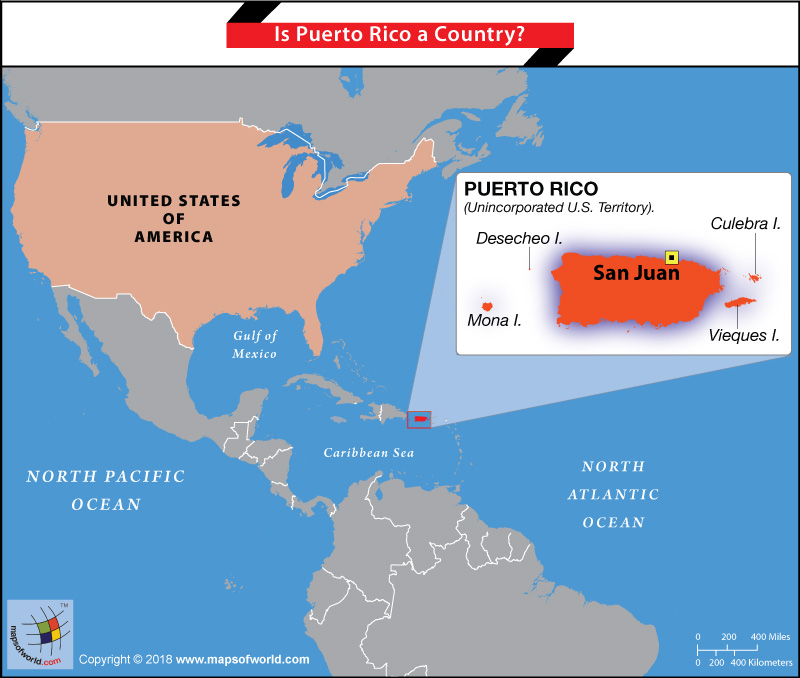
The question of whether Puerto Rico is a state of the United States is one that frequently arises, particularly among travelers and those planning a visit to this captivating Caribbean island. While the answer might seem straightforward to some, the reality of Puerto Rico’s political status is nuanced, impacting everything from its economy and governance to the unique cultural experience it offers. For anyone looking to explore its vibrant cities, pristine beaches, and lush rainforests, understanding this status is key to appreciating the island’s distinct identity and the seamless travel experience it provides for many.
Puerto Rico is not a state, but rather an unincorporated territory of the United States, officially known as the Commonwealth of Puerto Rico. This designation carries significant implications for both its residents and visitors. For U.S. citizens, travel to and from Puerto Rico is considered domestic travel, requiring no passport. The official currency is the U.S. dollar, and the postal service, federal courts, and other federal agencies operate on the island. Yet, despite these close ties, Puerto Rico governs itself with its own constitution, legislature, and judicial system, and its residents do not have voting representation in the U.S. Congress, nor do they vote in presidential elections, although they are U.S. citizens. This unique arrangement contributes to a blend of American convenience and vibrant Puerto Rican culture, creating an unparalleled destination for travel, tourism, and unforgettable experiences.

Understanding Puerto Rico’s Unique Status
To truly grasp what makes Puerto Rico such a fascinating destination, it’s essential to delve into its political framework and historical journey. The island’s status as a commonwealth of the United States is a defining characteristic, shaping its infrastructure, economy, and the daily lives of its people, which in turn influences the tourism landscape.
The Commonwealth Relationship with the United States
As an unincorporated territory, Puerto Rico occupies a unique position within the U.S. political system. It is neither a sovereign nation nor a state. This commonwealth status grants the island a degree of self-governance, allowing it to manage its internal affairs, including its own tax system, separate from the federal income tax system of the continental United States. However, federal laws generally apply, and the U.S. Congress retains ultimate authority over the territory. This means that while Puerto Rico has a distinctive political identity, it also benefits from many federal services and protections, including U.S. citizenship for its residents. For travelers, this translates into a destination that feels both familiar and exotic. The ease of using U.S. currency, the widespread use of English alongside Spanish, and the absence of international travel formalities for U.S. citizens significantly simplify the travel planning process, making it an accessible Caribbean getaway.

Historical Context and Political Aspirations
Puerto Rico’s relationship with the United States dates back to 1898 when it was ceded by Spain after the Spanish-American War. Over the decades, its political status has evolved, leading to the establishment of the Commonwealth in 1952. Since then, there has been an ongoing debate among Puerto Ricans regarding their future status. Options frequently discussed include statehood, enhanced commonwealth status, or full independence. These discussions reflect the diverse aspirations of the island’s population, with each option carrying different implications for its economic development, cultural preservation, and political representation.
From a lifestyle perspective, this ongoing dialogue adds a layer of depth to understanding Puerto Rico. The resilience, pride, and unique cultural blend that characterize the island are partly a product of its distinct political journey. Visitors will notice this in the vibrant local arts, the passionate discussions about identity, and the strong sense of community that permeates daily life. The historical backdrop informs the architectural beauty of cities like Old San Juan, the enduring traditions, and the welcoming spirit of its people. Whether exploring ancient fortifications or engaging with locals over a meal, the island’s history is an ever-present part of the experience, offering rich insights into its enduring charm and complexity.
Why Puerto Rico’s Status Matters for Travelers
For visitors, Puerto Rico’s commonwealth status provides a unique blend of convenience and exotic allure. It’s a destination that feels like an international escape without many of the typical international travel hurdles, especially for those coming from the continental United States. This makes it an ideal choice for a wide range of travel styles, from luxury getaways to budget-friendly family trips.
Seamless Travel for U.S. Citizens
One of the most significant advantages for U.S. citizens traveling to Puerto Rico is the ease of entry and exit. Since it’s a U.S. territory, passports are not required for U.S. citizens. A valid government-issued ID, such as a driver’s license, is sufficient for domestic flights. This streamlines the travel process considerably, eliminating the need for international customs and immigration procedures. Travelers can fly directly from numerous U.S. cities into Luis Muñoz Marín International Airport (SJU) in San Juan, making for a smooth journey from start to finish. This ease of access positions Puerto Rico as an attractive alternative to other Caribbean destinations that might require more extensive documentation, perfect for spontaneous trips or those traveling with families. Moreover, many U.S. airlines offer regular and affordable flights, contributing to its accessibility for various travel budgets.
Currency, Language, and Legal Framework
The common use of the U.S. dollar as the official currency further simplifies financial transactions for American visitors. There’s no need to exchange money, worry about fluctuating exchange rates, or understand unfamiliar denominations. This direct financial compatibility extends to banking and credit card usage, which operate as they would in the continental United States. While Spanish is the primary language and an integral part of Puerto Rican culture, English is widely spoken, especially in tourist areas, hotels, and major attractions. This linguistic duality ensures that visitors can navigate the island with relative ease, making inquiries, ordering food, and engaging in conversations without significant language barriers.
Furthermore, the legal framework largely mirrors that of the United States, providing a sense of familiarity and security for travelers. Consumer protections, road rules (driving is on the right, as in the U.S.), and business practices often align with those found on the mainland. This consistency helps to create a comfortable and predictable environment, allowing visitors to focus on enjoying their travel experiences rather than navigating complex legal or logistical differences. Whether booking accommodation, renting a car, or seeking medical services, the underlying systems offer a reassuring sense of normalcy.
Cultural Identity and Local Experiences
Despite its strong ties to the United States, Puerto Rico boasts a distinct and vibrant cultural identity, deeply rooted in its Taíno, Spanish, and African heritage. This rich blend is evident in every facet of island life, from its music and dance to its cuisine and traditions. Travelers seeking authentic local culture will find an abundance of experiences here. Enjoying live salsa music in a bustling plaza, savoring traditional dishes like mofongo, or participating in lively festivals such as the San Sebastián Street Festival offers a genuine taste of Puerto Rico.
The island’s unique status allows it to retain and celebrate its rich heritage while benefiting from its relationship with the United States. This creates a dynamic cultural landscape where traditional customs coexist with modern influences. Exploring landmarks like the historic fortresses of Old San Juan or visiting local artisan markets provides insights into the island’s past and present. This blend makes Puerto Rico an ideal destination for experiential travelers looking to immerse themselves in a different way of life, offering a unique opportunity to explore a destination that is both familiar and profoundly distinct, all within the framework of hassle-free travel for U.S. citizens.
Exploring Puerto Rico: A Traveler’s Paradise
Puerto Rico, with its unique political status, offers a kaleidoscope of experiences for every type of traveler. From its diverse landscapes and historical landmarks to its vibrant culture and varied accommodation options, the island is a true gem in the Caribbean, catering to luxury travel, budget adventures, family trips, and romantic getaways alike.
Diverse Landscapes and Natural Wonders
The island’s geographical diversity is astonishing. Within a relatively small area, visitors can explore a tropical rainforest, stunning beaches, bioluminescent bays, and rugged mountains. The El Yunque National Forest, the only tropical rainforest in the U.S. National Forest System, is a must-visit for nature enthusiasts. Its lush trails lead to cascading waterfalls like La Mina Falls and Yokahú Tower, offering breathtaking panoramic views. For those seeking sun and sand, Puerto Rico boasts some of the world’s most beautiful beaches. Flamenco Beach on the island of Culebra consistently ranks among the top beaches globally, known for its soft white sand and crystal-clear turquoise waters. The beaches of Vieques and Rincón also offer exceptional beauty and opportunities for snorkeling, surfing, and relaxation.
A truly magical experience awaits at Puerto Rico’s Bioluminescent Bays. Mosquito Bay in Vieques, Laguna Grande in Fajardo, and La Parguera in Lajas are home to microorganisms that light up the water at night, creating an ethereal glow. Kayaking through these bays under a starry sky is an unforgettable natural phenomenon. Other natural attractions include the vast underground cave systems of Camuy River Cave Park and the dramatic limestone cliffs of the northern coast. These natural landmarks underscore Puerto Rico’s appeal as a destination for outdoor adventures and eco-tourism.
Vibrant Cities and Historic Landmarks
Puerto Rico’s cities pulsate with energy, history, and culture. The capital, San Juan, is a vibrant metropolis that seamlessly blends old-world charm with modern sophistication. Old San Juan, a UNESCO World Heritage Site, is a living museum with its cobblestone streets, colorful colonial buildings, and grand fortresses. The imposing Castillo San Felipe del Morro and Castillo de San Cristóbal stand as testaments to centuries of Spanish military history, offering breathtaking views of the Atlantic Ocean. The governor’s mansion, La Fortaleza, is another architectural marvel with a rich past.
Beyond San Juan, cities like Ponce, known as the “Pearl of the South,” offer a different historical perspective with its unique neoclassical architecture and art museums. The city’s Plaza Las Delicias and Parque de Bombas are iconic landmarks. For those interested in rum production, a visit to the Bacardi Distillery in Cataño offers insight into the island’s distilling traditions. Each city and town contributes to the island’s rich tapestry, providing diverse cultural experiences and historical insights for visitors.
Culinary Delights and Lively Culture
Puerto Rican cuisine is a delicious fusion of Taíno, Spanish, and African influences, known for its bold flavors and comforting dishes. Food is a central part of the island’s culture and a major draw for tourists. Staples include mofongo (mashed plantains with garlic and pork cracklings), lechón asado (roasted pork), arroz con gandules (rice with pigeon peas), and pasteles (plantain or yucca masa filled with meat). The street food scene, especially in areas like La Placita de Santurce in San Juan, offers a lively atmosphere where visitors can sample local delicacies and dance to live music. Fresh seafood is abundant, particularly in coastal towns.
The island’s culture is intrinsically linked to its music, dance, and festivals. Salsa, bomba, and plena rhythms fill the air, inviting everyone to move. Annual events like the San Sebastián Street Festival in Old San Juan or the vibrant patron saint festivals in various towns are a testament to the island’s joyous spirit. These cultural expressions provide an authentic glimpse into the Puerto Rican way of life, offering unforgettable experiences beyond typical tourist attractions.
Accommodation Options for Every Lifestyle
Puerto Rico caters to every accommodation preference, from luxurious resorts to charming boutique hotels and budget-friendly guesthouses. For those seeking an opulent escape, areas like Condado and Dorado boast world-class resorts with lavish amenities, private beaches, golf courses, and exquisite dining options. These hotels often provide comprehensive services, ideal for luxury travel and those seeking a pampered experience.
Boutique hotels in Old San Juan offer a more intimate and historically rich stay, often housed in beautifully restored colonial buildings. These properties provide a unique blend of historical ambiance and modern comforts, perfect for travelers looking for local culture and charm. For families, there are numerous hotels with pools, kids’ clubs, and spacious suites, particularly in tourist-friendly areas. Budget travelers will find a range of guesthouses, hostels, and vacation rentals across the island, particularly in surf towns like Rincón or near natural attractions. Long-term stay options, such as fully equipped apartments or villas, are also available for those planning extended visits, offering a home-away-from-home experience. The diversity of hotels and accommodation ensures that every visitor can find the perfect base from which to explore Puerto Rico’s myriad attractions and embrace its unique lifestyle.
Planning Your Trip to Puerto Rico
Venturing to Puerto Rico promises an enriching and exciting journey. Thoughtful planning, however, ensures a smooth and enjoyable experience, allowing you to fully immerse yourself in the island’s charm and adventure. Considering its status as a U.S. territory, certain aspects of travel are streamlined, while others require a local understanding.
Best Time to Visit
The ideal time to visit Puerto Rico largely depends on your priorities. The peak tourist season runs from December to May, coinciding with the dry season. During these months, the weather is typically pleasant, with cooler temperatures and less humidity, making it perfect for exploring Old San Juan, hiking in El Yunque National Forest, and enjoying the beaches. However, this period also sees higher prices for flights and accommodation, and attractions can be more crowded.
The off-peak season, from June to November, corresponds with the hurricane season and higher humidity. While the risk of hurricanes exists, many travelers still visit during these months to take advantage of lower prices and fewer crowds. If traveling during the off-peak season, it’s wise to purchase travel insurance and keep an eye on weather forecasts. Regardless of the season, Puerto Rico’s tropical climate means warm temperatures year-round, making it a viable destination for sun-seekers at any time. For those interested in surfing, the waves along the west coast near Rincón are best from November to April.
Getting Around
Navigating Puerto Rico is relatively straightforward, but the best method depends on your itinerary. For exploring San Juan, ride-sharing services like Uber are widely available, as are taxis. The metropolitan area also has a bus system and a limited metro system, the Tren Urbano, connecting certain areas. However, to truly experience the island’s diverse landscapes and hidden gems beyond San Juan, renting a car is highly recommended. Major car rental agencies operate at Luis Muñoz Marín International Airport (SJU) and in other key locations. Roads are generally well-maintained, and signage is in both Spanish and English. Driving on the right side of the road, as in the continental United States, makes it familiar for many visitors.
For travel to smaller islands like Vieques and Culebra, ferries depart from Fajardo or Ceiba, or small regional flights can be booked. These islands offer distinct attractions, such as Flamenco Beach and the Bioluminescent Bays, and are essential for a comprehensive Puerto Rican experience. For adventurous spirits seeking unique activities, companies like Toro Verde Adventure Park offer thrilling ziplining and other outdoor excursions, often providing transportation from major cities.
Safety and Practical Tips
Puerto Rico is generally a safe destination for tourists, but like any travel location, it’s wise to exercise common sense and situational awareness. Stay informed about local conditions, especially if venturing into less-trafficked areas. It’s advisable to secure valuables, avoid walking alone at night in unfamiliar neighborhoods, and be mindful of your surroundings. Emergency services are readily available, and the U.S. federal emergency number 911 works on the island.
Practically speaking, packing light, breathable clothing, swimwear, and good walking shoes is essential for the tropical climate and varied activities. Sunscreen, insect repellent, and a hat are also highly recommended. While tap water is generally safe to drink in most areas, opting for bottled water is a personal preference. Tipping customs are similar to the continental United States, with 15-20% customary for good service in restaurants and for tour guides. Engaging with locals in Spanish, even if just a few phrases, is always appreciated and can enrich your cultural experience. Embracing the vibrant local culture and warm hospitality will undoubtedly make your trip to Puerto Rico a truly memorable one.
In conclusion, while the answer to “Is Puerto Rico a State?” is a clear no, its status as a U.S. commonwealth creates a unique and advantageous situation for travelers. It offers the familiarity and ease of domestic travel for U.S. citizens, combined with the exotic appeal and rich cultural tapestry of a distinct Caribbean nation. From the historical fortresses of Old San Juan to the natural wonders of El Yunque National Forest and the stunning beaches of Culebra, Puerto Rico is a destination brimming with diverse experiences. Whether you’re seeking luxury resorts, authentic culinary adventures, or thrilling outdoor activities, this island paradise caters to every lifestyle, promising an unforgettable journey. Understanding its political identity only deepens one’s appreciation for the resilient spirit and vibrant culture that make Puerto Rico an unparalleled travel destination.