
The question “Is Puerto Rico part of the United States?” is one that frequently arises, particularly among travelers and those seeking to understand the unique political landscape of this vibrant Caribbean island. While the answer isn’t a simple yes or no, the nuanced relationship between Puerto Rico and the United States offers a fascinating backdrop to its rich history, culture, and burgeoning tourism industry. For anyone planning a trip, understanding this connection is key to appreciating the island’s distinct identity and navigating its travel practicalities.
Puerto Rico is, in essence, an unincorporated territory of the United States. This status means that while it is under U.S. sovereignty, it is not a state, nor is it an independent nation. This distinctive arrangement impacts everything from governance and economy to the daily lives of its residents and the experience of visitors. From the perspective of travel, this translates into a seamless experience for U.S. citizens, who can journey to the island without a passport, using the familiar U.S. dollar and operating within a U.S. legal and regulatory framework. Yet, travelers will quickly discover a destination steeped in a unique blend of Spanish, Indigenous Taíno, and African influences, distinct from the mainland United States. This article delves into the political status of Puerto Rico, unravels its implications for U.S. travelers, and explores why this magnificent island is an unparalleled destination for culture, adventure, and relaxation.
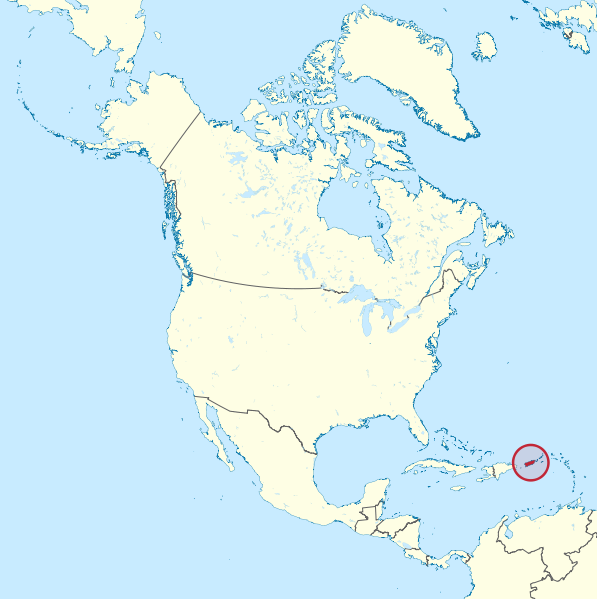
The Unique Political Status of Puerto Rico
The relationship between Puerto Rico and the United States is rooted in history and governed by complex legal frameworks. It’s a dynamic status that shapes the island’s political, economic, and social fabric, distinguishing it from both U.S. states and fully independent nations.
A Historical Overview: From Spanish Colony to U.S. Territory
Puerto Rico’s journey to its current status began in 1493 with its colonization by Spain, a period that lasted over four centuries and deeply ingrained Spanish culture, language, and architecture into the island’s identity. This era concluded abruptly in 1898 when, following the Spanish-American War, Spain ceded Puerto Rico to the United States under the Treaty of Paris. Along with Puerto Rico, the United States also acquired Cuba, Guam, and the Philippines from Spain as a result of the war.
Initially governed by military rule, Puerto Rico’s relationship with the U.S. evolved. A pivotal moment arrived with the passage of the Jones-Shafroth Act in 1917, which granted U.S. citizenship to Puerto Rico’s residents. This act significantly altered the island’s future, solidifying its ties to the mainland while still maintaining a unique legal and political standing.
What Being a U.S. Territory Means Today for Residents
As a U.S. territory, Puerto Rico is subject to the authority of the U.S. Congress, which governs its affairs under the territorial clause of the U.S. Constitution. While many provisions of the U.S. Constitution and the Bill of Rights apply, not all do. For instance, residents of Puerto Rico are U.S. citizens but cannot vote in presidential elections while residing on the island. They do, however, elect a non-voting representative to the U.S. Congress, known as the Resident Commissioner, who can participate in committee votes but not in floor votes.
Regarding taxation, Puerto Rico occupies a unique position. Residents pay federal taxes such as Social Security and Medicare, along with federal import/export taxes, but generally do not pay federal income tax on income earned within the territory, unless they are federal employees or earn income from foreign sources. This creates a distinct economic environment compared to U.S. states. The political future of Puerto Rico remains a subject of ongoing debate, with residents having voted on various options over the years, including statehood, independence, or maintaining the current commonwealth status, reflecting the diverse aspirations within the population.
Traveling to Puerto Rico: What U.S. Travelers Need to Know
For U.S. citizens, traveling to Puerto Rico is remarkably straightforward, offering all the conveniences of domestic travel with the allure of an international getaway. This ease of access makes it an ideal destination for those seeking a vibrant cultural experience without the complexities of foreign travel.
Entry Requirements and Currency
One of the most significant advantages for U.S. citizens planning a trip to Puerto Rico is the absence of passport requirements. Since Puerto Rico is a U.S. territory, travel from the mainland United States is considered domestic. A valid government-issued photo ID, such as a driver’s license, is all that’s typically needed for air travel, similar to flying between U.S. states. This simplifies the planning process and removes a common barrier to international travel for many.
Furthermore, the official currency of Puerto Rico is the U.S. dollar, eliminating the need for currency exchange and making financial transactions seamless for U.S. visitors. Credit cards and debit cards are widely accepted, and ATMs are readily available throughout the island, particularly in urban centers like San Juan and major tourist hubs. This financial familiarity allows travelers to focus more on enjoying their vacation and less on logistical concerns.
Legal Framework and Infrastructure
The legal and infrastructural environment in Puerto Rico largely mirrors that of the mainland United States. U.S. federal laws apply, along with local Puerto Rico statutes. This means that travelers can expect a similar level of consumer protection, safety regulations, and public services. Air travel is governed by the Federal Aviation Administration (FAA), and airport security protocols are managed by the Transportation Security Administration (TSA), ensuring a consistent and familiar travel experience. Healthcare facilities on the island adhere to U.S. standards, and major health organizations like the U.S. Centers for Disease Control and Prevention (CDC) provide guidance for public health matters.
While Spanish is the predominant language and the official language alongside English, English is widely spoken, especially in tourist areas, hotels, and among younger generations. This dual-language environment allows for easy communication, although learning a few basic Spanish phrases can certainly enhance the cultural immersion. The island also boasts modern infrastructure, including a comprehensive road network, reliable utilities, and strong cellular service, ensuring that visitors can stay connected and navigate with ease.
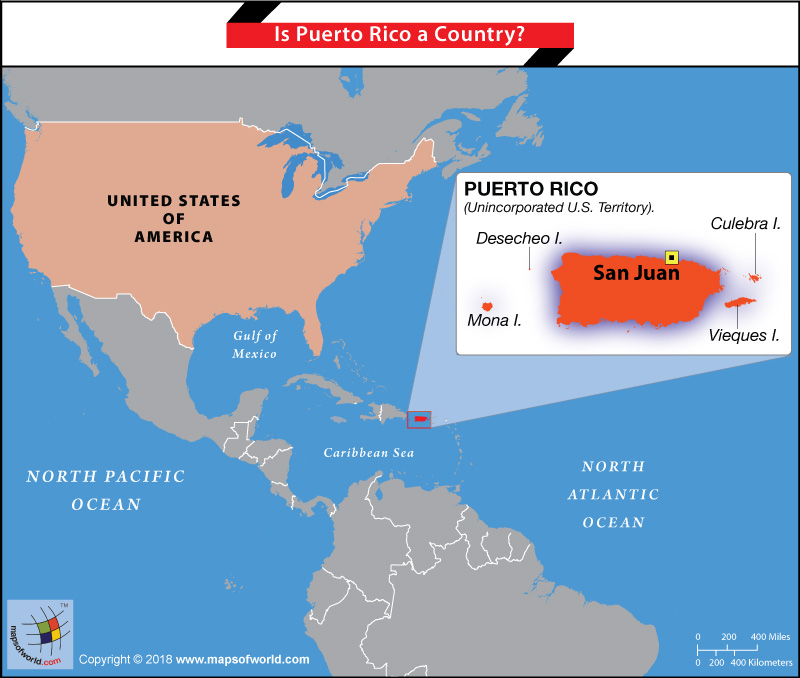
Unveiling the Charms of Puerto Rico: A Traveler’s Paradise
Beyond its political status, Puerto Rico stands out as a premier travel destination, offering an extraordinary array of experiences that cater to every type of traveler. From its breathtaking natural wonders to its captivating historical sites and vibrant cultural scene, the island promises an unforgettable journey.
Exploring Diverse Landscapes and Iconic Landmarks
Puerto Rico’s geographical diversity is astounding. The island is renowned for its pristine beaches, with stretches of sand ranging from the bustling shores of Condado Beach and Isla Verde Beach in San Juan to the more secluded and tranquil sands of Luquillo Beach. Flamenco Beach on the island of Culebra consistently ranks among the world’s best, famed for its crystal-clear waters and soft, white sand, perfect for swimming and snorkeling. The western coast, particularly around Rincón and Isabela, is a surfer’s paradise, offering world-class waves. For those seeking even more remote beauty, venturing to smaller islands like Vieques and Mona Island unveils untouched natural splendor.

Inland, the island transitions into lush tropical rainforests. The majestic El Yunque National Forest, the only tropical rainforest in the U.S. National Forest System, invites adventurers to explore its numerous hiking trails, refreshing waterfalls like Gozalandia Falls, and diverse wildlife. Beyond the rainforest, geological wonders await, such as the impressive Camuy River Cave Park, one of the largest cave systems in the world, and Cueva Ventana, offering stunning panoramic views from its natural window-like opening. The island’s south-western coast around La Parguera and Guánica is home to dry forests and stunning bioluminescent bays, while the town of Fajardo offers access to the famous Cayo Icacos for pristine beach excursions.
Puerto Rico is also a treasure trove of historical landmarks. Old San Juan, a UNESCO World Heritage site, mesmerizes visitors with its cobblestone streets, vibrant colonial architecture, and centuries-old fortresses. Key sites include the imposing Castillo San Felipe del Morro and San Cristóbal Fort, which once guarded the city from naval attacks. Visitors can wander along Paseo de la Princesa, admire the official residence of the Governor, La Fortaleza, explore the Cathedral of San Juan Bautista, and discover quaint shops along Calle del Cristo. Other significant landmarks include El Capitolio, the seat of the legislative assembly, and unique attractions such as La Ventana al Mar in Ponce.
Immersion in Local Culture, Cuisine, and Festivities
The heart of Puerto Rico’s appeal lies in its vibrant culture. Music, dance, and art are intrinsic to daily life, with salsa and bomba y plena rhythms filling the air. The island’s artistic spirit is showcased in numerous galleries and museums, such as the Puerto Rico Museum of Art and the Museo de las Américas in San Juan. Throughout the year, local festivals and celebrations offer a glimpse into Puerto Rico’s joyous traditions, from the lively Fiestas de la Calle San Sebastián in Old San Juan to smaller town patron saint festivals.
Puerto Rico’s culinary scene is a destination in itself. Influenced by Spanish, African, and Taíno traditions, traditional Puerto Rican food is a delicious blend of flavors. Must-try dishes include mofongo (fried plantains mashed with garlic and pork cracklings), lechón asado (slow-roasted pork), alcapurrias (fried fritters), and pastelillos (savory pastries). The island is also famous for its rum, and a visit to the Bacardi Distillery in Carolina offers an insightful and tasty experience. For coffee aficionados, exploring local coffee haciendas like Hacienda Buena Vista in Ponce or Dos Marías Coffee Hacienda in Las Marías provides a fascinating look at the island’s rich coffee heritage.
For thrill-seekers, Puerto Rico offers a plethora of adventure activities. Zip-lining through the lush rainforests at Toro Verde Nature Adventure Park in Orocovis is an exhilarating experience, boasting some of the longest zip lines in the world. Kayaking through the enchanting bioluminescent bays in Vieques and Fajardo provides a magical, otherworldly glow. Diving and snorkeling reveal vibrant coral reefs teeming with marine life, while kitesurfing and paddleboarding are popular along the calmer coasts. Even stargazing at sites like the Arecibo Observatory (though its main dish collapsed, the visitor center and surrounding area remain of interest) can be an adventure.
Accommodation and Lifestyle Choices for Every Traveler
Puerto Rico’s hospitality sector is as diverse as its landscapes, offering accommodation options to suit every budget and travel style. From luxurious resorts sprawling along pristine beaches to charming boutique hotels in historic districts and private villas offering secluded escapes, the island is well-equipped for an enjoyable stay.
In San Juan and the surrounding areas of Condado and Isla Verde, travelers can indulge in world-class amenities at properties like the historic Caribe Hilton San Juan, the elegant Condado Vanderbilt Hotel, La Concha Resort, or the opulent Fairmont El San Juan Hotel. These resorts often feature multiple pools, fine dining restaurants, spas, and direct beach access, providing a luxurious base for exploration.
For those seeking a more exclusive experience, the island also hosts ultra-luxury resorts such as The St. Regis Bahia Beach Resort in Río Grande and Royal Isabela on the northwest coast, which offer unparalleled service, championship golf courses, and exquisite natural settings. Larger family-friendly options like El Conquistador Resort in Fajardo and Wyndham Grand Rio Mar Puerto Rico Golf & Beach Resort cater to groups with extensive amenities, kids’ clubs, and a variety of activities. Further south, the Copamarina Beach Resort & Spa in Guánica provides a tranquil escape with beautiful natural surroundings.
Beyond the resorts, boutique hotels in Old San Juan offer a more intimate and culturally immersive stay, often housed in beautifully restored colonial buildings. Vacation rentals, including apartments and private villas in towns like Luquillo, Dorado, or Cabo Rojo, provide flexibility for longer stays or for groups, allowing visitors to live like a local. Whether it’s a budget-conscious trip, a luxurious honeymoon, or an adventurous family vacation, Puerto Rico provides accommodation choices that complement any lifestyle, ensuring comfort and convenience while exploring the island’s wonders.
Practical Tips for a Memorable Puerto Rico Experience
To maximize your enjoyment of Puerto Rico, a few practical considerations can make all the difference, enhancing both your safety and your ability to truly embrace the local charm.
Getting Around and Staying Safe
While San Juan has some public transportation options, including a limited train system (Tren Urbano) and buses, exploring the rest of the island often necessitates a rental car. Major rental car agencies operate at Luis Muñoz Marín International Airport in Carolina and in other cities like Aguadilla and Ponce. Driving is on the right side of the road, and road signs are typically in Spanish, although major highway signs often include English. Ride-sharing services like Uber and local taxis are also available, particularly in metropolitan areas and around popular tourist destinations in cities such as Mayagüez, Caguas, and Humacao.
Regarding safety, Puerto Rico is generally considered a safe destination for tourists, comparable to many major U.S. cities. Standard precautions apply: be aware of your surroundings, especially at night; secure your valuables; and avoid isolated areas. It’s always wise to research neighborhoods beforehand if you plan to venture off the main tourist paths. When enjoying the beautiful waters of the Atlantic Ocean or Caribbean Sea, be mindful of ocean conditions, as currents can be strong. Always swim in designated areas or where lifeguards are present.
Embracing the Local Vibe
The best time to visit Puerto Rico is generally from mid-December to May, when the weather is cooler and drier, perfect for outdoor activities and beach excursions. This period avoids the peak of hurricane season, which typically runs from June to November. However, even during the rainy season, showers are often brief, and the lush landscape is at its most vibrant. Flexibility in travel plans during this season is advisable.
Beyond the attractions, connecting with the warmth and hospitality of the Puerto Rican people is a highlight for many visitors. Engaging with locals, trying new foods from a roadside stand, or simply observing daily life in towns like Cayey or Arecibo can enrich your experience immeasurably. Tipping customs are similar to the mainland United States, with 15-20% being customary for good service in restaurants and for other service industry professionals. Embrace the opportunity to slow down, savor the moment, and enjoy the rhythm of island life – it’s an essential part of the Puerto Rican charm.
In conclusion, Puerto Rico undeniably holds a unique and integral place within the fabric of the United States as an unincorporated territory. This status provides U.S. citizens with an accessible and familiar travel environment while simultaneously immersing them in a distinctly rich and vibrant culture. From the historic cobblestone streets of Old San Juan to the verdant trails of El Yunque National Forest and the captivating glow of its bioluminescent bays, Puerto Rico offers an unparalleled blend of convenience, adventure, and cultural depth. Whether you seek relaxation on sun-drenched beaches, exhilarating outdoor activities, or an immersion into fascinating history and delicious cuisine, Puerto Rico stands ready to deliver an unforgettable journey, confirming its status as a jewel of the Caribbean and an invaluable part of the American experience.
LifeOutOfTheBox is a participant in the Amazon Services LLC Associates Program, an affiliate advertising program designed to provide a means for sites to earn advertising fees by advertising and linking to Amazon.com. Amazon, the Amazon logo, AmazonSupply, and the AmazonSupply logo are trademarks of Amazon.com, Inc. or its affiliates. As an Amazon Associate we earn affiliate commissions from qualifying purchases.