
The question of whether Puerto Rico is part of the United States is a common one, stirring curiosity among travelers, history enthusiasts, and those interested in international relations. The answer, in short, is yes, but with a unique and complex twist. Puerto Rico is an unincorporated territory of the United States, a distinction that shapes its political landscape, economic structure, and most notably for our purposes, its identity as an unparalleled travel destination. This status means that while Puerto Rico is under US sovereignty, it is not a state and possesses a degree of self-governance. For travelers, this translates into an accessible, yet distinctly foreign, experience, blending the conveniences of domestic US travel with the vibrant culture and breathtaking landscapes of the Caribbean. Understanding this relationship is key to appreciating the island’s charm and planning an unforgettable adventure, from exploring ancient landmarks to indulging in world-class accommodations.
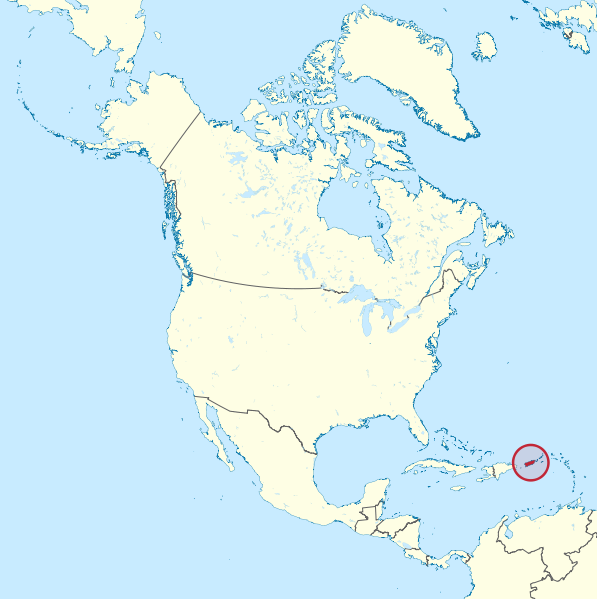
The Unique Political Status of Puerto Rico
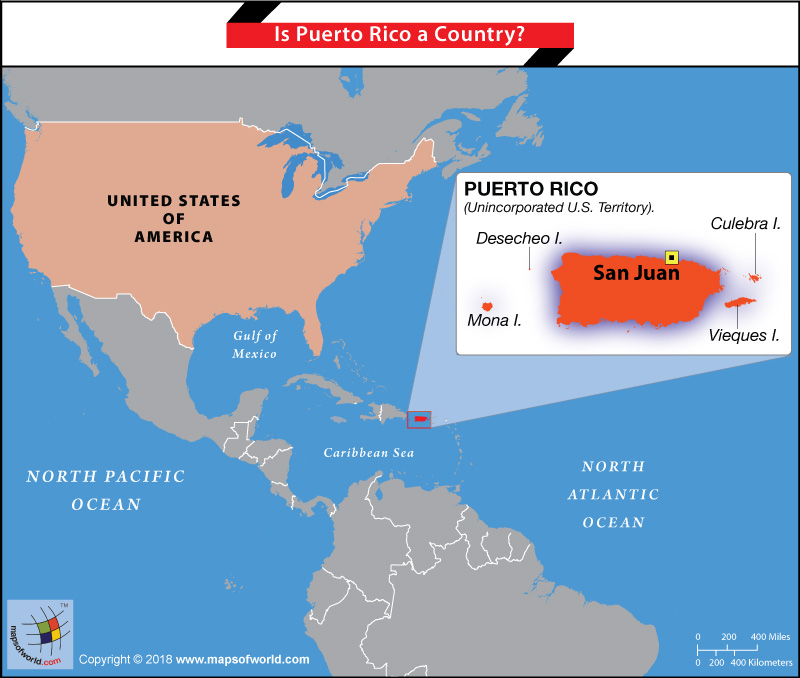
To truly grasp Puerto Rico’s identity, one must delve into its distinctive political status. Acquired by the United States from Spain in 1898 following the Spanish-American War, the island was designated an unincorporated territory. This means that while its residents are US citizens by birth, they do not have full constitutional rights granted to citizens living in the fifty states. They can travel freely within the US and serve in its military, but they cannot vote in federal elections for president or have voting representation in Congress. Instead, they elect a Resident Commissioner who can speak and vote in committees but not on the House floor.
The primary legal framework governing Puerto Rico’s relationship with the US is the Puerto Rico Federal Relations Act of 1950, which established the Commonwealth of Puerto Rico. This granted the island its own constitution and a significant degree of local autonomy. Despite this, federal laws generally apply, and the US Congress retains ultimate authority. The official languages are Spanish and English, reflecting its dual heritage, and the official currency is the US Dollar. This intricate setup makes Puerto Rico a fascinating case study and an even more intriguing travel destination, offering a taste of Latin America under the familiar banner of the US.
A Bridge Between Two Worlds: Culture and Economy
Puerto Rico’s unique political standing has fostered a vibrant culture that acts as a true bridge between the United States and the wider Caribbean and Latin American world. Its Spanish colonial past is evident in the architecture, language, and deeply ingrained traditions, while its century-long association with the US has brought forth modern infrastructure, a widespread understanding of English, and a certain familiarity for US travelers. This cultural amalgamation is perhaps one of Puerto Rico’s most compelling attractions. You can experience the rhythmic beats of salsa and bomba, savor the rich flavors of traditional Puerto Rican cuisine like mofongo and lechón in a bustling lechonera, and simultaneously navigate with ease using the US Dollar and familiar banking systems.
Economically, Puerto Rico benefits from its ties to the US through federal funding, trade, and economic integration, yet also faces challenges inherent in its territorial status. For the tourism sector, this relationship is largely advantageous. It ensures a stable environment for investment in hotels, resorts, and tourism infrastructure, while also simplifying logistical aspects for many international visitors. The blend of a modern economy with a distinct cultural identity makes Puerto Rico an accessible gateway to a genuinely Caribbean lifestyle experience, offering everything from luxury travel opportunities to authentic local encounters. This duality is not merely a political curiosity but a fundamental aspect of the island’s allure, making it a destination where one can comfortably explore a rich, non-continental US heritage.
Travel Implications: What This Means for Visitors
For travelers, Puerto Rico’s status as a US territory profoundly simplifies the travel experience, especially for citizens of the United States. This unique relationship is a significant draw, eliminating many of the typical hurdles associated with international travel while still delivering an exotic and culturally rich adventure. It’s an ideal choice for those seeking a tropical escape with minimal hassle.
Seamless Travel for US Citizens
One of the most appealing aspects of visiting Puerto Rico for US citizens is the remarkable ease of entry and travel. Because Puerto Rico is a US territory, citizens do not need a passport to travel to or from the island. A valid government-issued photo ID, such as a driver’s license, is sufficient for air travel, just as it would be for a domestic flight to any of the fifty states. This eliminates the need for passport applications, renewals, or the common concern of passport expiration, making spontaneous trips much more feasible. Customs and immigration procedures are non-existent when flying directly from the continental US or other US territories, streamlining arrivals and departures.
Furthermore, the currency used throughout Puerto Rico is the US Dollar, removing the need for currency exchange and the associated fees or confusion. Credit and debit cards are widely accepted, and ATMs are readily available, just as they are on the mainland. Communication is also simplified, as English is an official language, and widely spoken in tourist areas, though learning a few basic Spanish phrases is always appreciated by locals. Familiarity with US laws, banking systems, and general societal norms contributes to a comfortable and stress-free vacation, allowing visitors to focus entirely on enjoying the island’s natural beauty and vibrant culture. This seamless integration makes Puerto Rico an incredibly attractive destination for those seeking a vibrant Caribbean experience without venturing fully abroad.
International Appeal and Travel Convenience for All
While the seamless travel benefits primarily cater to US citizens, Puerto Rico’s territorial status also offers significant advantages for international visitors. For those who require a visa to enter the United States, the same visa typically grants entry to Puerto Rico. This means that travelers looking to experience a US destination can choose Puerto Rico and enjoy its distinct Caribbean charm without needing a separate travel authorization. The consistency of the US Dollar and the prevalence of English in tourism hubs contribute to a sense of order and ease, making it a comfortable destination for travelers from around the globe.
Moreover, the US legal and regulatory framework ensures certain standards for services, safety, and infrastructure that can be reassuring to all visitors. From well-maintained roads to reliable utilities and readily accessible healthcare, these foundational elements contribute to a secure and enjoyable travel experience. International visitors can appreciate the blend of familiar amenities and unique cultural immersion. Whether arriving from Europe, Canada, or South America, travelers to Puerto Rico will find a destination that, while distinct, operates with the organizational efficiency often associated with a US jurisdiction, making the journey and stay predictably pleasant. This makes Puerto Rico a truly global destination, inviting all to discover its wonders.
Exploring Puerto Rico: A Traveler’s Paradise
Beyond its political intricacies, Puerto Rico truly shines as a traveler’s paradise, boasting an incredible diversity of destinations, attractions, and experiences that cater to every taste and travel style. From historic cities and pristine beaches to lush rainforests and bioluminescent bays, the island offers an adventure at every turn, all within the convenient framework of a US territory.
Iconic Destinations and Breathtaking Landmarks
The capital city of San Juan is often the first point of entry and a treasure trove of history and culture. The cobblestone streets of Old San Juan lead visitors past colorful colonial buildings, charming plazas, and formidable fortifications. The iconic El Morro (Castillo San Felipe del Morro) and Castillo de San Cristobal, both UNESCO World Heritage Sites, stand as testaments to centuries of strategic importance, offering panoramic ocean views and a deep dive into military history. Beyond the city, Puerto Rico’s natural landmarks are equally captivating. The El Yunque National Forest, the only tropical rainforest in the US National Forest System, invites hikers to explore its verdant trails, discover hidden waterfalls like La Mina Falls, and marvel at its unique biodiversity.
The island is also home to some of the world’s most spectacular beaches. Flamenco Beach on the offshore island of Culebra consistently ranks among the best globally, renowned for its soft white sands and crystal-clear turquoise waters. Other stunning coastal gems include Luquillo Beach with its calm waters perfect for families, and the dramatic cliffs of Mar Chiquita. For a truly magical experience, Puerto Rico boasts three of the world’s five bioluminescent bays: Mosquito Bay in Vieques (often cited as the brightest), Laguna Grande in Fajardo, and La Parguera in Lajas. Kayaking through these glowing waters at night is an unforgettable, almost surreal, encounter with nature. Other natural wonders include the impressive cave system of Cueva Ventana, offering breathtaking views from its cliffside window. These landmarks underscore Puerto Rico’s incredible diversity, catering to history buffs, nature lovers, and beachgoers alike.
Hotels, Accommodation, and Lifestyle Experiences
Puerto Rico’s tourism infrastructure is robust, offering a vast array of accommodation options to suit every budget and travel style. From opulent luxury resorts to charming boutique hotels and budget-friendly guesthouses, the island ensures comfort and convenience for all visitors. For those seeking lavish retreats, properties like The St. Regis Bahia Beach Resort and the Ritz-Carlton Reserve Dorado Beach offer unparalleled service, private beaches, world-class golf courses, and exquisite dining experiences, epitomizing luxury travel. Boutique hotels, such as O:live Boutique Hotel in Condado, provide unique character and personalized service, often blending modern amenities with local artistic flair.
Beyond traditional hotels, vacation rentals through platforms like Airbnb are popular, offering apartments in vibrant urban centers like San Juan or secluded villas with stunning ocean views in more remote areas. These options are ideal for families, long-term stays, or those seeking a more authentic local living experience. Many accommodations feature excellent amenities, from infinity pools and spa services to direct beach access and on-site culinary delights, catering to various travel styles including family trips, romantic getaways, or even business stays.
The local culture is a profound part of the tourism experience. Puerto Rico’s culinary scene is a flavorful fusion of Spanish, African, and Taíno influences, with dishes like mofongo, pernil, and fresh seafood taking center stage. Food tours are a fantastic way to explore these tastes, alongside vibrant nightlife scenes in San Juan’s La Placita and live music venues across the island. Activities abound, from surfing lessons in Rincón, zip-lining through the rainforest, kayaking in the bioluminescent bays, to exploring historical sites. Whether you’re a budget traveler seeking local experiences or a luxury seeker desiring ultimate comfort, Puerto Rico offers a diverse tapestry of tourism and lifestyle opportunities, making it a truly exceptional and multifaceted destination.
Planning Your Puerto Rican Adventure
Embarking on a journey to Puerto Rico promises an enriching and unforgettable experience. With its unique political status offering ease of access, combined with a wealth of cultural, historical, and natural attractions, planning your trip effectively will maximize your enjoyment. Whether you’re a seasoned traveler or a first-timer to the Caribbean, a few practical tips can help ensure a smooth and memorable adventure.
Practical Tips for Visitors
- Best Time to Visit: The dry season, from December to May, is generally considered the best time to visit Puerto Rico. Temperatures are pleasant, and the risk of hurricanes is low. The peak tourist season is from mid-December to April, so booking accommodations and flights well in advance is advisable during this period. The summer months (June to November) are hotter and wetter, with a higher chance of tropical storms, but can offer better deals on travel and lodging.
- Transportation: While San Juan has public transportation, renting a car is highly recommended for exploring the island beyond the capital, especially if you plan to visit El Yunque, drive the scenic coastal routes, or reach more secluded beaches. Major car rental agencies are available at Luis Muñoz Marín International Airport (SJU). Taxis and ride-sharing services (like Uber or Lyft) are readily available in San Juan and other urban areas.
- Language and Communication: While Spanish is the primary language, English is widely spoken in tourist areas, major hotels, and by service staff. Learning a few basic Spanish phrases, such as “Hola” (hello), “Gracias” (thank you), and “Por favor” (please), will enhance your interactions with locals and is always appreciated.
- Currency and Payments: The official currency is the US Dollar. Credit cards are widely accepted, but it’s always a good idea to carry some cash for smaller purchases, local markets, or establishments in more rural areas. Tipping customs are similar to those in the continental US.
- Safety: Puerto Rico is generally safe for tourists, but like any travel destination, it’s wise to take precautions. Be aware of your surroundings, especially in crowded areas, and avoid walking alone at night in unfamiliar neighborhoods. Keep valuables secure and be mindful of strong ocean currents at beaches, swimming only in designated areas.
- Connectivity: Cell phone service is generally reliable, and Wi-Fi is available in most hotels, restaurants, and public areas.
By keeping these tips in mind, you can seamlessly navigate your journey, ensuring that your focus remains on soaking in the rich culture, exploring the stunning natural beauty, and enjoying the warm hospitality that defines a Puerto Rican escape. Utilize online guides and reviews for booking accommodation, comparing options, and discovering hidden gems, setting yourself up for an unforgettable experience.
In conclusion, Puerto Rico is indeed part of the United States as an unincorporated territory, a status that uniquely positions it as an accessible yet exotically vibrant destination. For US citizens, the ease of travel without a passport, combined with the use of the US Dollar and familiar legal frameworks, makes it an effortless entry into a distinctly Caribbean world. For all travelers, Puerto Rico offers a wealth of experiences, from exploring historic Old San Juan and trekking through El Yunque National Forest to relaxing on world-class beaches and discovering the magic of bioluminescent bays. With a diverse range of accommodations, from luxury resorts to charming boutique hotels, and a rich tapestry of local culture, food, and activities, Puerto Rico truly embodies a traveler’s paradise. It’s a destination where the comfort of the familiar meets the thrill of the exotic, inviting you to discover its unparalleled charm and create lasting memories.