
Puerto Rico, a vibrant Caribbean island and a territory of the United States, beckons travelers with its stunning beaches, lush rainforests, rich history, and captivating culture. From the cobblestone streets of Old San Juan to the bioluminescent bays and the peaks of El Yunque National Forest, it offers an unparalleled array of experiences. However, like any travel destination, prospective visitors often ask a fundamental question: “Is Puerto Rico safe?”
The short answer is overwhelmingly yes, Puerto Rico is generally safe for tourists. With common-sense precautions and an awareness of your surroundings, visitors can enjoy a memorable and secure trip. While the island has faced its share of challenges, including natural disasters and economic shifts, its resilient spirit and commitment to tourism have ensured that the vast majority of visitors experience no issues. The island’s safety profile is comparable to many popular tourist destinations globally, where petty crime is a possibility but violent crime against tourists is rare. This comprehensive guide will delve into various aspects of safety in Puerto Rico, offering insights and practical tips to ensure your visit is not only safe but truly unforgettable.
Understanding Safety and Crime in Puerto Rico
When assessing the safety of any destination, it’s crucial to differentiate between general crime statistics and the specific risks faced by tourists. Puerto Rico, like many places, experiences crime, but the vast majority of serious incidents are localized, often related to drug activity or gang violence, and rarely affect visitors who stick to well-traveled areas and exercise basic precautions.
Tourist vs. Local Crime Dynamics
The perception of safety can sometimes be skewed by broader crime statistics that don’t reflect the tourist experience. In Puerto Rico, areas frequented by tourists, such as Old San Juan, Condado, Isla Verde, and major resort zones, are generally well-patrolled and maintained with visitor safety in mind. Local authorities understand the importance of tourism to the island’s economy and prioritize keeping these areas secure.
While instances of violent crime do occur on the island, they are predominantly confined to specific neighborhoods not typically visited by tourists. Visitors are generally not targets for these types of crimes. The biggest concerns for travelers are usually petty crimes, which can be easily mitigated with awareness.
Common Petty Crimes and How to Avoid Them
Petty crime, such as pickpocketing, purse snatching, and opportunistic theft, is the most common issue tourists might encounter, particularly in crowded areas or at popular attractions. This is not unique to Puerto Rico but is a prevalent concern in any busy tourist hub worldwide.
To minimize your risk:
- Be Aware of Your Surroundings: Pay attention to who is around you, especially in crowded markets, bus stations, or tourist hotspots.
- Secure Valuables: Keep wallets in front pockets, use cross-body bags, and avoid flashing expensive jewelry, cameras, or large sums of cash. Consider using a money belt.
- Don’t Leave Belongings Unattended: This applies particularly to beaches and restaurant tables. A moment of distraction can be an opportunity for a thief.
- Vehicle Security: If you rent a car, do not leave valuables visible inside. Always lock your car, even for brief stops, and park in well-lit, secure areas whenever possible.
- ATM Usage: Use ATMs located inside banks or well-lit, busy areas. Be cautious of anyone watching you and put your money away immediately.
- Nightlife Caution: While enjoying the vibrant nightlife, always keep an eye on your drink to prevent spiking, and ensure you have a safe way to get back to your accommodation, such as a reputable taxi or rideshare service. Traveling in groups is always a good idea after dark.
By taking these straightforward precautions, visitors can significantly reduce their risk of falling victim to petty crime and focus on enjoying the beauty and culture of Puerto Rico.
Navigating Specific Regions and Attractions Safely
Puerto Rico boasts a diverse landscape, from bustling urban centers to serene natural wonders and tranquil offshore islands. Understanding the safety nuances of each region will enhance your travel experience.
Safety in Urban Centers: San Juan, Old San Juan, and Ponce
San Juan, the capital city, is where most international travelers arrive and spend a significant portion of their trip. It’s a dynamic city encompassing historic charm, modern amenities, and lively entertainment.
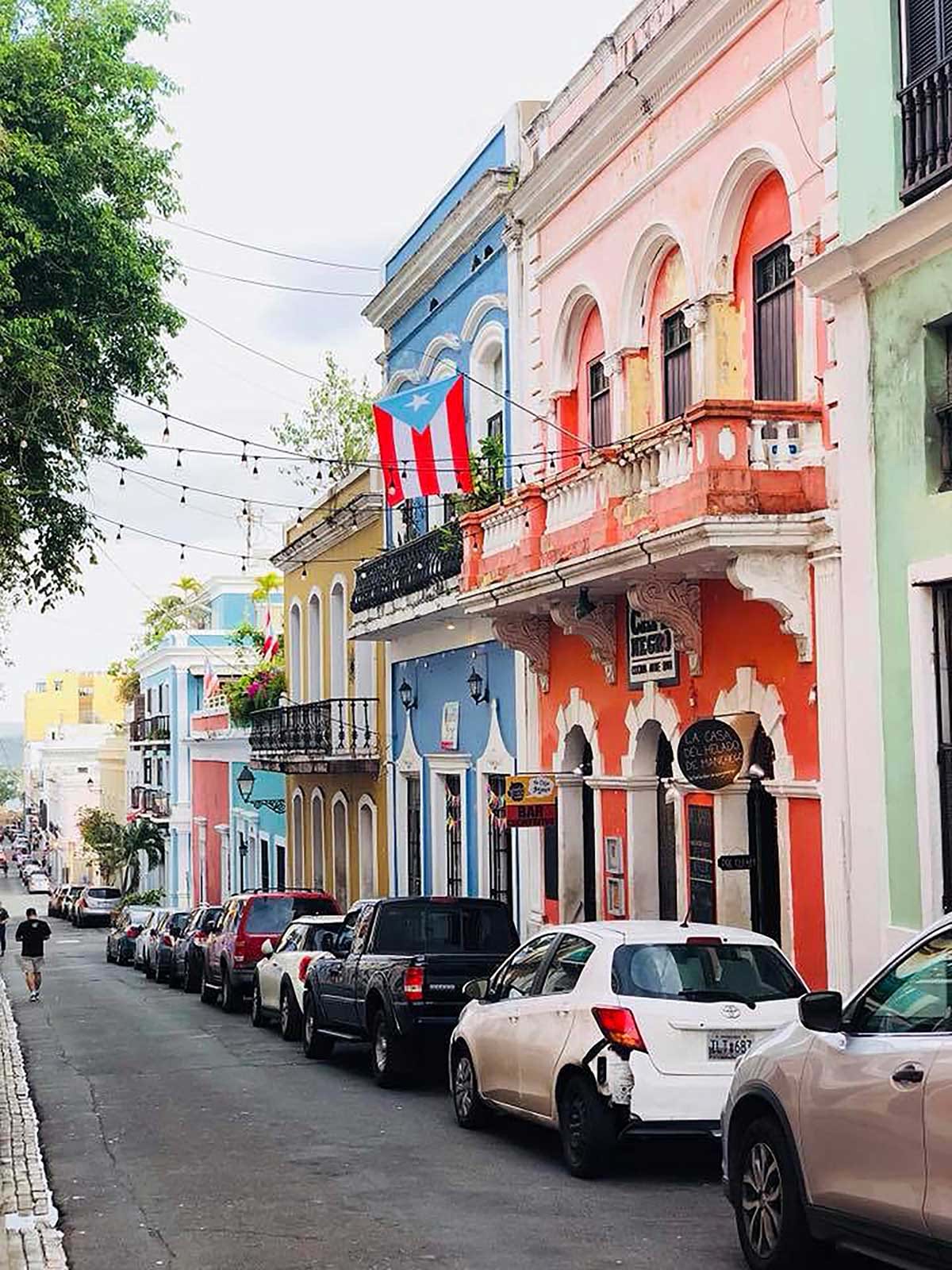
- Old San Juan: This historic district, with its colorful colonial buildings and ancient fortresses like El Morro and San Cristobal, is generally very safe during the day and into the evening. It’s well-lit and often has a visible police presence. However, like any historic city, some cobblestone streets can be uneven, so comfortable walking shoes are a must. After dark, stick to well-populated areas and avoid dimly lit alleys.
- Condado and Isla Verde: These beachfront neighborhoods are home to many major hotels and resorts, luxury apartments, and a vibrant dining and nightlife scene. They are highly tourist-oriented and benefit from increased security measures. While generally safe, be mindful of your belongings on crowded beaches and in busy nightlife spots, especially late at night.
- Other San Juan neighborhoods: Venturing into less touristy areas of San Juan requires a bit more caution. Research your destination, use rideshare services or taxis, and avoid walking alone at night in unfamiliar areas.
Ponce, Puerto Rico’s “Pearl of the South,” offers a different historical perspective with its unique architecture and museums. The city center is generally safe for exploring during the day. As with any urban area, exercise vigilance, particularly after sunset, and be cautious if venturing away from the main attractions.
Exploring Natural Wonders: El Yunque, Beaches, and Bioluminescent Bays
Puerto Rico’s natural beauty is a major draw, but enjoying it safely requires respecting the environment and following guidelines.
- El Yunque National Forest: The only tropical rainforest in the United States National Forest System, El Yunque offers breathtaking trails, waterfalls, and diverse flora and fauna.
- Stay on Marked Trails: This is crucial for your safety, preventing falls, and protecting the delicate ecosystem.
- Weather Awareness: Rain showers are common and can make trails slippery. Wear appropriate footwear with good grip. Flash floods can occur, so monitor weather conditions.
- Hydration: Bring plenty of water, especially on longer hikes.
- Wildlife: While no major dangerous predators exist, be aware of insects and small creatures.
- Beaches: Puerto Rico is renowned for its stunning beaches, from the iconic Flamenco Beach on Culebra to the vibrant shores of Luquillo and Carolina.
- Ocean Currents: Some beaches can have strong currents or undertows. Always observe warning flags and inquire locally about safe swimming areas. Never swim alone.
- Sun Protection: The Caribbean sun is intense. Use high SPF sunscreen, wear hats, and seek shade during peak hours.
- Personal Belongings: Keep an eye on your valuables or consider leaving them secured at your accommodation.
- Bioluminescent Bays: Puerto Rico is home to three of the world’s five bioluminescent bays (Mosquito Bay on Vieques, Laguna Grande in Fajardo, and La Parguera in Lajas).
- Guided Tours: Always book tours with reputable operators who prioritize safety and environmental preservation.
- Kayaking Safety: Follow your guide’s instructions, wear life vests, and be aware of boat traffic, especially in La Parguera where motorboats are allowed.
Traveling to Culebra and Vieques
The offshore islands of Culebra and Vieques offer a more secluded escape, famous for pristine beaches and relaxed atmospheres.
- Ferry Travel: The primary mode of transport to these islands is via ferry from Ceiba. Ferries can be crowded, especially on weekends and holidays, and schedules can be unpredictable. Book tickets in advance and arrive early. Be patient and keep an eye on your luggage.
- Transportation on the Islands: Golf carts and jeeps are popular rentals on Culebra and Vieques. Drive cautiously, as roads can be narrow, unpaved, and poorly lit in some areas.
- Remote Areas: Some of the most beautiful spots are remote. Ensure your vehicle is reliable and consider traveling with a companion if exploring very secluded areas. Always have a fully charged phone.
Health and Environmental Safety Considerations
Beyond crime, understanding health risks and environmental factors is vital for a safe trip to Puerto Rico. The island’s tropical climate and geographical location present unique considerations.
Hurricane Season and Natural Disasters
Puerto Rico is located in the Atlantic hurricane belt, with hurricane season officially running from June 1st to November 30th. While direct hits are not an annual occurrence, the potential exists.
- Travel Insurance: Comprehensive travel insurance that covers trip cancellation, interruption, and emergency medical care is highly recommended, especially if traveling during hurricane season.
- Stay Informed: Monitor weather forecasts from reliable sources like the National Hurricane Center or local news channels.
- Accommodation Preparedness: Reputable hotels and resorts will have emergency plans in place. Familiarize yourself with evacuation routes and shelter locations if you are traveling during hurricane season.
- Earthquakes: Puerto Rico is in an active seismic zone. While major earthquakes are rare, minor tremors occur. Know earthquake safety protocols (drop, cover, hold on).
Health Precautions: Mosquitoes, Sun Safety, and Drinking Water
Maintaining your health is a key aspect of safe travel.
- Mosquito-Borne Illnesses: Mosquitoes are prevalent in tropical climates and can transmit diseases such as Dengue, Zika, and Chikungunya. While outbreaks vary, it’s wise to take precautions:
- Use EPA-registered insect repellent containing DEET, picaridin, or oil of lemon eucalyptus.
- Wear long sleeves and pants, especially at dawn and dusk.
- Stay in accommodations with air conditioning or screens on windows and doors.
- Sun Safety: The tropical sun can cause severe sunburn and heat exhaustion.
- Apply high-SPF sunscreen frequently.
- Wear a wide-brimmed hat and sunglasses.
- Stay hydrated by drinking plenty of water.
- Seek shade during peak sun hours (10 AM to 4 PM).
- Drinking Water: Tap water in most urban areas of Puerto Rico is generally considered safe to drink and meets USA drinking water standards. However, if you have a sensitive stomach or are in more rural areas, bottled water is a safe alternative. Many hotels and restaurants use filtered water.
- Medical Facilities: Puerto Rico has modern medical facilities, especially in San Juan. Major hospitals are well-equipped. For minor ailments, pharmacies are widely available. Ensure your travel insurance covers medical emergencies abroad.
Road Safety and Transportation
Exploring Puerto Rico by car offers flexibility but comes with its own set of safety considerations.
- Driving Conditions: Roads vary significantly in quality. Major highways are generally well-maintained, but rural roads can be narrow, winding, potholed, and poorly lit. Be prepared for aggressive drivers and unexpected obstacles.
- Navigation: While GPS is helpful, some addresses can be tricky due to historical naming conventions. It’s wise to download offline maps.
- Rental Cars: Inspect your rental car thoroughly before accepting it. Ensure all lights, brakes, and tires are in good condition. Be aware that tourist rental cars can sometimes be identifiable, making them potential targets for petty theft.
- Public Transportation: Public transportation options are limited outside of San Juan. In San Juan, options include buses and the Urban Train, but these may not serve all tourist areas directly.
- Taxis and Rideshares: Reputable taxis are readily available, particularly in tourist zones and at the airport. Rideshare services like Uber are also operational in metropolitan areas. Always confirm the driver and vehicle match your app before getting in.
Practical Safety Tips for Travelers
Beyond specific locations and environmental factors, a few universal safety practices can significantly enhance your travel experience in Puerto Rico.
Accommodation Choices and Safety
Your choice of accommodation plays a significant role in your overall safety and comfort.
- Research Thoroughly: Opt for well-reviewed hotels, resorts, villas, or apartments, especially those with good ratings for safety and security. Check recent reviews for any mentions of security concerns.
- Location Matters: Consider the neighborhood your accommodation is in. While San Juan, Condado, and Isla Verde are generally safe, some areas may be less so after dark.
- On-Site Security: Look for properties that offer 24-hour reception, security personnel, secured entry, and in-room safes for your valuables. Luxury accommodations like the Ritz-Carlton Reserve Dorado Beach or Hyatt Regency Grand Reserve Puerto Rico often have comprehensive security measures.
- Long-Term Stays: If considering a long-term stay in an apartment or villa, spend time in the neighborhood first to assess its safety and amenities. Engage with locals for insights.
Cultural Sensitivity and Local Interactions
Puerto Ricans are generally warm, friendly, and welcoming to visitors. Embracing local culture can enrich your trip and foster positive interactions.
- Basic Spanish Phrases: While English is widely spoken in tourist areas, especially San Juan, learning a few basic Spanish phrases like “hola,” “gracias,” and “por favor” will be appreciated and can be helpful in more rural areas.
- Respect Local Customs: Dress respectfully when visiting churches or more conservative areas. Be mindful of local etiquette.
- Engage with Locals: Don’t hesitate to ask for directions or recommendations, but always be cautious if approached by strangers offering unsolicited help or services, particularly for things like tours or taxi rides outside of official channels.
- Avoid Political Discussions: While Puerto Rico’s political status is a significant topic for locals, it’s generally best for tourists to avoid engaging in deep political discussions to maintain a neutral and respectful stance.
Nightlife and Personal Security
Puerto Rico’s nightlife is vibrant and exciting, from salsa clubs to beachfront bars. Enjoying it safely requires vigilance.
- Travel in Groups: When going out at night, especially to unfamiliar areas, it’s safer to travel with companions.
- Watch Your Drinks: Never leave your drink unattended. Be wary of accepting drinks from strangers.
- Limit Alcohol Consumption: While enjoying the festivities, know your limits. Excessive alcohol consumption impairs judgment and makes you more vulnerable.
- Safe Transportation: Plan your return journey in advance. Use reputable taxis or rideshare apps. Avoid walking alone in dimly lit or unfamiliar areas late at night.
- Trust Your Instincts: If a situation or person makes you feel uncomfortable, remove yourself from it.
In conclusion, Puerto Rico is a captivating destination that offers a wealth of experiences for travelers. By understanding the local environment, exercising common-sense safety precautions, and being mindful of your surroundings, you can ensure your trip is not only safe but truly unforgettable. Embrace the vibrant culture, savor the delicious cuisine, and immerse yourself in the natural beauty of the “Island of Enchantment,” confident in the knowledge that you are well-prepared for a secure and enjoyable adventure.