
Navigating the vast and vibrant expanse of New York City can be an exhilarating experience, filled with iconic landmarks, diverse cultures, and endless culinary adventures. When planning a visit, understanding the safety of different boroughs is paramount to ensuring a comfortable and enjoyable trip. Queens, the largest borough in terms of land area and the most ethnically diverse county in the United States, often sparks questions about its safety. This article delves into the nuances of safety in Queens, offering insights for travelers looking to explore its many wonders, from world-class museums and stunning parks to delectable international cuisine and unique neighborhoods.
Understanding Safety in Queens: A Multifaceted Perspective
The perception of safety in any urban environment is complex and can be influenced by various factors, including media portrayal, personal experiences, and statistical data. Queens is no exception. While it’s true that like any major metropolitan area, Queens has areas that experience higher crime rates, it is also home to numerous safe and welcoming neighborhoods. The key to understanding safety here lies in recognizing its diversity, both demographically and geographically.
Crime Statistics and Trends in Queens
When examining safety, official crime statistics provide a valuable, albeit sometimes incomplete, picture. New York City‘s Police Department (NYPD) regularly publishes crime data, which can be accessed and analyzed. Generally, across New York City, crime rates have seen a significant decline over the past few decades. Queens, like other boroughs, has benefited from these city-wide trends. However, specific areas within Queens might exhibit different patterns. Neighborhoods with higher population density or more commercial activity may see different types of crime compared to more residential areas.
It’s important to look beyond raw numbers and consider the types of crime reported. Petty theft, such as pickpocketing, is more common in crowded tourist areas across all of New York City, including parts of Queens. Violent crime, while a serious concern everywhere, is statistically less prevalent in many Queens neighborhoods. Furthermore, the NYPD’s strategic deployment of officers and community policing initiatives play a crucial role in maintaining safety. Visitors are encouraged to stay informed about current events and heed any local advisories.
Neighborhood Safety: A Closer Look
Queens is a borough of distinct neighborhoods, each with its own character and safety profile. Understanding these variations is key to a well-informed travel plan.
Safer Neighborhoods for Tourists
Many areas in Queens are widely considered safe and are popular destinations for tourists and residents alike.
-
Astoria: Known for its vibrant Greek culture, trendy restaurants, and lively nightlife, Astoria generally boasts low crime rates. Its proximity to Manhattan makes it an attractive and accessible option for visitors. The Museum of the Moving Image in nearby Astoria is a testament to the area’s cultural richness and is a safe and engaging attraction.
-
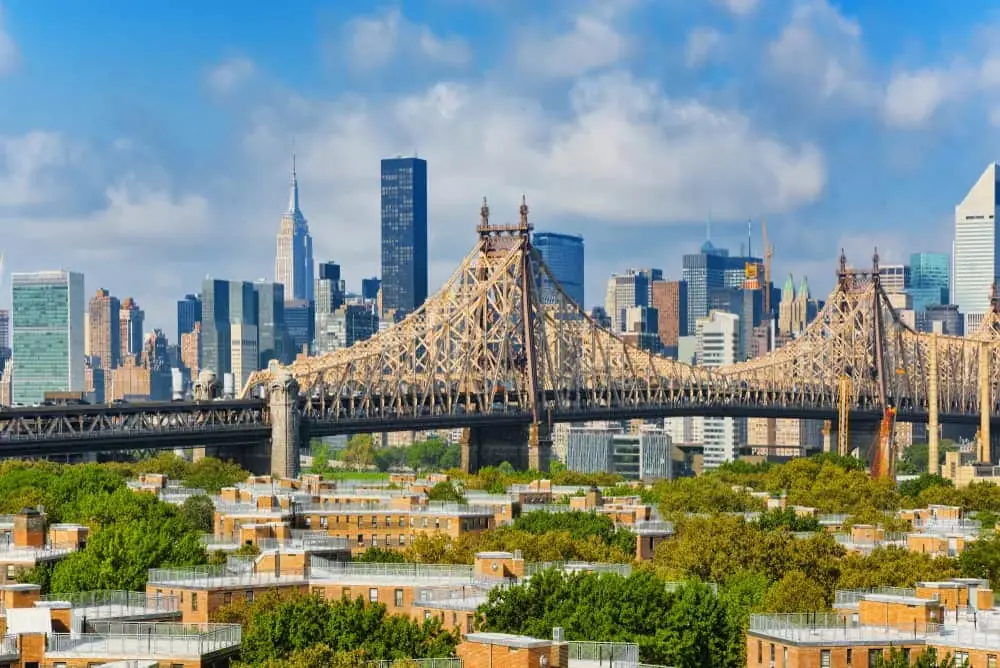
Long Island City (LIC): Situated directly across the East River from Midtown Manhattan, Long Island City has undergone significant transformation. It is now a hub for art galleries, modern hotels like the Ravel Hotel, and impressive waterfront parks offering spectacular views of the Manhattan skyline. LIC is considered very safe, with a strong police presence and a growing residential community. The MoMA PS1 gallery is a prominent art destination here.
-
Flushing: Home to one of the largest Chinatowns in the United States, Flushing is a bustling center of commerce and culture. While it can be crowded, especially around the New World Mall and Flushing Meadows-Corona Park, it is generally safe for visitors who exercise normal urban precautions. Exploring the diverse culinary scene is a highlight of any visit.
-
Forest Hills: This tree-lined, suburban-feeling neighborhood offers a peaceful retreat with charming architecture and excellent schools. Forest Hills is consistently ranked as one of the safer areas in Queens, making it ideal for families and those seeking a quieter experience. The historic Forest Hills Stadium is a notable landmark.
-
Howard Beach and Bayside: These generally residential areas are known for their tranquility and lower crime rates. While they might not be primary tourist hubs, they offer a glimpse into everyday Queens life and are safe for exploration.
Areas Requiring Increased Awareness

As with any large urban borough, some areas in Queens may experience higher crime rates and warrant increased vigilance. These often include neighborhoods with more transient populations or areas undergoing economic development. It is always advisable to research specific neighborhoods of interest and to be aware of your surroundings, especially when venturing into less tourist-frequented areas or at night. Local advice from hotel concierges or residents can be invaluable.
Practical Safety Tips for Exploring Queens
To ensure a safe and enjoyable trip to Queens, adopting common-sense safety practices is crucial. These tips are applicable not only to Queens but to any urban exploration.
General Awareness and Prevention
- Stay Alert: Be aware of your surroundings, especially in crowded places like subways, bus stops, and busy markets. Avoid distractions from your phone or headphones.
- Secure Your Belongings: Keep valuables out of sight and securely fastened. Use hotel safes for passports and excess cash.
- Travel in Groups: If possible, travel with friends or family, particularly when exploring unfamiliar areas or at night.
- Know Your Route: Plan your travel in advance and familiarize yourself with the routes you intend to take. Use reliable navigation apps.
- Trust Your Instincts: If a situation feels uncomfortable or unsafe, remove yourself from it.
Transportation Safety in Queens
Queens has an extensive public transportation system, including subways and buses operated by the Metropolitan Transportation Authority (MTA).
- Subway Safety: New York City subways are generally safe, especially during peak hours. However, it’s wise to avoid empty or sparsely populated train cars late at night. Stick to well-lit stations and be aware of who is around you. The 7 train, which runs through Flushing and into Manhattan, is a vital artery for many Queens residents and visitors.
- Taxi and Rideshare Services: For convenience and safety, especially late at night, consider using official New York City taxis or reputable rideshare services. Ensure the meter is running in taxis or that the fare is pre-booked in app-based services.
- Walking: Many Queens neighborhoods are best explored on foot. Stick to well-lit streets, especially after dark, and be mindful of traffic.
Accommodation Safety
When choosing your place to stay in Queens, consider location and reviews.
- Hotel Choice: Opt for hotels in areas generally known for safety, such as Long Island City or parts of Astoria. Read recent reviews from other travelers to gauge the safety and comfort of the accommodation. Reputable hotel chains and well-reviewed independent hotels often have robust security measures. Look for amenities like 24-hour front desks and secure room access.
- Short-term Rentals: If opting for apartments or villas through platforms like Airbnb, carefully review the host’s profile, read all reviews, and understand the local neighborhood.

Experiencing the Best of Queens Safely
Queens offers an incredible tapestry of experiences that are well worth exploring. From the cultural immersion of Flushing and the artistic pulse of Long Island City to the diverse culinary landscape found throughout the borough, there’s something for every traveler.
-
Culinary Adventures: Queens is a food lover’s paradise. Explore the authentic cuisines of Jackson Heights, sample delicious dumplings in Flushing, or enjoy innovative dishes in the restaurants of Long Island City. The safety of these dining experiences is generally high, with restaurants adhering to health and safety standards.
-
Cultural Landmarks: Visit iconic sites like Flushing Meadows-Corona Park, home to the Unisphere and the Queens Museum. Explore the diverse art scene in Long Island City. These attractions are safe and family-friendly.
-
Parks and Recreation: Enjoy the green spaces Queens has to offer. Flushing Meadows-Corona Park is vast and generally safe for daytime exploration. Smaller neighborhood parks also provide pleasant settings for relaxation.
By combining an awareness of general urban safety practices with specific knowledge about Queens’ neighborhoods and attractions, visitors can confidently embark on a memorable journey through this dynamic and diverse borough of New York City. The vast majority of visitors to Queens have safe and fulfilling experiences, enriching their understanding of the multifaceted allure of New York City.