
The golden state of California, renowned for its picturesque coastlines, vibrant cities, and diverse agricultural landscape, also harbors a unique and often misunderstood aspect of its food regulations: the sale of raw milk. For travelers and residents alike, understanding the legality and availability of raw milk in California can be a source of confusion, especially when contrasted with the readily available pasteurized dairy products. This article delves into the intricate regulations surrounding raw milk in California, exploring its availability, the reasons behind the laws, and what consumers need to know to navigate this complex issue.

The world of dairy consumption is often divided into two camps: those who embrace pasteurized milk as the safe and standard option, and those who champion the perceived benefits and traditional appeal of raw milk. While California has established a specific framework for raw milk, it’s crucial to understand that this framework is not a free-for-all. The laws are nuanced and have evolved over time, influenced by public health concerns, agricultural interests, and consumer demand.
Understanding Raw Milk: Beyond Pasteurization
Before diving into the specifics of California law, it’s essential to define what raw milk is and why it garners such passionate advocacy and cautious regulation. Raw milk, in its simplest definition, is milk that has not been pasteurized. Pasteurization is a process that heats milk to a specific temperature for a set period to kill harmful bacteria, such as Listeria, Salmonella, E. coli, and Campylobacter. These bacteria can cause serious, and sometimes life-threatening, illnesses, particularly in vulnerable populations like children, the elderly, pregnant women, and individuals with compromised immune systems.
Proponents of raw milk often cite a range of perceived health benefits, including improved digestibility, higher nutrient content, and the presence of beneficial enzymes and probiotics that they believe are destroyed during pasteurization. They also emphasize the traditional aspect of consuming milk as it comes directly from the animal, untouched by industrial processing. For many, the taste and texture of raw milk are also significant draws, often described as richer and creamier than their pasteurized counterparts.
However, public health organizations and regulatory bodies worldwide, including those in the United States, maintain that the risks associated with consuming raw milk outweigh any purported benefits. The potential for serious foodborne illness is their primary concern. This fundamental divergence in perspective forms the crux of the debate surrounding raw milk legality and accessibility.
Raw Milk in California: A Regulated Landscape
The question of whether raw milk is illegal in California is not a simple yes or no. Instead, the answer lies in a carefully constructed set of regulations that permit the sale of raw milk under specific conditions, primarily focusing on consumer access and producer accountability.
Direct-to-Consumer Sales and Herd Share Programs
In California, the sale of raw milk directly to consumers is permitted, but with significant restrictions. The most common legal avenue for consumers to obtain raw milk is through “herd share” programs. These programs are not a direct sale of milk but rather a contractual agreement where consumers purchase a “share” of a dairy animal or herd. By becoming a “co-owner” of the animal, the consumer is entitled to receive a portion of the milk produced by that animal. This model is designed to circumvent direct sales laws, as the consumer is technically receiving milk from an animal they partially own, rather than purchasing a product from a vendor.
These herd share agreements are typically managed by the dairy farmers. Consumers pay a fee, which can be a one-time purchase or an ongoing subscription, and in return, they receive a regular supply of raw milk. The specifics of these agreements can vary, and it’s crucial for consumers to carefully review the terms and understand their responsibilities and rights.
California has specific guidelines for herd share programs, often requiring written agreements that outline the terms of ownership, milk collection, and any associated fees. These programs are predominantly found on small, often organic or artisanal, dairy farms. Travelers visiting areas with such farms might find opportunities to participate in these programs, provided they meet the program’s requirements.
Producer Requirements and Oversight
For dairies to legally offer raw milk through herd share programs, they must adhere to stringent regulations set forth by the California Department of Food and Agriculture (CDFA). These regulations are designed to ensure that the milk produced is as safe as possible under raw milk conditions.
Key requirements for raw milk producers in California often include:
- Herd Health: Dairies must maintain rigorous herd health monitoring programs. This involves regular veterinary inspections and testing of the animals to ensure they are free from diseases that could be transmitted through milk.
- Sanitation: Strict sanitation protocols are enforced for milking equipment, the milking parlor, and all handling and storage facilities. This includes regular cleaning and sanitizing to minimize bacterial contamination.
- Testing and Sampling: Raw milk is subject to regular testing for bacterial counts and the presence of specific pathogens. These tests are conducted by certified laboratories, and producers must meet certain standards to continue selling raw milk.
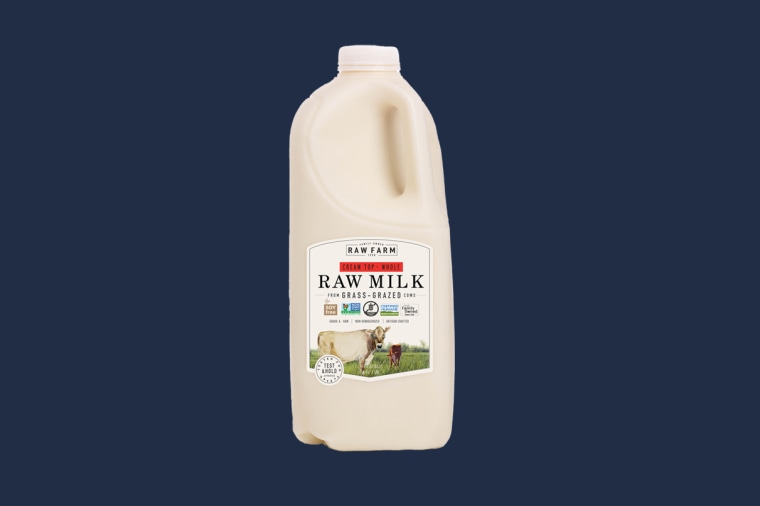
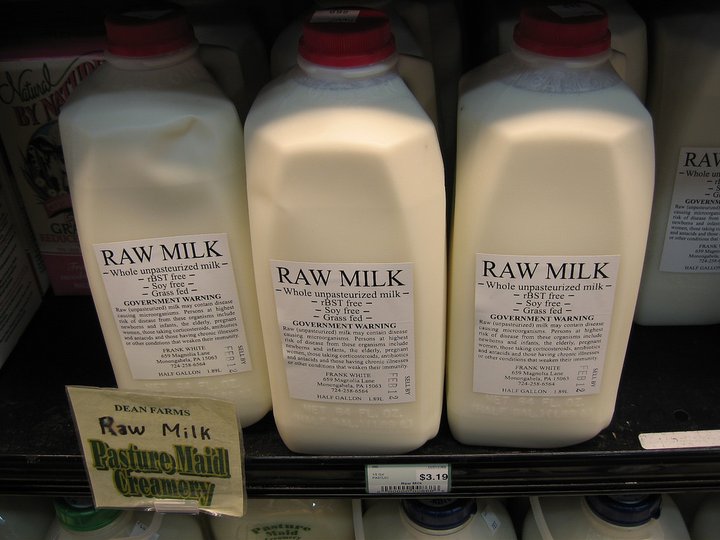
- Packaging and Labeling: Raw milk must be clearly labeled as “RAW” and include warnings about the potential health risks associated with its consumption. The packaging must also clearly identify the producer.
- Cooling and Transportation: Milk must be rapidly cooled immediately after milking and maintained at a consistently low temperature during transportation to slow bacterial growth.
The CDFA plays a vital role in overseeing these programs, conducting inspections, and enforcing the regulations. This oversight is a critical component of California‘s approach to permitting raw milk, aiming to balance consumer choice with public health protection.
What About Retail Sales?
Generally, the direct retail sale of raw milk in grocery stores or farmers’ markets for immediate consumption is not permitted in California. This means that if you are traveling and looking to purchase a carton of raw milk at a typical supermarket in cities like Los Angeles or San Francisco, you are unlikely to find it. The exception to this is through licensed dairy product retailers who are authorized to sell raw milk obtained from a licensed producer operating under specific permits. However, these sales are heavily regulated and often tied to the herd share model or other approved direct-to-consumer channels.
It’s important to note that the legal landscape can be complex, and regulations can change. Therefore, anyone seeking to purchase raw milk in California should always verify the current laws and the specific operational status of any producer or program they consider engaging with.
Navigating the Raw Milk Landscape as a Traveler
For visitors to California, the desire to experience local culinary offerings might extend to trying raw milk. However, the restricted nature of its sale means it’s not as readily accessible as other tourist-friendly food items.
Finding Raw Milk in California
If you are keen on exploring the raw milk scene in California, your best bet is to research farms that offer herd share programs. This often requires planning in advance. Many such farms are located in rural areas, contributing to the state’s rich agricultural tourism. Some destinations known for their agricultural bounty, such as wine regions in Napa Valley or Sonoma County, or farming communities in the Central Valley, might have producers offering raw milk.
- Research Online: Search for “California raw milk herd share programs” or “raw dairy farms California.” Websites dedicated to promoting sustainable agriculture or local food movements can be good resources.
- Contact Farms Directly: Once you identify potential farms, reach out to them directly to inquire about their herd share program, membership requirements, and milk availability. Be prepared for the possibility that you might need to become a member for a certain period to receive milk.
- Farmers’ Markets (with caution): While direct retail sale of raw milk is generally prohibited, some farmers’ markets might have vendors who are part of authorized herd share programs and can facilitate arrangements. However, always confirm the legality and terms with the vendor and the CDFA if you have any doubts.
Understanding the Risks and Benefits
When considering consuming raw milk, it is paramount to be informed about both the purported benefits and the scientifically recognized risks.
Potential Benefits (as cited by proponents):
- Nutrient Profile: Some believe raw milk retains more of its natural vitamins, enzymes, and beneficial bacteria.
- Digestibility: Certain individuals report improved digestion and reduced lactose intolerance symptoms with raw milk.
- Taste and Texture: Often described as superior to pasteurized milk.
Recognized Risks (as per public health authorities):
- Pathogenic Bacteria: Raw milk can harbor dangerous bacteria that can cause severe illness.
- Vulnerable Populations: The risk of serious complications from consuming contaminated raw milk is significantly higher for infants, young children, pregnant women, the elderly, and individuals with weakened immune systems.
- Cross-Contamination: Even with strict hygiene, the risk of contamination cannot be entirely eliminated.
It is crucial for consumers to weigh this information carefully. Travelers should especially be mindful of their health, particularly if they have any underlying health conditions. The decision to consume raw milk should be an informed one, made after thorough research and consideration of the potential health implications.
Conclusion: A Matter of Choice and Regulation
In California, raw milk is not entirely illegal, but its availability is strictly controlled. The state has opted for a regulatory approach that allows for its sale under specific conditions, primarily through herd share programs, to provide a legal avenue for consumers who seek it out, while simultaneously attempting to mitigate public health risks through producer oversight and testing.
For those who are curious about the taste, tradition, or perceived benefits of raw milk, navigating the California landscape requires diligence and an understanding of the regulations. It’s a journey that may lead you to discover artisanal farms and engage with a unique aspect of the state’s agricultural identity. However, this exploration must be balanced with a clear understanding of the potential health risks involved. As with any food choice, informed consent and a commitment to safety are key. The conversation around raw milk in California reflects a broader societal dialogue about consumer freedom, food safety, and the role of regulation in our lives.