
Texas, a state as vast and diverse as its culinary landscape, often sparks curiosity among travelers and locals alike. From the bustling metropolises of Dallas and Houston to the historic charm of San Antonio and the artistic vibe of Austin, the Lone Star State offers an incredible array of experiences. Amidst this rich tapestry of culture and cuisine, a specific question often arises for those interested in local food traditions and unique gastronomic adventures: “Is raw milk legal in Texas?”
This inquiry isn’t just about a beverage; it touches upon a broader theme of food tourism, local artisanal products, and understanding the regulatory environment that shapes what we can consume. For travelers seeking authentic experiences, understanding the availability and legality of local specialties is paramount. Whether you’re exploring a farmers’ market in the Texas Hill Country, seeking out farm-to-table restaurants, or simply curious about regional foodways, knowing the specifics about raw milk can enhance your journey. This article delves into the current legal status of raw milk in Texas, providing clarity for food enthusiasts and those planning their next adventure in this dynamic state.

Navigating the Texas Landscape: Raw Milk’s Legal Standing
The legality of raw milk sales and consumption is a nuanced topic, often subject to federal and state regulations. In Texas, the situation is no different, with specific laws and guidelines dictating how raw milk can be obtained and by whom. For many who advocate for raw milk, it’s not just about taste but also perceived health benefits and a connection to traditional farming practices. Understanding these regulations is crucial for anyone looking to legally purchase or consume this unpasteurized dairy product within the state.
The Federal Framework: A Foundation for State Regulations
Before diving into Texas-specific laws, it’s important to acknowledge the federal oversight that influences dairy production and sales across the United States. The U.S. Food and Drug Administration (FDA) generally prohibits the interstate sale of raw milk for human consumption. This federal stance aims to mitigate the potential health risks associated with consuming unpasteurized dairy products, which can harbor harmful bacteria. However, the FDA’s regulations primarily govern interstate commerce, leaving states with considerable latitude to establish their own rules regarding intrastate sales. This distinction is key to understanding why raw milk might be legally available within a state, even with federal restrictions on its movement across state lines. Texas, like many other states, has developed its own legislative framework that addresses the sale and distribution of raw milk directly within its borders.
Texas Law: A Closer Look at the Regulations
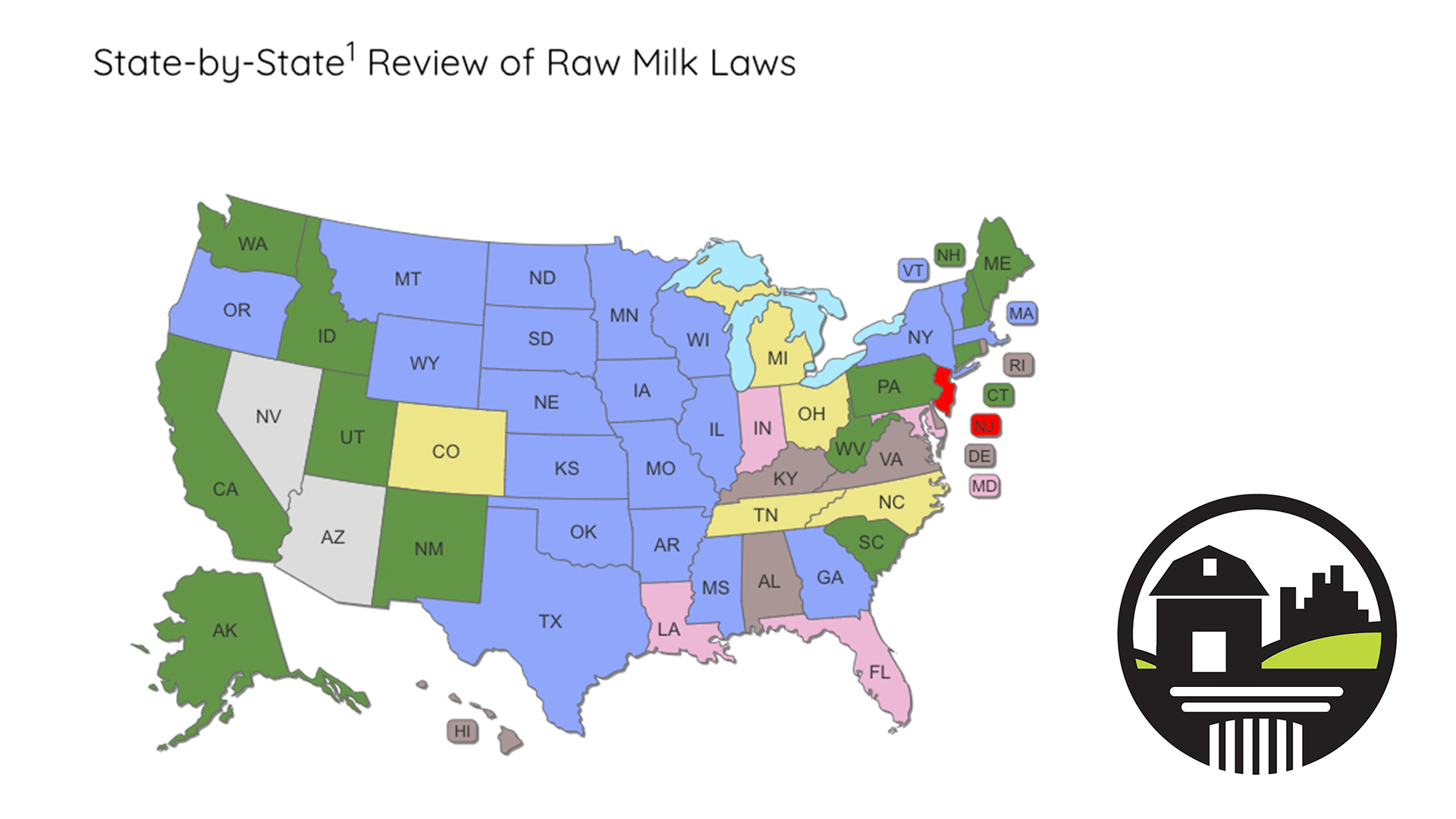
In Texas, the sale of raw milk directly to consumers is permitted under specific conditions. The Texas Food, Drug and Cosmetic Act, administered by the Texas Department of State Health Services, outlines these provisions. The key distinction in Texas law is that raw milk is not permitted to be sold as food for humans; rather, it is legally classified as “animal feed.” This legal classification is a crucial workaround that allows for the distribution of raw milk within the state.
Permitted Distribution Channels and Labeling Requirements
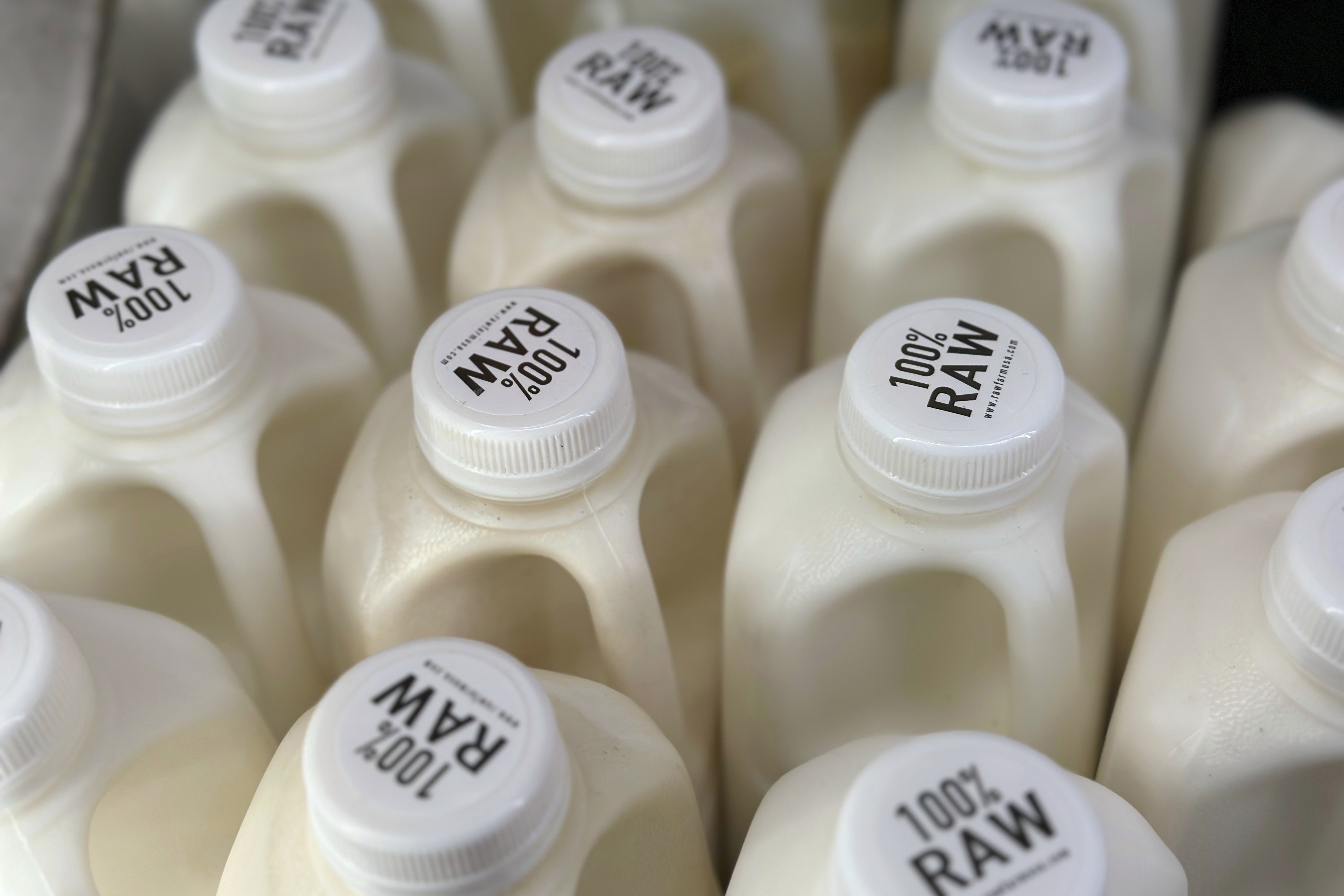
Under this “animal feed” classification, Texas law permits the sale of raw milk directly from a producer to a consumer, provided certain conditions are met. This typically involves on-farm sales or sales through designated distribution points, such as farmers’ markets or co-ops. Critically, the milk must be clearly labeled as “not for human consumption.” This labeling requirement is a safeguard, intended to inform consumers about the potential risks associated with drinking raw milk and to adhere to the state’s legal framework.
Farmers who wish to sell raw milk must also comply with specific herd health and facility sanitation standards to ensure the safety of their products as much as possible, even within the “animal feed” designation. These regulations are designed to minimize the risk of bacterial contamination, though they do not eliminate the inherent risks associated with unpasteurized milk. The Texas Animal Health Commission also plays a role in ensuring the health of the dairy herds.
For travelers and food enthusiasts, this means that while you can legally purchase raw milk in Texas, it must be done with an understanding of these specific regulations. You might encounter raw milk at various farms, artisanal dairies, or through local food buying clubs that facilitate direct producer-to-consumer sales. Always look for the “not for human consumption” label, and understand that you are purchasing it at your own discretion, recognizing the legal framework in place.
The Appeal of Raw Milk: Why the Interest for Travelers?
The question of raw milk’s legality in Texas is often fueled by a growing interest in artisanal foods, farm-to-table dining, and a desire to connect with the origins of our food. For travelers, this translates into seeking out unique culinary experiences that reflect the local culture and agricultural heritage of a destination. Raw milk, with its distinct flavor profile and perceived traditional appeal, fits squarely into this niche.
Flavor and Tradition: A Culinary Exploration
Advocates of raw milk often describe its taste as richer, creamier, and more complex than pasteurized milk. The natural enzymes and beneficial bacteria, which are killed during pasteurization, are believed by some to contribute to this enhanced flavor and texture. For a food explorer, tasting raw milk can be an opportunity to experience a product as it has been made for centuries, connecting with a more elemental aspect of dairy production.
In Texas, this experience can be integrated into a broader culinary tour. Imagine visiting a family-owned dairy in the rolling hills near Fredericksburg, sampling their raw milk, and then enjoying a meal at a local restaurant that sources ingredients from nearby farms. This kind of immersive experience allows travelers to engage with the local food system on a deeper level.
Health Perceptions and the Natural Food Movement
While scientific consensus generally supports pasteurization as a critical public health measure, a segment of the population believes that raw milk offers superior nutritional benefits and that pasteurization diminishes its inherent goodness. This belief is often tied to the broader natural food movement, which emphasizes minimally processed foods and traditional preparation methods.
For travelers interested in health and wellness, or those exploring alternative diets, understanding the availability of raw milk in Texas can be part of their travel planning. It allows them to make informed choices about their food consumption while visiting the state. However, it is crucial to reiterate that health authorities, including the CDC, advise against the consumption of raw milk due to the risk of serious foodborne illnesses.
Experiencing Texas: Beyond the Milk Bottle
While the legality of raw milk in Texas is an interesting aspect of its food landscape, it’s just one piece of the vibrant mosaic that makes the state a compelling travel destination. Texas offers a wealth of attractions, accommodations, and cultural experiences that cater to every type of traveler, from the luxury seeker to the budget-conscious adventurer.
Diverse Destinations and Accommodations
Whether you’re drawn to the iconic Alamo in San Antonio, the vibrant arts scene in Austin, the world-class museums in Houston, or the Western heritage of Fort Worth, Texas has something for everyone. The state boasts a wide range of accommodations, from lavish resorts and boutique hotels in cities like Dallas to charming bed and breakfasts in smaller towns and unique apartment rentals for longer stays. For those seeking an immersive experience, consider staying at a ranch or a countryside villa that might even offer insights into local farming practices.
Culinary Adventures and Local Culture
Texas’s food scene is legendary, extending far beyond raw milk. Indulge in world-famous Texas barbecue, savor authentic Tex-Mex cuisine, explore the burgeoning craft brewery and winery scene, and discover innovative farm-to-table restaurants. Many culinary tours and food festivals throughout the year highlight the state’s diverse gastronomic offerings. Engaging with local culture through music festivals, historical sites, and art galleries will provide a well-rounded travel experience. Visiting local farmers’ markets, even if you’re not purchasing raw milk, is a fantastic way to sample fresh produce, artisanal cheeses, baked goods, and connect with local producers.
Planning Your Texas Journey
When planning your trip to Texas, consider incorporating visits to farms that might offer raw milk sales. This can be an educational and engaging part of your itinerary, allowing you to see firsthand the source of local food products. Always research the specific requirements and operating hours of any farm or distribution point you intend to visit. Remember to prioritize safety and adhere to all local and state regulations regarding food consumption.
In conclusion, while the question “Is Raw Milk Legal in Texas?” has a specific answer rooted in state law, the broader context is one of a state rich in culinary traditions and agricultural diversity. Understanding these regulations allows curious travelers and food enthusiasts to explore Texas’s food landscape responsibly, enjoying all the Lone Star State has to offer, from its iconic landmarks to its flavorful local products.