
As the vibrant Sunshine State continues to attract millions of visitors each year, a significant question emerges for many considering a trip to Florida: what is the legal status of recreational marijuana in 2025? For travelers and residents alike, understanding the nuances of cannabis laws is crucial for a smooth and enjoyable experience. This exploration delves into the current landscape, potential future changes, and what this might mean for tourism and lifestyle in Florida.
Florida has long been a premier destination, renowned for its world-class theme parks like Walt Disney World Resort and Universal Orlando Resort, its pristine beaches along the Gulf of Mexico and the Atlantic Ocean, and its vibrant cultural scenes in cities such as Miami, Tampa, and Orlando. The state’s tourism industry is a colossal economic engine, and any shifts in its legal framework, particularly concerning something as socially significant as marijuana, inevitably sparks considerable interest and debate.
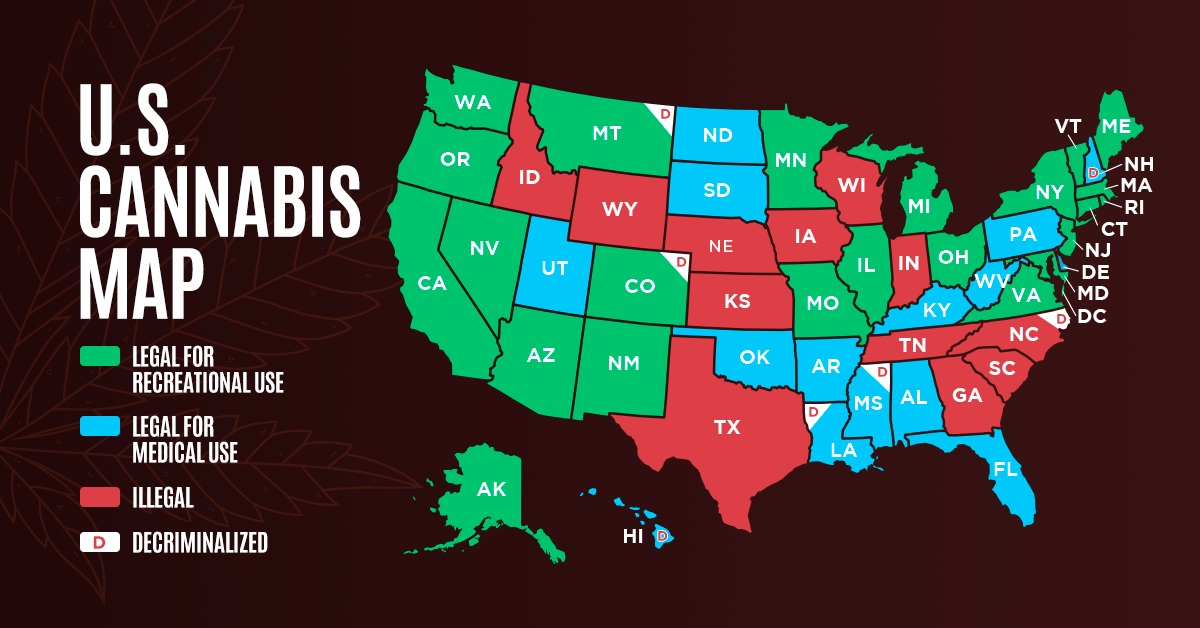
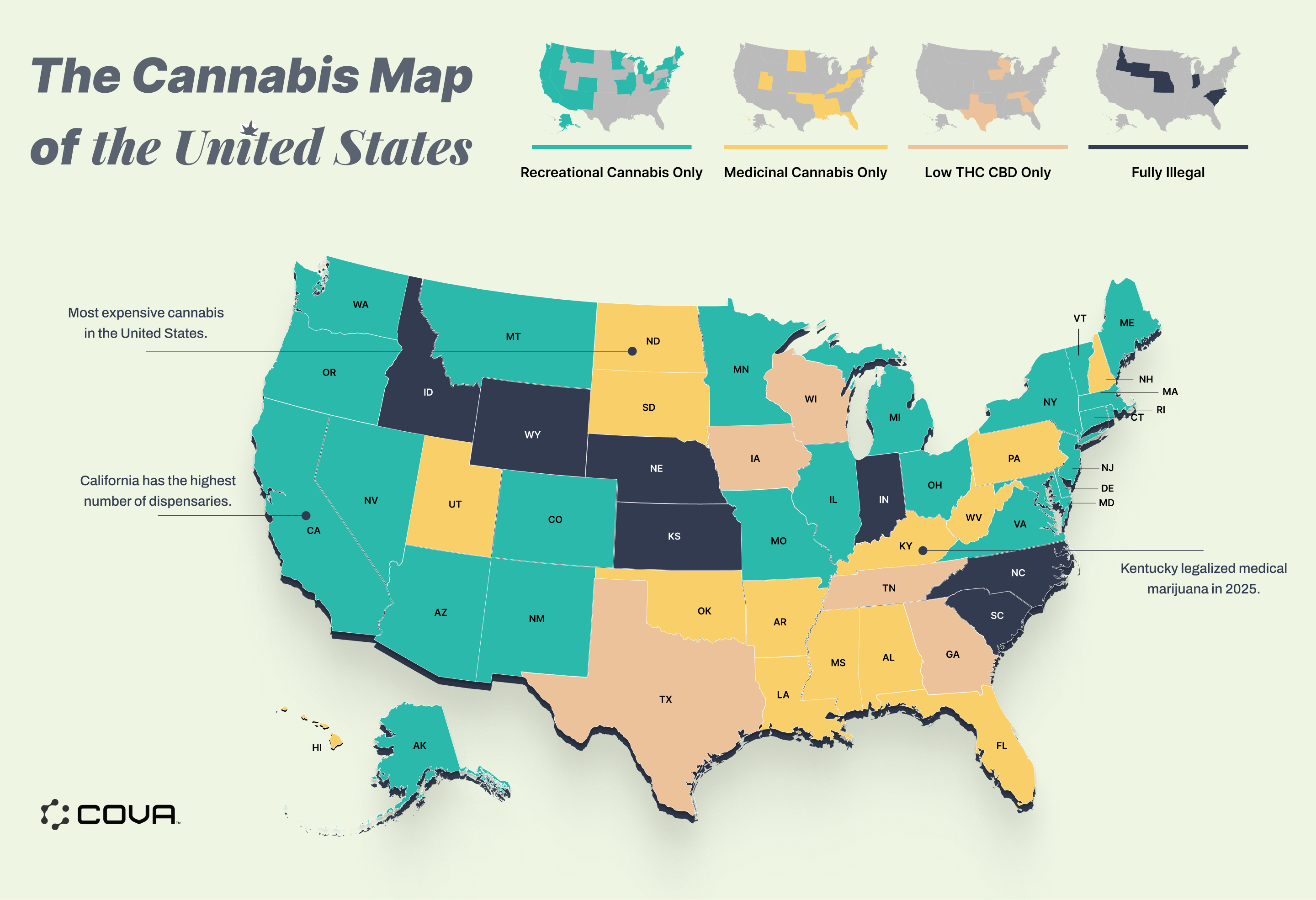
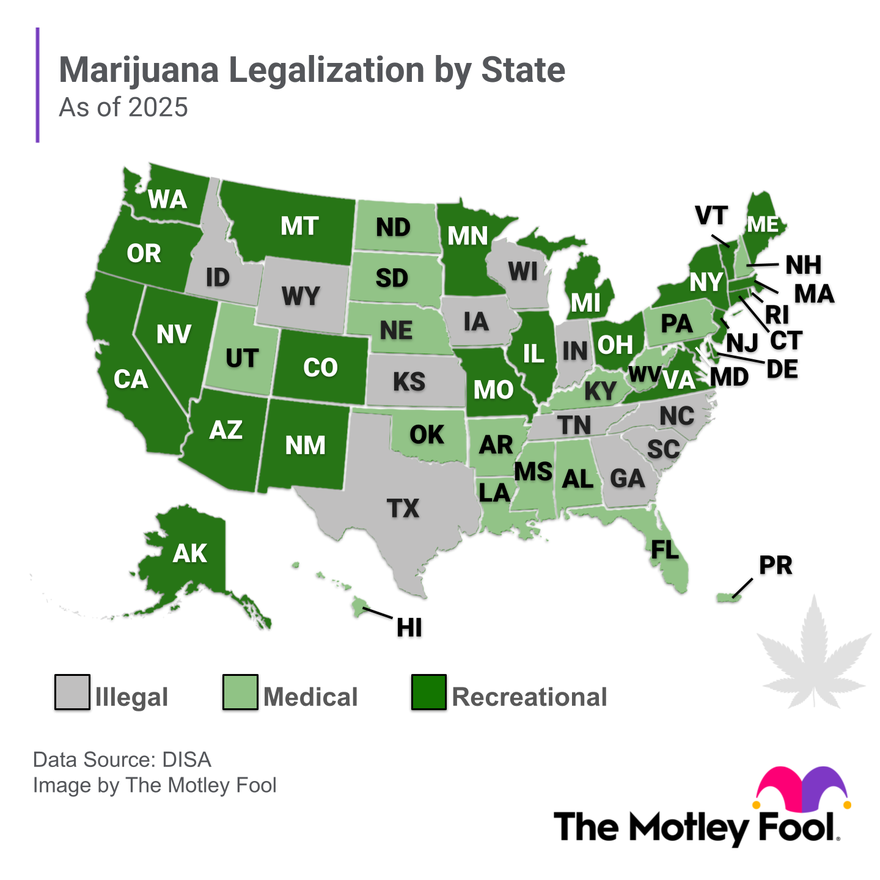
Currently, Florida operates under a medical marijuana program. Launched in 2016 following the passage of Amendment 2, the Florida Medical Marijuana Legalization Initiative, the program allows qualified patients with debilitating medical conditions to legally obtain and use cannabis. This program is managed by the Florida Department of Health. However, recreational use by adults aged 21 and older remains illegal.
The journey towards broader marijuana legalization in Florida has been a complex and often contentious one. While medical marijuana has gained a firm foothold, the path to recreational access has encountered significant legislative hurdles and public opinion shifts. This article aims to provide a comprehensive overview, examining the legislative efforts, voter sentiment, and potential implications for various aspects of Florida living and travel.
The Current Legal Landscape: Medical Marijuana in Florida
Florida‘s medical marijuana program, often referred to as Medical Use of Marijuana, has evolved since its inception. To qualify for medical marijuana, patients must be diagnosed with a qualifying condition by a certified Florida physician. These conditions include, but are not limited to, cancer, epilepsy, glaucoma, HIV/AIDS, Parkinson’s disease, and multiple sclerosis. Once qualified, patients receive a Medical Marijuana Use Registry identification card, which allows them to purchase marijuana products from licensed dispensaries across the state.
The dispensaries, often branded with names like Trulieve, Curaleaf, and Surterra Wellness, offer a range of products including flower, tinctures, edibles, topicals, and vapes. The regulations governing these dispensaries are stringent, focusing on product safety, potency, and responsible dispensing practices. This established medical framework provides a foundation upon which discussions about recreational legalization are built, offering insights into the logistical and regulatory challenges that would need to be addressed.
For tourists visiting Florida, it is imperative to understand that possessing or consuming marijuana, even if legally obtained for medical purposes in another state, is illegal in Florida without a Florida medical marijuana card. This distinction is critical for avoiding legal trouble. Travelers should be aware of the state’s strict drug laws and ensure they comply with them during their stay. The legal framework is designed to serve Florida residents who meet specific medical criteria, and it does not extend reciprocity to out-of-state medical marijuana patients. This lack of reciprocity is a common point of confusion and a vital piece of information for medical marijuana users planning to visit the Sunshine State.
The existence of a robust medical marijuana program has, however, normalized discussions around cannabis and has provided a framework for how a legal cannabis industry might operate. It has also paved the way for further advocacy and legislative efforts aimed at expanding access. The medical program’s success, in terms of patient access and economic impact for licensed businesses, has been a key argument for proponents of legalization.
Potential Pathways to Recreational Legalization
The question of recreational marijuana legalization in Florida is not a matter of if, but when, according to many advocates. Several avenues are being pursued, primarily through legislative action and citizen-initiated ballot measures.
Legislative Efforts
In Florida‘s legislative arena, bills proposing the legalization of recreational marijuana have been introduced in recent sessions. These bills typically aim to permit adults aged 21 and older to possess and consume cannabis, and to regulate the sale of marijuana through licensed dispensaries, similar to the existing medical program. However, these legislative efforts have, thus far, faced significant opposition and have not successfully passed through both chambers of the Florida Legislature. The political climate and the influence of various lobbying groups, including those opposing legalization, play a substantial role in the fate of such bills.
Lawmakers who support legalization often point to the potential tax revenue that could be generated, which could then be allocated to public services such as education, infrastructure, and healthcare. They also highlight the potential for job creation within a new legal industry and the opportunity to redirect law enforcement resources towards more pressing criminal matters. Opponents, conversely, often raise concerns about public health and safety, potential increases in impaired driving incidents, and the impact on youth.
Ballot Initiatives
Perhaps the most significant and closely watched path to recreational marijuana legalization in Florida lies in citizen-initiated ballot measures. For a constitutional amendment to appear on the statewide ballot, proponents must gather a substantial number of valid signatures from registered voters. If enough signatures are collected and verified by the Florida Division of Elections, the proposed amendment is then reviewed by the Florida Supreme Court. If the court deems it to be proper in form and substance, it can be placed before the voters.
A notable effort has been underway with the “Adult Use Marijuana Initiative,” spearheaded by groups like Florida‘s Voice for Medical Marijuana and the Marijuana Policy Project. This initiative aims to legalize marijuana for adult recreational use. The success of such a measure would require a constitutional majority of 60% of the votes cast for it to pass. Historically, Florida voters have approved constitutional amendments related to marijuana, most notably Amendment 2 in 2016 for medical use. This precedent offers a glimmer of hope for proponents of recreational legalization.
The process of gathering signatures is a monumental task, requiring extensive grassroots organizing and financial resources. Signature drives typically occur over several months, with campaigns actively engaging the public through rallies, social media, and door-to-door canvassing. The wording of the proposed amendment is also a critical factor, as it needs to be clear and comprehensive enough to withstand legal scrutiny and effectively communicate its intent to voters.
If the “Adult Use Marijuana Initiative” or a similar measure garners enough support and successfully navigates the legal review and voter approval processes, recreational marijuana could become legal in Florida in the near future, potentially impacting the 2025 election cycle or a subsequent one.
Implications for Travel and Tourism in Florida
The legalization of recreational marijuana in Florida could have a profound impact on its thriving tourism sector, which is a cornerstone of the state’s economy, attracting visitors to destinations like Orlando, Miami, and the Florida Keys. The implications span various facets of the travel experience, from accommodation choices to lifestyle activities.
Accommodation and Lifestyle Choices
For hotels, resorts, and vacation rental properties across Florida, the legalization of recreational marijuana could introduce new considerations. While many establishments may continue to maintain strict no-smoking policies, including for cannabis, others might adapt to accommodate the changing legal landscape. This could involve designating specific smoking areas, similar to how smoking is managed for tobacco.
The accommodation sector, which includes everything from luxury suites in Miami Beach to family-friendly resorts in Orlando and charming villas along the Gulf Coast, would need to develop clear policies regarding cannabis consumption on their premises. This could lead to a divergence in offerings, with some properties catering to cannabis-friendly travelers and others maintaining a cannabis-free environment. This differentiation might influence booking decisions, with travelers actively seeking out accommodations that align with their preferences and lifestyle choices.
Moreover, the broader lifestyle associated with cannabis tourism could emerge. This might include curated experiences, such as guided tours of dispensaries or cannabis-friendly events. For those interested in luxury travel, a legal recreational market might lead to the development of high-end cannabis lounges or boutique hotels that offer integrated cannabis experiences. Conversely, budget travelers might find more accessible options, potentially influencing the types of activities and excursions they pursue. The ability to legally purchase and consume marijuana could also influence decisions about where to stay within a city or region, as some areas might become more popular for their cannabis-friendly establishments.
Attractions and Activities
The impact on attractions and general tourism activities in Florida is a subject of ongoing discussion. Theme parks like Walt Disney World Resort and Universal Orlando Resort, which are immensely popular with families, are likely to maintain their current policies, prohibiting any form of marijuana consumption on their properties. The focus of these destinations is typically on family entertainment, and the introduction of recreational cannabis would likely not align with their established brand image.
However, other tourist sectors could see new opportunities. For instance, the vibrant nightlife in cities like Miami could be further enhanced with cannabis-friendly lounges or entertainment venues. Nature-based tourism, including trips to the Everglades or the Florida Keys, might not be directly impacted, but the overall atmosphere of a visit could change. The state’s diverse offerings, from historical landmarks like Castillo de San Marcos National Monument to its numerous beaches and natural parks, could all be viewed through a different lens by tourists who can legally partake in cannabis.
It is crucial for travelers to be aware of where cannabis consumption is permitted. Public consumption of marijuana is generally prohibited in Florida, much like alcohol. This means that even with recreational legalization, consumption would likely be restricted to private residences or designated consumption sites. This distinction is vital for tourists to avoid legal entanglements. For example, consuming marijuana on a public beach, in a hotel room (unless explicitly permitted), or within a rental car would likely remain illegal. The development of specific cannabis lounges or consumption spaces, analogous to cigar bars or hookah lounges, could become a feature of Florida‘s tourism landscape.
The economic impact of a legal recreational marijuana market could be substantial. Tax revenues generated from sales could be reinvested into tourism infrastructure, marketing campaigns, and conservation efforts, potentially enhancing the overall visitor experience. The growth of a new industry also presents opportunities for ancillary businesses, such as cannabis-themed merchandise, tour operators, and hospitality services catering to this demographic.
Navigating the Future: What to Expect
As Florida stands on the precipice of potential change regarding recreational marijuana, both residents and visitors are looking towards 2025 with a mix of anticipation and curiosity. The trajectory of legalization is not set in stone, and the outcome will depend on a confluence of legislative action, voter sentiment, and ongoing societal discussions.
For travelers planning trips to Florida in 2025, staying informed about the latest legal developments is paramount. While the current laws strictly prohibit recreational use, the possibility of change necessitates a watchful approach. Should recreational marijuana become legal, understanding the specific regulations – including age restrictions, possession limits, and consumption guidelines – will be essential. This knowledge will ensure a safe and compliant visit, allowing travelers to fully enjoy the diverse attractions and experiences that Florida has to offer, from the theme parks of Orlando to the cultural hubs of Miami and the tranquil beauty of the Florida Keys.
The potential legalization also opens doors for Florida to learn from other states that have already implemented recreational cannabis markets. States like Colorado, California, and Nevada have navigated the complexities of establishing legal frameworks, regulating sales, and managing the social and economic impacts. Florida can draw upon these experiences, adapting successful strategies and avoiding potential pitfalls. This could include lessons learned in public health initiatives, responsible advertising, and community engagement.
In conclusion, while Florida currently maintains a strict stance against recreational marijuana, the political and social landscape is dynamic. The ongoing efforts to legalize recreational use through legislative means and ballot initiatives suggest that a shift is plausible. Whether this shift occurs by 2025 remains to be seen, but its potential implications for travel, lifestyle, and the overall experience of visiting or living in the Sunshine State are undeniable. For now, adherence to existing laws is crucial, and for those interested in the future, continued observation of legislative and public opinion trends will be key. The evolution of marijuana laws in Florida is a story that continues to unfold, promising to shape the state’s identity and appeal for years to come.