
Navigating the vibrant tapestry of Chicago, a city celebrated for its architectural marvels, world-class museums, and a dynamic culinary scene, often brings travelers and prospective residents to consider neighborhoods that offer a unique blend of community and character. Among these, Rogers Park stands out as Chicago’s northernmost community area, boasting a rich history, a diverse population, and an abundance of cultural attractions. However, as with any urban neighborhood, questions regarding safety are natural and important for those planning a visit or considering a longer stay. This article aims to provide a comprehensive overview of safety in Rogers Park, drawing on official data, community perspectives, and insights relevant to travel, accommodation, and lifestyle.
Understanding Safety in Urban Neighborhoods
Before delving into the specifics of Rogers Park, it’s crucial to establish a nuanced understanding of urban safety. Crime statistics, while informative, are just one piece of the puzzle. Perceptions of safety are also heavily influenced by factors like community engagement, visibility of law enforcement, presence of local businesses, and the overall atmosphere of public spaces. Furthermore, safety can vary significantly within a neighborhood, with certain blocks or areas experiencing different levels of concern than others. This is a reality in most large cities, including Chicago.
The primary objective when assessing safety is to equip individuals with the knowledge to make informed decisions. This means looking beyond raw numbers and considering the lived experiences of residents and visitors, the proactive measures taken by the community, and the general livability of the area. For travelers, this translates to understanding which areas might be best suited for evening strolls, where to find vibrant nightlife, and how to best utilize public transportation, such as the CTA Red Line, which serves the neighborhood. For those considering accommodation, especially long-term stays, a deeper dive into community dynamics and local resources becomes paramount.
Crime Statistics and Community Perceptions in Rogers Park
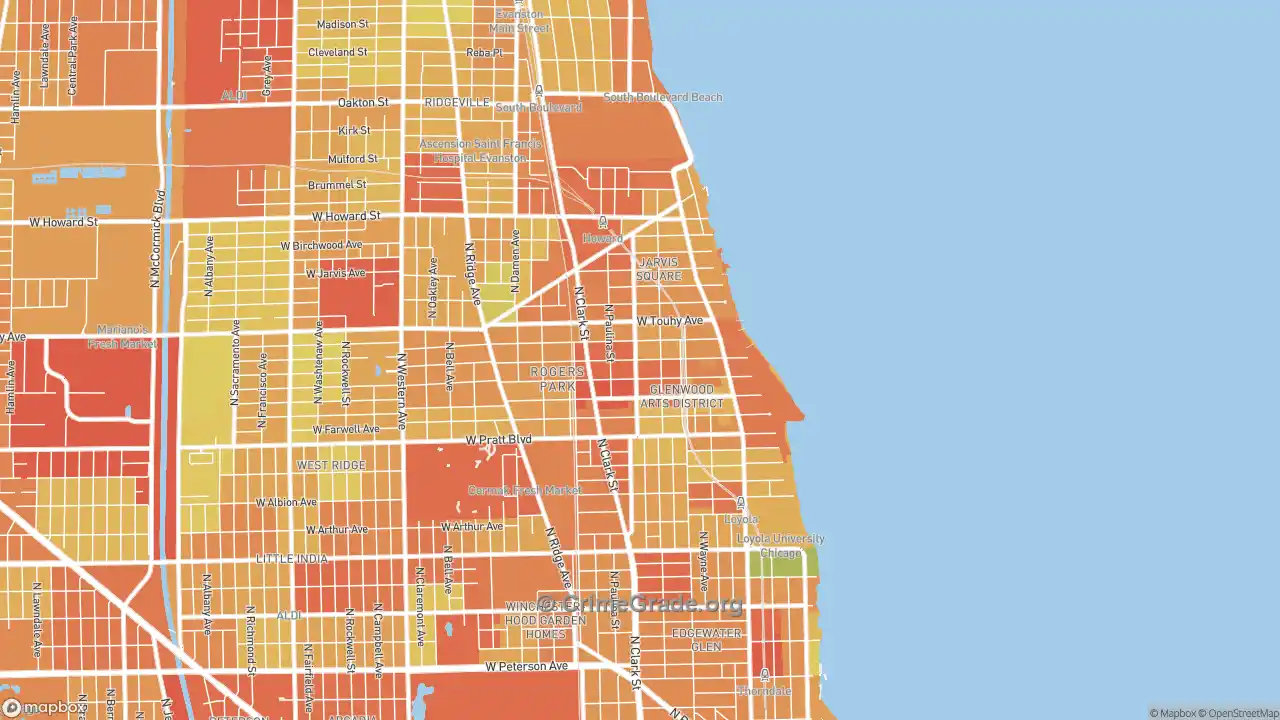
To address the question of safety in Rogers Park, it’s essential to examine available data and understand how it aligns with the lived experiences of those who frequent the area. Like many urban neighborhoods in large metropolitan areas, Rogers Park experiences a range of criminal activity. Official crime statistics, typically available through the Chicago Police Department, can provide an overview of reported incidents. These statistics often break down crime by type and geographic area, allowing for a more granular analysis.
However, it is important to interpret these statistics within the broader context of Chicago. When comparing Rogers Park to other community areas within the city, its crime rates often fall within a certain range. It’s common for neighborhoods with diverse socioeconomic populations and high population density to have higher reported crime rates than more affluent or less populated areas. This does not necessarily translate to a pervasive sense of danger for the average resident or visitor.
Community perceptions play a significant role in how a neighborhood is viewed. Many long-term residents of Rogers Park highlight its strong sense of community, its active neighborhood associations, and its vibrant cultural life as factors that contribute to its overall livability and a sense of collective security. Events like the Rogers Park Arts Alliance showcases and the numerous festivals held throughout the year foster a feeling of togetherness and shared ownership of the neighborhood. Local businesses, from independent bookstores to diverse restaurants offering cuisines from around the globe, contribute to a lively streetscape that can deter certain types of crime through increased foot traffic and eyes on the street.
It’s also worth noting that crime patterns can shift. What might have been a concern in previous years might be actively addressed through community initiatives and increased police presence. Neighborhood watch programs and the engagement of local law enforcement with community leaders are vital in building trust and addressing safety concerns proactively. For instance, the Rogers Park Community Council often works in collaboration with the Chicago Police Department to address specific issues and improve public safety.
When considering safety, it’s also beneficial to look at specific types of crime. Property crimes, such as theft, can occur in any urban setting. Violent crime statistics, while concerning, should be examined to understand the nature and frequency of incidents. Many sources suggest that while isolated incidents can occur, Rogers Park is not characterized by widespread, random violence that would deter a typical visitor or resident. The presence of Loyola University Chicago also contributes to a dynamic student population, which often influences the types of businesses and activities available, as well as the general safety considerations of the area.
Experiencing Rogers Park: Travel and Accommodation Tips
For travelers planning a trip to Chicago, Rogers Park offers a unique and authentic experience distinct from the more tourist-centric areas like The Loop or Magnificent Mile. Its appeal lies in its diverse residential neighborhoods, its proximity to Lake Michigan, and its rich artistic and cultural offerings. When visiting, understanding how to navigate the area safely enhances the overall experience.
Navigating Public Transportation
Rogers Park is well-served by public transportation, particularly the Chicago Transit Authority (CTA). The Red Line subway offers direct access to downtown Chicago, making it an attractive option for budget-conscious travelers or those seeking to avoid the hassle of parking. The Yellow Line also connects to Howard Station, a major transit hub. It is generally recommended to exercise standard precautions when using public transit in any large city, such as being aware of your surroundings, especially during late hours, and securing personal belongings. The CTA buses also provide extensive coverage within the neighborhood and connect to other transit lines.

Accommodation Options
When it comes to finding accommodation in Rogers Park, visitors have a range of options that cater to different preferences and budgets. While Rogers Park might not boast the same concentration of large luxury hotels found in downtown Chicago, it offers a more local flavor with boutique hotels, charming bed and breakfasts, and numerous apartment rentals.
For those seeking a resort-like experience, while not directly within Rogers Park, Chicago has many options within a reasonable transit distance. However, within Rogers Park itself, the focus is often on more intimate lodging. Travelers looking for suites or more spacious accommodations might find suitable options in serviced apartments or extended-stay hotels, which can also be ideal for families or those on longer trips. The availability of vacation rentals through platforms like Airbnb and VRBO provides further flexibility, allowing visitors to immerse themselves in the local lifestyle.
When booking accommodation, it’s always advisable to read recent reviews from other travelers. These reviews often offer insights into the safety and cleanliness of the specific property, as well as the general feel of the immediate surroundings. Neighborhood safety can vary even block by block, so reviews that mention proximity to parks, public transport, and local amenities can be particularly helpful. Consider looking for hotels or apartments in areas with good lighting and consistent foot traffic, especially if you plan on returning to your accommodation late at night.
Exploring Attractions and Activities
Rogers Park offers a wealth of attractions and activities that contribute to its vibrant lifestyle. The neighborhood is home to several beautiful parks, including LeFrak Beach and Loyola Beach, which provide access to Lake Michigan’s shores for swimming, sunbathing, and leisurely walks. The North Shore Channel Trail is popular for cycling and jogging.
Culturally, Rogers Park is known for its diverse culinary scene, with restaurants offering everything from authentic Ethiopian cuisine to classic American fare. The presence of theaters, art galleries, and live music venues further enhances its appeal. Exploring these local gems is a key part of the Rogers Park experience. As with exploring any new area, it’s wise to stick to well-lit and populated areas when venturing out in the evening, especially when exploring less familiar parts of the neighborhood.
Lifestyle and Community Life in Rogers Park
The lifestyle in Rogers Park is characterized by its strong sense of community, diversity, and affordability, making it an attractive place for a wide range of residents. This community focus often translates into proactive efforts to maintain and improve safety.
A Diverse and Engaged Community
Rogers Park is celebrated for its ethnic and socioeconomic diversity, creating a rich cultural mosaic. This diversity is reflected in its community organizations, festivals, and local businesses. Neighborhood associations and advocacy groups play a crucial role in addressing local concerns, including safety. They often organize community clean-ups, advocate for improved street lighting, and work with the Chicago Police Department to foster a safer environment. The presence of numerous places of worship, community centers, and educational institutions, like Northwestern University (though located in nearby Evanston, its influence extends), further anchors the community.
Budget-Friendly Travel and Living
Compared to some of Chicago’s more central or affluent neighborhoods, Rogers Park often offers more affordable accommodation and living costs. This makes it an appealing option for budget travelers, students, and families looking for a vibrant urban experience without the premium price tag. The availability of diverse dining options, from affordable eateries to more upscale establishments, also caters to various budgets. This accessibility contributes to a lively street life, which in turn can have a positive impact on perceived and actual safety.

Family-Friendly Aspects
While often perceived as a dynamic urban neighborhood, Rogers Park also offers many family-friendly aspects. Its numerous parks, access to Lake Michigan, and a variety of community events make it a pleasant place for families. When considering safety for families, it’s always prudent to research specific parks and playgrounds, check for local advisories, and be mindful of surroundings, particularly during peak usage times. The presence of good schools and family-oriented businesses further contributes to its appeal for those with children.
In conclusion, the question of whether Rogers Park is safe is best answered by acknowledging that, like all urban neighborhoods, it presents a complex picture. While crime statistics are a factor, they must be weighed against the strong community bonds, proactive engagement, and the vibrant cultural life that defines Rogers Park. By staying informed, exercising common sense precautions, and engaging with the local community, visitors and residents can confidently enjoy all that this unique Chicago neighborhood has to offer.