
For travelers planning a trip to the Golden State, understanding the intricacies of local laws, especially concerning unique substances, is paramount for a smooth and enjoyable experience. One such substance that often sparks questions is Salvia divinorum, commonly known simply as Salvia. This potent herb, steeped in ancient traditions, occupies a peculiar legal gray area in many parts of the United States. While cannabis laws in California are relatively well-known due to its recreational legality, Salvia’s status is less publicized. This article delves into the specific legal standing of Salvia in California, its cultural background, and what this means for visitors exploring the state’s diverse attractions and vibrant lifestyle.

Navigating the Legal Landscape of Salvia Divinorum in California
The legal status of Salvia divinorum is a complex tapestry woven from state-specific legislation rather than federal oversight. Unlike many illicit drugs, Salvia is not classified as a controlled substance under federal law in the United States. This absence of federal regulation means that individual states and even some local jurisdictions have been left to determine their own policies, resulting in a varied legal landscape across the nation. For those seeking to understand its legality within the context of California travel, a clear understanding of these state-level distinctions is essential.
The Specifics of California Law
In California, Salvia divinorum is legal to possess, cultivate, and sell, but with an age restriction. Specifically, it is illegal for anyone under the age of 18 to purchase, possess, or consume Salvia divinorum or its derivatives. This means that adults aged 18 and over can legally engage with the plant within the state’s borders. This age-restricted legality places Salvia in a similar category to tobacco or kratom in some jurisdictions, rather than highly controlled substances like LSD or MDMA.
The law aims to prevent minors from accessing a psychoactive substance while acknowledging the plant’s history and its lack of federal prohibition. For tourists and residents alike, this distinction is crucial. While you might encounter Salvia products in specific botanical or herbal shops, especially in areas with a more open approach to natural remedies, its public use, much like alcohol or cannabis, is generally frowned upon and can lead to public intoxication charges even if the substance itself is legal. When considering accommodation options in California, from boutique hotels in Los Angeles to serene resorts in Napa Valley, it’s always advisable to adhere to the property’s specific rules regarding substances, as well as general laws. Most hotels and apartments maintain strict non-smoking policies and often prohibit the use of any substances that could disturb other guests or damage property.
A Patchwork of Regulations Across the United States
The legal status of Salvia in California is a prime example of the state-by-state variation. Across the United States, the plant’s legality ranges from fully unrestricted to outright criminalization.
- States where Salvia is fully legal and unregulated for adults: This includes a handful of states where no specific laws or restrictions have been enacted, often because legislators have not addressed it.
- States with age restrictions (like California): A significant number of states have chosen this path, making it legal only for individuals 18 or 21 and older. This approach attempts to balance individual freedom with concerns about youth access.
- States where Salvia is a controlled substance: In some states, Salvia divinorum or its active ingredient, Salvinorin A, has been classified as a Schedule I controlled substance. Louisiana, for example, lists it alongside heroin and LSD, making its possession, sale, and cultivation illegal and subject to severe penalties. Other states like Florida, Kansas, and Texas have also imposed similar bans or classifications.
- States with other specific bans or regulations: A few states have unique laws, such as banning synthetic Salvia products while leaving the natural plant unregulated, or specific bans on its sale but not possession.
This diverse legal landscape underscores the critical importance for any traveler to conduct thorough research into the specific laws of their destination state, especially if they are considering interacting with substances outside the mainstream. What is permissible in California may lead to arrest in a neighboring state, highlighting the need for vigilance and informed decision-making during any trip.
Salvia’s Background: Cultural Roots and Modern Perceptions
To fully appreciate the legal and social context surrounding Salvia divinorum, it’s beneficial to understand its rich history and the journey it has taken from sacred plant to a subject of modern debate and regulation. Its path from indigenous ritual to contemporary legal discussions is a fascinating aspect of ethnobotany and cultural exchange.
Traditional Use and Ethnobotanical Significance
Salvia divinorum, a member of the mint family (Lamiaceae), is native to the Sierra Mazateca region of Oaxaca, Mexico. For centuries, it has been revered and utilized by the indigenous Mazatec people in their spiritual and healing ceremonies. Known to the Mazatec as “Ska María Pastora” (Leaves of Mary, the Shepherdess), “Hierba de la Pastora” (Herb of the Shepherdess), or simply “La Hembra” (The Female), the plant is considered a sacred entity and a tool for divination, healing, and spiritual introspection.
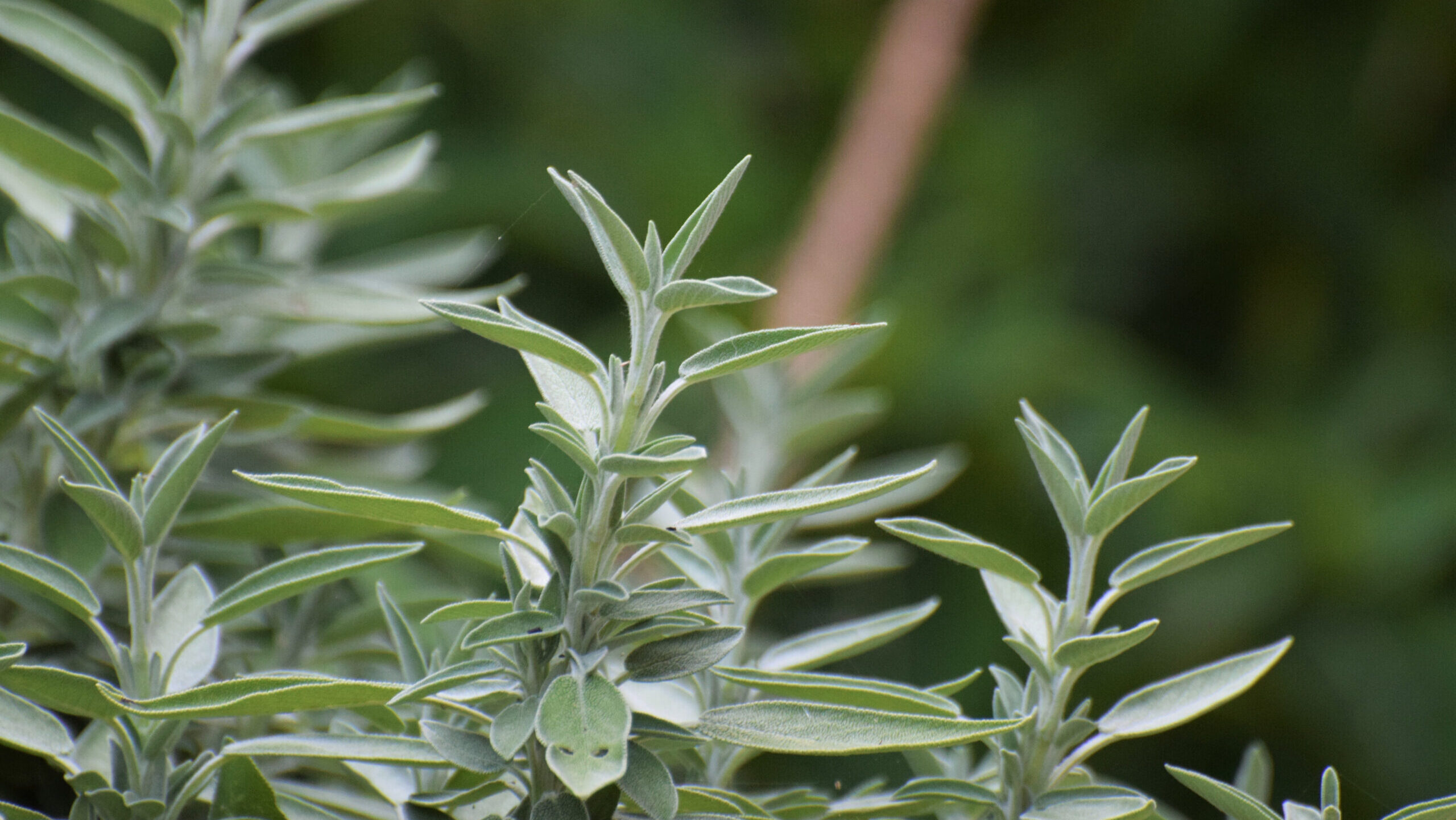
Traditional use involves ingesting the fresh leaves, often by chewing them or preparing them as an infusion, allowing for a gradual absorption of its primary active compound, Salvinorin A. This method typically produces a less intense but longer-lasting experience compared to the more concentrated extracts commonly found in the modern Western world. The Mazatec shamans would use Salvia to communicate with ancestors, diagnose illnesses, and guide individuals through spiritual journeys. The context was always one of reverence, ritual, and respect for the plant’s power, usually under the guidance of an elder or shaman, and never for recreational purposes. This profound ethnobotanical history stands in stark contrast to the often recreational and unregulated use that led to its legal scrutiny in many modern societies.
From Traditional Ritual to Contemporary Debate
The introduction of Salvia divinorum to the Western world in the latter half of the 20th century marked a significant shift in its perception and use. As botanists and ethnobotanists documented its traditional uses, its psychoactive properties became known outside the Mazatec community. By the late 1990s and early 2000s, Salvia divinorum and concentrated extracts became increasingly available online and in head shops, often marketed as a “legal high.”
This shift from sacred ritual to recreational curiosity quickly caught the attention of media outlets and public health officials. Sensationalized reports, particularly those focusing on its potent and sometimes disorienting effects, fueled public concern. Videos depicting individuals under the influence of Salvia, often exhibiting bizarre or alarming behavior, circulated widely, contributing to a negative public image. This media portrayal, coupled with a lack of comprehensive scientific understanding of its long-term effects and potential for abuse, spurred legislators across the United States and beyond to consider regulation.
The ensuing debate has often pitted advocates for plant medicine and ethnobotanical freedom against public safety concerns and a desire to control substances that alter perception. The result is the varied legal landscape we see today, with states like California opting for age restrictions, while others have chosen outright prohibition. Understanding this journey from ancient reverence to modern controversy helps contextualize why a seemingly innocuous plant has become a subject of such diverse legal treatment.
What This Means for Travelers and Tourism in California
For anyone planning a visit to California, whether for its iconic landmarks, vibrant cities, or stunning natural beauty, understanding the legal nuances of substances like Salvia is just one facet of responsible travel. While the legal status of Salvia might be a niche concern for most tourists, it underscores a broader principle: the importance of informed decision-making and respect for local laws and customs to ensure a safe, enjoyable, and hassle-free trip.
Responsible Travel and Legal Awareness
The primary takeaway for travelers regarding Salvia in California is simple: it is legal for adults 18 and older, but responsible use and awareness of the context are crucial. Even if a substance is legal, its public consumption is almost universally prohibited and can lead to legal issues related to public intoxication, disorderly conduct, or disturbing the peace. Driving under the influence of any psychoactive substance, legal or otherwise, is strictly illegal and dangerous. For those unfamiliar with Salvia’s effects, exercising extreme caution is always advisable.
Most visitors to California are drawn to its world-class tourism offerings: the sun-drenched beaches of San Diego, the cultural vibrancy of San Francisco, the glitz and glamour of Los Angeles, and the serene vineyards of Napa Valley. The question of Salvia’s legality, while valid, is generally peripheral to the vast array of legitimate experiences that California offers. Focusing on these renowned attractions and respecting local guidelines will undoubtedly lead to a more fulfilling journey.
California’s Diverse Appeal Beyond Niche Laws
California truly offers something for every type of traveler, extending far beyond discussions of specific plant legality. The state’s appeal lies in its unparalleled diversity:
- Iconic Cities: Explore Los Angeles, a global hub for entertainment, fashion, and art, home to Hollywood, Beverly Hills, and stunning Pacific beaches. Wander through San Francisco’s unique neighborhoods, from the historic Alcatraz Island and the architectural marvel of the Golden Gate Bridge to the vibrant Fisherman’s Wharf. Discover San Diego, known for its laid-back atmosphere, beautiful Balboa Park, and world-renowned zoo.
- Natural Wonders: California boasts some of the most breathtaking natural landmarks in the United States. Hike among the towering ancient trees of Redwood National Park, marvel at the majestic granite cliffs and waterfalls of Yosemite National Park, or enjoy winter sports and summer activities around the pristine waters of Lake Tahoe. The dramatic coastline of Big Sur offers unforgettable scenic drives, while the stark beauty of Death Valley National Park presents a unique desert experience.
- Culinary Experiences: From farm-to-table restaurants in San Francisco to diverse ethnic food scenes in Los Angeles, California’s food culture is a major draw. Wine enthusiasts flock to Napa Valley and Sonoma for world-class vineyards and tasting tours.
- Diverse Accommodation Options: Whether you’re seeking luxury travel in a five-star hotel with ocean views, budget travel in a charming hostel, or a cozy long-term stay in a vacation rental, California caters to every preference. Resorts along the coast offer spa treatments and private beach access, while urban suites provide convenient access to city attractions. For family trips, villas or apartments with extra space are popular choices. Websites offering booking, reviews, and comparison tools make finding the perfect place to stay effortless.
- Local Culture and Activities: Immerse yourself in the state’s rich history, explore unique art galleries, catch a live music show, or participate in countless outdoor activities like surfing, hiking, or skiing.

Prioritizing Safety and Enjoyment
Ultimately, a memorable trip to California is built on safety, enjoyment, and a respectful engagement with its offerings. While niche legal questions like that of Salvia are part of the broader legal landscape, they should not overshadow the myriad positive experiences available. Always consult official state and local government websites for the most current legal information. Practical travel tips include planning your itinerary, booking accommodation and major attractions in advance, understanding local transportation, and staying informed about any environmental conditions, particularly when visiting natural landmarks. By prioritizing these aspects, travelers can ensure their California adventure is truly exceptional.
In conclusion, for those asking, “Is Salvia legal in California?”, the answer is yes, for adults aged 18 and older. However, this legal status should be understood within the broader context of responsible travel, respect for local laws and customs, and a focus on enjoying the rich tapestry of tourism experiences that make California a world-renowned destination. Always stay informed, make safe choices, and immerse yourself in the wonders that the Golden State has to offer.
LifeOutOfTheBox is a participant in the Amazon Services LLC Associates Program, an affiliate advertising program designed to provide a means for sites to earn advertising fees by advertising and linking to Amazon.com. Amazon, the Amazon logo, AmazonSupply, and the AmazonSupply logo are trademarks of Amazon.com, Inc. or its affiliates. As an Amazon Associate we earn affiliate commissions from qualifying purchases.