
For ardent fans of medical dramas, few fictional institutions evoke the same potent blend of life-saving drama, intricate relationships, and, of course, the occasional surgical mishap as Seattle Grace Hospital. The very mention of its name conjures images of interns scrambling, attendings making life-altering decisions, and the bustling, often chaotic, environment of a world-class medical center. But as the accolades and storylines piled up over its many seasons, a persistent question arose among viewers, especially those with a penchant for real-world exploration and travel: Is Seattle Grace Hospital a real place? This inquiry often stems from the desire to connect with the settings that have captured our imaginations, to perhaps walk the halls that have witnessed so much fictional triumph and tragedy, or even to seek out the very essence of a place that feels so vividly portrayed.

The allure of Grey’s Anatomy, the show that brought Seattle Grace Hospital to prominence, lies not just in its compelling narratives but also in the realistic portrayal of its setting. The city of Seattle itself plays a crucial role, its iconic skyline, evergreen landscapes, and distinctive weather patterns forming an integral part of the show’s atmosphere. For many, the fictional hospital becomes a symbol of Seattle, intertwined with the city’s identity in their minds. This blurring of fiction and reality naturally leads to a curiosity about the tangible existence of Seattle Grace Hospital.
Delving into this question requires understanding how television productions bring fictional locations to life. While the heart-wrenching surgeries and passionate romances unfolded within the supposed walls of Seattle Grace Hospital, the reality of television production is that these scenes are almost always filmed in meticulously designed sets or at existing, often unrelated, locations. The goal is to create a believable environment that serves the story, not necessarily to replicate a specific, existing building. Yet, the question of “realness” persists, fueled by the show’s success and the audience’s deep engagement with its world.
The Echoes of Reality: Filming Locations and Inspirations
The question of whether Seattle Grace Hospital is a real hospital is a complex one, with answers that often satisfy the logistical realities of filmmaking while acknowledging the deep emotional connections viewers forge with fictional places. When the cameras roll and the drama unfolds, audiences are transported to the hallowed (and often blood-spattered) halls of Seattle Grace Hospital. However, like many beloved fictional settings, the hospital as depicted on screen is not a single, monolithic entity in the real world. Instead, it is a composite, an illusion crafted from various real-world elements and studio magic.
Studio Sets: The Heart of the Fiction
The primary answer to whether Seattle Grace Hospital is a real hospital lies in the fact that its interior, the very spaces where the most dramatic moments occur, were predominantly filmed on sound stages. These are purpose-built environments, designed and constructed by the show’s art department to meticulously replicate the look and feel of a busy, modern hospital. This allows for maximum control over lighting, camera angles, and the flow of action, essential for the dynamic storytelling of a show like Grey’s Anatomy. The gleaming operating rooms, the chaotic emergency department, the quiet corridors of patient rooms – all were brought to life within the controlled environment of a studio. This is a common practice in television and film production, where the demands of the narrative often necessitate the creation of fictional spaces rather than finding perfect real-world equivalents. The attention to detail in these sets is remarkable, contributing significantly to the show’s perceived authenticity. From the beeping of monitors to the clutter of medical equipment, every element is carefully curated to immerse the audience in the world of the doctors and patients.
Exterior Shots: A Glimpse of the Real Seattle
While the interiors were largely studio creations, the exterior shots that establish the hospital’s location often drew inspiration from or even utilized real buildings in and around Seattle. This is where the connection to the actual city becomes more tangible. The iconic establishing shots of Seattle Grace Hospital were often filmed using the exterior of the Johns Hopkins Hospital in Baltimore, Maryland, during the early seasons. This choice was likely driven by practical considerations and the availability of suitable architectural features that could stand in for a prominent medical institution. Later in the series, the production may have shifted its use of exterior locations, but the principle remained the same: to find a visually compelling building that could serve as the recognizable face of the fictional hospital.
It’s important to distinguish between the inspiration for a location and its direct representation. While Seattle Grace Hospital is a fictional entity, its visual identity in the show often borrows from real-world architectural styles and the general urban landscape of Seattle. This creates a believable backdrop for the drama, grounding the fictional events in a recognizable reality. The filmmakers sought buildings that conveyed a sense of gravitas and institutional presence, characteristic of a major hospital.
The choice of Seattle as the setting itself is no accident. The city, with its maritime heritage, burgeoning tech industry, and often overcast skies, provides a distinct atmospheric backdrop that complements the often somber and intense nature of medical drama. The show’s creators leveraged Seattle’s unique character to enhance the storytelling, making the city almost a character in itself. For fans visiting Seattle, the search for the real Seattle Grace Hospital becomes a part of their own personal travel narrative, an attempt to connect with the fictional world through its real-world inspirations.
The Search for Authenticity: Travel and Tourism in Seattle
For many fans of Grey’s Anatomy, the desire to know if Seattle Grace Hospital is real is intrinsically linked to a broader interest in traveling to Seattle and experiencing the city that served as the show’s backdrop. The show has undoubtedly inspired a surge of tourism, with visitors eager to see the sights that have become so familiar from their television screens. This phenomenon highlights the powerful influence of popular culture on travel trends, turning fictional landmarks into desirable destinations in the eyes of the public.
Exploring Seattle’s Iconic Landmarks
While Seattle Grace Hospital itself doesn’t exist as a singular, identifiable building that fans can visit and tour, the city of Seattle offers a wealth of real-world attractions that have either been featured in the show or are synonymous with the city’s charm. For the Grey’s Anatomy enthusiast, a trip to Seattle can become a curated exploration of places that evoke the spirit of the show.

One such iconic landmark is the Space Needle. Its distinctive silhouette is often visible in the background of Seattle shots on the show, and for many, it represents Seattle itself. Visiting the Space Needle offers panoramic views of the city, allowing fans to see the urban landscape from a perspective similar to that seen on their favorite show. The experience of standing atop this architectural marvel, looking out over the Puget Sound and the surrounding mountains, can be a profound way to connect with the show’s setting.
Another significant real-world location that captures the essence of Seattle is Pike Place Market. While not directly associated with Seattle Grace Hospital, Pike Place Market is a vibrant hub of local culture, food, and activity, and it frequently serves as a backdrop for scenes depicting the characters enjoying downtime or exploring the city. The bustling atmosphere, the fresh seafood, the street performers – it all contributes to the authentic Seattle experience that fans might be seeking. Walking through the market, sampling local delicacies, and soaking in the lively ambiance can feel like stepping into a moment from the show, albeit a more relaxed one.
The waterfront area of Seattle also holds significance, often featured in establishing shots or scenes where characters are seen enjoying the natural beauty of the Pacific Northwest. The ferries gliding across the water, the views of the Olympic Mountains, and the fresh, salty air all contribute to the sensory experience of Seattle that the show aims to convey. For travelers interested in the show’s setting, exploring the waterfront and perhaps taking a ferry ride can be a deeply satisfying experience.
Beyond the Hospital Walls: The Seattle Experience
The appeal of visiting Seattle as a “Grey’s Anatomy” fan extends beyond simply trying to find the fictional hospital. It’s about immersing oneself in the broader Seattle experience that the show portrays. This includes exploring the city’s renowned coffee culture, with countless independent cafes offering a cozy respite, much like the hospital’s own cafeteria might have served as a hub for its characters. The show often depicts the characters grabbing coffee, a quintessentially Seattle activity that visitors can easily replicate.
Furthermore, the show’s use of Seattle’s natural beauty – the lush greenery, the proximity to water, and the dramatic mountain ranges – inspires an appreciation for the region’s outdoor attractions. For those who enjoy nature and outdoor activities, a trip to Seattle can include visits to parks like Discovery Park or day trips to nearby natural wonders. These experiences allow visitors to connect with the environment that provides such a stunning and atmospheric backdrop to the medical dramas.
The notion of Seattle Grace Hospital being “real” is, in essence, about connecting with the Seattle that the show evokes. It’s about experiencing the city’s unique character, its landmarks, its culture, and its natural beauty, all of which have been artfully woven into the fabric of Grey’s Anatomy. While the hospital itself may be a figment of creative design and studio production, the Seattle that fans fall in love with on screen is very much a tangible, visitable reality.
The Legacy of Seattle Grace: Impact on Pop Culture and Tourism
The fictional Seattle Grace Hospital has transcended its origins as a mere set piece to become a cultural icon, influencing how audiences perceive Seattle and even sparking a particular type of fan tourism. The longevity and immense popularity of Grey’s Anatomy have cemented the hospital’s place in the pantheon of memorable fictional locations, prompting questions about its real-world counterparts and the impact it has had on its chosen city.
The Power of a Fictional Landmark
The success of Grey’s Anatomy has demonstrated the profound power of a well-crafted fictional setting. Seattle Grace Hospital is more than just a building; it’s a stage for human drama, a symbol of hope and despair, and a place where life-altering decisions are made daily. This emotional resonance translates into a tangible interest from fans who wish to connect with this world on a deeper level. For many, the desire to know if Seattle Grace Hospital is real stems from a genuine affection for the show and its characters, a wish to find a physical manifestation of the stories they have followed for years.
This phenomenon is not unique to Seattle Grace Hospital. Countless fictional locations have inspired real-world travel. Think of Hogwarts School of Witchcraft and Wizardry in the Harry Potter series, which has led many fans to visit filming locations in the United Kingdom, or the fictional town of Springfield in The Simpsons, which has inspired various real-world celebrations and tourism initiatives. Seattle Grace Hospital, too, has become a touchstone for a generation of television viewers.
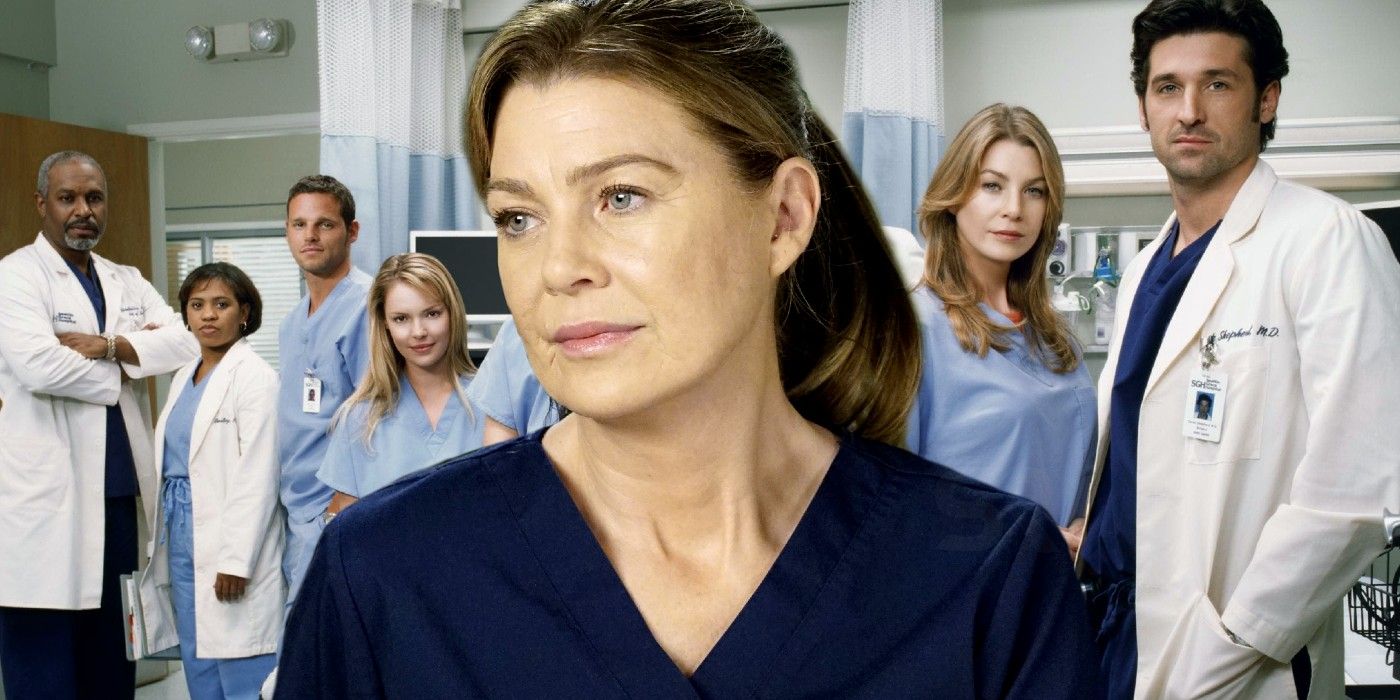
Inspiring “Grey’s Anatomy” Tourism
The question “Is Seattle Grace Hospital a real hospital?” is, for many, a gateway to exploring Seattle itself through the lens of the show. While there isn’t a single building to tour as Seattle Grace Hospital, the city offers numerous locations that have played a role in the show’s visual identity or are simply quintessential Seattle experiences that fans can seek out. This has, in turn, fueled a niche but significant form of tourism centered around the show.
Tour operators have capitalized on this interest, offering guided tours that highlight filming locations, landmarks featured in the show, and places that embody the Seattle lifestyle depicted on screen. These tours often include stops at notable Seattle spots like the Pike Place Market, the Space Needle, and the Fremont Troll, among others that might have served as inspiration or backdrop. Even if these places aren’t directly part of the fictional hospital’s setting, they contribute to the overall Seattle ambiance that fans associate with the show.
The impact of Seattle Grace Hospital on tourism is subtle yet undeniable. It encourages visitors to look beyond the obvious tourist traps and seek out experiences that resonate with their favorite fictional world. It prompts them to engage with the city on a more personal level, to imagine the characters walking the same streets, and to experience the Seattle that has been so vividly brought to life through the series. The legacy of Seattle Grace Hospital is, therefore, not just in its fictional existence but in its ability to inspire real-world exploration and a deeper appreciation for the city of Seattle.