
The question of whether sports betting is legal in California is a complex one, steeped in legal battles, political maneuvering, and significant economic implications. For travelers exploring the diverse attractions of The Golden State, from the bustling metropolises of Los Angeles and [San Francisco](https://lifeoutofthebox.com/san- Francisco) to the serene landscapes of Yosemite National Park and the sun-drenched beaches of San Diego, understanding the local laws around gambling can be crucial to planning an informed and enjoyable trip. While other states across the United States have rapidly embraced sports betting since 2018, California, with its immense population and vibrant sports culture, remains a holdout. This article delves into the current legal status of sports betting in California, exploring the historical context, the legislative battles, and the potential future landscape, all while considering its impact on travel, tourism, and the overall lifestyle experience in one of the world’s most popular destinations.
The Current Landscape: A State of Limbo for Sports Betting
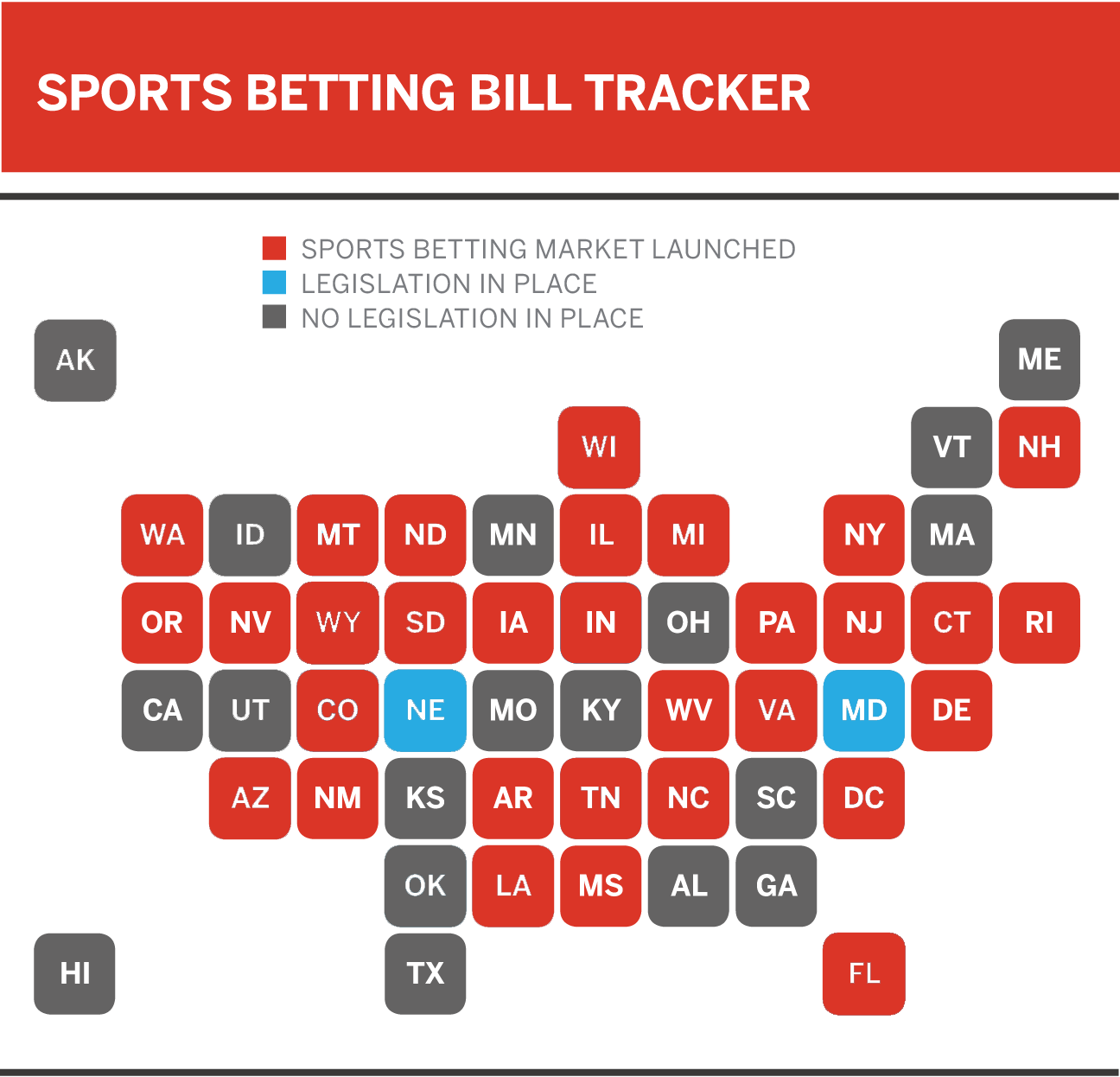
As of now, sports betting is not legally available in California in any form, neither online nor at brick-and-mortar establishments. This means that if you are visiting or residing in California, you cannot legally place a wager on professional or amateur sports outcomes. This reality often surprises visitors from states like Nevada or New Jersey, where sportsbooks are widely accessible. The absence of legal sports betting is not due to a lack of interest or effort but rather a protracted struggle between various powerful stakeholders within the state.
The Legal Framework: Why California Remains on the Sidelines
The journey towards potential sports betting legalization in the United States began in earnest in 2018 when the Supreme Court overturned the Professional and Amateur Sports Protection Act (PASPA). This landmark decision effectively cleared the way for individual states to legalize and regulate sports betting within their borders. Following this ruling, dozens of states moved quickly to establish their own legal frameworks, recognizing the significant tax revenues and economic benefits that sports betting could generate.
However, California’s path has been anything but swift or straightforward. The state already has a well-established, albeit complex, gambling ecosystem, which includes:
- Tribal Casinos: Operated by sovereign Tribal Nations, these casinos offer slot machines, table games, and poker. They are a significant economic force and a major draw for tourism, with properties like Pechanga Resort Casino, Morongo Casino Resort & Spa, and Yaamava’ Resort & Casino at San Manuel offering luxury accommodations and extensive entertainment options.
- Cardrooms: These establishments offer various card games, primarily poker and other banked card games, but traditionally do not feature slot machines or house-banked games.
- Horse Racing Tracks: Pari-mutuel wagering on horse races has a long history and remains legal in California.
- California State Lottery: Offers draw games and scratchers to residents.
The existing legal gambling entities each have vested interests and concerns about how the introduction of sports betting might impact their operations. This has led to fierce lobbying and political battles, primarily between Tribal Nations and commercial cardrooms, over who would be authorized to offer sports betting and under what conditions.
The Proposition 26 and 27 Saga: A Decisive Defeat
The most significant attempt to legalize sports betting in California occurred in November 2022, when two competing ballot initiatives were put before voters:
- Proposition 26: This initiative, backed primarily by Tribal Nations, proposed allowing in-person sports betting at tribal casinos and horse racing tracks. It also included provisions for tribal casinos to offer roulette and dice games. The emphasis was on a retail-only model, keeping control largely within the existing tribal gaming framework.
- Proposition 27: Supported by major online sports betting operators, this proposition sought to legalize online and mobile sports betting statewide. It aimed to allow licensed operators (many of them out-of-state entities) to partner with Tribal Nations to offer online wagering. A portion of the tax revenue was earmarked for homelessness and mental health programs.
Both propositions were heavily funded, leading to an unprecedented and often acrimonious advertising war across the state. However, despite the massive investment, both initiatives were overwhelmingly rejected by California voters. Proposition 26 failed with approximately 70% voting “No,” and Proposition 27 failed even more decisively, with about 82% voting “No.” The reasons for their failure are multi-faceted, including voter confusion due to conflicting messaging, strong opposition from various groups, and a perceived lack of clear benefits for the average Californian. This outcome effectively halted immediate prospects for sports betting legalization and underscored the deep divisions among stakeholders.
A Glimpse into the Future: What’s Next for California Sports Betting?
The resounding defeat of Proposition 26 and Proposition 27 means that sports betting in California is unlikely to become a reality in the immediate future. Any new attempt would likely require significant consensus-building among Tribal Nations, cardrooms, and other interested parties, a task that has proven exceedingly difficult. However, the economic allure of sports betting remains strong, and it’s almost certain that proponents will continue to push for legalization in the years to come.
The Stakes for Tourism and Hospitality
For California’s robust tourism and hospitality sectors, the legalization of sports betting holds considerable potential. California already boasts some of the world’s most iconic attractions, from the glitz and glamour of Hollywood Walk of Fame and Universal Studios Hollywood in Los Angeles to the architectural marvel of the Golden Gate Bridge and the historic charm of Alcatraz Island in San Francisco, and the family-friendly fun of Disneyland Resort in Anaheim. The addition of legal sports betting could enhance these experiences, providing another layer of entertainment and a draw for both domestic and international visitors.
Imagine a scenario where tourists staying at luxury hotels in Beverly Hills or beachfront resorts near Santa Monica Pier could easily place a bet on the Lakers game from their mobile device or visit a sleek sportsbook within a resort. This would not only increase direct revenue through betting itself but also boost visitation to hotels, restaurants, and other entertainment venues. Sports betting facilities could become integrated into larger resort complexes, similar to what’s seen in Las Vegas, offering state-of-the-art viewing experiences, premium dining, and VIP services that cater to high-end travelers and sports enthusiasts. The synergy between sports, entertainment, and luxury travel is undeniable, and California is uniquely positioned to capitalize on it if legalization occurs.
Potential Economic Impacts and Revenue Streams
The economic potential of legal sports betting in California is staggering. Given its population of nearly 40 million, economists estimate that a regulated market could generate hundreds of millions, if not billions, of dollars in annual tax revenue. This revenue could be directed towards critical public services, infrastructure projects, or specific social programs, as proposed by Proposition 27. Beyond direct tax revenue, legalization would also create jobs in the technology, hospitality, marketing, and regulatory sectors.
The existing tribal casinos, already significant employers and economic engines in their regions, stand to expand their operations and offerings, further solidifying their role as destination resorts. New partnerships between technology providers, sports leagues, and gaming operators would spur innovation and investment within the state. For instance, a sports betting lounge at a major venue like Crypto.com Arena or SoFi Stadium could become a key feature, enhancing the game-day experience and driving additional spending from fans. The economic ripple effect across the state, from increased tourism spending to new business development, would be substantial.
Navigating the Golden State: What to Expect Without Legal Sports Betting
For now, travelers and residents in California must understand that sports betting remains off-limits. However, this doesn’t diminish the myriad of other entertainment and leisure activities available. The state’s rich tapestry of experiences continues to attract millions, offering everything from adrenaline-pumping adventures to serene escapes.
Tribal Casinos and Existing Gaming Options
While sports betting isn’t legal, California’s Tribal Nations operate numerous world-class casino resorts across the state. These establishments offer a comprehensive gaming experience, including:
- Slot Machines: Thousands of the latest and most popular slot titles.
- Table Games: Blackjack, poker, baccarat, craps, and roulette (though the latter two were restricted until Proposition 26 sought to expand them, they are available in some forms or variations).
- Poker Rooms: Many casinos, such as Pechanga Resort Casino, Sycuan Casino Resort, and Graton Resort & Casino, boast expansive poker rooms that draw players from across the region.
- Resort Amenities: Beyond gaming, these resorts are destinations in themselves, offering luxurious hotels, fine dining restaurants, spas, entertainment venues, golf courses, and pools. They are perfect for a weekend getaway or an extended stay, providing a full range of lifestyle experiences.
Visitors looking for legal gambling entertainment can find ample options at these tribal resorts, which are often located in scenic areas accessible from major urban centers.
Major Sporting Venues and the Fan Experience
California is home to an unparalleled collection of professional sports teams across all major leagues, including the Lakers and Golden State Warriors in basketball, the Dodgers and Giants in baseball, and the 49ers and Rams in football. Attending a live game at iconic venues like Crypto.com Arena, SoFi Stadium, Petco Park, or Oracle Park is a quintessential California experience. While you can’t place a legal wager on the outcome, the atmosphere, the camaraderie, and the thrill of live sports are experiences in themselves. Many stadiums offer premium seating, exclusive lounges, and gourmet food options, enhancing the overall lifestyle and travel experience for sports enthusiasts.
Beyond Betting: Exploring California’s Riches
Even without legal sports betting, California remains one of the world’s premier travel destinations, offering an incredible diversity of landscapes, cultures, and activities that cater to every type of traveler. The website’s core topics – Travel, Hotels, Tourism, Accommodation, Landmarks, and Lifestyle – are inherently intertwined with the allure of The Golden State.
Iconic Destinations and Experiences
From natural wonders to urban marvels, California’s landmarks and destinations are legendary:
- Nature & Adventure: Explore the majestic granite cliffs and giant sequoias of Yosemite National Park, the stark beauty of Death Valley National Park, the serene shores of Lake Tahoe, or the ancient groves of Sequoia National Park. The dramatic coastline along Big Sur offers breathtaking drives along the Pacific Coast Highway.
- Culture & History: Immerse yourself in the art and architecture of the Getty Center in Los Angeles, step back in time at Hearst Castle on the Central Coast, or explore the notorious history of Alcatraz Island in San Francisco.
- Food & Wine: Indulge in world-class culinary experiences and renowned vineyards in Napa Valley and Sonoma County, or savor the diverse food scenes in Los Angeles and San Francisco.
- Family Fun: Disneyland Resort and Universal Studios Hollywood offer unforgettable experiences for all ages, while the Monterey Bay Aquarium provides an educational and enchanting look at marine life.
Luxury Accommodations and Resorts
California’s accommodation options range from opulent five-star resorts to charming boutique hotels and unique vacation rentals, catering to every lifestyle and budget. Whether you’re seeking a lavish escape in Palm Springs’s Coachella Valley, a sophisticated stay in downtown San Francisco, or a picturesque retreat in Napa Valley, the state delivers. Many resorts offer comprehensive amenities including award-winning spas, championship golf courses, private beaches, and gourmet dining, ensuring a memorable and luxurious travel experience. The competition among these establishments also means that booking platforms offer extensive reviews and comparison tools, helping travelers find the perfect fit for their long-term stay or short getaway.
In conclusion, while the question “Is Sports Betting Legal In California?” currently yields a definitive “No,” the future remains a topic of considerable debate and potential change. For now, visitors to California can immerse themselves in the state’s unparalleled travel destinations, world-class hotels and accommodations, vibrant tourism scene, iconic landmarks, and diverse lifestyle offerings, knowing that the thrill of legal sports betting may one day join the list of experiences available in The Golden State.
LifeOutOfTheBox is a participant in the Amazon Services LLC Associates Program, an affiliate advertising program designed to provide a means for sites to earn advertising fees by advertising and linking to Amazon.com. Amazon, the Amazon logo, AmazonSupply, and the AmazonSupply logo are trademarks of Amazon.com, Inc. or its affiliates. As an Amazon Associate we earn affiliate commissions from qualifying purchases.