
The Golden State, a land of sun-drenched beaches, towering redwoods, and glittering metropolises, also hosts a vibrant and evolving landscape of entertainment and leisure. When considering the appeal of a destination like California, many envision its world-class theme parks, iconic landmarks, and diverse culinary scene. However, for a growing segment of travelers and residents, another aspect of entertainment is increasingly coming into focus: sports gambling. This has led to a pressing question that echoes across the state: Is sports gambling legal in California? The answer, like much of California‘s complex regulatory environment, is not a simple yes or no.
For years, California has been a fascinating case study in the burgeoning debate around legalized sports betting. While neighboring states have moved forward with regulated markets, California has grappled with intricate legal challenges, tribal sovereignty, and public opinion. This article delves into the current status of sports gambling in California, exploring the legal hurdles, the ongoing discussions, and what potential future developments might mean for tourists and locals alike. Whether you’re a seasoned bettor or simply curious about the evolving entertainment options available in this dynamic state, understanding the legal framework is crucial.
The Evolving Landscape of Sports Betting in the United States
Before diving into the specifics of California, it’s important to contextualize the broader shift in the United States regarding sports gambling. Until a landmark Supreme Court decision in 2018, sports betting was largely illegal nationwide, with the exception of a few states like Nevada. The Supreme Court’s ruling in Murphy v. National Collegiate Athletic Association (NCAA) struck down the Professional and Amateur Sports Protection Act of 1992 (PASPA), which had effectively limited sports betting to Nevada. This decision opened the floodgates, allowing individual states to decide whether or not to legalize and regulate sports wagering within their borders.
Since 2018, a wave of states, from New Jersey and Pennsylvania to Colorado and Michigan, have launched their own legal sports betting markets. These markets have generated significant tax revenue for states, created new jobs, and provided consumers with safe, regulated avenues to place bets. This trend has undoubtedly put pressure on states like California, which boasts a massive population and a passionate sports-following demographic, to consider their own approach to sports gambling. The economic potential, coupled with the desire to redirect bettors away from the unregulated offshore market, are powerful motivators for legislative action.
California’s Unique Legal and Regulatory Environment
California‘s journey towards legalized sports gambling is distinct due to its unique legal framework, particularly concerning tribal gaming rights and the initiative process. Unlike many states that rely solely on legislative action, California allows citizens to propose and vote on ballot initiatives, which can then become law. This has been a significant factor in the ongoing saga of sports betting legalization.
Tribal Gaming and Sovereignty
A major player in California‘s sports betting debate are the state’s federally recognized Native American tribes. These tribes operate numerous casinos across the state, such as the popular Pechanga Resort Casino and the San Manuel Indian Bingo & Casino. Under federal law, tribes have a degree of sovereignty, which allows them to conduct gaming operations on their lands. They have been instrumental in advocating for and shaping sports betting legislation in California. Their involvement is multifaceted: they see sports betting as a natural extension of their existing casino operations and a way to enhance their revenue streams and provide further economic benefits to their communities.
However, the nature of tribal gaming and their sovereign status have also created complexities. Any legislation or ballot initiative concerning sports betting must carefully consider and respect tribal gaming compacts and rights. This has led to negotiations, compromises, and sometimes competing proposals between tribal interests, card rooms, and out-of-state operators. The ongoing discussions often revolve around which entities should be allowed to offer sports betting, where it can be offered (e.g., only on tribal lands, at card rooms, or through mobile apps), and how revenue should be shared.
Ballot Initiatives and Legislative Efforts
Over the past few years, several attempts have been made to bring sports gambling to California through ballot initiatives. These initiatives often represent different visions for the future of sports betting in the state.
One notable initiative aimed to allow sports betting at tribal casinos and horse racing tracks. Another, often championed by online sports betting companies, sought to expand sports betting to include online wagering through their platforms, often partnering with tribal entities. These competing initiatives highlight the different stakeholders and their respective interests.
The process of qualifying for the California ballot is rigorous, requiring hundreds of thousands of signatures from registered voters. Even after qualifying, these initiatives face intense campaigning from both proponents and opponents, often involving significant financial contributions. The voters then have the final say, a democratic process that can lead to unpredictable outcomes. The failure of several past initiatives underscores the difficulty of forging consensus in such a complex issue within the state.
The Current State of Sports Gambling in California
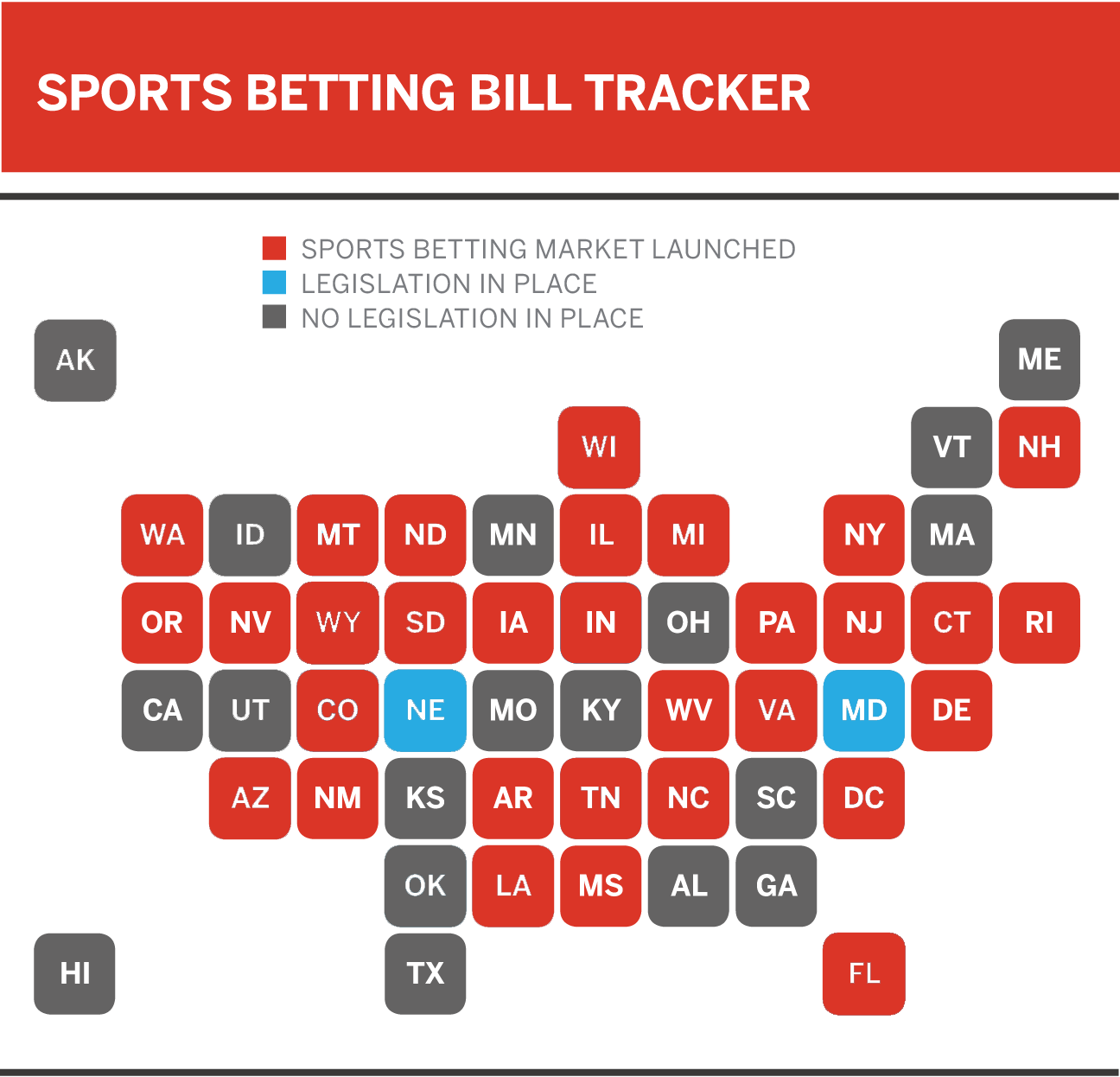
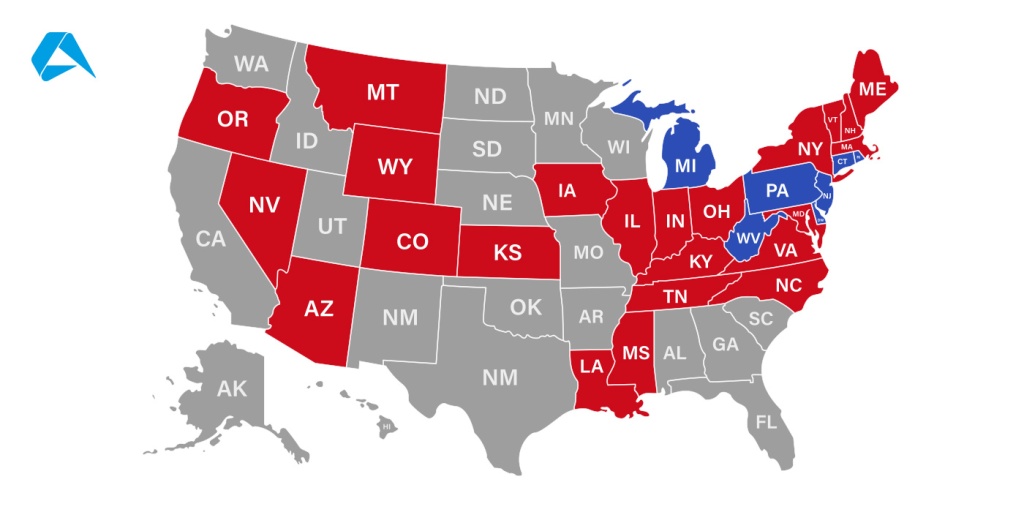
As of the most recent developments, the legal landscape for sports gambling in California remains largely prohibitive for widespread, regulated retail and online operations. While some forms of gambling are legal and regulated, such as card rooms and tribal casinos offering slot machines and table games, sports betting in the traditional sense is not.
No Licensed Sportsbooks Operative
Currently, there are no licensed and operational sportsbooks in California that offer legal sports betting to the general public in the way one might find in New Jersey or Pennsylvania. This means that residents and visitors cannot legally walk into a casino, a stadium, or use a mobile app within California to place bets on sporting events through a regulated provider.
This absence is a direct result of the aforementioned legal battles, competing ballot measures, and the complexities of navigating California‘s unique regulatory environment. While proposals have garnered significant attention and funding, they have ultimately failed to pass muster with voters or have been bogged down in legal challenges.
The Role of Card Rooms and Horse Racing
California does have a robust system of card rooms, such as the Commerce Casino, which are licensed to offer certain types of gambling. However, these have historically been limited to poker and other banked card games. Their ability to offer sports betting has been a point of contention and has been addressed in various proposed initiatives, but currently, they do not hold licenses for sportsbooks.
Similarly, horse racing is a legal and regulated activity in California, with tracks like Santa Anita Park hosting major events. While betting on horse races is legal, this is distinct from sports gambling on professional or collegiate sports. Discussions around sports betting have sometimes included proposals to allow betting at racetracks, but this has not yet materialized into a legal framework for general sports wagering.
Offshore and Unregulated Betting
The lack of legal, regulated sports betting in California means that many residents who wish to wager on sports often turn to offshore online sportsbooks or other unregulated methods. These platforms operate outside of California‘s jurisdiction and therefore offer no consumer protection. Bettors using these sites are not protected by California state laws, meaning there is no recourse if disputes arise, funds are not paid out, or personal information is compromised. The allure of convenience and availability drives many to these platforms, but it comes with significant risks.
What the Future Might Hold for Sports Gambling in California
Despite the current limitations, the conversation around sports gambling in California is far from over. The immense market potential and the success of sports betting in other states suggest that it is a matter of “when,” not “if,” California will eventually implement a legal framework.
Potential for New Ballot Measures
It is highly probable that proponents of sports betting will continue to pursue ballot measures in future election cycles. These efforts will likely involve new iterations of proposals, potentially learning from the successes and failures of previous attempts. The key will be to find language that can garner broad support from voters, address the concerns of various stakeholders, including tribes, card rooms, and the general public, and navigate the complex legal requirements.
Legislative Action as an Alternative Path
While ballot initiatives have been the primary avenue thus far, legislative action remains a possibility. If a broad consensus can be built among lawmakers, a bill could be introduced and passed through the California State Legislature. This path might offer a more controlled and potentially faster route to legalization, provided that all major stakeholders can reach an agreement. The Governor’s office also plays a crucial role in signing any such legislation into law.
Impact on Travel and Tourism
If sports gambling is eventually legalized and regulated in California, it could have a notable impact on the state’s travel and tourism industry. Imagine incorporating a visit to a California casino or a major sporting event with the option of legally placing a bet. This could attract a new demographic of travelers and enhance the entertainment offerings for existing visitors. Hotels near major sporting venues or integrated into casino resorts might see an increase in demand. Furthermore, the tax revenue generated from sports betting could potentially be reinvested into tourism infrastructure, public services, or other areas that benefit the state’s diverse attractions.
For example, a sports enthusiast visiting Los Angeles might be able to catch a Dodgers game at Dodger Stadium and then place a bet on the game at a nearby legal sportsbook. Similarly, someone visiting the San Francisco Bay Area could attend a 49ers game at Levi’s Stadium and enjoy legal sports wagering. The integration of regulated sports betting could become another facet of the California experience, adding to its already rich tapestry of attractions, from the theme parks of Anaheim to the wineries of Napa Valley.
In conclusion, while the question of “Is sports gambling legal in California?” currently elicits a negative response for widespread, regulated operations, the landscape is dynamic and continuously evolving. The state’s unique legal and political environment, coupled with the significant economic opportunities, ensures that this conversation will continue. For those planning a trip to California, it’s advisable to stay informed about any legislative or electoral developments, as the future of sports wagering in the Golden State is a story still being written.
LifeOutOfTheBox is a participant in the Amazon Services LLC Associates Program, an affiliate advertising program designed to provide a means for sites to earn advertising fees by advertising and linking to Amazon.com. Amazon, the Amazon logo, AmazonSupply, and the AmazonSupply logo are trademarks of Amazon.com, Inc. or its affiliates. As an Amazon Associate we earn affiliate commissions from qualifying purchases.