
For anyone planning a trip, considering a long-term stay, or even just living in the bustling metropolis of New York City, a fundamental question often arises: Is the tap water safe to drink? In a city renowned for its iconic landmarks, world-class attractions, diverse neighborhoods, and vibrant lifestyle, the quality of something as essential as drinking water can significantly impact one’s travel experience and daily life. The good news is that New York City boasts some of the cleanest and safest municipal tap water in the entire United States, a fact often celebrated by locals and a pleasant surprise for visitors.
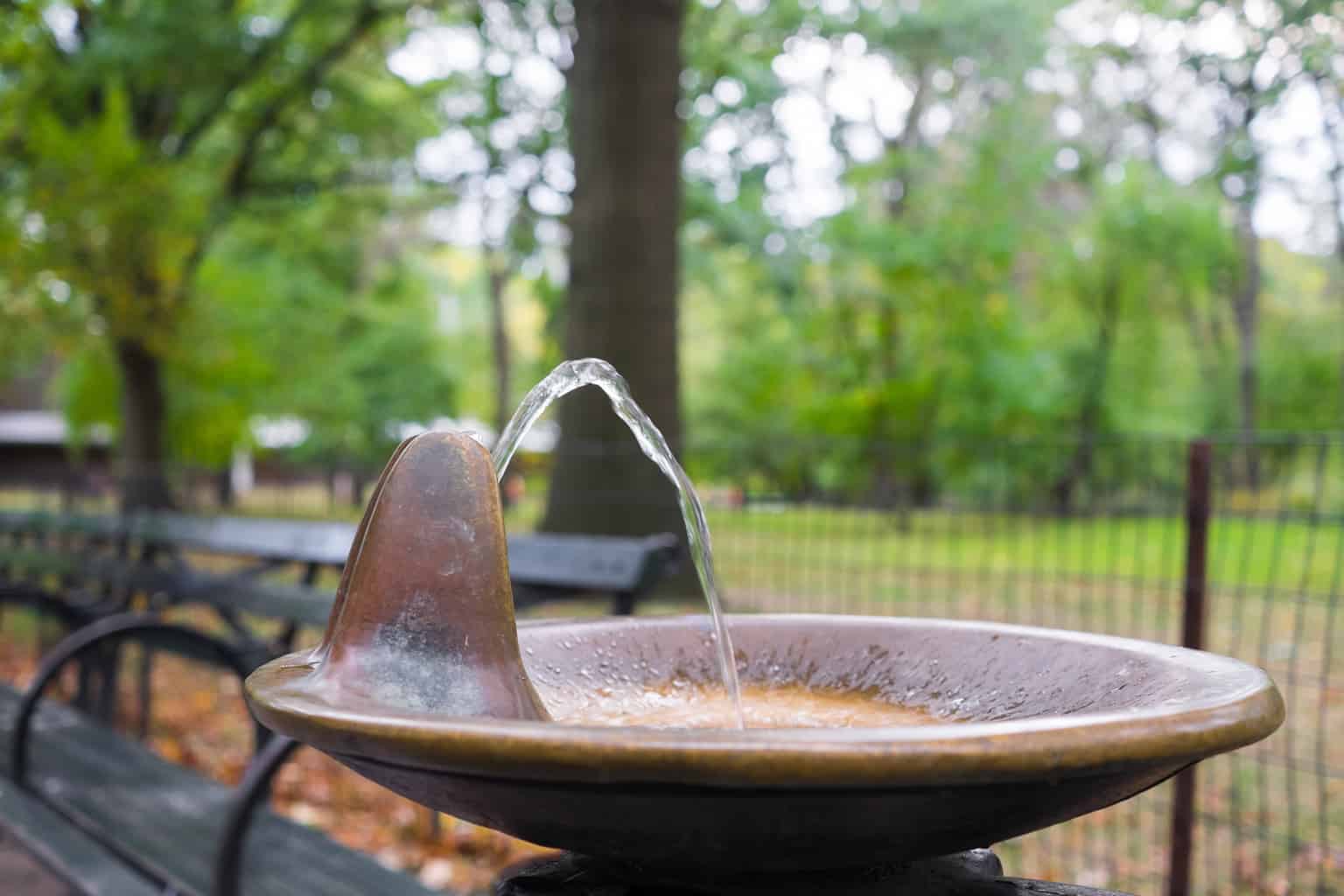
This article delves into the remarkable journey of NYC tap water, from its pristine origins in Upstate New York to the rigorous testing and treatment processes that ensure its quality. Whether you’re a first-time tourist navigating the best of Manhattan, a family exploring the cultural delights of Brooklyn, or a business traveler seeking comfortable accommodation, understanding the safety and source of your drinking water provides peace of mind and contributes to a more sustainable and enjoyable stay. We’ll explore the natural advantages of the city’s water supply, the comprehensive systems in place to maintain its purity, and address common concerns that arise, such as the presence of lead in older plumbing, ensuring you have all the information needed to confidently fill your glass.
The Pristine Origins: Tracing New York City’s Water Supply
The secret to New York City’s excellent tap water lies hundreds of miles away from the urban sprawl, in vast, protected natural areas. Unlike many other major global cities that rely on nearby rivers or highly industrialized sources requiring extensive filtration, NYC is blessed with a remarkably pure water supply that requires minimal treatment. This natural advantage is a testament to foresight and extensive environmental protection efforts spanning over a century.
A Natural Reservoir: The Catskill and Delaware Watersheds
The bulk of New York City’s drinking water, approximately 90%, originates from the Catskill and Delaware Watersheds, sprawling across the picturesque Catskill Mountains and adjacent areas of Upstate New York. These watersheds encompass a staggering 1,900 square miles of pristine forests, wetlands, and rolling hills, collecting rainwater and melted snow into a complex system of reservoirs. Situated over 125 miles northwest of the city, these areas are carefully managed and protected, minimizing human impact and pollution.
The natural topography of the Catskill and Delaware Watersheds plays a crucial role in maintaining water quality. As water flows through these forested lands, it undergoes natural filtration through soil and rock layers before collecting in reservoirs. This natural process helps remove impurities and sediment. Furthermore, the elevation of these watersheds allows water to travel to the city almost entirely by gravity, a remarkable engineering feat that saves immense amounts of energy and further preserves water quality by avoiding extensive pumping mechanisms. This gravity-fed system delivers fresh, clean water directly to homes and hotels across the five boroughs – Manhattan, Brooklyn, Queens, the Bronx, and Staten Island.
The Croton Watershed: A Historic Complement
While the Catskill and Delaware systems provide the lion’s share, the Croton Watershed, located in the Hudson River Valley north of the city, serves as an important supplementary source. This historic system, which began supplying water to New York City in the mid-19th century, accounts for the remaining 10% of the city’s water supply.
The Croton Watershed, being closer to the city, operates slightly differently. Due to its proximity and certain land-use characteristics, water from the Croton system undergoes a more traditional filtration process at the Croton Water Filtration Plant. This ensures that all water entering the city’s distribution system, regardless of its source, meets the highest quality standards. The Croton system is particularly valuable during times of drought or when maintenance is required on the larger Catskill and Delaware systems, ensuring a reliable and continuous supply for millions.
A Model of Modern Water Treatment and Vigilance
Even with such pristine sources, New York City’s water doesn’t just flow directly from the mountains to your tap. It undergoes a meticulous treatment process and continuous monitoring, making it one of the most thoroughly tested water supplies in the world. This commitment to quality is paramount for maintaining public health and ensuring the confidence of residents and the millions of tourists who visit annually.
Minimal Intervention, Maximum Impact
What truly sets New York City’s water system apart from many other major cities in the United States and globally (like those in Europe or Canada) is its unique ability to meet federal water quality standards without the need for comprehensive filtration for the vast majority of its supply (the Catskill and Delaware water). This exemption, granted by the Environmental Protection Agency (EPA), is a direct result of the unparalleled quality of its source waters and the rigorous watershed protection program.
Instead of traditional filtration, the water from these primary watersheds undergoes a streamlined, yet highly effective, treatment process:
- UV Disinfection: Before reaching the city, the water passes through a state-of-the-art Ultraviolet (UV) light disinfection facility. This process effectively neutralizes harmful microorganisms, such as Cryptosporidium and Giardia, without adding chemicals.
- Chlorination: A small amount of chlorine is added to the water to kill any remaining bacteria and viruses and maintain a residual disinfectant throughout the extensive distribution system, ensuring it remains safe until it reaches your faucet.
- Fluoridation: To promote dental health, fluoride is added to the water, a common practice in many parts of the United States.
- Corrosion Control: Food-grade phosphoric acid is added to the water to create a protective layer in water pipes, which helps prevent lead and copper from leaching into the drinking water from older plumbing.
These treatments are carefully balanced to maintain purity while preserving the water’s natural taste and mineral composition, factors that many New Yorkers believe contribute to the unique quality of local staples like bagels and pizza.
Relentless Testing and Regulatory Oversight
The safety of New York City’s tap water is not left to chance; it’s a product of continuous vigilance and stringent regulatory oversight. Multiple agencies are involved in safeguarding this precious resource:
- The New York City Department of Environmental Protection (DEP) is the primary entity responsible for monitoring and managing the water supply. The DEP conducts thousands of tests annually, collecting approximately 600,000 samples from the reservoirs, feeder streams, and throughout the distribution network, checking for hundreds of potential contaminants including bacteria, viruses, chemicals, pesticides, and heavy metals.
- The New York State Department of Health oversees the DEP’s operations and ensures compliance with state and federal regulations.
- The U.S. Environmental Protection Agency (EPA) sets national standards under the Safe Drinking Water Act, which all public water systems, including NYC’s, must meet or exceed.
These agencies ensure that NYC water consistently meets or surpasses the strict quality guidelines set forth by national and international health organizations, including the World Health Organization and the Centers for Disease Control and Prevention. The DEP publishes an annual water quality report, which is publicly available, detailing the test results and providing transparency about the city’s water supply. This level of scrutiny means that when you’re staying in a hotel, dining in a restaurant, or visiting a landmark in New York City, the water you encounter has been thoroughly vetted for safety.
Addressing Common Concerns: Beyond the Source
While New York City’s water consistently rates among the best for safety and quality at the source, legitimate concerns can arise within older buildings and specific localized contexts. Understanding these nuances is key to ensuring complete peace of mind, whether you’re a long-term resident or just visiting for a few days.
The Lead Pipe Legacy: A Real but Manageable Risk
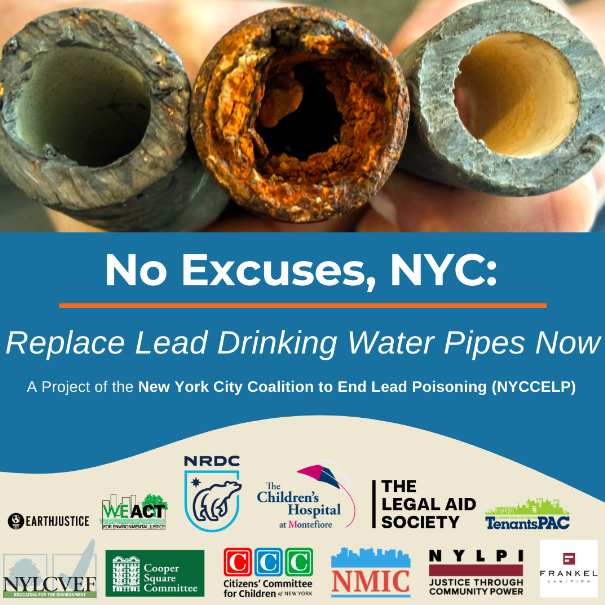
One of the most frequently raised concerns regarding tap water safety, not just in New York City but in many older urban areas, is the presence of lead in service lines and internal plumbing. Buildings constructed before the mid-1980s may still have lead service lines connecting them to the municipal main, or lead solder and fixtures within their internal plumbing. Lead can leach into drinking water, particularly if water sits stagnant in pipes for extended periods (e.g., overnight or during extended absences). This is a serious health concern, especially for children and pregnant women.
It’s crucial to understand that the city’s water leaving the main is lead-free. The issue arises within the private property’s plumbing. To mitigate this risk, the NYC Department of Environmental Protection adds corrosion inhibitors to the water, which form a protective coating inside pipes, reducing the likelihood of lead leaching. However, residents and visitors in older buildings can take additional precautions:
- Flush Your Taps: Before using water for drinking or cooking, especially first thing in the morning or after returning home, let the cold water run for 30 seconds to several minutes (depending on the building and plumbing) to flush out any water that may have been sitting in the pipes.
- Use Cold Water for Consumption: Always use cold tap water for drinking, cooking, and preparing baby formula. Hot water is more likely to leach lead from pipes and fixtures.
- Consider a Filter: For added assurance, especially in older buildings or if you have specific health concerns, a water filter certified to remove lead (e.g., NSF/ANSI Standard 53 certified) can be a wise investment. These can range from simple pitcher filters to faucet-mounted or under-sink systems.
- Test Your Water: If you live in an older building and are concerned, you can request a free lead testing kit from the DEP. Many hotels and modern accommodations will have updated plumbing, but if staying in a historic brownstone or apartment, it’s a valid consideration.
New York City is actively working to address this legacy issue, with ongoing programs to identify and replace lead service lines, aligning with efforts seen in many other major United States cities.
Filtration: An Added Layer of Assurance?
Beyond lead concerns, many people choose to filter their tap water for various reasons, even in cities with excellent water quality. For New York City tap water, filtration is often more about personal preference for taste and odor rather than a strict necessity for basic safety.
- Taste and Odor Improvement: While the city’s water is clean, some individuals are sensitive to the taste of chlorine, which is a necessary disinfectant. A simple activated carbon filter (like those found in pitcher filters or faucet attachments) can effectively remove chlorine, improving the taste and smell of the water.
- Specific Contaminant Removal: While NYC water is tested for hundreds of contaminants, some individuals may wish to further reduce exposure to trace elements or other substances not fully removed by municipal treatment. Advanced filters can target specific contaminants, but for the average person, this is rarely required for the city’s municipal supply.
- Peace of Mind: For some, having a filter simply provides an extra layer of comfort and control over their drinking water.
For travelers staying in a hotel or apartment, it’s worth noting that many accommodations, especially luxury hotels or extended-stay apartments, may already provide filtered water options or filtered water at amenities. If you’re sensitive to taste, carrying a reusable water bottle with an integrated filter can be a convenient solution for exploring the city’s attractions.
The “Taste” Factor: What Makes NYC Water Unique
Beyond its safety, New York City tap water is often lauded by connoisseurs for its distinct, clean taste. Many believe this unique mineral composition contributes to the legendary quality of NYC bagels and pizza dough, making the local culinary experience truly unique. The precise balance of minerals, combined with minimal chemical intervention, results in a flavor profile that stands apart from bottled waters or tap water in many other regions. This distinct taste is a point of local pride and a subtle element of the city’s overall lifestyle.
For Travelers and Residents: Practical Tips and Peace of Mind
For visitors and residents alike, the overall consensus is clear: New York City tap water is not only safe but often superior in quality to bottled alternatives. This has significant implications for travel, tourism, accommodation choices, and daily lifestyle within the city.
- Stay Hydrated Affordably and Sustainably: Ditch the single-use plastic bottles. Carrying a reusable water bottle and refilling it at public water fountains or in your hotel room is an excellent way to stay hydrated, save money, and reduce environmental impact during your exploration of New York City’s famous landmarks and vibrant neighborhoods. Many cafes and restaurants are also happy to refill water bottles.
- Check with Your Accommodation: If you’re staying in a particularly old hotel or an Airbnb in a historic building (e.g., an older Manhattan brownstone, or a charming Brooklyn pre-war apartment), and you have concerns about lead pipes, don’t hesitate to ask the host or hotel management about their plumbing and water filtration systems. Newer hotels, especially in areas like Long Island City or those built recently, are highly unlikely to have lead service lines.
- Embrace Local Flavors: Feel confident enjoying the diverse culinary scene, from street food to fine dining. The water used in beverages, cooking, and even the ice in your drinks is generally of exceptional quality, contributing to the authentic flavors of NYC.
- Consider a Portable Filter: For ultimate peace of mind, especially if traveling to different accommodations or for an extended stay, a small, portable water filter can be a valuable addition to your packing list.
Conclusion
The question, “Is tap water in New York City safe to drink?” can be confidently answered with a resounding yes. Far from being just “safe,” NYC tap water is consistently recognized for its exceptional quality, derived from protected watersheds and maintained by a robust system of treatment and rigorous testing. This makes it a sustainable, healthy, and convenient choice for both the millions of residents and the countless tourists exploring the city’s destinations and attractions.
While concerns about aging infrastructure, particularly lead pipes in older buildings, warrant attention and proactive measures, the municipal water supply itself is a testament to sophisticated engineering and environmental stewardship. So, whether you’re embarking on a luxurious travel experience, budgeting for a family trip, or simply enjoying the local culture and food, you can confidently fill your glass directly from the tap and enjoy one of the purest drinking waters available in any major city around the globe. It’s a small but significant detail that enhances the overall New York City lifestyle and travel experience, allowing you to focus on discovering all that this incredible city has to offer.
LifeOutOfTheBox is a participant in the Amazon Services LLC Associates Program, an affiliate advertising program designed to provide a means for sites to earn advertising fees by advertising and linking to Amazon.com. Amazon, the Amazon logo, AmazonSupply, and the AmazonSupply logo are trademarks of Amazon.com, Inc. or its affiliates. As an Amazon Associate we earn affiliate commissions from qualifying purchases.