
For anyone planning to visit or reside in the bustling metropolis of New York City, a fundamental question often arises amidst the excitement of discovering iconic landmarks and diverse local culture: “Is the tap water safe to drink?” As a premier resource for travel, tourism, and accommodation, we understand the importance of this inquiry for a seamless and healthy experience. The short and reassuring answer is a resounding yes. New York City boasts some of the highest quality tap water in the world, consistently meeting and often exceeding national safety standards. This remarkable achievement is a testament to an expansive, well-protected watershed system and rigorous testing protocols that ensure the purity of every drop flowing from the city’s faucets.
Whether you’re exploring Manhattan’s vibrant streets, enjoying the artistic flair of Brooklyn, delving into the diverse neighborhoods of Queens, discovering the green spaces of the Bronx, or experiencing the unique charm of Staten Island, you can confidently refill your water bottle directly from the tap. This not only offers peace of mind for your health but also presents significant environmental and economic benefits, aligning perfectly with sustainable lifestyle choices that many modern travelers and residents embrace. Forget the endless parade of plastic bottles and embrace the refreshing, readily available resource that is New York’s tap water.
The Unrivaled Quality of New York City’s Tap Water
The stellar reputation of NYC‘s tap water isn’t merely anecdotal; it’s backed by decades of strategic infrastructure development, proactive environmental protection, and relentless scientific oversight. The city’s water system is a marvel of engineering and conservation, delivering pristine water to millions of residents and visitors daily. This commitment to excellence makes hydration an effortless and worry-free aspect of any trip or stay in the five boroughs.
A Pristine Source: The Catskill/Delaware Watershed System
The secret to New York City’s exceptional tap water lies primarily in its protected upstate watershed. Over 90% of the city’s drinking water comes from the vast, mountainous Catskill/Delaware Watershed, an expansive region spanning over 2,000 square miles across several counties northwest of the city. This area is characterized by forests, wetlands, and open spaces, which act as natural filters, minimizing contaminants before the water even enters the reservoirs.
The system relies on a series of reservoirs, including the magnificent Ashokan Reservoir and the Rondout Reservoir in the Catskill region, and the Pepacton Reservoir and Neversink Reservoir within the Delaware Watershed. These are connected by an intricate network of aqueducts, such as the Catskill Aqueduct and the Delaware Aqueduct, which transport the water through tunnels and pipes, largely by gravity, over distances exceeding 100 miles. A smaller portion of the city’s water comes from the Croton System, another protected watershed closer to the city. The proactive approach of protecting the land around these sources means that New York City is one of only a handful of major cities in the United States that does not require filtration for a significant portion of its water supply, a testament to the natural purity maintained by careful watershed management.
Rigorous Testing and Treatment Protocols
While naturally pristine, the water still undergoes stringent treatment and testing to ensure it remains safe and palatable. The New York City Department of Environmental Protection (NYCDEP) is responsible for monitoring and maintaining this colossal system. They conduct over half a million water quality tests annually, collecting samples from the reservoirs, aqueducts, and distribution pipes throughout the city.
These tests scrutinize the water for a vast array of parameters, including microbial contaminants, disinfectants (like chlorine), disinfection byproducts, inorganic chemicals, organic chemicals (including pesticides and pharmaceuticals), and radionuclides. The frequency and thoroughness of this testing regimen far exceed federal and state requirements, including those set by the United States Environmental Protection Agency (EPA).
Once the water reaches treatment facilities, it undergoes disinfection to eliminate any remaining pathogens. For the Catskill and Delaware systems, this primarily involves the addition of chlorine, followed by UV treatment for the Croton system. Fluoride is also added to promote dental health, and a corrosion inhibitor is introduced to prevent lead and copper from leaching into the water from older plumbing. This multi-barrier approach guarantees that the water delivered to your faucet is not just clean, but also consistently safe.
Addressing Common Concerns for Travelers and Residents
Despite its overall excellent quality, some specific concerns occasionally arise regarding New York City’s tap water. Understanding these nuances can help travelers and residents make informed decisions and ensure optimal hydration during their stay.
The Lead Quandary: Old Pipes and Plumbing
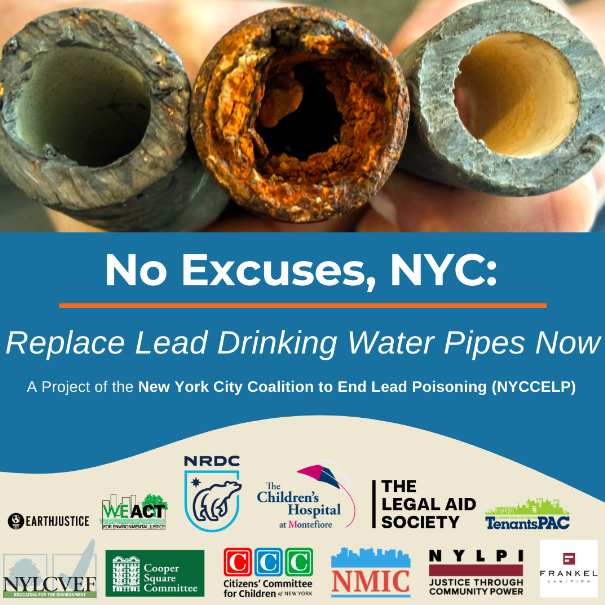
One of the most frequently discussed issues concerning tap water in older cities like New York is the potential for lead contamination. It’s crucial to understand that the city’s water source is virtually lead-free. The problem arises not from the municipal supply itself, but from older plumbing within buildings – specifically, lead service lines that connect buildings to the water main, or lead solder and fixtures within the internal plumbing.
While the NYCDEP adds a food-grade phosphoric acid to the water as a corrosion inhibitor, creating a protective coating inside pipes to prevent lead from leaching, older buildings still pose a residual risk. For travelers staying in older hotels, apartments, or hostels, a simple precaution is to flush your cold water tap for 30 seconds to 2 minutes first thing in the morning or after any period of prolonged disuse. This clears out water that may have been sitting in the pipes and absorbed lead. Additionally, always use cold water for drinking, cooking, and preparing infant formula, as hot water can dissolve lead more readily. Property owners are also encouraged to check their plumbing and participate in lead service line replacement programs.
Taste and Aesthetic Preferences: Chlorine and Turbidity
While the vast majority praise New York’s tap water, some individuals, particularly those sensitive to specific tastes, might notice a slight chlorine odor or taste. Chlorine is a necessary disinfectant used to kill harmful bacteria and viruses, ensuring the water remains safe as it travels through the distribution system to your tap. The levels used are well within safety guidelines and pose no health risk.
If the taste or smell of chlorine is bothersome, there are simple solutions. Filling a pitcher of tap water and letting it sit in the refrigerator for a few hours can significantly reduce the chlorine taste, as chlorine dissipates when exposed to air. Alternatively, using a basic carbon filter pitcher or faucet attachment can effectively remove chlorine and other aesthetic impurities without compromising the water’s underlying quality.
Occasionally, after heavy rains or due to maintenance work, there might be temporary changes in the water’s turbidity (cloudiness). While this might alter its appearance, it is generally not a health concern and typically clears up quickly. The NYCDEP maintains strict protocols to address and resolve such temporary issues swiftly.
The Environmental and Economic Benefits of Choosing Tap
Beyond safety and taste, opting for New York City tap water brings significant advantages from an environmental and economic perspective. Choosing tap water is a powerful step towards reducing plastic waste. The constant consumption of single-use plastic water bottles contributes immensely to landfills and ocean pollution, an issue that conscientious travelers and environmentally aware individuals are keen to address. By carrying a reusable water bottle and refilling it with readily available tap water, you actively participate in sustainable tourism and minimize your ecological footprint.
From an economic standpoint, drinking tap water is an obvious choice for budget travel. A bottle of water can cost anywhere from $2 to $5 in New York City’s shops and tourist areas. Over the course of a day or a longer trip, these costs can quickly add up, easily diverting funds that could be better spent on memorable attractions, delicious food, or unique experiences. Embracing tap water is a smart financial decision that allows you to stretch your travel budget further, enhancing your overall lifestyle of exploration without unnecessary expenses.
Practical Tips for Hydration in the Big Apple
Staying hydrated is crucial for enjoying your time in New York City, especially when you’re constantly on the go, navigating crowded streets, and exploring vast landmarks. Fortunately, access to clean, safe drinking water is abundant.
How to Enjoy NYC Tap Water Safely and Conveniently
The easiest way to enjoy New York City tap water is to simply carry a reusable water bottle. This is perhaps the most fundamental tip for any eco-conscious traveler or local. Many establishments, including cafes, restaurants, and public spaces, are often happy to refill your bottle, though it’s always polite to ask.
When dining out, there’s no need to order bottled water. Simply ask your server for “tap water,” and you’ll typically be provided with a glass of crisp, refreshing NYC water, usually served with ice. This is a common practice and saves you money while being environmentally friendly.
For those staying in older accommodation (e.g., pre-1980s construction), consider the lead precaution mentioned earlier: run the cold water for a minute or two before drinking, especially in the morning. If you’re particularly sensitive to chlorine or prefer an extra layer of filtration, a portable water filter bottle or a small filter pitcher (for longer stays in apartments or hostels) can be a good investment, though it’s generally not a necessity given the high quality of the municipal supply.
Comparing Tap Water to Bottled Water and Filters
While bottled water might seem convenient, studies and blind taste tests have often shown that New York City tap water either matches or surpasses the taste of many bottled brands. This makes the argument for choosing tap even stronger when considering the cost difference. Bottled water is a luxury in NYC, while tap water is a freely available, high-quality public service.
Regarding filters, most commercial water filters (like activated carbon filters) are designed to improve taste and odor by removing chlorine and some particulates. While they can offer an enhanced drinking experience, they don’t necessarily make already safe NYC tap water “safer” from a health perspective. The primary benefit for NYC residents and visitors using filters is often aesthetic rather than addressing fundamental safety concerns. For certain situations where lead might be a concern due to old plumbing, certified lead-removing filters can provide an additional layer of protection.
Beyond the Faucet: Hydration on the Go in New York City
New York City is designed for walking and exploration, which means you’ll be on your feet a lot. Knowing where to refill your bottle away from your hotel or apartment is key to staying comfortably hydrated.
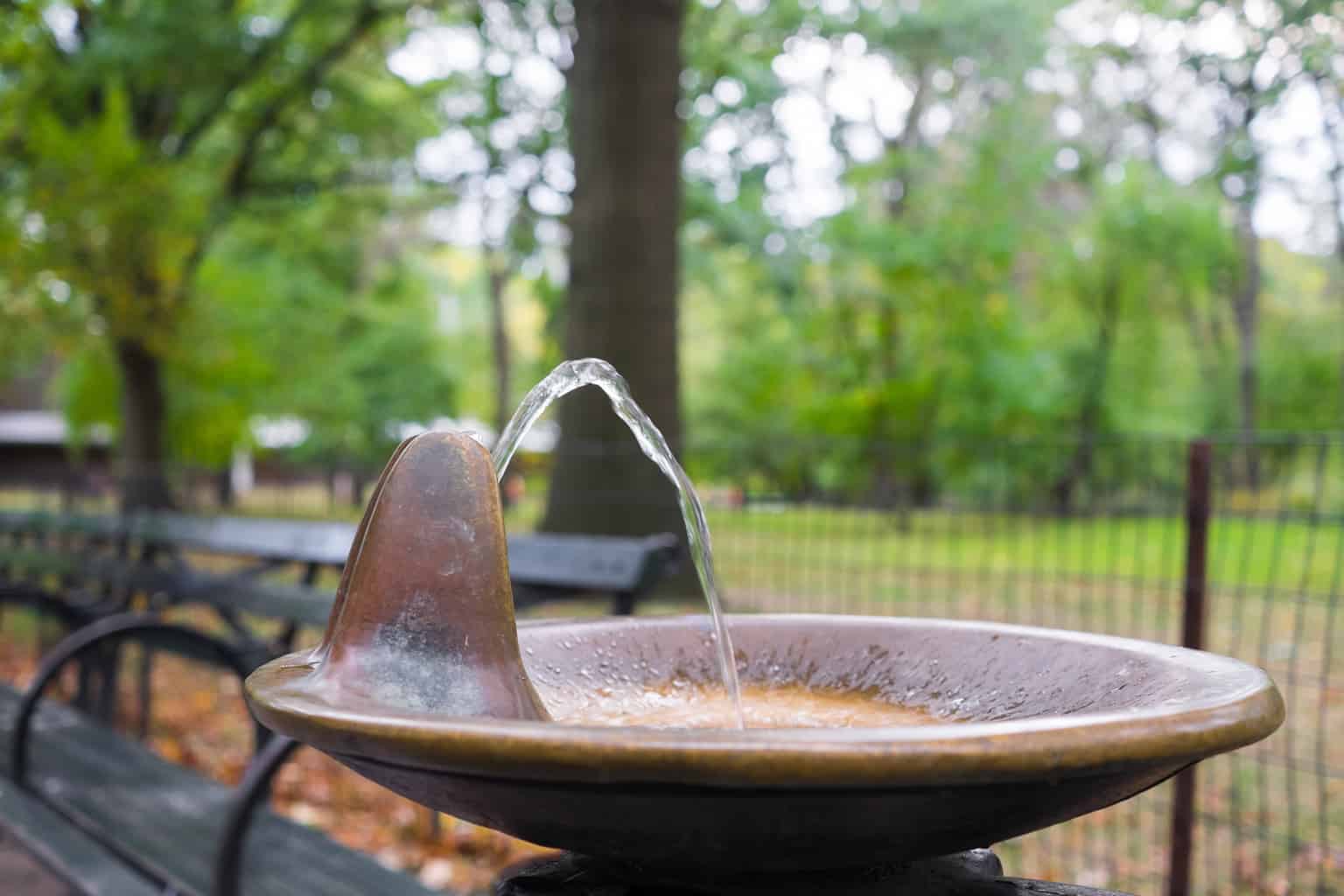
Public water fountains are surprisingly prevalent, especially in major parks and recreational areas. Central Park, for instance, has numerous well-maintained fountains that are perfect for refilling. Many public restrooms in museums, libraries, and other public buildings also offer potable water sources. It’s always a good idea to scout for these spots when planning your day’s activities or when visiting popular attractions.
In recent years, there has been a growing trend of businesses, particularly cafes and restaurants, offering water bottle refill stations or being overtly welcoming to requests for tap water refills. Apps like “Tap” can help you locate nearby refill spots. This community effort further enhances the convenience of choosing tap water and supports the city’s broader sustainability goals. When exploring specific destinations like the Statue of Liberty, the Empire State Building, Times Square, or Rockefeller Center, or world-class museums like the Metropolitan Museum of Art or the Museum of Modern Art, planning your hydration strategy by identifying nearby refill opportunities will make your visit more comfortable.
In conclusion, when planning your next travel adventure to New York City, rest assured that the tap water is not only safe but also consistently ranks among the best globally. Its pristine source, rigorous testing, and advanced treatment make it an ideal choice for hydration. By choosing tap, you embrace a healthier, more sustainable, and economically savvy approach to enjoying your New York experience. So, pack your reusable bottle, confidently turn on the faucet, and savor the refreshing taste of the Big Apple’s finest natural resource as you delve into its vibrant architecture, rich history, and dynamic nature.
LifeOutOfTheBox is a participant in the Amazon Services LLC Associates Program, an affiliate advertising program designed to provide a means for sites to earn advertising fees by advertising and linking to Amazon.com. Amazon, the Amazon logo, AmazonSupply, and the AmazonSupply logo are trademarks of Amazon.com, Inc. or its affiliates. As an Amazon Associate we earn affiliate commissions from qualifying purchases.