
Embarking on a journey, whether for leisure or business, often involves capturing memories, documenting experiences, or simply navigating new environments. From the bustling streets of Houston to the historic charm of San Antonio, Texas offers a kaleidoscope of attractions and opportunities for travelers and residents alike. However, in an age where smartphones and recording devices are ubiquitous, understanding the nuances of privacy and consent laws is paramount, especially when visiting a new state or conducting professional activities. The question “Is Texas a one-party consent state?” is not merely a legal technicality; it’s a crucial consideration for anyone planning a trip, attending a conference, or simply living their daily life within the Lone Star State. The answer significantly impacts how you interact with others, what you can legally record, and how you should approach documentation in various settings, from a luxury resort to a local diner.
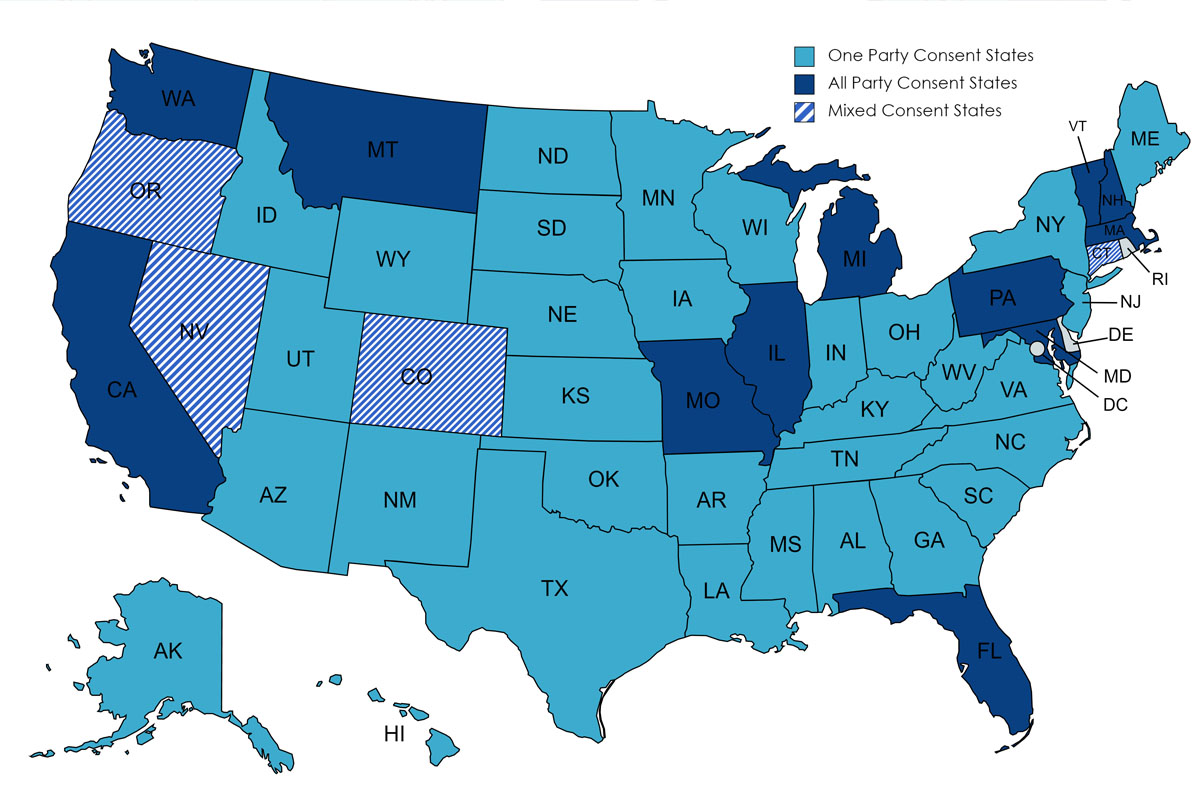
In simple terms, a one-party consent state allows an individual to record a conversation as long as at least one party involved in the conversation has consented to the recording—and that “one party” can be the person doing the recording. Conversely, a “two-party” or “all-party” consent state requires every participant in a conversation to be aware of and consent to the recording. This distinction carries substantial legal weight, influencing everything from private disputes to business negotiations. For those accustomed to the more lenient one-party consent laws found in many parts of the United States, understanding Texas’s specific stance is vital to avoid unintended legal repercussions and ensure a smooth, worry-free experience, whether you’re exploring the wonders of Big Bend National Park or finalizing a deal in Dallas.
Understanding Consent Laws: Federal vs. State Perspectives
The landscape of wiretapping and recording laws in the United States can be confusing, primarily due to the interplay between federal and state statutes. While federal law generally follows the one-party consent rule, many states have enacted their own, often more stringent, regulations. This dual system necessitates a careful examination of both federal and state laws to fully grasp the legal requirements in any given jurisdiction.
Federal Wiretapping Law: A One-Party Standard
At the federal level, the Electronic Communications Privacy Act (ECPA) generally permits the recording of an electronic or oral communication if one of the parties to the communication has given prior consent to such interception. This means that if you are a participant in a conversation, federal law typically allows you to record it without needing to inform or obtain consent from the other parties. This federal standard applies across the United States unless a state has passed its own law that imposes stricter requirements. The rationale behind the federal rule is often rooted in the idea that a person engaging in a conversation implicitly assumes the risk that the other party might recount or remember the conversation, and recording it is simply a more accurate form of remembering. However, this interpretation is not universally applied at the state level.
Texas’s Position: A Two-Party Consent State for Private Conversations
Contrary to the federal standard, Texas is fundamentally a two-party consent state when it comes to recording private conversations. This means that under Texas law, specifically the Texas Penal Code § 16.02, it is illegal to intercept or record an oral communication if you are not a party to the conversation unless you have the consent of at least one party to the communication. This seems to align with federal law at first glance, but the crucial distinction lies in the concept of a “private conversation” and the “expectation of privacy.”
For a conversation to be considered “private,” the individuals involved must have a reasonable expectation that their discussion is not being overheard or recorded by others. If such an expectation exists, Texas law mandates that all parties to the conversation must consent to its recording. This is a critical departure from the simple “one-party is the recorder” rule. If you are recording a conversation where the other party has a reasonable expectation of privacy, you must obtain their explicit consent, even if you are participating in the conversation yourself. Failure to do so can lead to severe civil and criminal penalties.
The Expectation of Privacy: A Key Delineator
The concept of a “reasonable expectation of privacy” is central to understanding Texas’s consent laws. This expectation is generally assessed based on the circumstances surrounding the conversation. For instance:
- Public Places: In public areas, such as a crowded street, a park, or the lobby of a hotel like the Grand Hyatt, there is generally no reasonable expectation of privacy. Conversations here can often be legally recorded, especially if they can be easily overheard by others. This extends to visual recordings as well; filming in public spaces is typically permissible.
- Private Settings: Conversely, in private settings like a hotel room, a closed-door office meeting, a personal phone call, or even a quiet corner of a restaurant, there is a strong expectation of privacy. In these scenarios, Texas law demands explicit consent from all parties before any recording can take place.
It’s important to remember that the interpretation of “public” versus “private” can sometimes be ambiguous. When in doubt, it is always safer to err on the side of caution and obtain consent.
Implications for Travelers, Tourists, and Texas Visitors
For individuals exploring the vibrant culture, diverse landscapes, and robust economy of Texas, these recording laws carry significant implications. Whether you’re a tourist capturing memories, a business traveler attending meetings, or someone seeking temporary accommodation, understanding where and how you can record is essential for a compliant and enjoyable visit.
Navigating New Environments with Recording Devices
Travelers often wish to document their experiences, from scenic drives to engaging conversations with locals. However, the enthusiasm to capture every moment must be tempered with an understanding of local privacy laws.
Hotel Stays and Accommodation
When staying at hotels or other forms of accommodation across Texas, such as a luxurious suite at the Four Seasons in Austin or a comfortable room at a Hyatt Regency in Dallas, privacy expectations are naturally high.
- Privacy in Hotel Rooms: A hotel room is generally considered a private space where guests have a strong expectation of privacy. Recording conversations within your room without the consent of all parties present would almost certainly violate Texas law. This includes interactions with hotel staff, such as room service personnel or maintenance workers, if those conversations are within the confines of your private room.
- Common Areas: Lobbies, restaurants, bars, and fitness centers within hotels are generally considered public or semi-public spaces. While individuals may not have the same level of privacy expectation as in a private room, exercising caution is still advisable. Recording general ambient sounds or wide-angle video is usually permissible, but specifically targeting and recording individual conversations without consent could still be problematic if the subjects have a reasonable expectation of privacy, for example, in a secluded dining booth or during a quiet chat.
- Interactions with Hotel Staff: When discussing your stay with the concierge, front desk, or other staff members in public areas, their expectation of privacy might be diminished. However, if the conversation delves into personal or sensitive matters, or takes place in a private office, consent becomes crucial. Always prioritize clear communication.
Exploring Tourist Attractions and Landmarks
Texas boasts an array of iconic landmarks and vibrant tourist destinations, each offering unique opportunities for photography and videography.
- Public vs. Private Spaces: Locations like The Alamo plaza, the San Antonio Riverwalk, or the observation deck at the NASA Johnson Space Center are public spaces. Generally, you are free to record visual content and ambient audio in these areas. Capturing the general atmosphere, people enjoying themselves, or the scenery is usually permitted.
- Targeting Individual Conversations: The issue arises when you intentionally focus on and record specific conversations between individuals who are engaging in a private discussion, even if they are in a public setting. For example, if a couple is having a quiet, personal conversation on a bench along the San Antonio Riverwalk, recording their dialogue without consent could be legally risky.
- Vlogging and Social Media Content: Content creators often aim to capture authentic interactions. If you plan to interview locals or engage in conversations that you intend to use for vlogs or social media, always obtain clear, explicit consent from everyone involved. This not only complies with the law but also fosters good ethical practices and respect for privacy.
Business Travel and Professional Encounters
For business travelers, Texas’s two-party consent rule introduces specific challenges and requirements. Meetings, negotiations, and phone calls are often sensitive, and the desire to accurately document discussions for legal or record-keeping purposes is strong.

- Meetings, Conferences, and Negotiations: Whether in a boardroom in Austin, a conference hall in Houston, or a client’s office in Dallas, any private discussion must be recorded with the explicit consent of all participants. This includes both in-person meetings and virtual conferences where participants are in Texas. Starting a meeting with a verbal acknowledgment of recording, “Just letting everyone know this call is being recorded for accuracy,” and ensuring no one objects, is a good practice.
- Importance of Explicit Consent: Ambiguity can be costly. Simply having a recording device visible may not suffice as implied consent. It’s best to verbally confirm that all parties understand and agree to be recorded. For crucial discussions, obtaining written consent might even be prudent.
- Phone Calls: For phone calls where one or more parties are in Texas and have an expectation of privacy, all parties must consent to the recording. This is a common point of confusion, as many automated customer service lines operate under federal one-party consent where the recording party (the company) provides notice. However, if you are initiating a call to a private individual in Texas and wish to record it, you must inform them and get their agreement.
Legal Ramifications of Non-Compliance in Texas
Ignoring Texas’s recording laws can lead to significant legal trouble, ranging from civil lawsuits to criminal charges. The penalties are designed to deter unauthorized surveillance and uphold individual privacy rights.
Civil Penalties
Individuals whose private conversations have been illegally recorded in Texas can pursue civil action against the person who did the recording. Potential damages can include:
- Actual Damages: Compensation for any demonstrable harm suffered, such as emotional distress or financial loss.
- Statutory Damages: Even if no actual damages can be proven, the law allows for minimum statutory damages, which can be thousands of dollars per violation.
- Punitive Damages: In cases of egregious or malicious conduct, courts may award punitive damages to punish the wrongdoer and deter similar future actions.
- Attorney’s Fees and Litigation Costs: The successful plaintiff may also be awarded their legal expenses.
These civil remedies underscore the serious financial consequences of violating consent laws, potentially impacting an individual’s financial stability or a business’s reputation.
Criminal Penalties
Unauthorized recording of private conversations in Texas is not just a civil matter; it can also be a criminal offense.
- Misdemeanor Charges: For a first offense or less severe violations, illegal recording might be charged as a misdemeanor, which can result in fines, probation, and even jail time for up to one year.
- Felony Charges: More serious offenses, especially those involving intent to commit a crime or multiple violations, can be elevated to felony charges. Felony convictions carry harsher penalties, including substantial fines and imprisonment in a state penitentiary for several years.
- Aggravating Factors: The severity of criminal penalties can be influenced by aggravating factors such as the nature of the conversation recorded, the intent behind the recording, and any subsequent use or dissemination of the unlawfully obtained audio.
A criminal record, whether a misdemeanor or a felony, can have long-lasting negative impacts on a person’s life, affecting employment opportunities, housing, and travel.
Admissibility of Evidence
Beyond civil and criminal penalties, there’s a practical ramification for those who record without proper consent: the inadmissibility of the recording as evidence in legal proceedings. Courts generally refuse to admit evidence that has been obtained illegally. This means that even if an unauthorized recording contains crucial information that could support your case, it will likely be deemed inadmissible, rendering it useless for legal purposes. This can be particularly frustrating for individuals who believe they have captured evidence of wrongdoing, only to find it cannot be used in court due to a violation of consent laws.
Practical Advice and Best Practices for Recording in Texas
Navigating the complexities of Texas’s consent laws requires a proactive and cautious approach. For anyone living in or visiting the state, adopting best practices for recording can prevent legal troubles and ensure respectful interactions.
Always Seek Consent: The Golden Rule
The simplest and most effective way to comply with Texas law is to always obtain explicit consent from all parties before recording a private conversation.
- How to Obtain Consent: Consent should be clear and unambiguous. A simple verbal statement like, “I’d like to record this conversation for my records, is that okay with everyone?” followed by an affirmative response from all participants, is usually sufficient. For written communications, a clear disclaimer and agreement checkbox can serve the purpose.
- Documenting Consent: If possible, especially in formal or sensitive discussions, it can be beneficial to have the consent itself recorded as part of the conversation, or documented in writing. This provides irrefutable proof that all parties agreed to the recording.
Understand Your Surroundings: Assess the Expectation of Privacy
Before hitting the record button, take a moment to assess the environment and the context of the conversation.
- Public Places: When you are in genuinely public spaces—like a city park, a public street, or a crowded festival—and people are speaking at a volume where their conversation could reasonably be overheard by passersby, the expectation of privacy is significantly diminished. In such cases, general audio and video recording is usually permissible. However, always exercise discretion and avoid intrusive or targeted recording of private moments.
- Private Settings: If the conversation is taking place in a setting where individuals would reasonably expect privacy—such as a home, a private office, a doctor’s examination room, or even a secluded table at a restaurant—then explicit, all-party consent is absolutely essential. The more intimate or confidential the setting, the higher the expectation of privacy.
When in Doubt, Don’t Record (or Seek Legal Counsel)
This adage holds particular weight in the context of recording laws. If you are unsure whether a situation constitutes a “private conversation” or if you have obtained adequate consent, the safest course of action is to refrain from recording. The potential legal and financial risks far outweigh the benefit of an unauthorized recording. For complex situations, particularly those involving business negotiations, legal disputes, or sensitive personal matters, consulting with a Texas-licensed attorney is highly recommended. Legal professionals can provide specific guidance tailored to your circumstances, ensuring full compliance with state and federal laws.
Specific Scenarios and Considerations
- Customer Service Interactions (Phone Calls): When calling a business, you’ll often hear a pre-recorded message stating that “this call may be monitored or recorded for quality assurance.” This serves as their notification and implicit consent for their side under federal law. However, if you wish to record the call for your records, and the other party is in Texas and has an expectation of privacy, you should inform them and obtain their consent.
- Recording Police Encounters: Texas law generally permits the recording of police officers performing their duties in public spaces, as there is typically no expectation of privacy for public officials acting in their official capacity in public. This right is often upheld under First Amendment protections. However, this primarily pertains to visual recording and openly audible verbal interactions. Attempting to secretly record a private conversation between officers, or interfering with their duties while recording, could lead to other legal issues.
- Workplace Recordings: In the workplace, the rules can be particularly complex, often depending on company policy, union agreements, and the specific nature of the conversation (e.g., performance reviews vs. general office chatter). While you might be tempted to record a difficult conversation with a supervisor, if that conversation occurs in a private office, you absolutely need their consent in Texas.
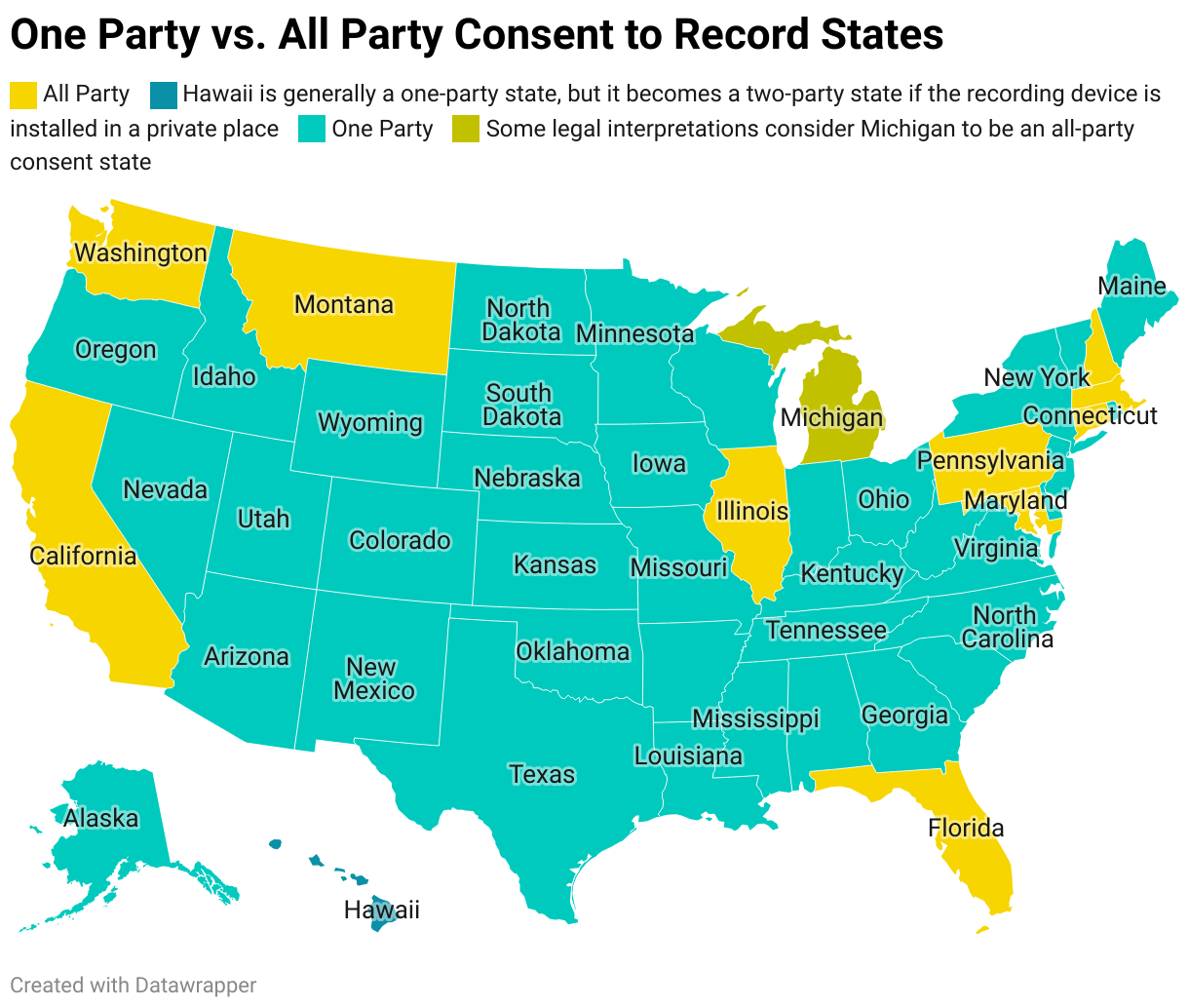
In conclusion, while the allure of capturing every moment of your Texas adventure or business endeavor is strong, the legal framework governing audio recordings in the Lone Star State is clear: Texas is fundamentally a two-party consent state for private conversations. This means that for any discussion where there is a reasonable expectation of privacy, all parties must consent to the recording. By understanding and adhering to these laws, residents and visitors alike can enjoy the vibrant culture, diverse attractions, and endless opportunities Texas offers, all while ensuring their actions remain within legal boundaries and respectful of others’ privacy. Always prioritize caution, seek consent, and when in doubt, consult a legal expert to navigate the nuances of recording in the heart of the Southwest.
LifeOutOfTheBox is a participant in the Amazon Services LLC Associates Program, an affiliate advertising program designed to provide a means for sites to earn advertising fees by advertising and linking to Amazon.com. Amazon, the Amazon logo, AmazonSupply, and the AmazonSupply logo are trademarks of Amazon.com, Inc. or its affiliates. As an Amazon Associate we earn affiliate commissions from qualifying purchases.