
The Lone Star State, with its vast landscapes, vibrant cities, and rich history, draws millions of visitors each year. From the bustling streets of Houston and Dallas to the historic charm of San Antonio and the live music capital of Austin, Texas offers an unparalleled array of travel destinations and experiences. As you plan your Texas adventure, whether it’s for luxury travel, a family trip, or a business stay, it’s natural to have questions about various aspects of life in the state. One common query, particularly for those unfamiliar with United States law, revolves around police interactions: “Is Texas a ‘stop and ID’ state?” Understanding your rights and responsibilities when encountering law enforcement is crucial for a smooth and enjoyable visit. This comprehensive guide delves into the specifics of Texas law regarding identification, offering tips for travelers and residents alike, all while framing it within the broader context of Texas tourism and lifestyle.
Navigating Law Enforcement Encounters in Texas: A Traveler’s Guide
Exploring the vast beauty and dynamic culture of Texas should be a stress-free experience. However, knowing your rights and the legal framework surrounding police interactions can provide peace of mind. The term “stop and ID” refers to laws in some states that require individuals to identify themselves to law enforcement officers upon request, even if they are only under suspicion of a minor infraction or if an officer has reasonable suspicion to detain them. The situation in Texas is nuanced and important for every visitor to understand.
The Legal Landscape of “Stop and ID” in Texas
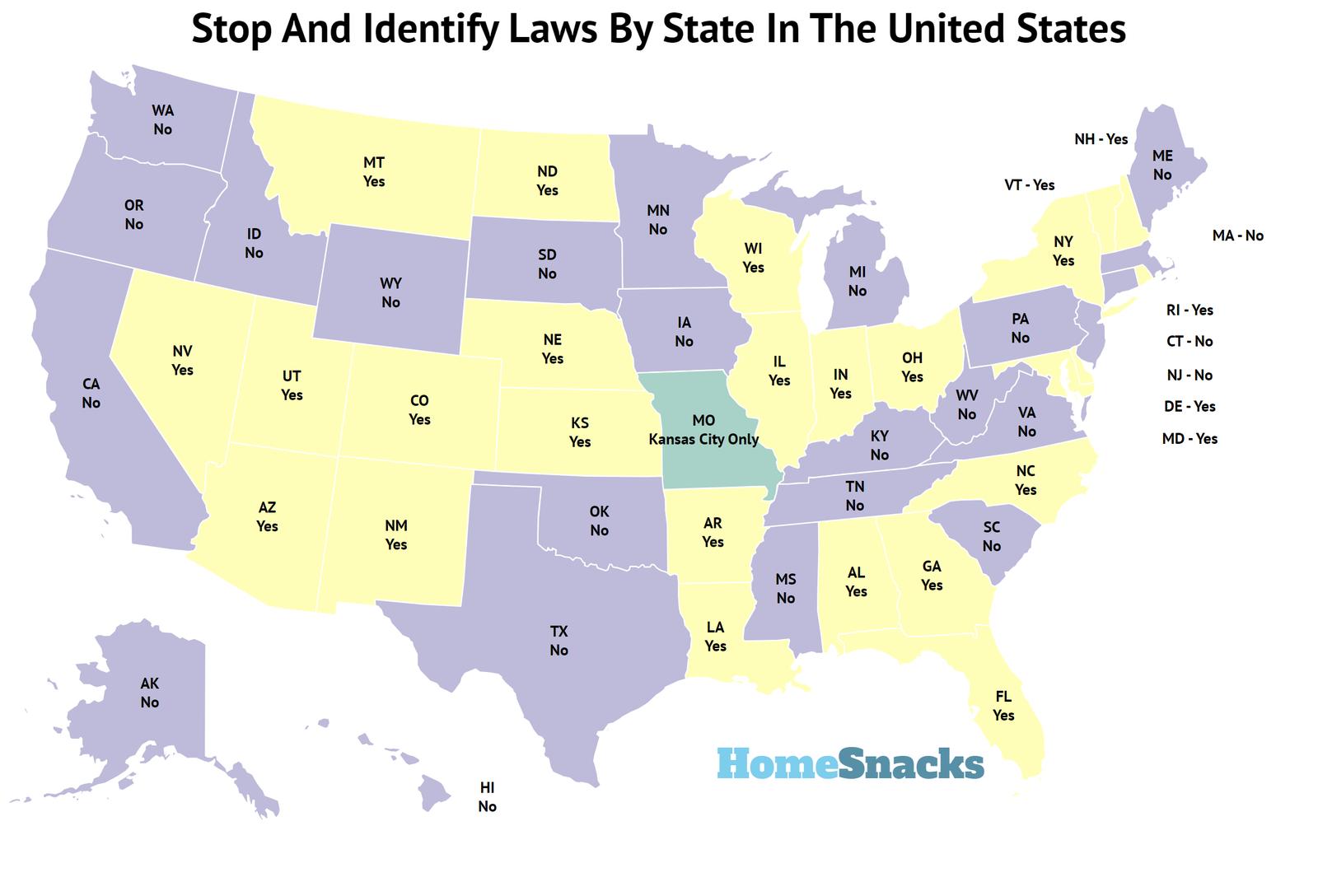
Contrary to what some might assume based on media portrayals or experiences in other states, Texas does not have a general “stop and identify” statute that requires you to provide identification to a police officer merely because they ask for it, or because they have reasonable suspicion to detain you. This is a critical distinction that sets Texas apart from states like Nevada or Arizona, which have stricter “stop and ID” laws.
In Texas, you are generally not legally obligated to verbally identify yourself or present a physical ID to an officer unless you are lawfully arrested. However, there are specific situations where providing identification becomes a legal requirement, and understanding these is key:
- Traffic Stops: If you are operating a motor vehicle, you are legally required to possess and present a valid driver’s license, vehicle registration, and proof of insurance upon request during a lawful traffic stop. This falls under vehicle operation laws, not a general “stop and ID” statute.
- Lawful Arrest: If you are lawfully arrested, an officer may ask for identification as part of the booking process. Refusing to provide it at this stage could lead to additional charges or complications.
- When ID is Required by Other Statutes: Certain specific activities or circumstances might require you to carry and present ID. For example, if you are engaging in a regulated activity like hunting or fishing, you must produce a license. Similarly, purchasing alcohol or tobacco requires age verification. These are activity-specific requirements, not a blanket “stop and ID” rule.
It’s also important to distinguish between a “consensual encounter” and a “detention.” A consensual encounter is when an officer approaches you and asks questions, but you are free to leave at any time. You are not required to answer questions or provide ID during a consensual encounter. A detention, on the other hand, occurs when an officer has “reasonable suspicion” that you have committed, are committing, or are about to commit a crime. During a detention, you are not free to leave, but as noted, you are generally not required to identify yourself unless you are under arrest. While you are not legally obligated to identify yourself during a detention, refusing to do so can sometimes prolong the interaction or escalate the situation, even if it doesn’t lead to additional charges solely for failure to identify. Many legal experts advise carrying ID and often presenting it to avoid unnecessary complications, particularly for travelers who might not want their trip interrupted.
Your Rights During a Police Stop
Regardless of whether you are in a “stop and ID” state or not, certain fundamental rights are protected under the United States Constitution. Knowing these rights can empower you during any police interaction:
- Right to Remain Silent (Fifth Amendment): You have the right to refuse to answer questions, except for basic identifying information if you are lawfully arrested or for traffic stop requirements. You can simply state, “I wish to remain silent.”
- Right to Refuse Searches (Fourth Amendment): Police officers cannot search your person, vehicle, or belongings without probable cause, your consent, or a warrant. You have the right to refuse a search. You can state, “I do not consent to a search.”
- Right to Know Why You’re Being Stopped/Detained: If an officer stops or detains you, you have the right to ask, “Am I free to go?” If the answer is no, you can then ask, “Am I being detained, and for what reason?”
- Right to an Attorney: If you are arrested, you have the right to have an attorney present during questioning.
When interacting with law enforcement, it is always advisable to remain calm, courteous, and respectful. Avoid aggressive or confrontational behavior, as this can escalate the situation. If you feel your rights are being violated, make a mental note of the officer’s badge number, patrol car number, and the details of the encounter. You can address concerns later through official channels. Remember, these interactions can be stressful, but being informed about your rights is your best defense.
Practical Implications for Texas Visitors and Residents
Understanding the legal nuances of “stop and ID” in Texas extends beyond theoretical knowledge; it has practical implications for your daily movements and overall travel experiences in the state. Whether you’re embarking on a cross-state road trip, exploring urban attractions, or simply enjoying a meal out, knowing when and how to interact with law enforcement can significantly impact your journey.
Real-World Scenarios: From Road Trips to Urban Exploration
Texas is a vast state, and your interactions may vary depending on where you are.
- Traffic Stops: This is the most common scenario where identification is legally required. If you are pulled over while driving, pull over safely, keep your hands visible, and wait for the officer to approach. When requested, you must present your driver’s license, vehicle registration, and proof of insurance. Failing to do so can result in citations or further detention. Remember, while you must provide these documents, you are not generally obligated to answer questions beyond what’s necessary to process the stop, especially those that might incriminate you.
- Public Spaces and Tourist Attractions: Wandering through the San Antonio Riverwalk, visiting the Alamo, or enjoying a festival in Austin? An officer might approach you and ask questions. In a consensual encounter in a public place, you are not required to provide ID unless they have reasonable suspicion that you have committed a crime and are detaining you, and even then, your verbal identification might be sufficient. However, if you are suspected of a crime, providing accurate identification could sometimes clear up confusion quickly. It’s a judgment call often best made with caution.
- Entering Private Establishments: Hotels, bars, clubs, or airports often have their own rules regarding identification. For example, checking into hotels or resorts almost always requires a valid ID for security and booking verification. Similarly, to purchase alcohol or verify your age at an entertainment venue, you’ll need to present a government-issued ID. These are not police interactions but rather requirements set by private businesses or for regulatory compliance. Always have your ID ready for these situations to ensure smooth access.
- Border Patrol Checkpoints (near the border): If you are traveling near the Texas border with Mexico or coastal areas, you might encounter Border Patrol checkpoints. At these checkpoints, officers may ask about your citizenship and destination. Citizens of the United States are not required to answer questions beyond providing proof of citizenship (e.g., a passport or birth certificate) or identification, though they typically do. Non-citizens must carry valid immigration documents. These are distinct from typical local police stops.
Ensuring a Smooth Texas Experience: Tips for Travelers
To minimize potential issues and ensure your Texas travel remains enjoyable, consider these practical tips:
- Always Carry Valid ID: Even if Texas isn’t a “stop and ID” state, it’s prudent for any traveler to carry a valid form of identification, such as a driver’s license, state ID card, or passport. This is useful for myriad reasons, from check-ins at accommodation to emergencies, and yes, even for lawful police requests where appropriate.
- Know Basic Texas Laws: Familiarize yourself with common state and local ordinances, such as open container laws (which prohibit open alcoholic beverage containers in public in many areas, particularly in a vehicle), public intoxication laws, and local noise ordinances. Ignorance of the law is not a defense.
- Stay Informed: Follow local news and official tourism channels for any temporary regulations or safety advisories in the areas you plan to visit.
- Respectful Interaction: Always interact with law enforcement respectfully. If an officer asks for your name, providing it accurately is generally recommended to de-escalate situations, even if not legally required in a non-arrest detention. However, you are not obligated to offer more information than necessary.
- Document If Necessary: In the rare event of an inappropriate or unlawful interaction, try to remember details such as the officer’s name/badge number, agency, time, date, and location. This information will be crucial if you decide to file a formal complaint.
- Professional Legal Advice: This article provides general information and should not be considered legal advice. If you find yourself in a serious legal situation, immediately seek professional legal counsel.
By being prepared and informed, you can confidently navigate any police interaction and focus on the incredible attractions and experiences that Texas has to offer.
Beyond the Law: Embracing the Texas Lifestyle and Tourism
While understanding the legal aspects of “stop and ID” is important, it’s equally vital to remember that these encounters are rare for most law-abiding travelers. The vast majority of your time in Texas will be spent enjoying its unique charm, diverse local culture, and captivating landmarks. Being informed simply adds a layer of confidence to your exploration, allowing you to immerse yourself fully in the Texas lifestyle.
Exploring Texas’s Diverse Attractions with Confidence
Texas is a treasure trove of famous places and natural wonders. From the historic battlegrounds of the Alamo in San Antonio to the cutting-edge space exploration at NASA Space Center Houston, there’s an activity for every interest. Nature lovers can hike through the majestic canyons of Big Bend National Park or explore the dramatic peaks of Guadalupe Mountains National Park. Beach enthusiasts can bask in the sun on South Padre Island or visit Padre Island National Seashore.
Your understanding of legal rights ensures that you can pursue these attractions with peace of mind. Knowing that you’re prepared for any eventuality, however unlikely, frees you to focus on the grandeur of Texas architecture, the richness of its history, and the breathtaking beauty of its nature. Whether you’re savoring authentic Texas BBQ, line dancing in Fort Worth, or enjoying the coastal breeze in Galveston, your well-informed approach allows for deeper engagement with the state’s vibrant character.
Accommodation and Lifestyle: Seamless Stays in the Lone Star State
Beyond sightseeing, your Texas travel experience involves where you stay and how you live during your visit. Finding the perfect accommodation — be it a luxurious hotel suite, a charming villa, or a budget-friendly apartment — is a cornerstone of any trip. When booking hotels or other types of accommodation, you’ll routinely be asked for identification during check-in. This is a standard procedure to verify your reservation and identity, and it’s essential for ensuring your stay is secure and compliant with property policies. Having your ID readily available streamlines this process, allowing you to quickly settle into your chosen resort or hotel and start enjoying its amenities.
The Texas lifestyle caters to all types of travelers. Whether you’re on a shoestring budget travel adventure, indulging in a luxury travel escape, planning fun family trips, or on a focused business stay, the ease of movement and interaction within the state contributes significantly to your overall satisfaction. From renting a car (which invariably requires a valid driver’s license) to embarking on organized tours or attending events, identification plays a key role in various facets of your travel and leisure. Understanding the difference between legal requirements for identification in police encounters versus administrative requirements for tourism services helps you navigate the state with confidence and enjoy every moment.

In conclusion, while Texas does not operate as a general “stop and ID” state where you must present identification to an officer upon mere request or detention, there are crucial situations, like traffic stops or lawful arrests, where providing ID is a legal obligation. For the savvy traveler, being informed about these specific legal requirements, along with your constitutional rights, will not only ensure compliance but also enhance your sense of security and freedom as you explore the vast and welcoming landscapes of Texas. Armed with this knowledge, you can confidently immerse yourself in the rich culture, breathtaking sights, and warm hospitality that the Lone Star State proudly offers.