
The question of whether Texas A&M is a military school is one that frequently arises, particularly for those unfamiliar with its unique heritage and traditions. Nestled in College Station, Texas, Texas A&M University holds a distinctive place in American higher education. While it boasts a proud and prominent military tradition, it is crucial to understand that Texas A&M is not exclusively a military school in the same vein as the U.S. Military Academy at West Point or the U.S. Naval Academy in Annapolis. Instead, it operates as a comprehensive public research university, one of the largest in the United States, with a voluntary Corps of Cadets that forms its historic backbone.
This institution masterfully blends academic rigor with a rich tapestry of traditions, leadership development, and an unparalleled sense of community known as the Aggie Spirit. For prospective students, curious travelers, or even just those planning a visit to Aggieland, understanding this dual identity is key to appreciating what makes Texas A&M so special. From its origins as a land-grant institution to its present-day status as a global leader in research and education, the military influence at Texas A&M has evolved, but never diminished in its significance. It offers a unique lifestyle, whether you’re a cadet embracing a disciplined path or a civilian student pursuing diverse academic interests, all within a vibrant cultural setting that also welcomes visitors exploring its unique landmarks and immersive tourism experiences.
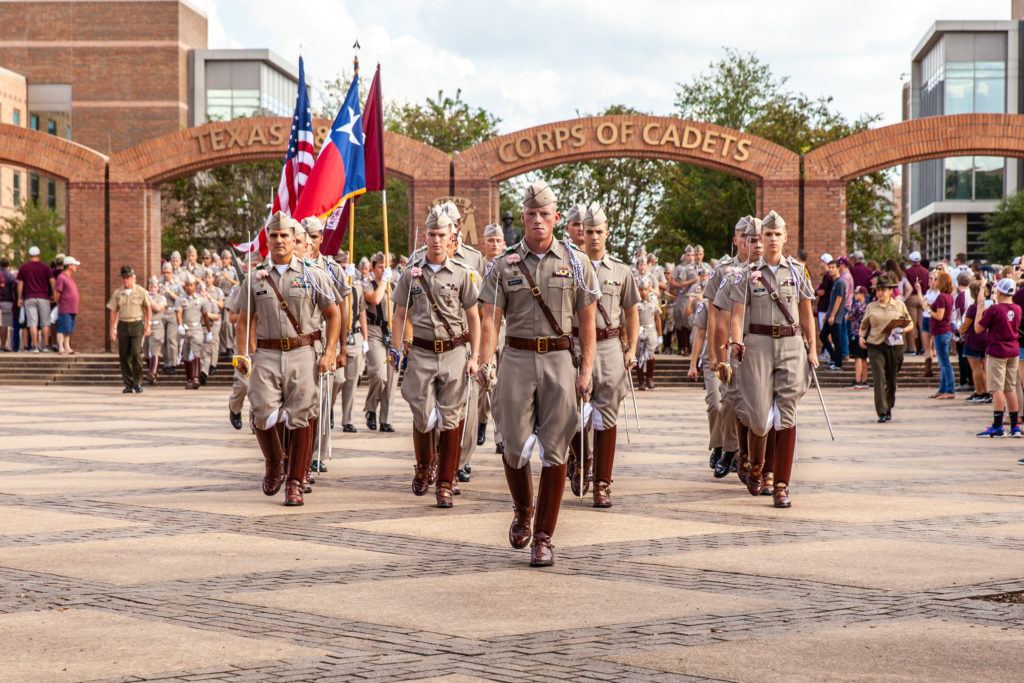
The Enduring Legacy of the Corps of Cadets
The heart of Texas A&M’s military connection lies with its Corps of Cadets, which is one of the largest uniformed student bodies in the nation outside of the federal service academies. Established in 1876 as the Agricultural and Mechanical College of Texas, the institution was founded under the Morrill Act of 1862, which mandated military tactics be taught. For many years, enrollment in the Corps was compulsory for all male students. This requirement fostered a culture of discipline, respect, and service that has permeated the entire university, even after the mandatory enrollment was lifted in 1965 by President General James Earl Rudder.
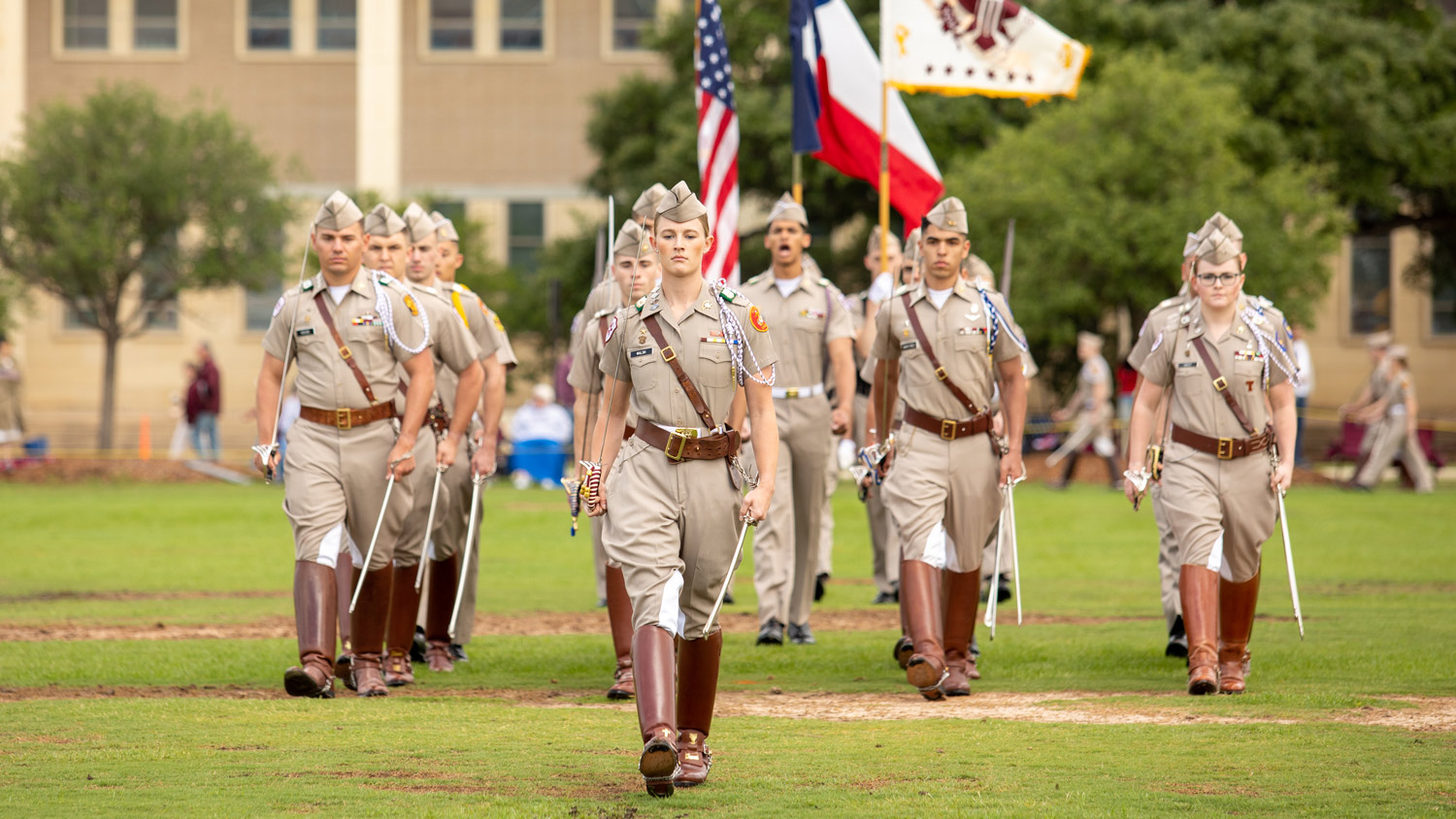
Today, the Corps of Cadets is a voluntary program, yet it continues to thrive, attracting students who seek a challenging and structured leadership development experience. Cadets are a visible and integral part of university life, easily recognizable by their distinctive uniforms. They live together in dormitories, adhere to a strict chain of command, and participate in military drills, parades, and numerous community service activities. This unique “school within a school” provides an unparalleled environment for fostering leadership skills, personal responsibility, and a profound sense of camaraderie. For visitors, observing a Corps formation or a parade is a mesmerizing experience, offering a tangible connection to the university’s historic roots and a glimpse into a lifestyle rarely seen outside of dedicated military institutions.

A Glimpse into the Corps’ Daily Life
Life as a Texas A&M cadet is structured and demanding, yet incredibly rewarding. Cadets wake early, often before dawn, for physical training or academic preparation. Their days are filled with classes, leadership laboratories, and military training exercises, all while managing the responsibilities of their academic majors. They learn about strategy, tactics, and the ethics of leadership, preparing them for diverse careers both in and out of uniform. The Corps of Cadets instills a strong work ethic, resilience, and the ability to operate effectively as part of a team—qualities highly valued in any profession.
One of the most profound expressions of the Corps’s influence and the broader Aggie Spirit is the tradition of Aggie Muster. Held annually on San Jacinto Day, Aggie Muster is a solemn ceremony that honors current and former students who have passed away. It’s a powerful testament to the enduring bonds forged at Texas A&M, and the Corps of Cadets plays a central role in its execution, demonstrating the deep-seated respect for tradition and brotherhood that defines the institution. This event, alongside others like formal military reviews and campus parades, offers a unique travel experience for those interested in American collegiate traditions and military heritage.
Beyond the Uniform: Opportunities and Impact
While many cadets do choose to pursue military careers, joining the U.S. Army, U.S. Navy, U.S. Marine Corps, or U.S. Air Force after graduation, the Corps of Cadets is not solely a pipeline to military service. Texas A&M hosts robust ROTC programs for all branches, providing cadets with the opportunity to commission as officers upon completing their degrees. However, a significant portion of Corps graduates enter the civilian workforce, carrying with them invaluable leadership skills, a strong ethical compass, and a powerful network of fellow Aggies.
The impact of the Corps of Cadets extends far beyond its members. Its presence shapes the university’s ethos, contributing to the famous Aggie Spirit that emphasizes loyalty, integrity, selfless service, and respect. This spirit permeates all aspects of campus life, from academic pursuits to athletic events and community engagement. The values championed by the Corps are seen as foundational to the entire university community, influencing civilian students, faculty, and alumni alike. It’s a lifestyle choice, an educational path, and a cornerstone of the university’s identity, all wrapped into one.
A Comprehensive University Experience: More Than Just Military Tradition
Despite the powerful and highly visible presence of the Corps of Cadets, it is essential to reiterate that Texas A&M University is a full-fledged, top-tier public research university. With an enrollment of over 70,000 students across its various campuses, the vast majority are civilian students who are not part of the Corps. These students pursue a wide array of academic programs and engage in a rich and diverse campus life that caters to every interest imaginable.
The university’s roots as a land-grant institution meant it was originally established to provide practical education in agriculture and mechanical arts. Over the decades, it has blossomed into a globally recognized institution with diverse colleges and schools that cover virtually every academic discipline. Its commitment to “aggressive excellence” has elevated its standing among Texas public universities and on the national and international stages.
Academic Excellence and Diverse Programs
Texas A&M is renowned for its academic prowess, particularly in engineering, agriculture, veterinary medicine, and business. The George H.W. Bush School of Government and Public Service offers prestigious graduate programs in international affairs and public administration. Its expansive research enterprise contributes significantly to advancements in science, technology, healthcare, and energy, attracting billions in research funding. Students benefit from state-of-the-art facilities, world-class faculty, and myriad opportunities for hands-on research and experiential learning.
From liberal arts and humanities to marine sciences on the Galveston campus and comprehensive health sciences, the academic offerings are designed to prepare students for a dynamic global workforce. The university’s emphasis on critical thinking, innovation, and problem-solving ensures that its graduates are well-equipped to make meaningful contributions in their chosen fields, whether they emerge from the Corps of Cadets or the civilian student body. This diverse academic landscape underscores that while military tradition is part of its identity, it does not define the entirety of its educational mission.
Vibrant Campus Life and Aggie Spirit
Beyond academics and military traditions, Texas A&M is famous for its exceptionally vibrant campus life and the legendary Aggie Spirit. This spirit is a powerful sense of community, tradition, and loyalty that binds current students, faculty, and alumni together. Attending a football game at Kyle Field is an unforgettable experience, with over 100,000 fans, known as the 12th Man, standing throughout the entire game to show their readiness to support the team. This tradition, along with others like Midnight Yell the night before games and the coordinated yells and gestures, creates an electric atmosphere that is a major draw for tourists and sports enthusiasts.
The campus is a microcosm of a bustling town, complete with numerous student organizations, performing arts venues, recreational facilities, and dining options. From Greek life to academic clubs, community service groups to intramural sports, there’s an activity for every interest. The strong Aggie Network, comprising hundreds of thousands of alumni worldwide, provides unparalleled networking and career opportunities, showcasing the long-term impact of the connections made at Texas A&M. Exploring the campus, whether as a prospective student or a curious traveler, reveals a dynamic environment where tradition meets innovation, and camaraderie flourishes. Notable landmarks like the Bonfire Memorial offer a poignant reflection on the enduring bonds and tragic history that have shaped the Aggie community.
Exploring College Station and Beyond: A Visitor’s Guide
For those intrigued by Texas A&M’s unique blend of academic excellence and military heritage, College Station and its twin city, Bryan, offer much to explore. These cities provide a welcoming atmosphere for visitors, with a variety of accommodation options, diverse dining experiences, and interesting landmarks that reflect the rich history and vibrant culture of Aggieland. Planning a trip here allows travelers to immerse themselves in the unique lifestyle of a quintessential Southern United States university town.
Accommodation and Dining in Aggieland
When visiting College Station, you’ll find a range of hotels and accommodations to suit every preference and budget. For a touch of luxury and sophisticated comfort, properties like The Stella Hotel or The George, both located in the stylish Century Square development, offer upscale amenities, fine dining, and easy access to campus and entertainment. Mid-range options like Cavalry Court provide a boutique experience with a nod to the area’s history, while trusted chains such as the Hilton College Station offer reliable comfort and service. For those on a tighter budget or seeking a more extended stay, numerous apartment-style accommodations and budget-friendly hotels are also available throughout the area, making College Station an accessible travel destination.
The dining scene in College Station and Bryan caters to all tastes, with a strong emphasis on hearty Texas cuisine. You can savor authentic Texas barbecue at local favorites like Fargo’s Pit BBQ, enjoy classic Tex-Mex dishes, or explore a variety of international flavors. Casual student hangouts such as Freebirds World Burrito and Layne’s Chicken Fingers are beloved institutions. Many restaurants offer specials during Aggie gamedays or other major university events, adding to the festive atmosphere that is a hallmark of College Station tourism.
Must-See Landmarks and Attractions
Beyond the captivating university campus itself, College Station and Bryan are home to several noteworthy landmarks and attractions that enrich any visitor’s itinerary. The most prominent is the George Bush Presidential Library and Museum, an impressive complex dedicated to the life and public service of the 41st U.S. President, George H.W. Bush. It offers fascinating exhibits, artifacts, and a tranquil pond, serving as a significant historical and educational landmark.
On campus, visitors can explore the Bonfire Memorial, a moving tribute to the tragic event of 1999 and a powerful symbol of the Aggie Spirit. The Gardens at Texas A&M University offer a serene escape with beautiful botanical displays. For history buffs, the Museum of the American GI in College Station provides a comprehensive look at the experiences of American soldiers from World War II to the present day. In Downtown Bryan, visitors can discover a revitalized historic district with art galleries, unique boutiques, and local eateries, often hosting special events like First Fridays that highlight local culture and lifestyle. Don’t miss the chance to experience a major event like Aggie Ring Day or a live performance at the MSC OPAS (Office of Performing Arts and Special Events), which brings world-class entertainment to College Station.
Planning Your Visit: Tips for Tourists
Planning your visit to College Station requires a few considerations to maximize your travel experience. The best time to visit often depends on your interests. Aggie Football season (fall) is incredibly exciting but also means higher hotel prices and larger crowds. If you’re interested in academics, spring and fall semesters offer a bustling campus atmosphere. Summers can be hot, but the campus is quieter, offering a more relaxed experience for exploring landmarks.
Getting to College Station is straightforward. Easterwood Airport (CLL) offers regional flights, while larger international airports in Houston (IAH or HOU), Austin (AUS), or Dallas (DFW or DAL) are typically a 1.5 to 2.5-hour drive away. Rental cars are highly recommended for exploring the wider Bryan-College Station area, though ride-sharing services are available. When on campus, consider taking a guided tour to learn more about the university’s history and traditions, including the Corps of Cadets. Engaging with locals, whether students or long-time residents, will offer authentic insights into the unique Aggie culture and the warm hospitality of Texas.
In conclusion, Texas A&M is not solely a military school, but a vibrant, comprehensive research university that proudly maintains a profound and impactful military tradition through its distinguished Corps of Cadets. This dual identity offers an enriching and unique experience for students and visitors alike. Whether you’re drawn by its academic reputation, its storied traditions, the electric atmosphere of Aggie gamedays, or the charm of College Station itself, Texas A&M promises a memorable journey into the heart of a truly exceptional institution and a welcoming destination for all kinds of travel and tourism experiences.