
The question “Is Texas banning vibrators?” often surfaces in conversations about unique state laws, sparking confusion, amusement, and sometimes, genuine concern among prospective travelers and residents alike. In an age where personal freedoms and consumer choices are paramount, the idea of a state outright banning a common personal item seems anachronistic, if not entirely unbelievable. For those planning a trip to the Lone Star State, understanding the truth behind this sensational headline is crucial, not just for personal peace of mind, but for appreciating the nuanced legal and cultural landscape of Texas. This article aims to cut through the sensationalism, clarify the legal standing, and, more importantly, explore how such perceptions might influence travel, tourism, accommodation choices, and the broader lifestyle experience in one of America’s most dynamic states.
The Myth vs. The Reality: Unpacking Texas’s “Obscenity” Laws
The short answer to whether Texas is banning vibrators is a resounding no. However, like many persistent myths, this one has roots in historical legislation and a series of legal battles that, for a time, made the sale or promotion of certain “obscene devices” a contentious issue. Understanding the journey from outdated statutes to modern legal clarity is key to dispelling the misconception.
A Glimpse into the Past: Obscenity Laws and Their Evolution
For many decades, Texas, like several other states in the United States, had laws on its books that broadly categorized and restricted items deemed “obscene.” These laws were often vague, reflecting societal norms and moral codes of an earlier era, and were frequently challenged for impinging upon free speech and personal liberty. Among the items targeted by these statutes were “obscene devices,” a term that, in practice, was often interpreted to include sex toys, including vibrators.
The intent behind such laws was typically to curb the perceived spread of pornography and to uphold public morality. However, as society evolved and understanding of privacy rights deepened, these laws increasingly came under scrutiny. Critics argued that criminalizing the sale or possession of items for private use, particularly those not inherently harmful to others, was an overreach of governmental power and an infringement on individual autonomy. The cultural shift saw a move towards recognizing the importance of personal choice in private matters, which inevitably put pressure on these antiquated laws.
Retailers faced the risk of prosecution for selling such items, leading to a complex and often covert market for products that were readily available elsewhere. This legal ambiguity created a climate of uncertainty, not only for businesses but also for consumers, and contributed significantly to the widespread belief that personal devices like vibrators were illegal or at least highly restricted within the state. The debate wasn’t just about consumer products; it was a deeper discussion about the role of government in regulating personal lives and choices, issues that resonate strongly within the diverse political landscape of Texas.
The Landmark Ruling: Lawrence v. Texas and Its Aftermath
The pivotal moment that fundamentally altered the legal landscape regarding “obscene devices” in Texas — and indeed, across the nation — was the landmark United States Supreme Court case of Lawrence v. Texas in 2003. While Lawrence v. Texas directly addressed the constitutionality of sodomy laws, its broader implications were profound, particularly regarding privacy and sexual autonomy. The Supreme Court ruled that adults have a constitutional right to engage in private sexual conduct, effectively striking down laws that criminalized consensual sexual acts.
Following this federal precedent, the Texas Court of Criminal Appeals in 2004 took up the challenge to the state’s “obscene devices” law. In a unanimous decision, the court declared the Texas statute criminalizing the promotion or possession with intent to promote “obscene devices” unconstitutional. The ruling affirmed that such laws infringed upon the personal liberty and privacy rights of individuals, aligning Texas with a more contemporary understanding of personal freedom.

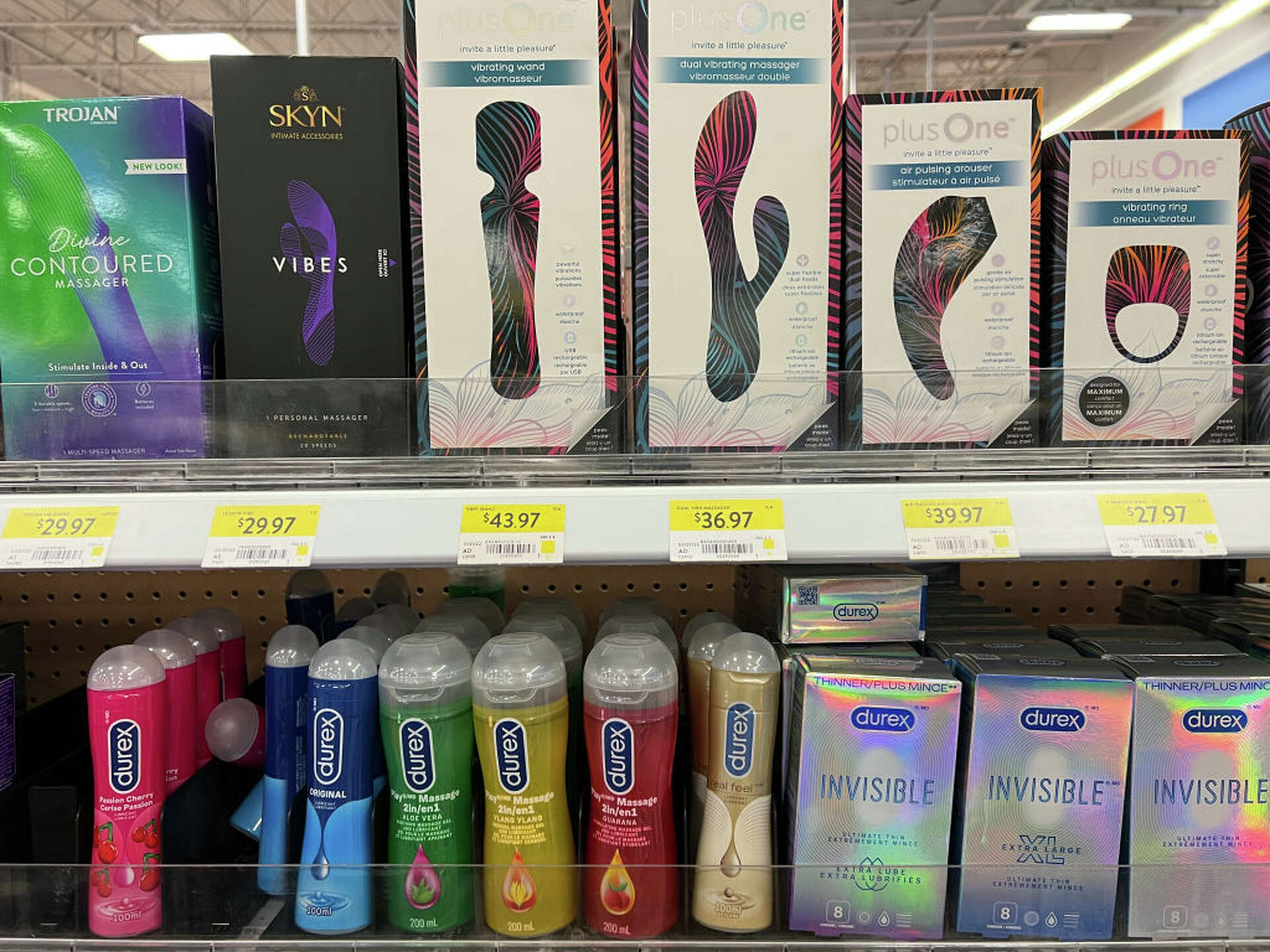
Since this ruling, vibrators and other similar personal items have been legal to sell, purchase, and possess in Texas. The legal battle transformed what was once a gray area into a clear affirmation of consumer rights in the realm of personal products. This historical context is vital because while the laws have changed, the lingering perception that Texas might have archaic restrictions often persists, influencing how outsiders view the state.
The Ripple Effect on Travel and Tourism
Even though the “ban” is a myth, its persistent presence in popular discourse can undeniably shape perceptions, which in turn can influence travel and tourism decisions. For a state that thrives on welcoming millions of visitors annually, managing such perceptions is an ongoing effort.
Perception vs. Experience: Shaping Traveler Decisions
The perception of restrictive laws, however unfounded, can deter certain segments of travelers. For individuals or couples seeking a carefree romantic getaway, the mere idea of a state regulating personal items might introduce an element of discomfort or caution. Imagine a couple planning a honeymoon or anniversary trip, perhaps to a charming boutique hotel in Fredericksburg or a luxurious resort in the Hill Country. If they encounter sensationalized headlines about “banned vibrators,” it might prompt them to reconsider or at least to do extensive research, potentially diverting their attention from the myriad positive aspects of traveling to Texas.
Tourism boards and hospitality providers in Texas work diligently to project an image of warmth, hospitality, and diversity. The state’s vibrant cities like Austin, renowned for its “Keep Austin Weird” ethos and live music scene, or Dallas, a hub for luxury and culture, thrive on attracting a wide array of visitors. Misconceptions about restrictive laws can clash with the modern, progressive image these cities often cultivate. It highlights the power of narrative and how historical legal battles, even resolved ones, can leave a lasting imprint on a state’s public image.
However, the reality quickly dispels these fears for those who do visit. Travelers find a state rich in experiences, from the vibrant nightlife of Austin to the historic charm of San Antonio, all operating without any concern for personal items. The experience on the ground is one of freedom and choice, underscoring the gap between lingering myth and current reality.
Accommodation and Guest Comfort in the Lone Star State
For hotels, resorts, and various accommodation providers across Texas, the non-existence of such a ban means business as usual. Hotels, whether they are luxury establishments in Houston’s Museum District or quaint bed and breakfasts along the Gulf Coast, focus on providing unparalleled guest comfort, privacy, and convenience. Their primary concern is guest satisfaction, adhering to health and safety standards, and offering amenities that enhance the stay, from plush bedding to high-speed internet.
The idea that a hotel might somehow regulate or inquire about personal items in a guest’s luggage is entirely foreign to the hospitality industry in Texas. Such an invasion of privacy would be contrary to the very principles of guest service and comfort that define a quality stay. Guests checking into a Grand Hyatt Hotel in Dallas or a cozy Airbnb in Marfa can expect the same level of privacy and discretion regarding their personal belongings as they would in any other progressive state or country.
Ultimately, the accommodation sector in Texas operates under the assumption of guest autonomy. The focus remains squarely on providing excellent service, clean and comfortable rooms, and a welcoming environment, free from any concern over private possessions that are legally purchased and used.
Texas Beyond the Headlines: A Diverse and Welcoming Destination
Moving past the lingering myth, it’s essential to focus on the true essence of Texas as a travel destination. The state offers an incredible array of experiences, boasting a rich tapestry of history, culture, natural beauty, and modern attractions that cater to every type of traveler.
Iconic Cities and Vibrant Cultures
Texas is home to some of America’s most dynamic cities, each with its distinct personality:
- Austin: Known as the “Live Music Capital of the World,” Austin is a vibrant hub of creativity, culinary innovation, and outdoor activities. From kayaking on Lady Bird Lake to exploring the South Congress Avenue boutiques, Austin offers a youthful and energetic vibe that attracts millions.
- Dallas: A sophisticated metropolis, Dallas boasts world-class museums in its Arts District, upscale shopping, and a thriving culinary scene. It’s a city of ambition and modern luxury, intertwined with its rich history.
- Houston: The fourth-largest city in the United States, Houston is a diverse, international city famous for its Space Center Houston, expansive Museum District, and incredible food scene that reflects its multicultural population.
- San Antonio: Steeped in history, San Antonio offers a unique blend of Texan and Mexican cultures. Visitors flock to the historic Alamo, stroll along the picturesque River Walk, and explore the San Antonio Missions National Historical Park, a UNESCO World Heritage Site.
Beyond these urban centers, Texas offers smaller towns with unique charms, from the German heritage of Fredericksburg to the cowboy traditions of the Fort Worth Stockyards National Historic District. The state’s cultural fabric is rich with rodeos, live music venues, delicious BBQ, and a welcoming spirit often celebrated during events like the State Fair of Texas.
Natural Wonders and Unique Experiences
Texas’s geographical diversity is as vast as its reputation. From the arid deserts of West Texas to the lush pine forests of East Texas, the state offers a wide range of natural beauty:
- Big Bend National Park: A remote and stunning wilderness on the border with Mexico, offering dramatic canyons, vast desert landscapes, and unparalleled stargazing opportunities. It’s a paradise for hikers and nature enthusiasts.
- The Gulf Coast: Stretching for hundreds of miles, the Texas Gulf Coast provides beautiful beaches, opportunities for fishing, birdwatching, and vibrant coastal communities like Galveston and South Padre Island.
- Hill Country: This scenic region, characterized by rolling hills, spring-fed rivers, and charming small towns, is perfect for wine tasting, swimming, and exploring the outdoors.
- National Parks and Preserves: Beyond Big Bend, Texas boasts other natural treasures like Guadalupe Mountains National Park, Padre Island National Seashore, and Big Thicket National Preserve, offering diverse ecosystems and recreational opportunities.
Whether you’re interested in luxury travel experiences, budget-friendly adventures, family trips, or a quiet escape into nature, Texas delivers. The sheer scale and variety of its offerings ensure that every visitor can find something to love, far removed from any unfounded legal anxieties.
Lifestyle and Personal Freedom in the Heart of Texas
The discussion about the “vibrator ban” ultimately touches upon a more fundamental aspect of life and travel: personal freedom. For many, the ability to make private choices without governmental interference is a cornerstone of a desirable lifestyle, whether at home or while exploring new destinations. In Texas, despite its conservative reputation on some fronts, the legal precedent established in 2004 firmly upholds this principle regarding personal items.
The contemporary Texan lifestyle, particularly in its major urban centers, is characterized by a strong entrepreneurial spirit, a diverse population, and a vibrant cultural scene that embraces individualism. Residents and visitors alike enjoy a high degree of personal liberty, from their consumer choices to their recreational pursuits. The state’s unique blend of tradition and modernity means that while certain cultural values are deeply ingrained, there’s also a robust appreciation for independence and the right to privacy.
This sense of freedom extends to how people approach their trips. Travelers to Texas can confidently explore its cities, stay in its hotels, and enjoy its attractions, knowing that their private lives and personal possessions are respected. The focus is on experiencing the destination, its people, its food, and its vast landscapes, rather than worrying about outdated legal fictions. The state’s commitment to personal liberty, as evidenced by the overturning of the “obscene devices” law, reinforces its image as a place where individual choices are valued and protected.
Conclusion: Dispelling Myths and Embracing Texas’s True Spirit
The sensational question “Is Texas banning vibrators?” serves as a powerful reminder of how historical legal battles and lingering misconceptions can shape public perception. The reality, however, is clear: vibrators are not, and have not been for nearly two decades, banned in the Lone Star State. Thanks to landmark legal rulings that championed personal liberty and privacy, residents and visitors alike can purchase and possess such items without concern.
This clarity allows travelers to focus on what truly makes Texas an exceptional destination: its sprawling landscapes, vibrant cities, rich history, diverse culture, and famously warm hospitality. From the live music venues of Austin to the historic River Walk of San Antonio, and from the rugged beauty of Big Bend National Park to the sandy beaches of South Padre Island, Texas offers an experience as vast and varied as its geography.
For those planning to explore the wonders of Texas, rest assured that your lifestyle choices and personal freedoms are respected. The narrative of the state is far more complex and inviting than any sensational headline might suggest. Texas truly is a state where big skies meet big dreams, and where every traveler is invited to discover its authentic, unbridled spirit, free from outdated misconceptions.