
The question “Is Texas bigger than Europe?” often sparks a spirited debate, especially among those who appreciate the grandeur of the United States’ second-largest state. While Texas certainly boasts a formidable size, covering over 268,596 square miles (695,662 square kilometers), the assertion that it dwarfs an entire continent like Europe requires a closer look at the actual geographical facts. Beyond mere square mileage, this intriguing comparison invites us to explore the vast differences in culture, landscape, travel experiences, and lifestyle that define these two distinct entities, making the journey of discovery far more captivating than a simple numerical answer.
This article delves into the actual scale of Texas versus Europe, then expands upon what these geographical realities mean for travelers. From diverse landscapes and iconic landmarks to unique cultural experiences, accommodation options, and the very essence of lifestyle, we’ll uncover the rich tapestries offered by both the Lone Star State and the mosaic of nations that comprise Europe. Whether you’re planning a road trip through sprawling American vistas or an immersive cultural tour across multiple European countries, understanding their true scope is the first step in crafting an unforgettable journey.
A Geographical Quandary: Size and Scope
The initial question is a bit of a trick, often asked to highlight the sheer immensity of Texas within the American context. However, when placed side-by-side with an entire continent, the answer becomes clear.
The True Scale of Texas
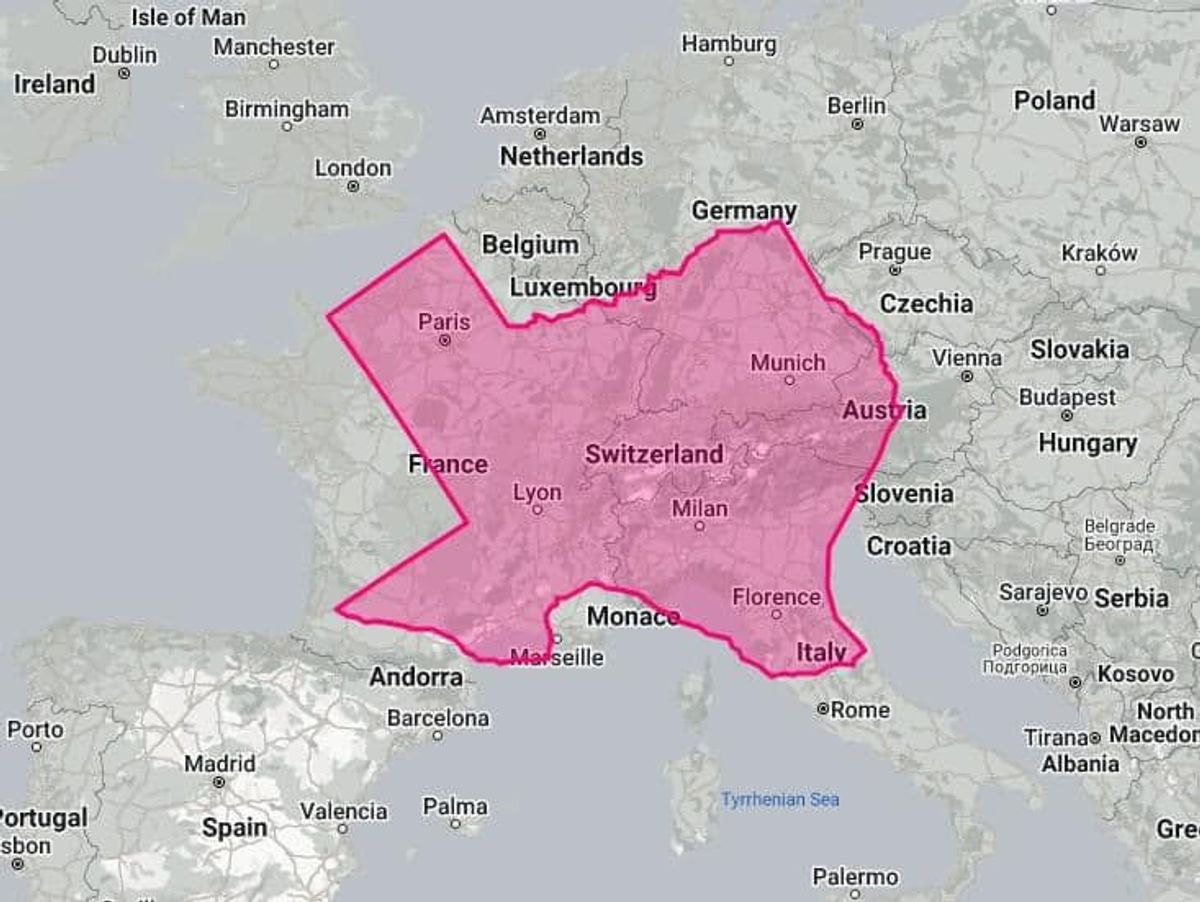
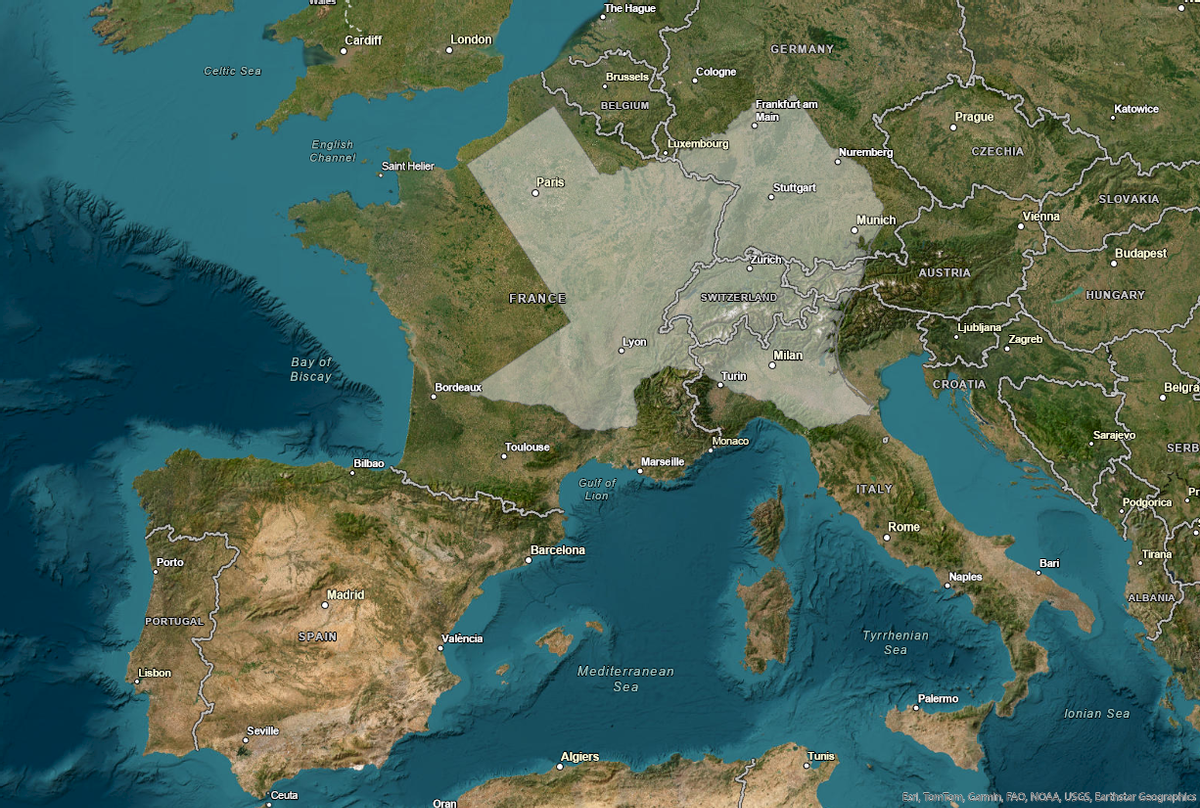
Texas is undeniably vast. It’s so large that it contains diverse climatic regions, from the arid deserts of West Texas to the lush forests of East Texas, and the subtropical Texas Gulf Coast. Its sheer size means that driving across the state can take upwards of 10-12 hours, a journey equivalent to crossing several small European countries. The state’s geographical footprint makes it larger than many individual nations, including France, Spain, or Germany if you were to overlay them individually. This expansive territory allows for an incredible range of natural attractions, from the majestic mountains of Big Bend National Park and Guadalupe Mountains National Park to the tranquil rivers and rolling hills of the Texas Hill Country. Such scale provides ample room for unique travel experiences, whether it’s exploring vibrant cities like Houston, Dallas, Austin, and San Antonio, or venturing into the vast wilderness for outdoor adventures.
Europe’s Vastness: A Continent of Nations
In reality, Europe is significantly larger than Texas. The European continent, stretching from the Atlantic Ocean to the Ural Mountains, covers approximately 3.93 million square miles (10.18 million square kilometers). This means Europe is roughly 14 times larger than Texas. What makes Europe’s size even more staggering is its political and cultural fragmentation. It comprises over 50 sovereign states, each with its own distinct history, language, cuisine, and traditions. From the ancient ruins of Rome to the romantic canals of Amsterdam, the artistic flair of Paris, the historic grandeur of London, or the pristine beauty of the Swiss Alps, Europe offers an unparalleled diversity within its borders. The sheer number of destinations and experiences available means that a lifetime of travel might only scratch the surface of what the continent has to offer.
Beyond Square Miles: Diversity in Landscape and Culture
While the geographical comparison clearly favors Europe in terms of sheer size, the depth of experience in both Texas and Europe is what truly defines them for travelers. Each offers a unique blend of natural beauty, historical significance, and vibrant cultural expressions.
The Lone Star State’s Myriad Faces
Despite being a single state, Texas is a microcosm of diverse American landscapes and cultures. Travelers can explore the cowboy heritage in Fort Worth, enjoy the live music scene and liberal vibes of Austin, immerse themselves in the rich history of the Alamo and the San Antonio Riverwalk, or marvel at the technological advancements at Space Center Houston. The culinary landscape is equally varied, with world-renowned BBQ joints, authentic Tex-Mex cuisine, and upscale dining experiences in metropolitan centers. For nature enthusiasts, the opportunities range from hiking and stargazing in the vast national parks to birdwatching along the Gulf Coast or exploring the vineyards in the Texas Hill Country. Each region within Texas feels like a distinct destination, offering a different narrative and a fresh set of attractions, making it ideal for road trips and multi-stop itineraries focused on American culture and nature.
Europe’s Unrivaled Tapestry of Experiences
Europe’s cultural and natural diversity is, of course, unparalleled due to its multitude of countries. Imagine beginning your journey admiring the Eiffel Tower in Paris, then taking a high-speed train to witness the historical grandeur of the Colosseum in Rome, followed by a scenic drive through the fjords of Norway or the vineyards of Tuscany. Each border crossing brings a new language, a new currency (though the Euro streamlines much of the Eurozone), and an entirely different culinary tradition. From the flamenco dances of Spain to the beer gardens of Germany, the classical music of Austria to the vibrant nightlife of Berlin or Barcelona, Europe is a living museum and a dynamic hub of contemporary culture. Landmarks abound, from ancient wonders to architectural marvels, offering countless opportunities for exploration and learning. The continent’s efficient transportation networks, including extensive rail lines and affordable flights, make it relatively easy to hop between these diverse experiences, allowing travelers to curate journeys that touch upon vastly different cultures within a single trip.
Navigating the Expansive Canvas: Travel and Accommodation
Planning a trip to either Texas or Europe involves distinct considerations for travel and accommodation, each catering to different preferences and budgets.
Planning Your Texas Adventure
Traveling across Texas often means embracing the quintessential American road trip. Given its immense size, a car is almost essential for fully exploring the state’s diverse attractions, from the bustling metropolitan areas to the remote natural parks. Infrastructure is excellent, with well-maintained highways connecting major cities like Houston, Dallas, Austin, and San Antonio. For accommodation, Texas offers a wide spectrum. In cities, you’ll find everything from luxurious high-rise hotels and boutique properties to budget-friendly motels and extended-stay apartments. Many resorts in the Texas Hill Country offer lavish amenities, including spas, golf courses, and fine dining, perfect for a relaxing getaway. For those seeking unique experiences, historic inns, charming bed-and-breakfasts in small towns like Fredericksburg, or even ranch stays provide a taste of authentic Texas hospitality. Booking in advance, especially for popular events or peak seasons, is always a wise tip to ensure the best rates and availability.
Exploring Europe’s Rich Offerings
Traveling through Europe often involves a blend of transportation methods. Efficient public transport systems, particularly extensive rail networks, make it easy to traverse countries and cities without a car, offering scenic journeys and reducing the stress of driving and parking in crowded urban centers. Low-cost airlines connect even smaller cities, making multi-country itineraries highly accessible. Accommodation in Europe is incredibly diverse. From grand luxury hotels in historic buildings in Vienna or Prague to charming family-run guesthouses in the Italian countryside, travelers can find options to suit every taste and budget. Boutique hotels are popular in major cities like Barcelona and Lisbon, offering unique design and personalized service. Hostels cater to budget travelers and solo adventurers, while serviced apartments and villas are excellent choices for families or longer stays, particularly in popular tourist regions like the South of France or the Greek Islands. Comparison websites are invaluable for booking, allowing travelers to review options, compare amenities, and find the best deals on everything from romantic suites to spacious family apartments.
Lifestyle and Leisure: Contrasting Travel Philosophies
The philosophy behind travel and leisure often differs between exploring a vast state like Texas and venturing through the multifaceted continent of Europe. These differences influence everything from the pace of travel to the types of activities sought out by visitors.
Texas: The Spirit of Grandeur and Hospitality
Travel in Texas often embodies a spirit of expansive freedom and authentic American hospitality. The lifestyle here encourages a relaxed pace, where visitors can savor local cuisine, enjoy live music, and immerse themselves in the state’s unique heritage. For luxury travelers, Texas offers high-end resorts with championship golf courses, exclusive spas, and gourmet dining, particularly in areas like Dallas-Fort Worth and Houston. Budget travelers can find plenty of affordable options, especially when camping in state parks or staying in smaller towns. Family trips are well-catered for, with numerous theme parks, interactive museums, and outdoor recreational areas. Business stays are also a significant part of the Texas travel landscape, with major convention centers and a thriving economy drawing professionals to its large cities. The emphasis is often on comfort, convenience, and experiencing a quintessential slice of Americana, whether it’s a rodeo in Fort Worth or a leisurely day at South Padre Island.

Europe: A Mosaic of Civilizations and Modernity
Europe offers a travel lifestyle that is often characterized by cultural immersion, historical exploration, and seamless transitions between diverse environments. Here, travelers often prioritize experiencing local cultures, sampling regional delicacies, and marveling at centuries of art and architecture. Luxury travel in Europe is defined by opulent hotels in historic palaces, private tours of world-class museums, and gastronomic journeys through Michelin-starred restaurants in cities like Paris, Rome, or Florence. Budget travel is equally feasible, with extensive hostel networks, affordable public transport, and countless free attractions. Family trips to Europe can be incredibly enriching, offering educational experiences alongside fun activities, from exploring castles in Ireland to enjoying amusement parks like Disneyland Paris. For business stays, major European capitals are global hubs, offering state-of-the-art convention facilities and excellent connectivity. The lifestyle here embraces both ancient traditions and modern innovations, offering a dynamic and ever-evolving travel narrative that encourages discovery around every corner, from the bustling markets of Madrid to the serene landscapes of the Scottish Highlands.
In conclusion, while the question “Is Texas bigger than Europe?” is easily answered with a resounding “no” when looking at sheer geographical area, both destinations offer an immense wealth of experiences that defy simple comparisons. Texas, with its vast landscapes and rich, distinctive culture, promises grand adventures within a singular American identity. Europe, with its continental sprawl of diverse nations, offers an endlessly fascinating journey through a mosaic of civilizations. The choice between them isn’t about which is “bigger” but about what kind of unique and unforgettable travel experience you seek.