
The question “Is Texas bigger than Germany?” is more than a simple geographical query; it’s an invitation to explore two vastly different, yet equally captivating, regions of the world. For travelers, understanding the sheer scale and character of each destination is crucial for planning an unforgettable journey. From sprawling deserts and vibrant urban centers in the United States to historic castles and efficient modern cities in Europe, both Texas and Germany offer unique travel experiences, diverse accommodations, and rich cultural tapestries.
This article delves into the dimensions of these two powerful entities, comparing their geographical footprints, economic prowess, population dynamics, and the distinct travel experiences they offer. Whether you’re a seasoned globetrotter or planning your first major adventure, this comparison will help illuminate what makes each destination a world of its own.
A Tale of Two Titans: Geographical Dimensions
At the heart of our question lies the undeniable truth about physical space. When we talk about “bigger,” we are primarily referring to land area, and in this regard, the answer becomes strikingly clear.
The Raw Numbers: Land Area Comparison
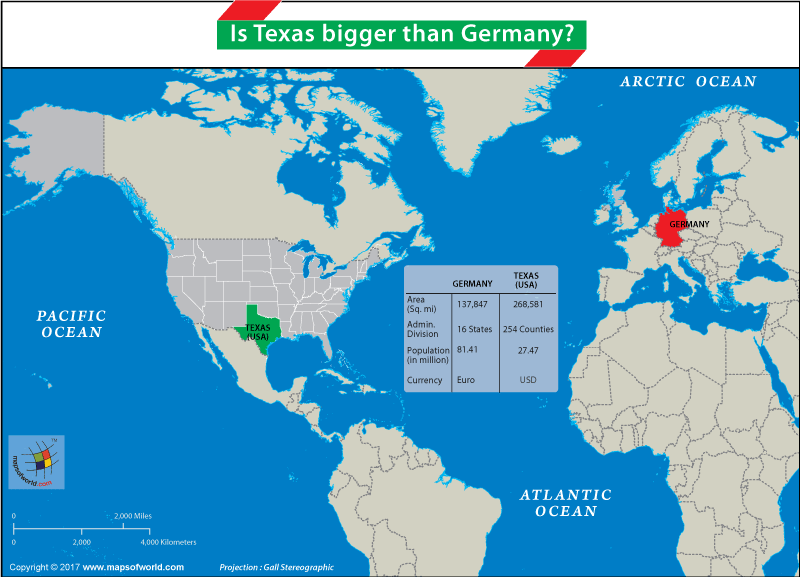
Let’s cut straight to the chase: Texas is indeed significantly larger than Germany in terms of land area.
- Texas: Covers approximately 268,596 square miles (695,662 square kilometers).
- Germany: Spans roughly 137,847 square miles (357,022 square kilometers).
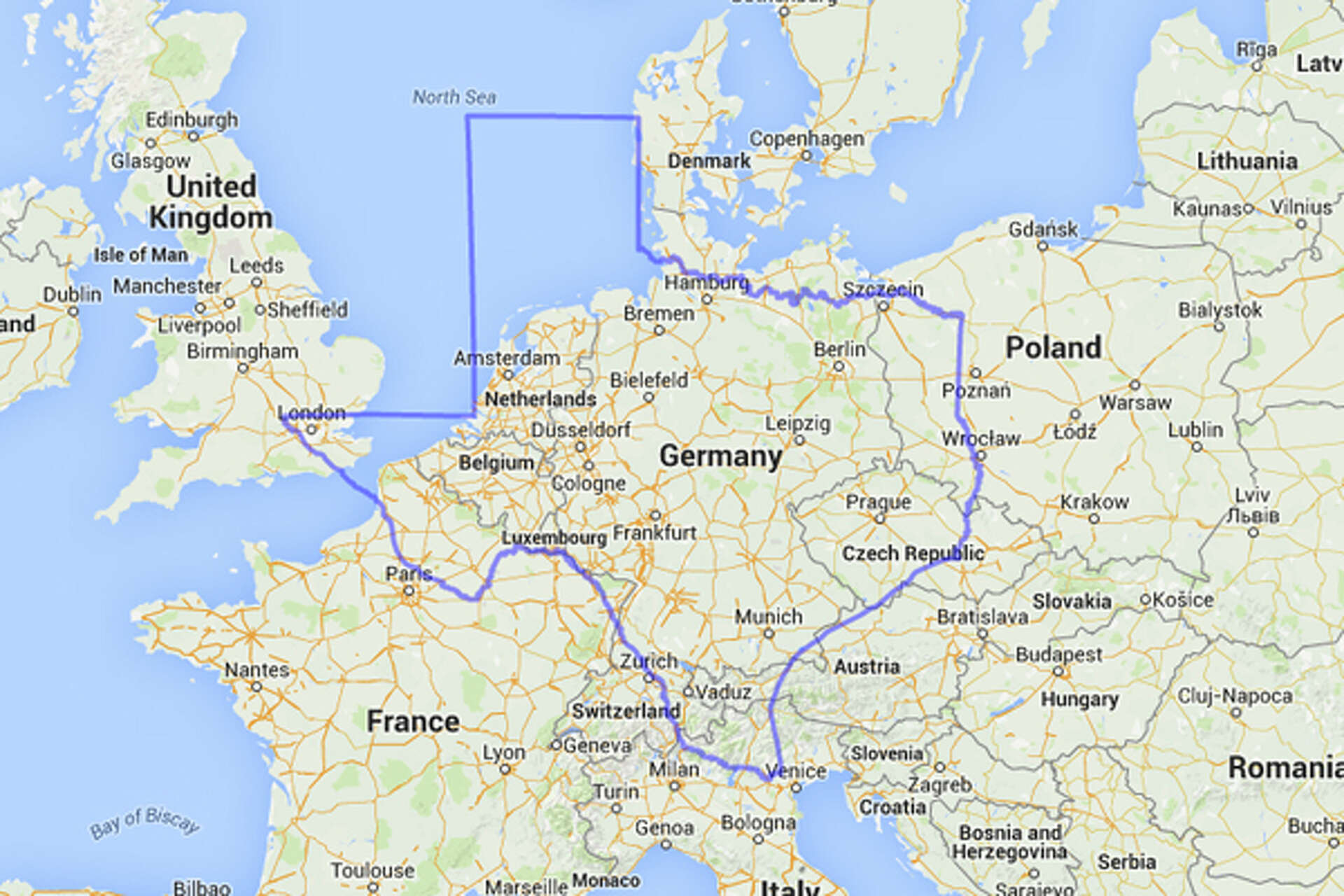
This means that Texas is almost twice the size of Germany. To put it into perspective, one could comfortably fit Germany into Texas with plenty of room to spare. This vast difference in landmass sets the stage for distinct geographical features, climates, and, consequently, unique travel opportunities.
Coastlines, Borders, and Interior Vastness
The sheer size of Texas dictates much of its diverse landscape. Bounded by Mexico to the south and the Gulf of Mexico to the southeast, the state boasts a varied topography that ranges from the desert landscapes of Big Bend National Park and the peaks of Guadalupe Mountains National Park in the west, through the rolling hills of the Texas Hill Country, to the lush pine forests of East Texas and the coastal plains. Driving across Texas can take more than 12 hours, revealing dramatic changes in scenery and climate along the way. This vastness means that exploring Texas often requires significant travel time, making road trips a quintessential Texas experience, where each major city like Houston, Dallas, Austin, and San Antonio feels like its own distinct region.
Germany, while smaller, offers an incredibly rich and varied geographical profile within its borders. Sharing land borders with nine different countries (France, Belgium, Luxembourg, Switzerland, Austria, Czech Republic, Poland, Denmark, and the Netherlands), Germany’s landscape transitions from the flat North German Plain leading to the North Sea and Baltic Sea in the north, through the forested Central German Uplands and river valleys like the Rhine River, to the magnificent Bavarian Alps in the south. This compact diversity makes travel within Germany incredibly efficient, with high-speed trains connecting its major cities like Berlin, Munich, and Cologne in just a few hours, allowing visitors to experience multiple distinct regions in a shorter timeframe.
Beyond Square Miles: Population and Economic Footprint
While geographical size provides a foundational understanding, the true character of a place is also defined by its people and economic output. Here, the comparison between Texas and Germany yields a different perspective.
Demographic Density: Texas’s Sprawl vs. Germany’s Urban Fabric
Despite Texas’s larger landmass, Germany has a significantly larger population.
- Germany’s Population: Over 83 million people.
- Texas’s Population: Approximately 30 million people.
This means that Germany is much more densely populated. Germany’s population density is around 600 people per square mile, while Texas’s is closer to 110 people per square mile. This difference profoundly impacts urban development, infrastructure, and even the general feel of travel. Germany boasts a strong network of well-connected cities and towns, often with historical centers and efficient public transport, leading to a more urban-centric and walkable tourism experience. In contrast, while Texas has major metropolitan areas like the Dallas-Fort Worth metroplex, Houston, Austin, and San Antonio, there are vast stretches of open country between them, emphasizing a car-dependent culture and a sense of open, expansive space.
Economic Powerhouses: GDP and Global Influence
Both Texas and Germany are economic giants in their respective spheres. Germany is the largest economy in Europe and a global leader in engineering, automotive manufacturing, and chemical industries. Its GDP ranks among the top four worldwide, reflecting a highly industrialized and export-oriented economy with a strong focus on innovation and quality.
Texas, if it were an independent country, would rank among the top 10 to 15 largest economies globally. Its economy is incredibly diverse, driven by oil and gas, technology (especially in Austin), agriculture, aerospace (NASA Johnson Space Center in Houston), and a burgeoning healthcare sector. This economic vitality fuels the growth of its major cities, attracting a diverse workforce and contributing to the rich cultural melting pot that defines the state. The economic might of both regions translates into modern infrastructure, varied employment opportunities, and a thriving tourism sector with world-class facilities.
Travel Experiences: Exploring the Expanses
For the discerning traveler, the size and character of Texas and Germany dictate distinct approaches to exploration. Both promise rich experiences, from natural wonders and historical landmarks to vibrant cities and unique local cultures.
Discovering the Diverse Landscapes of Texas
A trip to Texas is often an exploration of contrasts. The sheer distances mean that visitors often focus on one or two regions, or embark on an epic road trip to traverse its breadth.
- West Texas: Here, the vast and rugged beauty of the Chihuahuan Desert reigns supreme. Big Bend National Park offers incredible hiking, stargazing, and river activities along the Rio Grande. Nearby, Guadalupe Mountains National Park boasts the state’s highest peak and diverse ecosystems. El Paso, a city rich in Mexican heritage, provides a unique urban experience with mountain backdrops, like Franklin Mountains State Park.
- Central Texas: The heart of the Texas Hill Country is a haven of rolling hills, spring-fed rivers, and charming small towns known for their wineries and German heritage. Austin, the “Live Music Capital of the World,” pulsates with a youthful energy, incredible food, and outdoor activities. San Antonio offers a deep dive into Texas history with the iconic Alamo and the picturesque River Walk.
- North Texas: The dynamic duo of Dallas and Fort Worth showcases both modern sophistication and cowboy culture. Dallas is a hub for arts, fashion, and business, while Fort Worth embraces its Western roots with cattle drives and rodeos in the historic Stockyards.
- Coastal Texas & Southeast Texas: Houston, a sprawling metropolis, is a center for space exploration at the NASA Johnson Space Center, diverse culinary experiences, and world-class museums. The Gulf Coast offers beaches, birdwatching, and seafood, with popular destinations like Galveston and South Padre Island. Further east, the Big Thicket National Preserve protects a unique biodiversity of swamps and forests.
Journeying Through Germany’s Rich Tapestry
Traveling through Germany is an exercise in cultural immersion and efficient exploration. The country’s well-developed infrastructure allows travelers to seamlessly move between its diverse regions and historic sites.
- Berlin and the East: As the capital, Berlin is a vibrant tapestry of history, art, and modern innovation, home to landmarks like the Brandenburg Gate and Museum Island. Eastward, cities like Dresden captivate with Baroque architecture, while the Spreewald offers tranquil canal cruises.
- Bavaria and the South: The southern state of Bavaria is perhaps Germany’s most iconic region, famed for its Bavarian Alps, fairy-tale castles like Neuschwanstein Castle, and the vibrant city of Munich, host of Oktoberfest.
- The Rhine Valley and West: The western part of Germany is defined by the majestic Rhine River, dotted with medieval castles and picturesque vineyards. Cologne boasts the magnificent Cologne Cathedral, while Frankfurt is a modern financial hub with a charming old town. The Black Forest offers dense pine forests, charming villages, and cuckoo clocks.
- Northern Germany: Cities like Hamburg, a major port city, offer maritime charm, cutting-edge architecture like the Elbphilharmonie, and lively nightlife on the Reeperbahn. The North Sea and Baltic Sea coasts provide serene beaches and islands.
Accommodation and Lifestyle: Finding Your Perfect Stay
The choice of accommodation and the local lifestyle significantly shape a travel experience. Both Texas and Germany cater to a wide range of preferences, from luxury stays to unique cultural lodgings.
From Ranch Stays to Urban Retreats: Texas Hospitality
Texas’s vastness and diverse culture are reflected in its accommodation options. In the major cities, you’ll find world-class luxury hotels and boutique establishments. Austin offers historic gems like The Driskill, while Dallas boasts chic stays such as Hotel ZaZa Dallas. Houston and San Antonio also offer a plethora of high-end resorts and business-friendly hotels.
For a taste of authentic Texas lifestyle, the Hill Country provides charming bed & breakfasts, rustic cabins, and even dude ranches where visitors can experience cowboy life firsthand. Coastal areas like South Padre Island feature beachfront resorts and family-friendly accommodations. Long-term stays are increasingly popular in its booming cities, with a variety of apartments and extended-stay hotels catering to business travelers and those looking for a deeper dive into local life. The emphasis is often on comfort, space, and a hearty welcome, reflecting the state’s generous spirit. Resorts like the JW Marriott San Antonio Hill Country Resort & Spa exemplify the blend of luxury and local charm, offering extensive amenities from golf courses to water parks.
European Elegance and Efficiency: Germany’s Lodging Scene
Germany’s accommodation landscape is equally varied but with a distinctly European flavor. In major cities, modern hotels, often emphasizing efficiency and design, cater to both business and leisure travelers. Berlin’s Adlon Kempinski stands as a beacon of luxury, while countless boutique hotels in cities like Munich and Hamburg offer unique experiences.
Beyond the urban centers, Germany excels in offering charming and historically rich alternatives. Traditional Gasthäuser (guesthouses) provide cozy, family-run stays, often with excellent regional cuisine. For a truly unforgettable experience, castle hotels like Schlosshotel Kronberg allow guests to sleep within centuries-old walls, steeped in history. The emphasis is on quality, often impeccable service, and a seamless integration with the surrounding culture. Whether it’s a wellness resort in the Black Forest or a sleek apartment in Frankfurt, Germany’s lodging options reflect its blend of tradition and modernity, coupled with a high standard of comfort.
Cultural Immersion and Tourism Highlights
The comparison wouldn’t be complete without exploring the unique cultural identities and landmark attractions that make each destination a magnet for tourism.
The Lone Star State’s Distinctive Charm
Texas’s culture is a vibrant blend of Southern hospitality, Western grit, and a strong Mexican influence, creating a lifestyle unlike any other.
- Food Scene: Tex-Mex cuisine is a cornerstone, from sizzling fajitas to comforting chili con carne. Texas BBQ is legendary, with distinct regional styles and revered smokehouses.
- Music & Arts: Austin leads the charge as a live music mecca, but vibrant music scenes thrive across the state, from country in Fort Worth to blues and rock. Houston and Dallas boast world-class museums and performing arts venues.
- History & Heritage: Explore the fight for independence at The Alamo in San Antonio, discover the pioneering spirit in historic ranches, or delve into space exploration history at NASA Johnson Space Center.
- Outdoor Activities: Hiking, fishing, birdwatching, and river tubing in the Hill Country are popular pastimes, reflecting a lifestyle that embraces the great outdoors.
Germany’s Enduring Heritage and Innovation
Germany’s culture is deeply rooted in its rich history, philosophical contributions, and a reputation for engineering excellence and quality.
- Festivals & Traditions: Oktoberfest in Munich is world-renowned, but countless smaller beer festivals and enchanting Christmas Markets across the country offer unique seasonal experiences.
- Historical Landmarks: From the iconic Brandenburg Gate in Berlin to the romantic Neuschwanstein Castle in Bavaria and the awe-inspiring Cologne Cathedral, Germany is a treasure trove of historical and architectural wonders.
- Arts & Philosophy: Home to composers like Bach and Beethoven, and philosophers like Kant and Goethe (whose house in Frankfurt is a landmark), Germany boasts a profound intellectual and artistic legacy, evident in its numerous museums, opera houses, and theaters.
- Innovation & Automotive: A visit to Germany often includes experiencing its automotive prowess, with museums dedicated to Mercedes-Benz and Porsche, showcasing a commitment to engineering and design.

Conclusion: More Than Just Size
So, to definitively answer the initial question: Yes, Texas is significantly bigger than Germany in terms of land area. However, this geographical fact is merely the starting point for a deeper understanding of these two compelling destinations.
While Texas offers vast, open spaces, a robust, diverse economy, and a culture steeped in frontier spirit, independence, and a unique Tex-Mex blend, Germany presents a more densely populated, historically rich, and culturally sophisticated experience within its smaller, yet equally diverse, borders.
For the traveler, this comparison highlights the different scales of adventure each offers. Exploring Texas often means embracing epic road trips, discovering distinct regional identities spread across hundreds of miles, and experiencing a blend of Southern charm and Western ruggedness. A trip to Germany, conversely, might involve efficient train travel between world-class cities, delving into millennia of history within a compact area, and immersing oneself in a culture renowned for its precision, art, and vibrant traditions.
Ultimately, whether you’re drawn to the sprawling ranches and energetic cities of the Lone Star State, or the medieval castles and bustling metropolises of Germany, both destinations promise unforgettable travel, diverse accommodation options, rich local tourism, iconic landmarks, and a lifestyle that leaves a lasting impression. The choice isn’t about which is “better,” but rather which vast world you’re ready to explore next.