
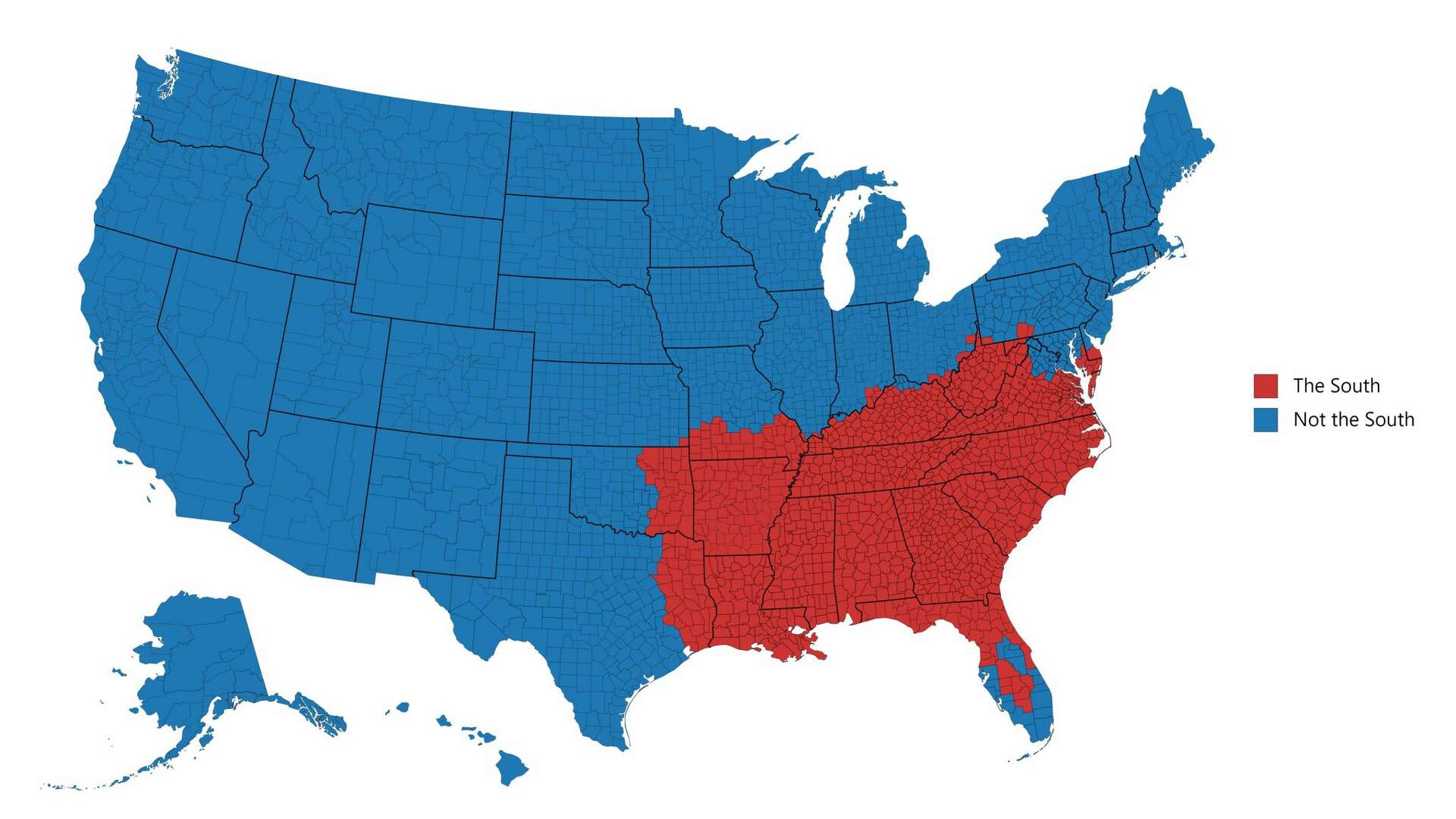
The question of whether Texas truly belongs to the South is a fascinating one, sparking debate among geographers, historians, and locals alike. For many travelers planning a trip through the United States, understanding Texas’s regional identity is key to anticipating the culture, cuisine, and overall experience they might encounter. While the state shares undeniable historical and cultural ties with the traditional Southern states, its vast size, unique history as an independent republic, and significant Mexican influence also lend it a distinct Southwestern character. This duality makes Texas a captivating destination, offering a blend of experiences that often defy simple categorization.
When we consider the traditional definition of the American South, several factors come into play: historical allegiance to the Confederacy, an agricultural past heavily reliant on cotton and slavery, a distinct culinary tradition, specific musical genres, and a reputation for hospitality. Texas certainly exhibits many of these traits, particularly in its eastern regions. However, to pigeonhole Texas solely as a Southern state would be to overlook its profound connections to the West and Mexico, its sprawling deserts, and its burgeoning urban landscapes that often feel entirely modern and global. This article delves into the various facets that contribute to Texas’s complex identity, guiding travelers on what to expect when exploring this incredible and diverse state. From its iconic landmarks to its unique local culture and a wide array of accommodation options, Texas promises an experience unlike any other, challenging preconceived notions about regional boundaries.
The Traditional Southern Lens: Why Texas Fits
To understand why many consider Texas part of the South, one must look at its historical roots, cultural expressions, and even its geography. These elements firmly place significant portions of the state within the broader Southern tapestry, offering travelers a familiar sense of charm and tradition often associated with the region.
Historical Ties and Antebellum Roots
Texas’s history is inextricably linked to the Southern narrative. As a former slave state and a member of the Confederacy during the American Civil War, its historical trajectory mirrors that of states like Louisiana, Mississippi, and Alabama. This period left an indelible mark on its social structures, political landscape, and cultural memory. Many of the early settlers who poured into Texas during the 19th century came from other Southern states, bringing with them their traditions, architectural styles, and agricultural practices. Plantations, while perhaps not as numerous or grand as those in the Deep South, were certainly present, especially in East Texas, shaping the economic and social fabric of the time.
Visiting historical sites in cities like Houston or Galveston reveals stately homes and public buildings that echo classic Southern architecture. Museums throughout the state, particularly the Texas State History Museum in Austin, often delve into these complex historical periods, offering insights into the state’s Confederate past and its long journey through Reconstruction and beyond. Travelers interested in history will find ample opportunities to explore this side of Texas, staying in charming boutique hotels or historic inns that reflect the architectural grandeur of the era.
Cultural Echoes: Cuisine, Music, and Hospitality
The cultural similarities between Texas and the South are perhaps the most palpable for visitors. Southern hospitality is a widely recognized trait, and Texans are famous for their warmth, friendliness, and willingness to help. This extends to every aspect of tourism, from the welcoming staff at a luxury resort to the cheerful guide at a local attraction.
When it comes to food, Texas proudly embraces many Southern staples. Classic barbecue, especially the slow-smoked brisket that is a Texas institution, has strong roots in Southern culinary traditions, even if Texans have perfected their own unique style. Dishes like fried chicken, collard greens, cornbread, and pecan pie are commonly found on menus across the state, particularly in family-style restaurants and diners that capture a nostalgic Southern vibe. Iconic establishments such as Franklin Barbecue in Austin or Pecan Lodge in Dallas are testaments to the state’s deep love for smoked meats, drawing visitors from around the globe seeking an authentic taste of Texas’s Southern-influenced culinary scene.

Music also serves as a cultural bridge. While Texas is famous for country music and blues, which have their own distinct Texan twists, these genres are fundamentally part of the broader Southern musical heritage. Austin, often dubbed the “Live Music Capital of the World”, showcases a vibrant scene that includes everything from honky-tonk to gospel and rock-and-roll, all of which trace lineage back to Southern musical traditions. Travelers can immerse themselves in this rich cultural tapestry by visiting legendary venues like the Broken Spoke in Austin or exploring the blues clubs of Houston.
Geographic Overlap with the Deep South
Geographically, the eastern portion of Texas shares much with its Southern neighbors. The Piney Woods region, bordering Louisiana and Arkansas, is characterized by dense forests, humid subtropical climate, and bayous that are practically indistinguishable from those found in the Deep South. Cities like Texarkana literally straddle the state line, embodying the regional overlap. The Gulf Coast of Texas, stretching from Sabine Pass to Corpus Christi, also shares ecological and climatic similarities with the Gulf Coast of Louisiana and Mississippi, including coastal wetlands and a vulnerability to hurricanes.
These areas offer distinct travel experiences for those seeking a Southern flavor. Visitors can explore state parks that feel more like nature reserves in Georgia or Florida, enjoy fishing and boating, or even discover charming small towns with architecture reminiscent of classic Southern hamlets. Accommodation in these regions often includes cozy bed and breakfasts or rustic cabins, providing an authentic glimpse into Southern rural life.
The Texas Identity: Beyond a Single Region
Despite these strong Southern connections, much of Texas distinguishes itself with unique characteristics that pull it away from a purely Southern classification. Its vastness, its distinctive international border, and its rapid economic growth have forged an identity that is truly Texan — a blend of Southwestern, Western, and even global influences.
Southwestern Influences and the Mexican Border
The most prominent factor setting Texas apart is its extensive border with Mexico and the profound Mexican influence woven into its culture. The concept of the “Southwest” largely originates from this cultural fusion, and Texas is arguably its easternmost frontier. Cities like San Antonio and El Paso showcase vibrant Mexican-American heritage through their language, art, music, and, most famously, Tex-Mex cuisine. This culinary style, a delicious blend of traditional Mexican flavors with Texan ingredients, is distinct from Southern cooking and has become a global phenomenon. Travelers flock to San Antonio’s River Walk not just for its picturesque canals but also for the unparalleled Tex-Mex dining experiences and vibrant fiestas.
Beyond cuisine, the architecture in many parts of Texas, particularly in the central and western regions, features Spanish Colonial and adobe styles, a stark contrast to the antebellum homes of the South. Landmarks like the Alamo in San Antonio and the missions along the San Antonio Missions National Historical Park are powerful reminders of the state’s Spanish and Mexican past, offering visitors deep dives into a history that predates many Southern settlements. Hotels and resorts in these areas often incorporate this Southwestern aesthetic, from the Hyatt Regency San Antonio Riverwalk to boutique stays with hacienda-style courtyards.
A Republic’s Legacy: Unique History and Independent Spirit
Texas’s history as an independent republic (1836-1845) after its revolution against Mexico imbues the state with a fierce sense of independence and a distinct identity that sets it apart from other U.S. states, including those in the South. This “republican spirit” is a cornerstone of Texan pride, fostering a unique blend of self-reliance and bravado. This independent streak manifests in various ways, from local politics to a general attitude that often sees Texas as a category of its own.
Travelers will encounter this spirit through narratives at historical parks, monuments, and even in the everyday interactions with locals. The Texas State Capitol in Austin, an imposing architectural marvel, stands as a testament to this grand history. The state’s vast landscapes, from the rolling Texas Hill Country to the expansive deserts of West Texas, foster a sense of rugged individualism more aligned with the American West than the traditional South. Ranching culture, symbolized by cowboys and cattle drives, is another powerful symbol that aligns Texas with the West, not the South. Visitors can experience this firsthand at various dude ranches or rodeo events across the state, which offer unique experiences far removed from a typical Southern vacation.
Economic Dynamism and Urban Diversity
Modern Texas is also characterized by its booming economy and diverse urban centers, which have increasingly globalized rather than remaining tied to regional traditions. Cities like Dallas, Houston, and Austin are major hubs for technology, energy, finance, and international trade. These cities attract a highly diverse population from across the United States and the world, creating cosmopolitan environments that feel distinct from the more traditionally Southern cities.
Houston, for example, is home to the NASA Johnson Space Center and one of the most ethnically diverse populations in the nation, boasting an incredible array of international cuisines and cultural festivals. Dallas is a powerhouse of commerce and fashion, with world-class museums, luxury shopping, and a vibrant arts scene. Austin, meanwhile, has become a mecca for tech innovation and creativity, with its “Keep Austin Weird” mantra reflecting a progressive, independent spirit that stands apart.
For business travelers or those seeking a vibrant urban lifestyle, these cities offer a plethora of modern hotels, suites, and luxury resorts. The Omni Dallas Hotel, the Post Oak Hotel at Uptown Houston, or the W Austin cater to a sophisticated clientele, showcasing amenities and services that rival global cities. The sheer scale and ambition of these urban centers mark them as unique destinations that transcend traditional regional labels, offering a glimpse into a future-focused, dynamic Texas.
Navigating the Regional Divide: A Traveler’s Perspective
For anyone planning to travel to Texas, understanding this regional complexity is not just an academic exercise; it’s essential for crafting the perfect itinerary and managing expectations. Texas offers a spectrum of experiences, from the undeniably Southern to the distinctly Southwestern and profoundly Texan.
Experiencing the Different Faces of Texas
A trip through Texas can feel like visiting several different states, each with its own character.
- East Texas: Here, you’ll find the closest approximation to the Deep South. Expect rolling pine forests, Southern accents, traditional BBQ joints, and a slower pace of life. Towns like Nacogdoches or Jefferson offer historical charm and a truly Southern feel.
- Central Texas: This region, encompassing Austin, San Antonio, and the Texas Hill Country, is where the Southern and Southwestern influences most clearly intertwine. You’ll find incredible Tex-Mex alongside Southern-style comfort food, country music alongside mariachi bands, and vibrant urban centers amidst stunning natural beauty. This is arguably the most “quintessential Texas” experience, balancing historical depth with modern vibrancy.
- North Texas: Dominated by Dallas and Fort Worth, this area feels more like the “new South” mixed with a strong Western influence. Dallas is a sleek, modern metropolis, while Fort Worth proudly embraces its “Cowtown” heritage, offering visitors a glimpse into the Old West at the Stockyards National Historic District.
- West Texas: Here, the landscape transforms into rugged desert and mountains, far removed from any Southern connotation. This region is distinctly Southwestern and Western, home to Big Bend National Park, sprawling ranches, and small towns with frontier charm like Marfa and Fort Davis. The Mexican border influence is also strong, especially in El Paso.

Planning Your Texas Itinerary: From Houston to El Paso
When planning a trip, consider which ” Texas” you want to experience. If the charm of the Old South is your priority, focus on East Texas and the Gulf Coast. For a blend of vibrant culture, Tex-Mex, and live music, Austin and San Antonio are must-visits. If vast landscapes, stargazing, and Western adventure appeal, head to West Texas. For a cosmopolitan experience with world-class shopping and diverse dining, Dallas and Houston are ideal.
Many travelers opt for a road trip across the state to fully appreciate its immense diversity. A journey from Houston westward to El Paso offers a cross-section of Texan identity, revealing the gradual shift from Southern-leaning to decidedly Southwestern landscapes and cultures. Each stop along the way provides unique insights into the state’s multifaceted character, from historical landmarks to natural wonders.
Where to Stay: Hotels and Resorts Reflecting Texan Character
Texas offers an incredible array of accommodation options to suit every lifestyle and budget, many of which reflect the state’s diverse regional influences.
- Luxury & Business Stays: In Dallas, Houston, and Austin, you’ll find world-class hotels and resorts with extensive amenities. Consider the Four Seasons Hotel Austin for a lavish stay on the Colorado River, or the Hotel ZaZa Dallas for a boutique experience with a unique flair. These often feature modern Texas-inspired decor, blending contemporary design with local art.
- Historic & Cultural Immersion: In San Antonio, charming boutique hotels and historic properties like Hotel Emma at the Pearl Brewery or The Emily Morgan Hotel near the Alamo offer a taste of the city’s Spanish Colonial past and Tex-Mex vibrancy. In East Texas towns, quaint bed and breakfasts evoke a Southern charm.
- Adventure & Nature Stays: For those exploring the Hill Country or West Texas, options range from rustic cabins and glamping sites to authentic dude ranches like the Rancho Cortez near Bandera, the “Cowboy Capital of the World.” These provide a distinctly Western or Southwestern lodging experience.
- Family Trips & Long-term Stays: Many cities offer suites and apartments suitable for families or extended visits, providing more space and conveniences, often with excellent reviews and comparison tools available for booking.
The Verdict: A State of Nuance
So, is Texas considered to be in the South? The most accurate answer is that it’s complicated, and magnificently so. While the eastern parts of the state deeply resonate with Southern history, culture, and geography, the central, northern, and western regions proudly embrace a distinct Texan, Southwestern, and Western identity. It’s a state that resists easy classification, offering a rich tapestry of influences that make it endlessly fascinating for residents and visitors alike.
For the intrepid traveler, this ambiguity is a blessing. It means that a trip to Texas offers not just one regional experience, but a vibrant mosaic of cultures, landscapes, and lifestyles. Whether you’re savoring authentic Southern BBQ in Tyler, exploring the Spanish missions of San Antonio, enjoying live music in Austin, or hiking through the majestic deserts of Big Bend National Park, you are experiencing facets of a truly unique American state. Texas is not merely in the South; it is Texas, a formidable and captivating region unto itself, offering an adventure that continually surprises and delights.
LifeOutOfTheBox is a participant in the Amazon Services LLC Associates Program, an affiliate advertising program designed to provide a means for sites to earn advertising fees by advertising and linking to Amazon.com. Amazon, the Amazon logo, AmazonSupply, and the AmazonSupply logo are trademarks of Amazon.com, Inc. or its affiliates. As an Amazon Associate we earn affiliate commissions from qualifying purchases.