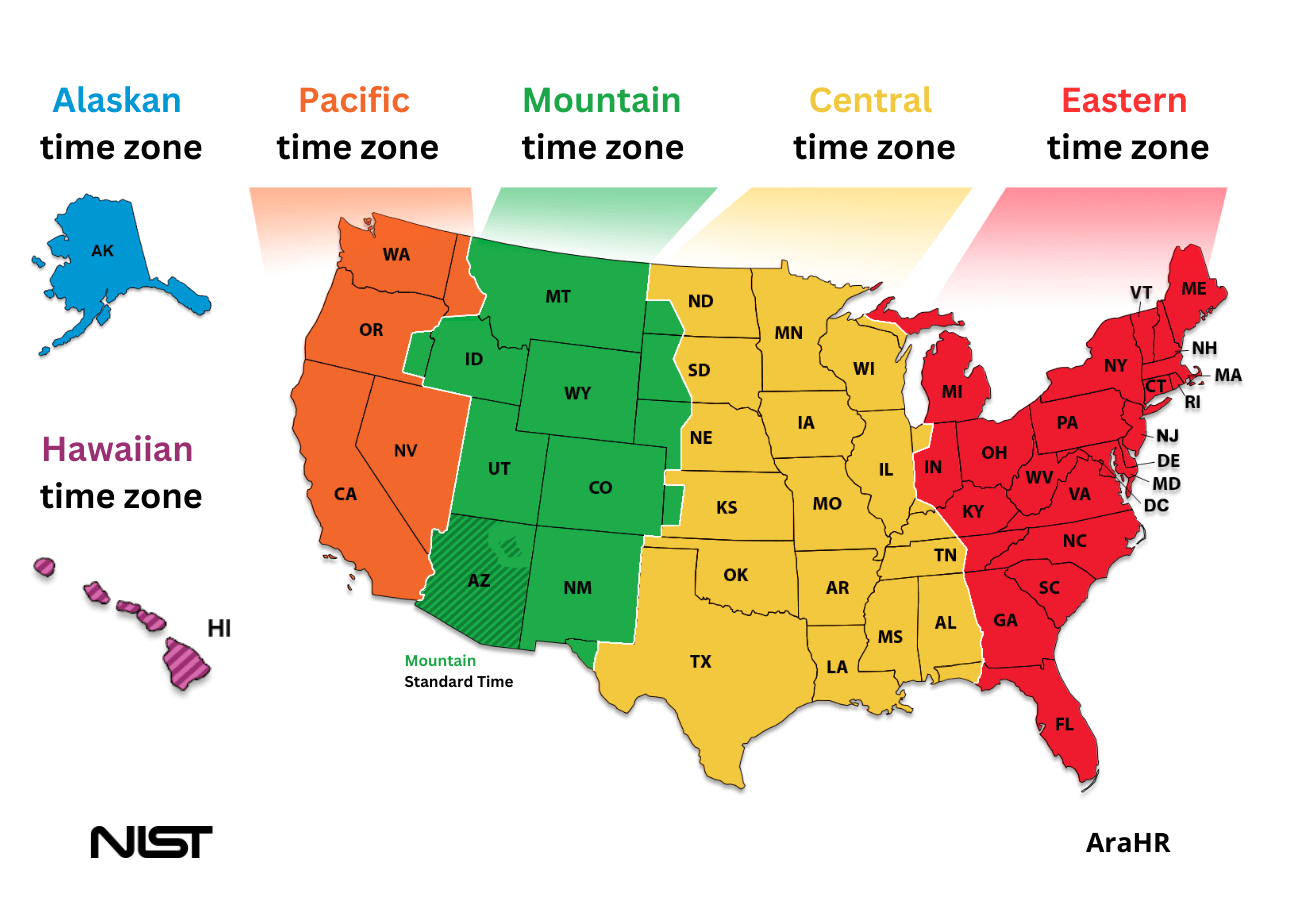
For travelers planning an adventure through the vast landscapes and vibrant cities of the Lone Star State, a seemingly simple question can lead to unexpected complexities: “Is Texas Eastern Time?” The short answer is no, not for the majority of the state. However, the full picture involves a fascinating geographical quirk that savvy travelers, business professionals, and long-term visitors to Texas need to understand to ensure a seamless experience. Far from being a mere footnote, grasping Texas’s time zone reality is crucial for everything from booking flights and hotel stays to planning cultural excursions and business meetings.
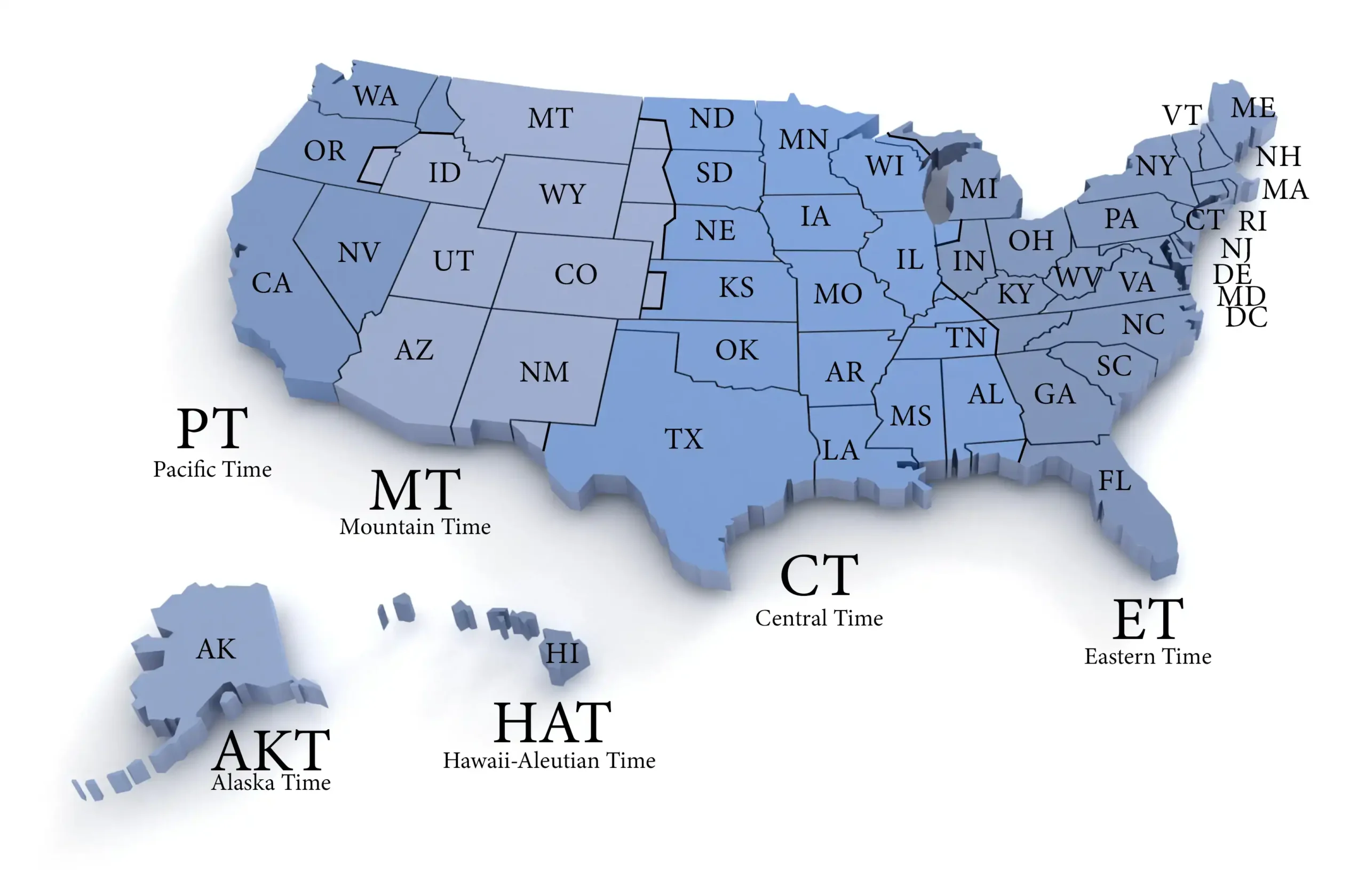
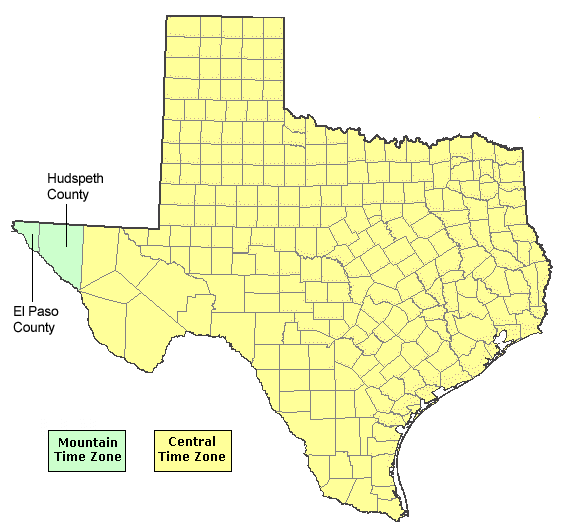
The state of Texas, renowned for its immense size and diverse regions, primarily operates on Central Standard Time (CST), which shifts to Central Daylight Time (CDT) during daylight saving periods. This covers major metropolitan areas such as Houston, Dallas, Austin, and San Antonio, home to bustling international airports, world-class hotels, and countless tourist attractions. However, a significant exception lies in the far western reaches of the state. Two counties, El Paso County and Hudspeth County, observe Mountain Standard Time (MST), transitioning to Mountain Daylight Time (MDT). This means that if you’re traveling from Houston to El Paso, you’ll gain an hour when heading west and lose an hour when returning east, a critical detail often overlooked by those unfamiliar with the state’s expansive geography. This dual-time zone setup is a unique characteristic that adds another layer of planning for those embarking on a comprehensive Texas itinerary.
Navigating Time Across the Lone Star State: Practical Travel Insights
Understanding the time zone split within Texas is more than just academic knowledge; it has tangible implications for various aspects of travel, accommodation, and lifestyle experiences. Whether you’re a first-time visitor or a seasoned traveler, incorporating this awareness into your planning can prevent delays, missed connections, and unnecessary stress.
Planning Your Itinerary and Bookings
One of the most immediate impacts of Texas’s time zones is on travel planning, particularly regarding flights and ground transportation. When booking flights, it’s essential to verify the time zone of your destination airport. For instance, a flight arriving at Dallas/Fort Worth International Airport (DFW) or George Bush Intercontinental Airport (IAH) in Houston will operate on Central Time. In contrast, if your final destination is El Paso International Airport (ELP), you’ll be landing in Mountain Time. Failing to account for this one-hour difference can lead to confusion regarding arrival and departure times, potentially affecting connecting flights or pre-arranged pickups.
For those embarking on a grand Texas road trip, the time zone change occurs officially at the Hudspeth County line, as you drive west from Van Horn towards El Paso. This often catches travelers by surprise, particularly if they haven’t manually updated their devices. It can affect everything from estimated arrival times at your next hotel or resort to coordinating meet-ups with friends or family. Awareness is key, especially if you have tight schedules or appointments. For train and bus travel, schedules are usually explicitly stated with local times, but a quick double-check can save you from an early or late arrival.
Accommodation and Business Travel Considerations
The implications extend directly to accommodation bookings. Check-in and check-out times at hotels, apartments, or villas are always based on the local time of the property. Imagine booking a stay at a resort near Big Bend National Park (mostly CST) and then extending your trip to a luxury hotel in El Paso (MST). You’ll need to adjust your internal clock for arrival and departure times, ensuring you don’t miss a late check-out or arrive too early for check-in. Major hotel chains like Marriott, Hilton, or Hyatt operate on strict local time policies, and understanding this can prevent unnecessary charges or delays. For those utilizing accommodation booking platforms, verifying the time zone of the property in relation to your own schedule is a vital step.
For business travelers, time zone awareness is paramount. A critical conference call scheduled for 9:00 AM CST in Dallas would be 8:00 AM MST for a colleague in El Paso. Miscommunication can lead to missed meetings, delayed projects, and a perception of unreliability. Professionals frequently traveling across the state for client meetings, site visits, or conferences must be meticulous in their scheduling. Even a one-hour shift can impact productivity and the flow of a business trip, making accurate time-keeping a crucial element of a successful stay. This applies equally to long-term stays for professionals or digital nomads who need to maintain consistent communication with teams located in different parts of the country or the world.
Experiencing Texas: Culture, Activities, and the Clock
Beyond logistics, time zones subtly influence how travelers experience the diverse culture, vibrant activities, and natural beauty that Texas offers. From dining out to visiting iconic landmarks, the clock plays a silent but significant role.
Dining, Nightlife, and Attractions
Imagine planning a romantic dinner reservation at a trendy restaurant in Austin’s South Congress Avenue (CST) or enjoying the vibrant nightlife in Houston’s Montrose district. All these activities are scheduled according to Central Time. If you’ve just driven in from El Paso without adjusting your clock, an 8:00 PM reservation might feel like 7:00 PM to your body, potentially leading to early arrivals or a slight sense of disorientation. Similarly, understanding bar closing times or the start of live music gigs is crucial for fully immersing yourself in the local scene.
Visiting iconic Texas attractions also requires time zone consideration. The Alamo in San Antonio, the Space Center Houston, or the Fort Worth Stockyards National Historic District all adhere to Central Time for their opening and closing hours, as well as scheduled tours and shows. If your trip involves exploring the rugged beauty of Big Bend National Park (predominantly CST, but bordering MST areas) and then moving towards the Franklin Mountains State Park in El Paso (MST), you’ll encounter a time shift that could impact your ability to catch a specific ranger program or experience a sunset hike at an optimal time. For nature photographers, understanding sunrise and sunset times in different time zones is essential for capturing that perfect shot without rushing.
Festivals, Events, and Lifestyle
Texas is famous for its vibrant festivals and events, from Austin’s South by Southwest (SXSW) and Austin City Limits Music Festival to the Houston Livestock Show and Rodeo. All these major events meticulously follow the local Central Time. Imagine the disappointment of missing a key concert or a rodeo performance because of a time zone miscalculation. For family trips, coordinating children’s nap times and activity schedules across a time zone change can be particularly challenging, demanding careful planning to avoid meltdowns.
Even the broader lifestyle aspects of travel, whether luxury travel or budget travel, are subtly influenced. Those indulging in luxury experiences might have pre-booked spa treatments, private tours, or exclusive dining experiences, all of which are time-sensitive. Budget travelers relying on public transport or timed entry tickets to attractions also need to be equally vigilant. The small detail of a time zone difference can ripple through an entire day’s plan, underscoring the importance of staying informed and adjusting your schedule accordingly.
Tips for a Seamless Texas Time-Zone Transition
To ensure your Texas adventure is as smooth as possible, here are some actionable tips for managing the state’s dual time zones:
1. Set Your Devices to Automatic Time Zone Updates
Most modern smartphones, smartwatches, and laptops are equipped to automatically update to the local time zone when they detect a change in location. Ensure this feature is enabled on all your essential devices. However, don’t rely solely on this, especially when crossing the Central Time to Mountain Time boundary in West Texas, as cellular service can be spotty. A manual check against a reliable clock (like one in a public building or confirmed by a local) is always a good idea.
2. Double-Check All Booking Confirmations
When booking flights, hotels, rental cars, or tour packages, always verify the time zone specified in the confirmation. If a time is listed without a time zone (e.g., “Check-in at 3:00 PM”), assume it’s local time but don’t hesitate to call the establishment directly if you have any doubts, especially if your itinerary involves crossing the time zone boundary. This applies to every aspect, from hotel suite reservations to villa rental key pick-up times.
3. Communicate Clearly
If you are coordinating with friends, family, or business contacts across the time zones, always specify the time zone. Instead of saying “Let’s meet at 10 AM,” say “Let’s meet at 10 AM CST” or “10 AM MST.” This eliminates ambiguity and ensures everyone is on the same page, crucial for both business stays and casual meet-ups.
4. Build in Buffer Time
When planning transitions between the two time zones, especially if you have critical appointments, flights, or events, always build in a generous buffer. An extra hour can account for unexpected delays, allow time for your internal clock to adjust, and prevent the stress of rushing. This is particularly valuable when visiting remote attractions or nature landmarks where punctuality might be less forgiving.
5. Be Mindful of “Mini Jet Lag”
While a one-hour time difference might seem negligible compared to international travel, some individuals are more sensitive to even minor disruptions in their circadian rhythm. Adjusting your sleep schedule slightly the night before crossing the time zone can help. Hydration and light exposure can also aid in quicker adjustment, especially for family trips where children might be more affected.
Embracing the Diversity of Texas Travel
The question “Is Texas Eastern Time?” opens up a broader conversation about the state’s incredible geographical diversity and the practical considerations for anyone exploring its vastness. While primarily operating on Central Time, the existence of a Mountain Time zone in its far western reaches is a unique feature that adds character to the Lone Star State.
Far from being an inconvenience, understanding and accounting for these time zones can enrich your travel experience. It encourages a deeper look into the geography and allows for more meticulous planning, leading to a smoother, more enjoyable journey. Whether you’re chasing the vibrant city lights of Dallas and Houston, soaking in the history of San Antonio, enjoying the live music of Austin, or exploring the rugged beauty of West Texas near El Paso, a grasp of local time is a valuable tool in your travel toolkit. So, go forth and explore, but always keep an eye on the clock – Texas time, of course!