
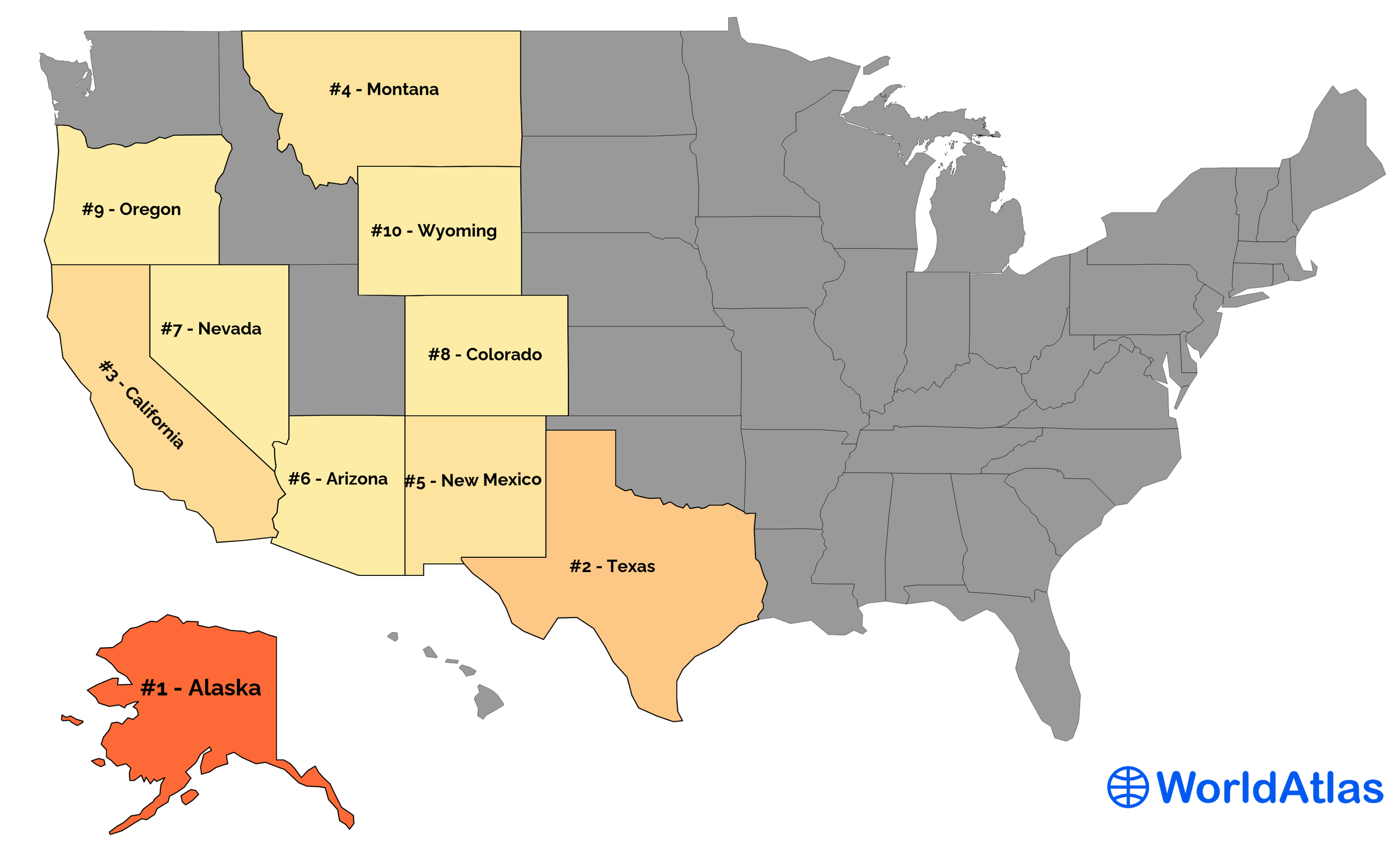
For many, the sheer mention of Texas conjures images of vast open spaces, larger-than-life personalities, and an undeniable sense of grandeur. It’s a state synonymous with bigness, from its sprawling cattle ranches to its towering urban skylines, from its hearty cuisine to its independent spirit. This pervasive perception often leads to a common misconception: that Texas is the largest state in the United States of America (USA). While it is undeniably immense and a significant player on the national stage, the simple answer to whether Texas holds the title of the USA’s biggest state is no. That honor belongs to Alaska.

However, dismissing Texas as merely the second-largest state by area in the contiguous USA (and the second-most populous overall) would be a disservice to its profound impact and diverse offerings. Its vastness is not just a statistical fact; it’s an intrinsic part of its identity, shaping everything from its geography and climate to its vibrant culture and the incredible range of travel experiences it provides. This article delves into the true scale of Texas, exploring why it feels so big, what makes it an unparalleled destination for travelers, and how its immense size translates into a wealth of attractions, accommodations, and lifestyle opportunities.
The Giant Among Giants: Dispelling the Myth and Appreciating the Scale
The perception of Texas as the largest state is a testament to its imposing presence. It’s an easy mistake to make, especially when considering the sheer driving distances required to traverse it or the incredible diversity of its internal landscapes. But the data tells a different story, one that still highlights Texas’s significant size.
A Matter of Square Miles: Texas vs. Alaska
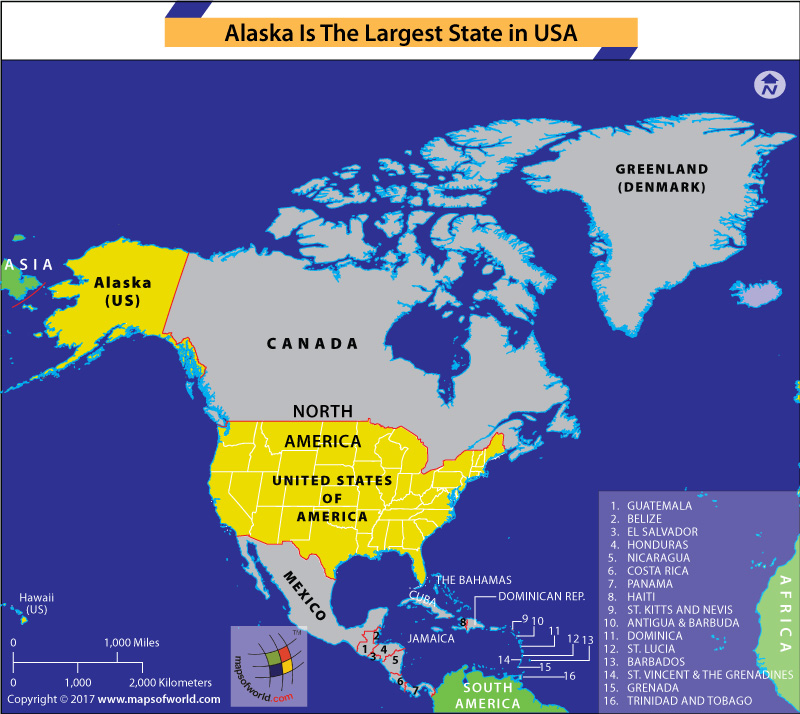
To set the record straight, Alaska reigns supreme as the largest state in the USA, boasting a colossal 663,300 square miles. This includes its vast land area and extensive water bodies, much of which remains untouched wilderness. In comparison, Texas spans approximately 268,596 square miles. While this figure places it a distant second to Alaska, it makes Texas the largest state in the “lower 48” or the contiguous United States. This distinction is crucial, as Alaska’s geographic separation from the rest of the country often leads people to overlook it in casual discussions about state sizes.
Historically, before Alaska achieved statehood in 1959, Texas was indeed the largest state. This legacy, combined with its strong cultural identity and independent spirit, contributes to the lingering perception. For many Americans, particularly those who haven’t ventured far beyond the continental borders, Texas remains the ultimate benchmark for vastness.
The Scale of Texas: Understanding its Vastness
Even without the top spot, Texas’s size is staggering. To put its 268,596 square miles into perspective: it is larger than many European countries combined, including France (247,000 sq mi) or Spain (195,000 sq mi). If Texas were an independent nation, it would rank among the top 40 largest countries in the world.
For travelers, this translates into an experience unlike almost any other within the USA. Driving from El Paso in the far west to Beaumont on the eastern border is a journey that can easily take 12-14 hours, traversing different time zones and multiple distinct geographical regions. This vastness means that exploring Texas requires careful planning, often necessitating focused regional travel or embarking on extensive road trips that become experiences in themselves. It’s a land where one can truly feel the expansive horizon, where cities can be hundreds of miles apart, and where the natural landscape shifts dramatically with each passing region.
A Tapestry of Landscapes and Experiences
The sheer size of Texas is not merely a number; it is the foundation for an incredible diversity of natural landscapes, vibrant urban centers, and unique cultural experiences. From sun-drenched beaches to rugged mountain peaks, and from bustling metropolitan hubs to quaint historic towns, Texas truly offers a microcosm of the United States. This makes it an ideal destination for various types of tourism, appealing to those seeking adventure, relaxation, cultural immersion, or business opportunities.
From Coastal Plains to Mountain Ranges
Texas’s geography is remarkably varied, traditionally divided into seven distinct natural regions, each offering its own allure for visitors.
- The Gulf Coast: Stretching along the Gulf of Mexico, this region is characterized by its sandy beaches, bustling port cities, and abundant wildlife. Galveston offers historic charm and family-friendly beaches, while Corpus Christi is a haven for water sports and home to the Padre Island National Seashore, the longest undeveloped barrier island in the world. Visitors can enjoy fresh seafood, explore nature preserves, or relax by the ocean.
- Piney Woods: In East Texas, this region is a stark contrast to the coast, dominated by dense forests, numerous lakes, and slow-moving rivers. It’s a paradise for outdoor enthusiasts, offering opportunities for hiking, fishing, boating, and camping. The Big Thicket National Preserve showcases incredible biodiversity.
- Hill Country: Perhaps one of the most beloved regions, the Texas Hill Country is known for its rolling hills, clear spring-fed rivers (like the Frio and Guadalupe), charming small towns, and burgeoning wine industry. Austin, the state capital, and San Antonio, with its rich history, anchor this region. Fredericksburg, a town with strong German heritage, is a popular spot for wine tasting and exploring antique shops. Enchanted Rock State Natural Area offers unique geological formations for hiking and stargazing.
- South Texas Plains: Stretching south towards the Rio Grande, this region is characterized by its semi-arid brushland, significant agricultural areas, and rich Tex-Mex culture. It’s a major birdwatching destination and offers a glimpse into ranching life.
- Big Bend Country: In the far west, this remote and rugged region is home to Big Bend National Park, one of the least visited and most spectacular national parks in the USA. Here, the Chisos Mountains rise dramatically from the Chihuahuan Desert, offering incredible hiking, stargazing, and river activities along the Rio Grande. The quirky art town of Marfa also resides here, famous for its unexplained lights and minimalist art installations.
- Panhandle Plains: The northernmost region, the Texas Panhandle, features flat plains and dramatic canyons, most notably Palo Duro Canyon State Park, often called the “Grand Canyon of Texas.” This area is steeped in cowboy heritage and ranching culture, with Amarillo serving as its main urban center.
- Prairies and Lakes: This central region is characterized by fertile blackland prairies, rolling hills, and numerous man-made lakes, making it popular for boating and fishing. It encompasses much of the Dallas-Fort Worth Metroplex.
This vast geographical spread translates into a wealth of experiences, from adrenaline-pumping outdoor adventures to tranquil escapes, ensuring that every traveler can find their niche.
Major Metropolises and Charming Towns
Texas isn’t just about natural beauty; its cities are vibrant centers of commerce, culture, and entertainment, each with its own distinct personality. The state is home to several of the largest cities in the USA, offering a wide array of hotels, resorts, and accommodations to suit every preference.
- Houston: The largest city in Texas and the fourth largest in the USA, Houston is a global city known for its energy industry, diverse population, and booming culinary scene. It’s home to the NASA Johnson Space Center, a major landmark for space enthusiasts, and a thriving Arts District with world-class museums. Visitors can find everything from luxury hotels like the Four Seasons Houston to boutique accommodations in areas like Montrose.
- Dallas: A hub of business, fashion, and culture, Dallas offers an urban sophisticated experience. Its downtown Arts District is one of the largest in the country, featuring the Dallas Museum of Art and the Nasher Sculpture Center. Shopping, fine dining, and entertainment abound. The city boasts numerous high-end hotels and suites, catering to both business travelers and luxury tourists.
- San Antonio: Steeped in history and rich in Hispanic culture, San Antonio is a top tourist destination. It’s famous for The Alamo, a pivotal site in the Texas Revolution, and the picturesque River Walk, lined with shops, restaurants, and hotels. The city also features a UNESCO World Heritage Site, the San Antonio Missions National Historical Park, preserving five historic Spanish missions. Boutique hotels and charming B&Bs are popular choices here.
- Austin: The self-proclaimed “Live Music Capital of the World,” Austin is known for its vibrant music scene, progressive culture, and beautiful outdoor spaces. From paddleboarding on Lady Bird Lake to exploring the South Congress Avenue shops and food trucks, Austin offers a unique blend of urban cool and natural beauty. It’s also a hub for technology and innovation, attracting a diverse range of visitors.
- Fort Worth: Often seen as Dallas’s more traditionally Texan counterpart, Fort Worth proudly embraces its Western heritage. The Stockyards National Historic District offers daily cattle drives, rodeos, and classic honky-tonk bars, providing an authentic Old West experience.
Beyond the major cities, hundreds of smaller towns dot the Texas landscape, each with its own character. From the German heritage of Fredericksburg and New Braunfels to the historic dance hall of Gruene and the artistic enclave of Marfa, these towns offer charming boutique hotels, cozy B&Bs, and unique local experiences that are perfect for long-term stays or weekend getaways.
Planning Your Texas Adventure: Travel, Culture, and Stays
Navigating a state as expansive and diverse as Texas requires a thoughtful approach to travel planning. From immersing oneself in the local culture to selecting the perfect accommodation, understanding the nuances of the Lone Star State will enhance any visit.
Embracing the Lone Star State’s Culture and Cuisine
Texas boasts a distinct and celebrated culture, a melting pot of Southern hospitality, Western ruggedness, and a strong Hispanic influence. This unique blend is palpable in its traditions, music, and especially its food.
- Culinary Delights: No trip to Texas is complete without indulging in its legendary cuisine. From slow-smoked Texas BBQ, often considered an art form, to the vibrant flavors of Tex-Mex dishes like fajitas, enchiladas, and breakfast tacos, the food scene is a major attraction. Chili con carne, the official state dish, is another must-try. Beyond these staples, cities like Houston and Dallas offer a sophisticated array of international and fine dining options.
- Music and Entertainment: Texas has deeply influenced American music, particularly country, blues, and Tejano. Live music venues are plentiful, especially in Austin, and visitors can experience authentic Texas dance halls in towns like Gruene. Rodeos, high school football games, and state fairs (like the iconic State Fair of Texas in Dallas) offer quintessential Texan experiences.
- Western Heritage: Embrace the cowboy culture through visits to historic ranches, attending a rodeo, or exploring the Stockyards in Fort Worth. Many establishments offer genuine Western wear and souvenirs.
Accommodation Choices Across Texas
Given its size and variety of destinations, Texas offers a vast spectrum of accommodation options to fit every budget and travel style.
- Luxury Hotels and Resorts: Major cities like Dallas, Houston, and Austin boast an impressive selection of five-star hotels and resorts offering world-class amenities, spas, and gourmet dining. Think JW Marriott properties, Ritz-Carltons, and high-end boutique hotels that blend local charm with modern comforts.
- Boutique Stays and Historic B&Bs: For a more personalized and charming experience, the Hill Country towns like Fredericksburg or the historic districts of San Antonio offer numerous bed and breakfasts housed in beautifully restored historic buildings. These provide unique insights into local culture and often come with exceptional service.
- Family-Friendly Options: Many cities and resort areas cater to family trips with resorts featuring water parks, kids’ clubs, and spacious suites. Vacation rentals and apartments are also excellent choices for families or larger groups, offering more space and flexibility.
- Budget Travel and Outdoor Stays: For those on a tighter budget or seeking outdoor adventures, Texas has plenty of options. Chain hotels are ubiquitous, and state parks offer abundant camping and cabins, providing an affordable way to experience the state’s natural beauty. When booking accommodation, it’s always advisable to use comparison sites and read reviews to find the best fit for your needs.
Navigating the Vastness: Travel Tips for Texas
Exploring Texas effectively means understanding its unique logistical challenges and opportunities.
- Vehicle is King: Public transportation between cities is limited, making a rental car or personal vehicle almost essential for exploring the state comprehensively. Factor in long driving times and plan for fuel stops, especially in rural areas.
- Strategic Planning: Due to the immense distances, it’s often best to focus on one or two regions per trip rather than attempting to see the entire state. A week in the Hill Country and San Antonio could be one trip, while another could be dedicated to Dallas, Fort Worth, and the Piney Woods.
- Seasonal Considerations: Texas weather varies dramatically by region and season. Summers can be intensely hot, particularly in West Texas and the Gulf Coast. Spring (March to May) brings wildflowers to the Hill Country and pleasant temperatures statewide, while fall (September to November) offers cooler weather perfect for outdoor activities. Always check local forecasts.
- Road Trip Essentials: For longer drives, pack plenty of water, snacks, and entertainment. Many smaller towns offer unique roadside attractions and eateries, making stops part of the adventure.
In conclusion, while Texas may not officially hold the title of the biggest state in the USA, its spirit, its landscape, and its offerings are undeniably colossal. Its “bigger than life” persona is well-earned, rooted in its incredible geographical diversity, its rich cultural tapestry, and the boundless opportunities it presents for travelers. Whether you’re seeking urban sophistication, wild natural beauty, a taste of authentic Western heritage, or a culinary adventure, Texas promises an expansive and unforgettable experience that will leave you convinced of its monumental presence. So, pack your bags and prepare to explore the vast and vibrant heart of the Lone Star State – a destination where everything truly does feel a little bit bigger.