
The question “Is Texas the South?” is far more complex than a simple yes or no, sparking lively debates among historians, geographers, and travelers alike. Often dubbed a “state of mind” rather than merely a geographical location, Texas proudly stands at the crossroads of multiple American identities: Southern, Southwestern, and even a distinct entity unto itself. For those embarking on travel adventures or seeking unique tourism experiences, understanding this multifaceted identity is key to truly appreciating the Lone Star State. Its vast landscapes, from the humid pine forests of East Texas to the arid deserts of the west, mirror a diversity of cultures, histories, and lifestyles that challenge easy categorization.
Exploring Texas means encountering a blend of traditions and influences that differentiate it from its neighbors. While it shares deep historical and cultural ties with states like Louisiana, Arkansas, and Oklahoma – often considered unequivocally Southern – Texas also boasts a profound Hispanic heritage due to its proximity to Mexico and its past as a Spanish and Mexican territory. This rich tapestry creates an identity that is uniquely Texan, a vibrant mix that savvy travelers seek to uncover.
The Geographical and Historical Lens
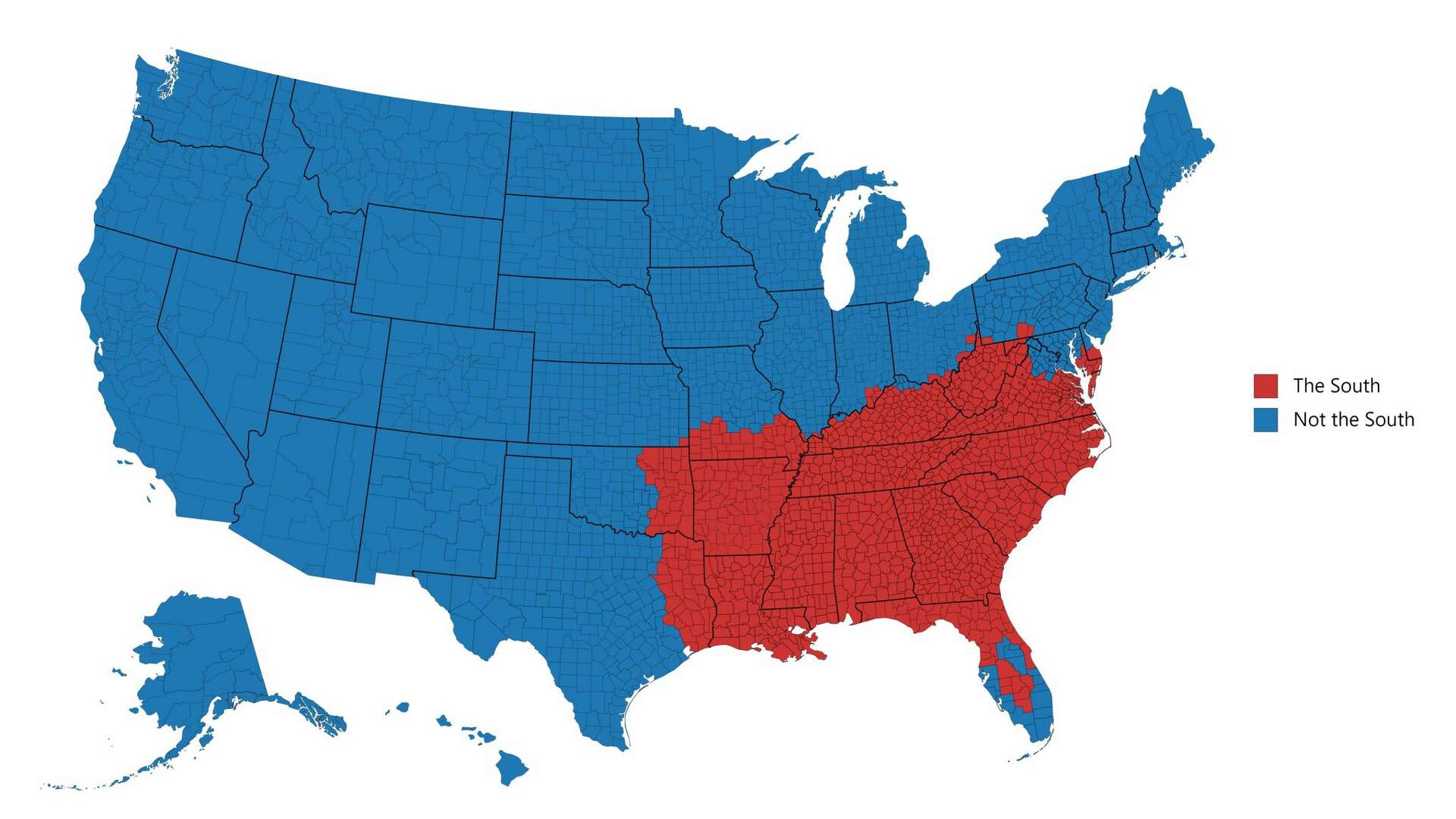
To dissect whether Texas is the South, we must first consider its geography and its tumultuous history. Geographically, the eastern part of Texas undeniably shares traits with the Deep South: lush, humid forests, bayous, and a climate similar to Louisiana and Mississippi. As one ventures westward, the landscape dramatically transforms into the arid plains and desertscapes characteristic of the American Southwest. This vastness means Texas doesn’t fit neatly into a single geographical box.
Historically, Texas’s journey is fraught with pivotal moments that shaped its identity. Prior to joining the United States, it existed as the Republic of Texas, a period that instilled a fiercely independent spirit. Its decision to secede from the Union and join the Confederacy during the Civil War is a significant historical link to the South. This chapter profoundly influenced its social structure, political leanings, and cultural development, particularly in East Texas, where antebellum plantations and traditions were more prevalent.

However, the state’s proximity to Mexico and its Tejano heritage introduce a distinct cultural layer that is not typically found in other Southern states. Cities like San Antonio and El Paso, with their Spanish colonial architecture and strong Mexican influences, offer a different flavor of history and local culture. San Antonio, home to The Alamo and the vibrant San Antonio River Walk, embodies this fusion, providing a rich backdrop for historical exploration and unique experiences.
Cultural Crossroads: A Tapestry of Influences
The cultural fabric of Texas is perhaps the most compelling argument against a singular Southern identity. It is a true melting pot, where diverse traditions intermingle to create something entirely unique.
Culinary Delights: Beyond Southern Comfort
When it comes to food, Texas boasts a culinary scene that transcends typical Southern comfort food. While Southern staples like fried chicken, collard greens, and pecan pie can certainly be found, especially in the eastern regions, Texas’s culinary identity is largely defined by its legendary barbecue and Tex-Mex cuisine. The state is a pilgrimage site for barbecue aficionados, with iconic joints from Austin to Lockhart serving up brisket, ribs, and sausage that rival any in the nation. Tex-Mex, a fusion of Mexican and American flavors, is a cuisine unto itself, distinct from authentic Mexican fare or Southwestern dishes found further west. Think sizzling fajitas, cheesy enchiladas, and copious amounts of chips and salsa – all integral to the Texan dining experience. This unique gastronomic profile offers a specific type of local culture experience for food-focused travelers.
Music, Arts, and Language: A Distinctive Voice
The musical landscape of Texas is similarly diverse. While country music and gospel have deep roots, especially in East Texas, the state is also the birthplace of blues legends and boasts a vibrant independent music scene, particularly in Austin, the “Live Music Capital of the World.” Tejano music, with its accordion-driven polkas and heartfelt ballads, adds another layer, reflecting the strong Mexican heritage. The distinct Texas accent, often described as a slower, more deliberate drawl, shares some characteristics with Southern dialects but often incorporates a unique cadence and vocabulary influenced by Western and border cultures. This rich artistic tapestry provides endless attractions for those interested in cultural tourism.
Political and Social Landscape: A Conservative Bent with Unique Nuances
Politically, Texas is often seen as a bastion of conservatism, aligning it with many Southern states. However, its brand of conservatism frequently emphasizes individual liberty, limited government, and a strong sense of self-reliance, which can be traced back to its frontier heritage and independent streak. While socially conservative elements are strong, particularly outside the major metropolitan areas, the state’s booming urban centers like Dallas, Houston, and Austin are increasingly diverse and politically dynamic, reflecting national trends and offering a more progressive counter-narrative. This creates an interesting dichotomy, where traditional Southern values coexist with rapidly modernizing urban lifestyles.
Texan Lifestyle: Beyond the Stereotypes
The Texan lifestyle is often caricatured by cowboys, oil barons, and grand ranches, and while these elements are certainly part of its identity, the reality is far more nuanced.
Ranching, Rodeos, and Rustic Charm
The iconic image of Texas as a land of ranches and rodeos holds true in many parts of the state, particularly in the Hill Country and western plains. The Stockyards National Historic District in Fort Worth is a prime example, offering daily cattle drives, rodeo shows, and a glimpse into cowboy culture. For visitors seeking an authentic Texan experience, many ranches now offer accommodation options, from rustic cabins to luxurious ranch resorts, providing a unique blend of adventure and comfort. This type of lifestyle offers a distinctive travel experience that differs significantly from what one might find in, say, Charleston or Savannah.
Urban Sophistication and Modernity
Yet, the urban centers of Texas tell a different story. Dallas and Houston are sprawling metropolises that rival any major city in the United States in terms of business, arts, fashion, and dining. Houston is home to the NASA Johnson Space Center, a globally recognized landmark and a testament to the state’s forward-thinking embrace of technology and innovation. Dallas offers world-class museums like the Sixth Floor Museum at Dealey Plaza and vibrant arts districts, along with luxurious hotels and fine dining. These cities cater to a wide range of lifestyles, from luxury travel to business stays, challenging the notion of a monolithic “Southern” identity.
Outdoor Adventures and Natural Wonders
Beyond its cities and ranches, Texas offers an incredible array of outdoor attractions. From the rugged peaks and breathtaking canyons of Big Bend National Park and Guadalupe Mountains National Park in the west to the tranquil lakes and rivers of the Hill Country, adventure seekers will find plenty to explore. The Gulf Coast provides miles of beaches, from the historic charm of Galveston to the wildlife-rich shores of Padre Island National Seashore. These diverse natural destinations offer a range of experiences for family trips, budget travel, or simply reconnecting with nature, showcasing a geography that is far more varied than most Southern states.
Travel and Tourism in the Lone Star State
For those planning to visit, Texas offers an unparalleled variety of travel destinations and tourism experiences. Whether you’re interested in history, culture, outdoor adventure, or urban sophistication, there’s a Texan journey waiting for you.
Iconic Landmarks and Unique Attractions
The state is dotted with iconic landmarks that tell its story. Beyond The Alamo and the San Antonio River Walk, visitors can explore the Texas State Capitol in Austin, a magnificent architectural feat, or delve into presidential history at the George W. Bush Presidential Center in Dallas. For fans of popular culture, a visit to Magnolia Market at the Silos in Waco offers a unique retail and lifestyle experience, while the legendary Southfork Ranch near Dallas harks back to the heyday of the “Dallas” TV series. Each of these sites provides a different window into the Texan identity, inviting travelers to discover its multifaceted charm.
Accommodation Options: From Historic Hotels to Modern Resorts
Accommodation in Texas is as diverse as its landscape. Visitors can choose from historic hotels like The Driskill Hotel in Austin or the Hotel Galvez & Spa in Galveston, which offer a glimpse into the past with modern amenities. For those seeking luxury, resorts in the Hill Country provide spa treatments, golf courses, and exquisite dining. Urban centers boast a wide array of suites and modern hotels, catering to both business stays and family trips. For a truly unique experience, consider booking a stay at a working ranch or a charming bed and breakfast in a historic town like Fredericksburg. Reviews and comparison sites can help travelers find the perfect fit for their budget and preferences.
Experiencing Local Culture: Tips for Travelers
To truly experience the Texan spirit, engage with the local culture. Attend a high school football game, an almost religious experience in many communities. Visit a local dance hall for a two-step lesson. Explore the small towns and their unique festivals, which celebrate everything from wildflowers to German heritage (in places like New Braunfels). Don’t shy away from striking up conversations with locals – Texans are known for their hospitality and willingness to share their stories. For tips on maximizing your tourism experience, consider guided tours that focus on specific aspects of Texan life, be it a barbecue trail tour, a historical walking tour of San Antonio, or an art gallery hopping adventure in Houston.
The Verdict: More Than Just a Simple Answer
So, is Texas the South? The most accurate answer is that it’s complicated, and perhaps, delightfully so. While East Texas undeniably embodies many characteristics of the traditional South – from its dialect and cuisine to its historical ties and political leanings – the sheer size and diversity of the state prevent a blanket classification.
Texas is a proud amalgamation of Southern charm, Southwestern ruggedness, and a powerful, independent spirit born from its frontier past and its time as a republic. It is a place where cowboy boots and business suits coexist, where Tex-Mex and barbecue are revered, and where a distinctly Texan identity triumphs over simple regional labels. For the discerning traveler, this ambiguity is not a weakness but its greatest strength, promising a journey of discovery unlike any other. Whether you perceive it as Southern, Southwestern, or simply Texan, the Lone Star State offers an endlessly fascinating array of destinations, attractions, and experiences that make it a compelling subject for travel, tourism, and genuine cultural exploration. Its unique blend of history, culture, and natural beauty makes it a must-visit for anyone looking to understand the diverse heart of the United States.
LifeOutOfTheBox is a participant in the Amazon Services LLC Associates Program, an affiliate advertising program designed to provide a means for sites to earn advertising fees by advertising and linking to Amazon.com. Amazon, the Amazon logo, AmazonSupply, and the AmazonSupply logo are trademarks of Amazon.com, Inc. or its affiliates. As an Amazon Associate we earn affiliate commissions from qualifying purchases.