
For many travelers venturing into the vast and vibrant landscapes of Texas, the question of legality surrounding various substances, particularly those derived from hemp, can be a perplexing maze. As the world of cannabis derivatives evolves, newcomers like THCA (Tetrahydrocannabinolic Acid) have entered the scene, bringing with them a unique set of legal interpretations that significantly impact both residents and visitors alike. Whether you’re planning a thrilling getaway to Austin, a historical tour in San Antonio, a business trip to Dallas, or a coastal escape to Galveston, understanding the nuances of Texas’ THCA laws is crucial for a smooth and worry-free experience. This article delves into the intricate legal status of THCA in the Lone Star State, offering insights for those exploring its attractions, booking accommodations, and immersing themselves in its unique culture and lifestyle.
Understanding THCA and the Legal Landscape in Texas
The legal status of THCA in Texas is often misunderstood, largely due to its close chemical relationship with Delta-9 THC, the primary psychoactive compound in cannabis. To navigate this complex terrain, it’s essential to first grasp what THCA is and how federal and state laws intersect.
What Exactly is THCA?
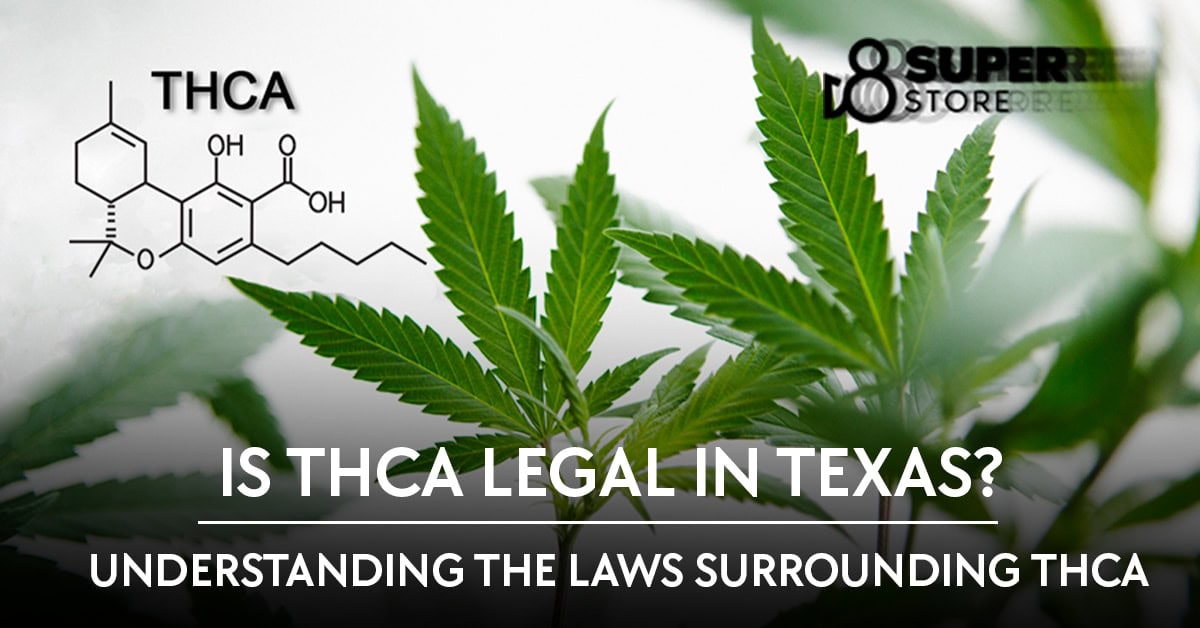
THCA, or Tetrahydrocannabinolic Acid, is a non-intoxicating cannabinoid found in raw, unprocessed cannabis plants. Unlike Delta-9 THC, THCA does not produce a “high” when consumed in its raw form. The magic happens through a process called decarboxylation, which typically occurs when the plant material is heated (e.g., smoking, vaping, or cooking). This heat causes the THCA to convert into Delta-9 THC, thereby unlocking its psychoactive effects. In essence, THCA is the precursor to Delta-9 THC, meaning that while raw cannabis might be rich in THCA, it only becomes intoxicating after decarboxylation.
This distinction is fundamental to its legal standing. Legislators and regulators often focus on the total Delta-9 THC content, which includes the potential for THCA to convert. However, specific language in laws can create loopholes or gray areas regarding THCA itself before it’s heated. For travelers accustomed to different cannabis laws in other states or countries, this scientific detail becomes a critical legal point in Texas.
The 2018 Farm Bill and Hemp in Texas
The cornerstone of THCA’s murky legal status lies with the 2018 Farm Bill, a federal law in the United States that legalized hemp cultivation and products. This bill defined hemp as cannabis plants containing less than 0.3% Delta-9 THC on a dry weight basis. Crucially, the Farm Bill did not specifically mention THCA. This omission created a significant gray area, as many hemp-derived products can have high levels of THCA but still fall below the 0.3% Delta-9 THC threshold before heating.
Texas adopted its own hemp program, generally aligning with the federal Farm Bill. The state’s House Bill 1325 (2019) legalized hemp cultivation and the sale of hemp-derived products, provided they meet the federal Delta-9 THC limit. However, the interpretation of “total THC” has been a point of contention. Some interpretations argue that the 0.3% limit should apply to the total potential Delta-9 THC (meaning THCA converted to Delta-9 THC), while others adhere strictly to the Delta-9 THC content at the time of testing.
Currently, products containing THCA are generally considered legal in Texas as long as their Delta-9 THC content remains below the 0.3% threshold. This means that raw hemp flower or other products rich in THCA but low in Delta-9 THC are often available for purchase. This legal landscape is dynamic, with ongoing legislative efforts and court cases constantly shaping its future. For anyone visiting Texas, staying informed about the most current regulations is paramount, as what is permissible today might change tomorrow. The Texas Department of Agriculture oversees the state’s hemp program, and their guidelines are the ultimate reference point.
Navigating THCA Products as a Traveler in Texas
For tourists exploring the diverse attractions and vibrant cities of Texas, understanding where to find THCA products and the potential pitfalls is crucial for a smooth and legal visit. The unique legal framework means that what might be commonplace in one state could carry different implications here.
Where Can You Find THCA Products?
As the legality of THCA products hinges on their Delta-9 THC content remaining below 0.3%, they are often sold in a variety of retail settings that also carry CBD products. Travelers might encounter THCA items in:
- Dedicated Hemp and CBD Stores: These specialized shops are the most common places to find THCA flower, vapes, edibles, and concentrates. Cities like Austin and Houston, known for their progressive cultures, often have numerous such establishments. They typically pride themselves on knowledgeable staff and readily available Certificates of Analysis (COAs) to verify Delta-9 THC levels.
- Smoke Shops and Head Shops: Many traditional smoke shops have expanded their inventory to include hemp-derived products, including THCA. These can be found in popular tourist areas near landmarks like Sixth Street in Austin or the San Antonio Riverwalk.
- Convenience Stores and Gas Stations: In some areas, particularly outside major urban centers, you might find a limited selection of THCA or other hemp-derived products in convenience stores. However, the quality and transparency of products in these venues can vary.
- Online Retailers: While visiting, travelers might also consider purchasing from online vendors that ship to Texas. This offers a broader selection, but it’s important to choose reputable retailers that provide third-party lab testing results to ensure compliance with Texas law.
When purchasing, always ask for lab reports (COAs) to confirm the Delta-9 THC percentage. Reputable vendors will have these available, often via a QR code on the packaging. As a tourist, it’s wise to stick to established, well-reviewed businesses to minimize any risk.
Potential Risks and Considerations for Visitors
Despite the seemingly clear guidelines, the legal landscape for THCA can be a minefield for the uninformed traveler. Several factors warrant caution:
- Legal Gray Areas and Enforcement: The interpretation of “total THC” is still debated, and while products might be sold legally, law enforcement’s understanding or discretion can vary. What might pass unnoticed in Austin could draw more scrutiny in a more conservative county. Being found with a substance that could convert to Delta-9 THC might lead to unwanted interactions, even if the product technically complies with current state law.
- Traveling with THCA Products: This is perhaps the biggest risk for tourists. While possession might be legal within Texas under specific conditions, crossing state lines, especially by air, poses a significant federal risk. Federal law enforcement, including the TSA at airports like Dallas Fort Worth International Airport or George Bush Intercontinental Airport, operates under federal law, where cannabis (including high-THCA hemp that could convert) remains federally illegal. Even if a product is perfectly legal in Texas, taking it on a plane could result in severe penalties. It is strongly advised not to travel with THCA products on flights or across state borders.
- Accommodation Policies: Hotels, resorts, and rental properties (like those listed on platforms for villas or apartments) in Texas often have strict no-smoking policies and may prohibit the use of cannabis products, regardless of their legal status. Even if THCA is legal, using it in your room at a Grand Hyatt Hotel or a JW Marriott Hill Country Resort could lead to fines, eviction, or other issues. Always check the specific accommodation’s rules regarding cannabis use.
- Public Consumption: Even if a THCA product is legal to possess, public consumption is generally frowned upon and can lead to public intoxication charges or other disturbances. This applies to iconic spots like The Alamo, the San Antonio Riverwalk, or even outdoor events near the State Capitol Building. Enjoy Texas’ vibrant attractions responsibly and discreetly.
For any traveler, the safest approach is to exercise extreme caution, prioritize research, and err on the side of compliance. When in doubt, it’s always best to refrain from purchasing or consuming THCA products to ensure your travel experience in Texas remains untroubled.
The Impact on Texas Tourism and Lifestyle
The evolving legal status of THCA and other hemp-derived cannabinoids has a tangible impact on the tourism industry and the broader lifestyle in Texas. It presents both opportunities for local businesses and considerations for visitors seeking to immerse themselves in the state’s unique offerings.
THCA and the Local Economy
The burgeoning hemp industry, encompassing products like THCA, has carved out a significant niche in the Texas economy. This sector contributes to job creation, agricultural development, and retail growth. In major cities and even smaller towns like the Gruene Historic District, you’ll find dedicated shops that cater to this market, drawing both locals and curious tourists.
- Retail and Specialization: The proliferation of hemp and CBD stores, many of which now stock THCA products, reflects a growing consumer demand. These businesses contribute to local tax revenues and often become part of the unique shopping experiences visitors seek. For instance, a trip to Austin might involve browsing a boutique hemp shop just as readily as exploring a vintage clothing store.
- Agricultural Impact: The legalization of hemp has provided a new cash crop for Texas farmers, diversifying the state’s agricultural output. While THCA is a derivative, its existence directly supports the cultivation of hemp plants that meet the legal Delta-9 THC thresholds.
- Accommodation Policies and Trends: While most hotels, resorts, and short-term rentals strictly prohibit smoking or illicit drug use, some are beginning to adapt to the reality of legal hemp products. This might manifest as clearer guidelines on vaporizer use, or a growing understanding among staff regarding the difference between hemp and illicit cannabis. However, visitors should never assume permissibility and always verify policies with their specific accommodation, whether it’s a luxury suite in Houston or a quaint villa in a smaller town.
This economic shift means that for some visitors, exploring the local hemp scene might become part of their tourism itinerary, adding another layer to the diverse attractions Texas offers, from the vibrant arts of Austin to the historical depth of San Antonio.
Experiencing Texas: Culture, Cuisine, and Cannabis Laws
Texas is renowned for its distinct culture, world-class cuisine, and unforgettable experiences. From the rodeo thrills of the Houston Livestock Show and Rodeo to the serene beauty of Big Bend National Park or the beaches of South Padre Island, there’s an adventure for every traveler. Navigating these experiences while being aware of THCA laws requires discretion and respect for local norms.
- Responsible Consumption: While THCA products may be legally available, the public consumption of any cannabis-like product can still be met with disapproval or legal action, especially in family-friendly or historic locations. Tourists enjoying a stroll along the Congress Avenue Bridge to watch the bats, visiting Space Center Houston, or having fun at the Kemah Boardwalk should always practice discretion. This is part of responsible tourism, ensuring that one’s personal choices do not negatively impact the experience of others or violate local decorum.
- Local Etiquette: Texas culture values hospitality and respect. Being mindful of local attitudes towards hemp products, particularly in more conservative areas, is important. While cities like Austin might have a more relaxed stance, regions near Fort Worth Stockyards National Historic District or Southfork Ranch might have different social expectations.
- Integration into Lifestyle Choices: For those who incorporate hemp products into their personal wellness or lifestyle, Texas offers the unique challenge of balancing personal preference with legal boundaries and social norms. This might involve enjoying THCA products privately at an approved accommodation or choosing edibles over smokable forms to maintain discretion. The goal is to enhance the travel experience without encountering legal complications.
Ultimately, experiencing the best of Texas means embracing its rich heritage, diverse landscapes, and unique contemporary facets, including its evolving legal framework. By staying informed and acting responsibly, travelers can enjoy everything the Lone Star State has to offer without unnecessary legal worries.
Conclusion
The question of “Is THCA legal in Texas?” reveals a nuanced answer. While the state’s hemp laws generally align with the 2018 Farm Bill, permitting the sale and possession of products with less than 0.3% Delta-9 THC, the status of THCA itself resides in a complex legal gray area, particularly concerning its potential conversion to Delta-9 THC upon heating. This intricate legal landscape has significant implications for both Texas residents and the many tourists who flock to experience its vibrant cities, stunning natural beauty, and unique cultural attractions.
For travelers, the key takeaways are clarity, caution, and compliance. While THCA products are widely available in stores across Texas, particularly in urban hubs like Austin and Houston, visitors must remain acutely aware of the potential risks. These include varying interpretations by law enforcement, strict policies at accommodations, and, most critically, federal prohibitions on interstate and air travel with any cannabis-derived products, regardless of state legality. A seemingly innocent purchase could lead to significant legal troubles, especially at points of departure such as Dallas Fort Worth International Airport or George Bush Intercontinental Airport.
The growth of the hemp industry, including THCA products, undeniably impacts Texas’ local economy, from agriculture to specialized retail. However, for those looking to enjoy the rich culture, delectable cuisine, and iconic landmarks like The Alamo or the San Antonio Riverwalk, responsible and discreet consumption is paramount. Staying informed about the latest regulations, checking the policies of hotels and resorts, and exercising sound judgment are essential steps to ensure a memorable and problem-free journey through the Lone Star State. Ultimately, for a worry-free experience in Texas, when in doubt, it is always safest to err on the side of caution.