
The Lone Star State, renowned for its expansive landscapes, vibrant cities, and rich cultural tapestry, is also a popular destination for a diverse range of travelers. Whether you’re exploring the historic streets of San Antonio, seeking adventure in the vast plains of West Texas, or enjoying the cosmopolitan buzz of Dallas, understanding local regulations is paramount to a smooth and enjoyable experience. As the legal landscape surrounding cannabis continues to evolve, a common question arises for those planning trips or residing in Texas: “Is THCA legal in Texas in 2025?” This article aims to demystify the current status of THCA in Texas, particularly in the context of travel and accommodation, offering insights for both visitors and locals.
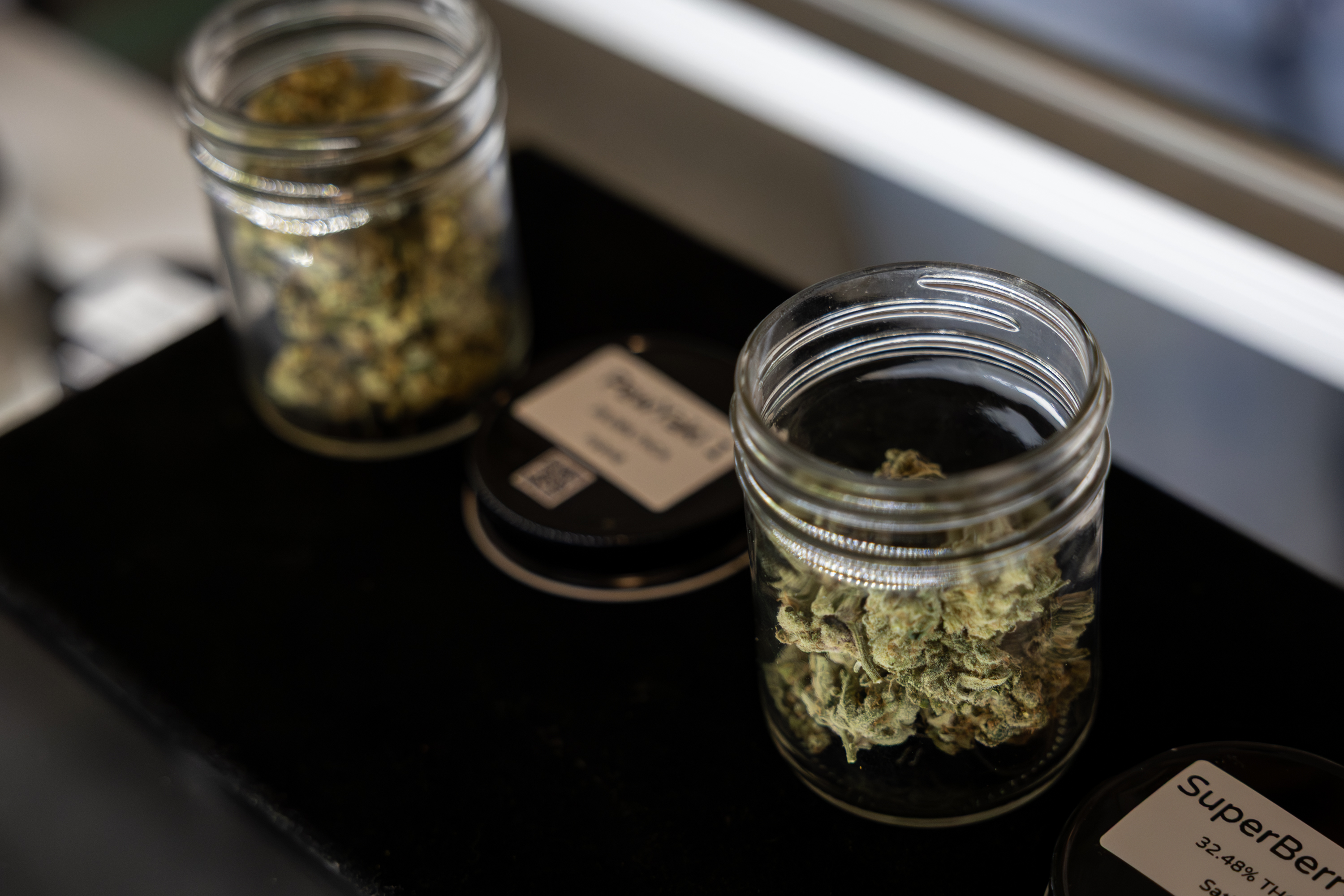
The conversation around cannabis legality in Texas has been a complex and often evolving one. While the state has made strides in certain areas, such as the expansion of the low-THC cannabis program, it remains one of the more conservative states regarding marijuana. This has led to a degree of confusion, especially with the emergence of compounds like THCA, which has garnered significant attention. For travelers, understanding these nuances is crucial, whether you’re booking a stay at a luxury resort in the Hill Country or a budget-friendly apartment in Austin.
Understanding THCA: The Non-Psychoactive Precursor
Before delving into the specifics of Texas law, it’s essential to understand what THCA is and how it differs from THC (delta-9-tetrahydrocannabinol), the primary psychoactive compound in cannabis.
What is THCA?
THCA, or Tetrahydrocannabinolic Acid, is the acidic precursor to THC. It is found in raw, unheated cannabis plants. In its natural state, THCA does not produce the intoxicating “high” associated with marijuana. This is because its molecular structure is different, preventing it from binding effectively to the CB1 receptors in the brain that are responsible for the psychoactive effects.
The transformation of THCA into THC occurs through a process called decarboxylation. This typically happens when cannabis is heated, such as during smoking, vaping, or cooking. When you consume raw cannabis, you are consuming THCA. However, when cannabis is processed for recreational or medicinal use, the THCA is converted into THC, which then leads to the psychoactive effects.
This distinction is critical when considering the legality of cannabis-derived products, particularly those derived from hemp. The 2018 Farm Bill federally legalized hemp, defined as cannabis plants containing less than 0.3% delta-9 THC by dry weight. This legislation has created a loophole for certain cannabis-derived products, including those containing THCA, which are often marketed as hemp-derived and therefore federally legal. However, state laws can and do differ.
THCA Legality in Texas: The Nuances of State Law
The legal status of THCA in Texas is a question that hinges on how the state interprets federal guidelines and its own existing cannabis regulations. Texas has a strict approach to cannabis, and while the legal landscape is slowly shifting, it’s essential to stay informed.
The Texas Compassionate Use Program and Hemp Laws
Texas has a limited medical marijuana program, known as the Texas Compassionate Use Program (TCUP). This program allows patients with specific qualifying medical conditions to obtain low-THC cannabis. However, TCUP is quite restrictive in terms of the conditions it covers and the THC content allowed, which is generally capped at 0.5% by weight. This program does not encompass recreational cannabis use or products with higher THC concentrations.
The legality of hemp-derived products in Texas is largely governed by the state’s adoption of the 2018 Farm Bill. This means that products derived from hemp, as long as they contain less than 0.3% delta-9 THC by dry weight, are technically legal. This is where THCA products often fall into a gray area. Since THCA itself is not psychoactive and becomes THC only upon heating, products sold as high-THCA hemp flower are often marketed as legal under this federal framework.
However, Texas law enforcement and regulatory bodies are increasingly scrutinizing these products. There have been instances where the state has seized or challenged the sale of certain hemp-derived products, even those that fall within the technical definition of legal hemp. The primary concern revolves around the potential for these products to be decarboxylated into THC, thus circumventing existing marijuana prohibition laws.
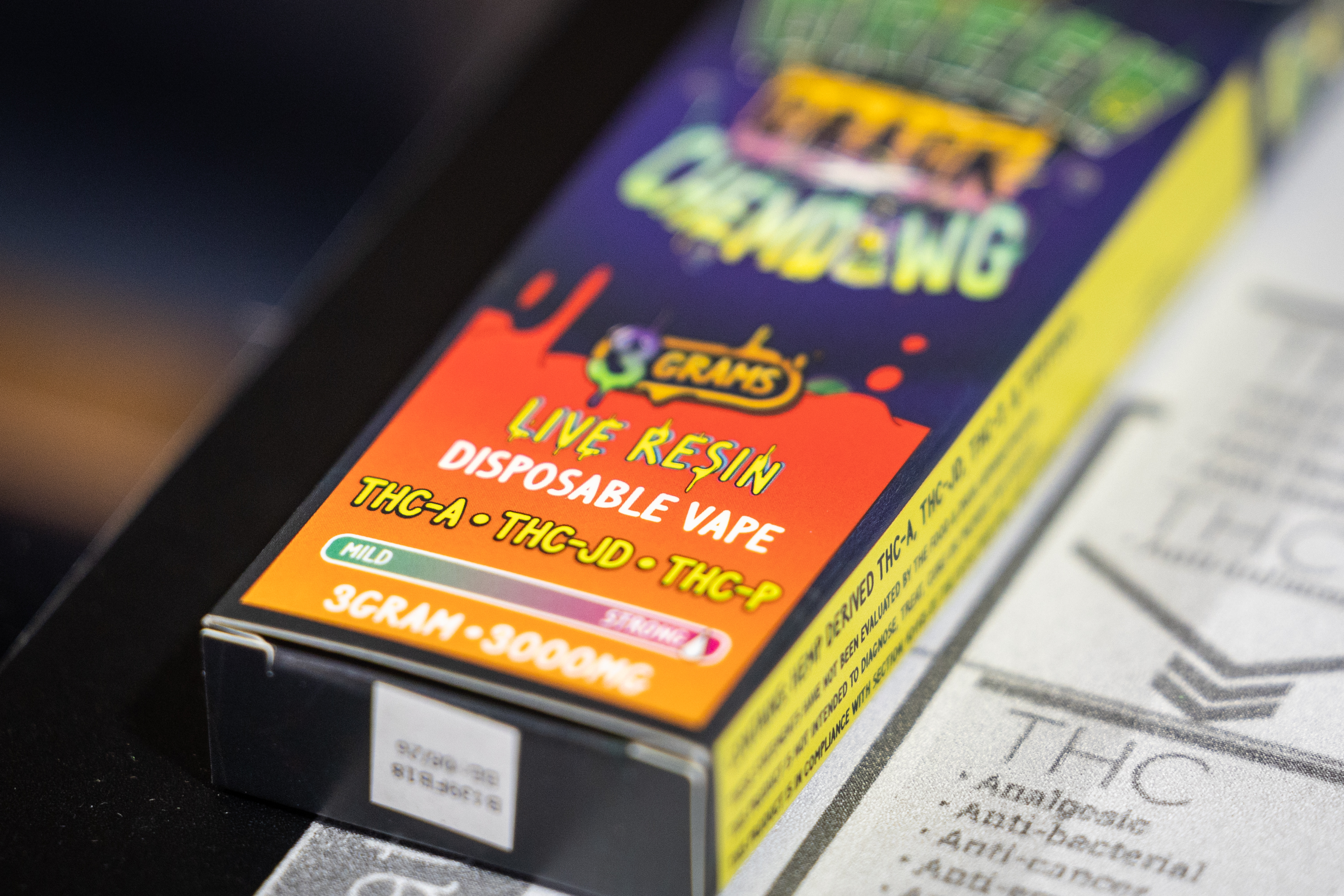
As of now, there is no explicit Texas law that specifically bans THCA derived from hemp that meets the federal <0.3% delta-9 THC threshold. This means that technically, products sold as THCA flower, edibles, or concentrates, derived from compliant hemp, are legal to possess and consume in Texas. However, this is a rapidly developing area, and it’s crucial to be aware of potential changes.
Navigating 2025: Anticipating Legal Shifts
Looking ahead to 2025, the legal status of THCA in Texas remains a topic of ongoing discussion and potential legislative action. While there haven’t been concrete legislative changes directly addressing THCA specifically, the broader cannabis conversation in Texas is continuing.
Several factors could influence the legal standing of THCA in 2025:
- Legislative Sessions: Texas legislative sessions are not annual. The next regular session will be in 2025. It is plausible that lawmakers will address the burgeoning market for hemp-derived cannabinoids, including THCA, to clarify existing laws or introduce new regulations.
- Enforcement Trends: Law enforcement agencies may become more proactive in how they interpret and enforce existing laws regarding cannabis and hemp-derived products. Increased seizures or legal challenges could signal a tightening of the reins, even without explicit new legislation.
- Federal Developments: While Texas can set its own state laws, significant federal changes regarding hemp or cannabis could also influence the state’s approach.
Given the conservative stance of Texas on cannabis, it is prudent for travelers and residents to err on the side of caution. While THCA derived from legally compliant hemp is technically not prohibited, the legal landscape can be unpredictable. It’s always advisable to stay updated on any legislative news or official pronouncements from Texas authorities regarding cannabis and hemp products.
Practical Advice for Travelers and Residents
For those planning a trip to Texas or residing within the state, understanding these legal nuances is vital. This advice extends to various aspects of your stay, from choosing your accommodation to planning your daily activities.
Travel and Accommodation Considerations
When traveling to Texas, particularly if you intend to bring or purchase any cannabis-derived products, it’s essential to be informed.
- Interstate Travel: Transporting cannabis products, even if legal in your departure state, across state lines into Texas can be a federal offense, as cannabis remains illegal under federal law. It is strongly advised not to transport any such products into Texas.
- Purchasing in Texas: If you choose to purchase THCA products within Texas, ensure they are from reputable sources that can provide documentation proving their compliance with the <0.3% delta-9 THC federal standard and Texas law. Look for lab results (Certificates of Analysis – COAs) from third-party testing facilities.
- Accommodation Policies: While state law may permit THCA, many hotels, motels, and rental properties have their own internal policies prohibiting the use or possession of any cannabis-related products on their premises. This is especially true for establishments like the JW Marriott San Antonio Hill Country Resort & Spa or independent villas that wish to maintain a family-friendly or broadly appealing environment. Always check the specific policies of your chosen hotel or accommodation before your stay. Failure to comply could result in eviction or other penalties imposed by the property owner.
- Public Consumption: Similar to marijuana, the consumption of THCA products in public places is generally prohibited and could lead to legal issues. Stick to private residences where permitted by the property owner.
Lifestyle and Exploration
Your lifestyle choices in Texas should always be guided by an awareness of local laws. This is true whether you are enjoying a luxury travel experience or a budget-conscious adventure.
- Responsible Consumption: If you choose to consume THCA products legally purchased within Texas, do so responsibly and in private. Be mindful of your surroundings and ensure you are not violating any local ordinances or property rules.
- Respect Local Culture: Texas has a diverse local culture, and understanding and respecting its norms is part of any enriching travel experience. This includes respecting its laws.
- Stay Informed: The cannabis legal landscape is in constant flux. Before your trip or for long-term stays, make it a habit to check official sources and reputable news outlets for any updates on cannabis and hemp laws in Texas. Websites of the Texas Department of Public Safety or the Texas Legislature can be good starting points for official information.
In conclusion, while the question “Is THCA legal in Texas in 2025?” can be answered with a technical “yes” for hemp-derived products meeting federal <0.3% delta-9 THC standards, it’s a complex situation that requires careful attention. The state’s conservative approach means that legal interpretations can be strict and subject to change. By staying informed, being cautious, and respecting local laws and property regulations, travelers and residents can navigate their experiences in Texas with confidence and avoid potential legal pitfalls. Whether you’re admiring the Alamo in San Antonio, enjoying the vibrant nightlife of Austin, or exploring the historic architecture of Galveston, a well-informed approach ensures a positive and memorable visit.