

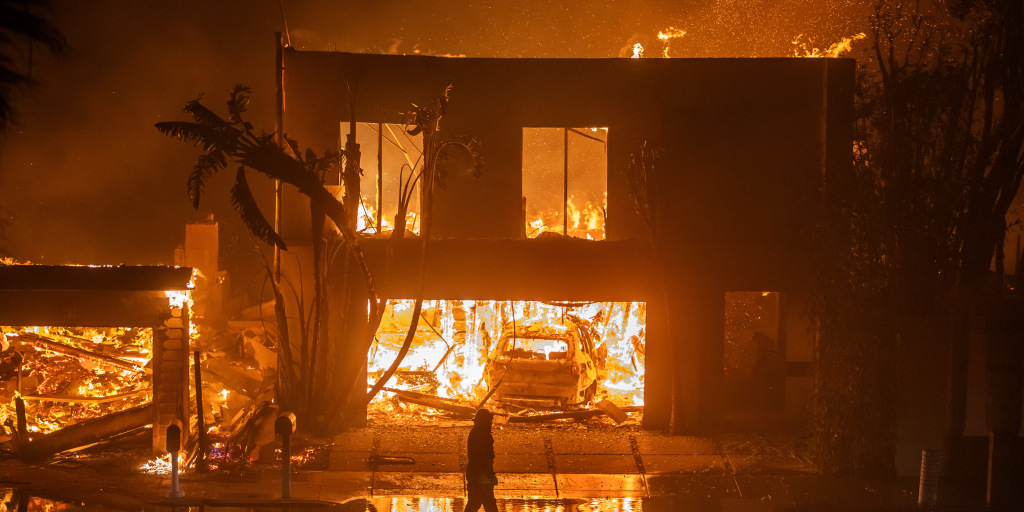
Wildfires in [California] are a complex, recurring natural phenomenon, deeply influenced by the state’s Mediterranean climate, long dry seasons, and the infamous [Santa Ana winds] in the south and [Diablo winds] in the north. While fires have always been a part of the ecological cycle here, recent seasons have seen an alarming increase in their intensity, duration, and destructive power. This escalation, often attributed to climate change, prolonged droughts, and historical land management practices, understandably raises questions about the safety and viability of [California] as a premier [travel] destination.
This article aims to provide a balanced perspective for prospective travelers, integrating insights on safety, [hotel] and [resort] operations, the protection of beloved [landmarks], and the enduring spirit of [California]’s [tourism] industry. Our goal is not to dismiss the challenges but to empower you with information, enabling you to plan a memorable and responsible [California] adventure, regardless of the season.
The Shifting Landscape of [California] Travel: Understanding Wildfire Dynamics
Understanding the nature of [California] wildfires is the first step in navigating their potential impact on your [travel] plans. It’s crucial to distinguish between widespread devastation and localized incidents, and to grasp how these events shape the evolving landscape of [California] [tourism].
[California]’s Unique Vulnerability and Climate Change
[California]’s geography and climate create a unique recipe for wildfires. The state experiences a distinct wet winter followed by a long, dry summer and fall. This annual cycle creates vast expanses of highly flammable vegetation, particularly in regions prone to chaparral, oak woodlands, and conifer forests. The combination of intense heat, low humidity, and strong winds can transform a small spark into a major conflagration with astonishing speed.Climate change has amplified these natural vulnerabilities. Warmer temperatures lead to earlier snowmelt, longer dry seasons, and increased evaporation from soils and plants, creating more arid conditions. This “fuel” for fires is becoming drier and more abundant. Additionally, extreme weather events, including intense heatwaves, are becoming more frequent, further exacerbating the risk. While [Northern California] often faces significant threats in forested areas, [Southern California] is particularly susceptible to the [Santa Ana winds] pushing fires rapidly towards densely populated coastal regions and mountain communities. Iconic areas like [Napa Valley] and [Sonoma Valley] have faced direct threats, impacting the region’s vital wine [tourism] and [lifestyle] experiences.
Despite these challenges, it’s important to remember that [California] is a vast state. A fire in one region does not mean the entire state is ablaze or unsafe. The vast majority of popular [destinations] and [attractions], from [Disneyland Resort] in [Anaheim] to the [Golden Gate Bridge] in [San Francisco], remain unaffected by direct fire activity. The primary concerns for travelers are usually related to air quality, road closures, and the psychological impact of seeing reports of distant fires.
Real-Time Information and Proactive Travel Planning
For travelers, the key to a stress-free [California] trip during wildfire season (typically summer and fall, but increasingly year-round) lies in proactive planning and staying informed. Relying on accurate, up-to-the-minute information is paramount.
Official sources are your best friends:
- [CalFire] (California Department of Forestry and Fire Protection): Provides comprehensive updates on active fires, containment, and alerts.
- National Park Service: Offers specific closure and advisory information for national parks like [Yosemite National Park], [Sequoia National Park], [Joshua Tree National Park], and [Death Valley National Park], which can be particularly vulnerable.
- Local County and City Emergency Services: For detailed, localized information, including evacuation orders and air quality reports.
- Road Condition Websites (e.g., Caltrans): Essential for checking highway closures and alternative routes, especially when planning scenic drives like the [Pacific Coast Highway].
Before you even book, consider the seasonality. While late spring and early summer often offer excellent weather and lower fire risk, shoulder seasons can present unique opportunities to explore with fewer crowds, but might coincide with higher fire potential in some years. Always check historical fire activity for your chosen [destination] and consider purchasing comprehensive [travel] insurance that covers unforeseen events and cancellations. This foresight aligns with a smart [lifestyle] approach to [travel], ensuring peace of mind.
Navigating Your [California] Adventure: Safety, [Hotels], and [Accommodation]
When planning your [California] adventure, integrating safety precautions and understanding the hospitality industry’s response to wildfires is key to a smooth journey. [California]’s vastness means that most areas remain open and welcoming, even during peak fire season elsewhere.

Prioritizing Safety: Before and During Your Trip
Your personal safety should be the top priority. Before departing, research the specific fire risk for your intended [destinations]. If you plan to visit natural areas, understand the local fire restrictions – for example, bans on campfires or certain types of outdoor cooking.
During your trip:
- Stay Informed: Continuously monitor local news and official alerts. Many hotels and local visitor centers will have up-to-date information.
- Air Quality: Smoke from distant fires can affect air quality. Check AQI (Air Quality Index) reports, especially if you have respiratory sensitivities. Many apps and websites provide real-time air quality data for specific locations. If air quality is poor, consider indoor [attractions] or modify outdoor plans.
- Evacuation Plans: While highly unlikely for most tourists, if you’re in an area that might be affected, know the local evacuation routes. Emergency services are highly organized in [California].
- Communication: Ensure your phone is charged, and consider carrying a portable power bank. Inform family or friends of your itinerary.
For those engaging in outdoor [activities] like hiking or camping, always carry water, a map, and a fully charged phone. Avoid remote areas during red flag warnings (high fire danger). Planning a family trip? Discuss these safety measures with all members, ensuring everyone understands the importance of awareness. [Budget travel] might involve more outdoor [accommodation] options, making fire safety even more critical.
The Resilience of [California]’s Hospitality Industry
[California]’s [hotels], [resorts], and [accommodation] providers are highly experienced in navigating wildfire seasons. They prioritize guest safety and often implement robust protocols to ensure a comfortable stay.- Emergency Preparedness: Most major [hotels] and [resorts], particularly those in fire-prone areas like [Malibu], [Santa Barbara], or near national parks, have detailed emergency action plans, including evacuation procedures and communication systems with local authorities.
- Air Filtration Systems: Many modern [hotels] have advanced HVAC systems with high-efficiency air filters to maintain excellent indoor air quality, even if there’s smoke in the vicinity. Luxury [resorts] often invest heavily in these amenities, ensuring a pristine environment for their guests.
- Flexibility and Communication: In the rare event that a fire directly impacts a booked [destination], many [hotels] and [accommodation] platforms offer flexible cancellation or rebooking policies. They are also proactive in communicating any potential disruptions to guests.
- Alternative [Destinations]: If one area is affected, [California]’s vastness means there are countless other equally appealing [destinations]. A resort in [Palm Springs] might be miles away from a fire affecting a coastal region, or a boutique [hotel] in [San Diego] would be entirely unaffected by an incident near [Lake Tahoe].
From luxury [suites] in [Beverly Hills] to charming vacation rentals in [Carmel-by-the-Sea], the industry remains committed to providing exceptional experiences. Even regions that have experienced fires in the past, such as parts of [Napa Valley], have shown remarkable resilience, rebuilding and reopening their world-class wineries and [resorts] with renewed vigor. This ongoing commitment ensures that [California] continues to be a top choice for travelers, offering diverse [lifestyle] options from opulent stays to more secluded nature retreats.
Preserving Iconic [Landmarks] and Sustaining [Tourism] in the Golden State
The allure of [California] is undeniable, thanks to its iconic [landmarks], stunning natural beauty, and vibrant cultural scene. The question of wildfires inevitably touches upon the preservation of these treasures and the long-term sustainability of [tourism].
Protecting Natural Wonders and Cultural Gems
[California] is home to some of [America]’s most revered natural [landmarks] and national parks. Areas like [Yosemite National Park] with its towering [El Capitan] and majestic waterfalls, the ancient giant sequoias of [Sequoia National Park], and the rugged coastlines of [Big Sur] are not just [destinations]; they are global treasures. While these areas are vulnerable to wildfires, significant resources are dedicated to their protection.- Fire Management Strategies: National parks and state parks employ sophisticated fire management strategies, including prescribed burns and fuel reduction efforts, to minimize risk and protect sensitive ecosystems and infrastructure.
- Rapid Response: When fires do occur, highly trained crews work tirelessly to contain them, often prioritizing the protection of key [landmarks] and visitor facilities.
- Temporary Closures: Occasionally, parks or sections of parks may close temporarily for visitor safety or to allow firefighting efforts. These closures, while inconvenient, are essential for preserving these invaluable assets for future generations. For example, parts of [Yosemite National Park] or [Pfeiffer Big Sur State Park] may experience temporary access restrictions.
Beyond natural wonders, [California] boasts an incredible array of cultural and historical [landmarks] and urban [attractions]. Cities like [Los Angeles] offer a dazzling array of experiences, from the historic [Hollywood] sign and the star-studded Walk of Fame to world-class museums like the [Getty Center] and family fun at [Universal Studios Hollywood]. [San Francisco] mesmerizes with the [Golden Gate Bridge], [Alcatraz Island], and vibrant neighborhoods. [San Diego] provides a relaxed coastal vibe with its famous zoo and pristine beaches. While urban areas are generally less directly threatened by wildfires, they can experience impacts from smoke, which is why [tourism] operators and city officials constantly monitor conditions to advise visitors. Even the historic grandeur of [Hearst Castle] on the [Central Coast], though less fire-prone, has stringent safety protocols.
Embracing Responsible [Tourism] and Community Support
The challenges posed by wildfires offer an opportunity for travelers to engage in more responsible and conscious [tourism]. Your choices can make a significant difference.
- Support Local Economies: When planning your trip, consider supporting local businesses in areas that have been affected by fires and are now in recovery. These communities rely heavily on [tourism] revenue to rebuild and thrive. For example, patronizing wineries in a recovering [Napa Valley] helps their resurgence.
- Follow Guidelines: Respect all local fire regulations and park guidelines. This includes properly disposing of cigarettes, adhering to campfire bans, and staying on marked trails. Your actions contribute directly to prevention.
- Choose Sustainable Operators: Look for [hotels], tour operators, and [attractions] that demonstrate a commitment to environmental sustainability and community engagement. Many [California] businesses are at the forefront of these efforts. This aligns perfectly with a responsible [lifestyle] choice.
- Be Flexible: Understand that unexpected events can occur. A flexible attitude and willingness to adapt your itinerary if necessary can significantly enhance your experience. Consider alternative [destinations] within [California] if your primary choice is impacted. Perhaps swapping a remote hiking trip for a city break in [San Diego] or exploring the desert landscapes of [Palm Springs].
The resilience of [California]’s communities is remarkable. Time and again, residents and businesses rebuild, demonstrating an unwavering spirit. The state continues to welcome millions of visitors each year, drawn by its unparalleled beauty, innovation (from [Silicon Valley] to [Hollywood]), and diverse [lifestyle] opportunities, from serene mountain retreats to bustling metropolitan escapes.
In conclusion, the question “Is the [California] fire getting worse?” is complex. While climate change and environmental factors present ongoing challenges, [California] and its robust [tourism] industry are adapting. For the informed, prepared, and responsible traveler, [California] remains an extraordinary [destination]. By staying updated, prioritizing safety, and choosing to support local communities, you can still embark on an unforgettable journey through a state that, despite its occasional trials, continues to shine as one of the world’s most captivating places. [California]’s spirit is defined not by its challenges, but by its enduring beauty and the resilience of its people.
LifeOutOfTheBox is a participant in the Amazon Services LLC Associates Program, an affiliate advertising program designed to provide a means for sites to earn advertising fees by advertising and linking to Amazon.com. Amazon, the Amazon logo, AmazonSupply, and the AmazonSupply logo are trademarks of Amazon.com, Inc. or its affiliates. As an Amazon Associate we earn affiliate commissions from qualifying purchases.