
California, a land of unparalleled beauty and diverse landscapes, beckons travelers with its sun-drenched beaches, majestic mountains, sprawling deserts, and vibrant cities. From the iconic Golden Gate Bridge in San Francisco to the star-studded streets of Los Angeles, and the serene vineyards of Napa Valley to the rugged coastline of Big Sur, the Golden State offers an endless array of experiences. However, California is also a state that experiences significant wildfire activity, particularly during its dry seasons. For those planning a trip, a critical question often arises: “Is the California fire still going?”
The answer to this question is rarely a simple yes or no, as it’s a dynamic situation that varies by region, season, and year. Wildfires are an intrinsic part of California’s ecosystem, but their increasing frequency and intensity, exacerbated by climate change and historical land management practices, have made them a prominent concern for residents and visitors alike. Understanding the nature of California wildfires, their impact on travel and tourism, and how to plan a safe and enjoyable trip is paramount for any discerning traveler. This guide aims to provide clarity, context, and actionable advice for exploring California responsibly, even amidst the challenges of fire season.

Understanding the Landscape: California’s Fire Season
California’s diverse topography and climate create conditions ripe for wildfires. The state’s Mediterranean climate, characterized by warm, dry summers and mild, wet winters, coupled with its vast expanses of chaparral, brush, and forests, sets the stage for annual fire seasons. While some fires are naturally occurring, many are sparked by human activity, power lines, or lightning.
A Dynamic Environment: Why Fires Occur
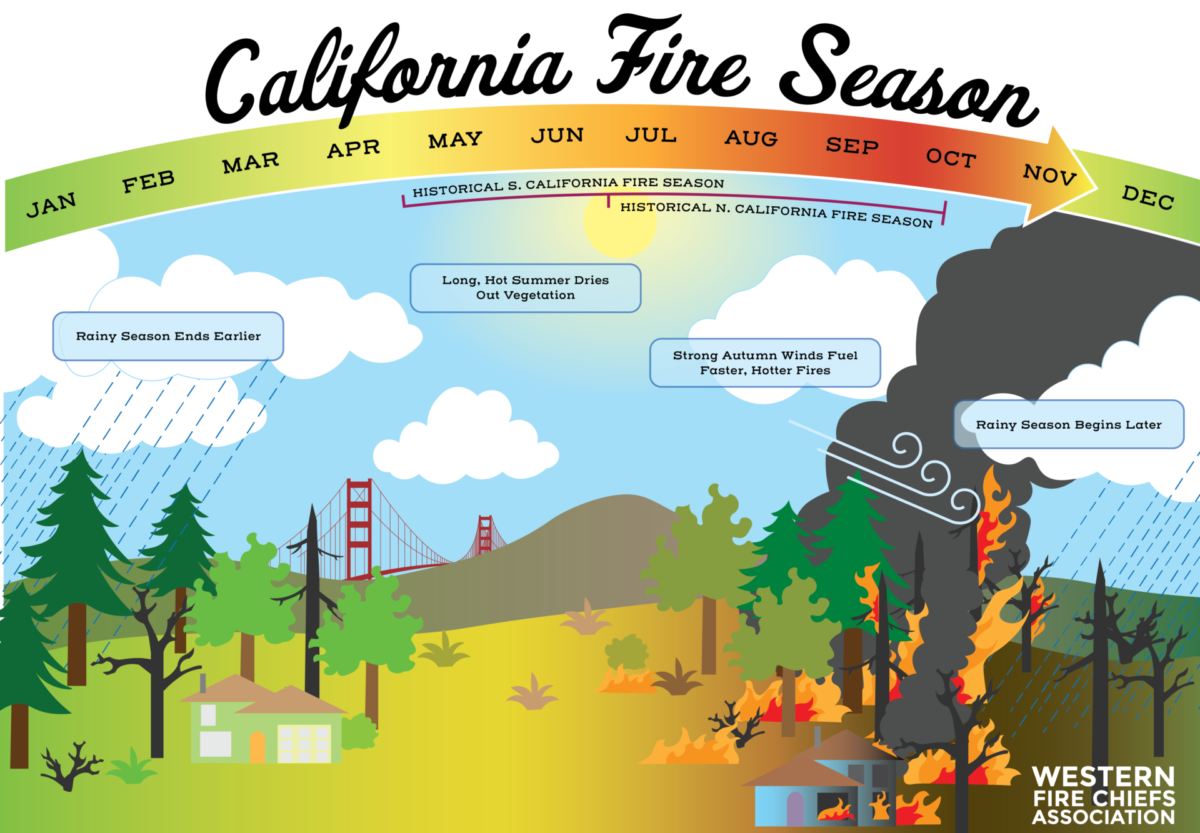
The primary drivers behind California’s wildfires are a complex interplay of environmental factors. Long periods of drought dry out vegetation, turning it into highly flammable fuel. Strong, dry winds, such as the Santa Ana winds in Southern California and the Diablo winds in Northern California, can fan small fires into raging infernos, spreading embers over vast distances and making containment extremely challenging. The interface between wildlands and urban areas, often referred to as the “wildland-urban interface” (WUI), further complicates matters, placing homes, businesses, and critical infrastructure at risk.
Moreover, years of fire suppression efforts, while initially intended to protect communities, have inadvertently led to an accumulation of dense, unhealthy vegetation. When fires do occur in these areas, they burn with unprecedented intensity, making them harder to control and more destructive. The rugged terrain of areas like the Sierra Nevada mountains and the coastal ranges also poses significant challenges for firefighters, limiting access and increasing the danger of operations.
The Rhythms of Fire: Seasonal Trends and Severity
Traditionally, California’s fire season runs from late spring through late autumn, peaking in late summer and early fall. However, recent years have seen a troubling expansion of this window, with significant fires occurring almost year-round. This extended season means that travelers must remain vigilant regardless of when they plan to visit.
The severity of fire season can fluctuate dramatically year-to-year, largely dependent on winter rainfall and subsequent vegetation growth. A wet winter might lead to lush growth, which, if followed by a dry, hot summer, becomes abundant fuel. Conversely, prolonged drought can make even sparse vegetation highly combustible. Areas prone to extreme fire risk often include the mountainous regions, the chaparral-covered hillsides of Southern California, and the forests of the north.
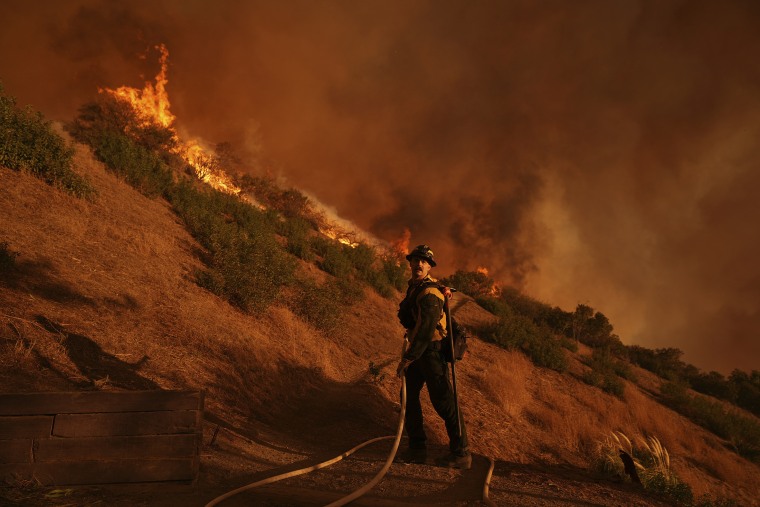
While wildfires are a serious concern, it’s crucial to understand that they affect specific, localized areas. A fire in Ventura County will likely have no direct impact on travel to San Diego or Mendocino. The vastness of California means that even during active fire periods, the vast majority of the state remains open and safe for travel. The key is to stay informed, be flexible with your plans, and prioritize safety above all else.
Navigating Travel: Impact on California Tourism
For the millions who flock to California each year, the question of wildfires naturally impacts travel considerations. The state’s robust tourism industry, spanning everything from luxury resorts to budget-friendly campgrounds, has adapted to these challenges, offering resources and guidance for visitors.
Assessing Safety and Accessibility for Travelers
The primary concern for any traveler should always be safety. During an active fire event, local authorities, including CAL FIRE, the National Park Service, and county emergency services, provide real-time information on fire perimeters, evacuation orders, road closures, and air quality. Before embarking on any trip, especially to wilderness areas or regions known for past fire activity, it’s essential to check these official sources. Websites and social media channels of CAL FIRE, county sheriff departments, and the California Department of Transportation (Caltrans) are invaluable resources.
Air quality can be a significant concern, even far from the actual fires. Smoke plumes can travel hundreds of miles, impacting visibility and respiratory health. Areas like Yosemite National Park or Lake Tahoe, while breathtaking, have occasionally experienced reduced air quality due to distant fires. Air quality index (AQI) forecasts are readily available online and through mobile apps, allowing travelers to make informed decisions about outdoor activities.
Road closures, particularly along scenic routes like the Pacific Coast Highway or through national forests, can significantly alter travel plans. Always check road conditions before heading out, especially if your itinerary involves driving through remote or mountainous regions. Flexibility is a traveler’s best asset during fire season; having alternative routes or destinations in mind can save a lot of stress. For instance, if a section of the Pacific Coast Highway near Big Sur is closed, considering a detour inland or focusing on coastal towns like Santa Barbara or Carmel-by-the-Sea might be a wise choice.
Accommodation and Booking Flexibility
When it comes to accommodation, the fire season necessitates careful planning and awareness. Hotels, resorts, apartments, and villas in or near fire-affected zones may face evacuation orders or closures. Many properties, especially those managed by large chains like Marriott International, Hilton Worldwide Holdings, Hyatt Hotels Corporation, or independent luxury retreats like Ventana Big Sur, An Alila Resort, have established protocols for guest safety, including emergency alerts and evacuation procedures. Travelers with bookings in potentially affected areas should confirm cancellation policies and consider travel insurance that covers fire-related disruptions. Many hotels and airlines offer waivers or flexible rebooking options during such emergencies.
For those planning long-term stays or considering booking options like vacation rentals through platforms, understanding the local ordinances and emergency response capabilities of their chosen location is crucial. Resorts, particularly those offering amenities like outdoor dining, spas, or golf courses, may adjust operations if air quality is poor or if there’s a nearby fire risk. For example, a stay at The Ritz-Carlton, Laguna Niguel might have different considerations than a wilderness cabin in the Redwood National and State Parks. Always contact your chosen accommodation directly for the latest updates.
Protecting California’s Iconic Landmarks and Natural Wonders
California is home to countless iconic landmarks, from natural wonders to historical sites and bustling urban attractions. While fires primarily threaten natural landscapes and rural communities, their impact can extend to areas vital for tourism. National parks like Yosemite National Park, Joshua Tree National Park, Sequoia National Park, and Kings Canyon National Park often face direct threats or closures due to fires. Efforts are made to protect ancient groves of giant sequoias, unique desert ecosystems, and vast wilderness areas, sometimes involving extensive firebreaks and specialized firefighting techniques.
Urban attractions like the Disneyland Resort in Anaheim, the museums of Los Angeles, or the architectural marvels of San Francisco are generally well outside immediate fire danger. However, they can still be affected by smoke and ash, prompting visitors to adjust outdoor activities or seek indoor alternatives. For example, a visit to Hollywood or Beverly Hills might shift from outdoor tours to indoor studio visits or shopping during periods of poor air quality. Even coastal communities like Malibu or Santa Monica can experience smoke plumes, affecting beach days or hiking plans. It’s about being informed and adaptable, allowing you to enjoy the vast majority of California’s offerings without unnecessary risk.
Responsible Travel and Community Resilience
Traveling to California during fire season doesn’t have to be daunting. With proper preparation and a mindful approach, you can still enjoy an incredible experience while contributing positively to the state’s resilience.
Supporting California’s Local Economies
One of the most powerful ways travelers can assist California during and after fire events is by continuing to visit and support local economies, provided it’s safe to do so. Many communities rely heavily on tourism, and a downturn in visitors can severely impact small businesses, hotels, restaurants, and local attractions. After a fire has been contained and an area declared safe, revisiting these communities helps them rebuild and recover. Spending money at local shops, dining at local eateries, and staying in locally owned accommodation helps inject much-needed funds into the affected regions.
Consider a trip to Sonoma County’s wine country after a fire, when the air is clear and the vineyards, though possibly singed in places, are still producing world-class wines. Or explore the natural beauty of Anza-Borrego Desert State Park or Death Valley National Park which are less impacted by typical forest fires. Even purchasing local products or engaging with community organizations dedicated to recovery efforts can make a meaningful difference. This form of responsible, conscious lifestyle travel strengthens the fabric of California’s diverse communities.
How Travelers Can Stay Informed and Prepared
Staying informed is your best defense against potential disruptions. Before and during your trip:
- Monitor Official Sources: Regularly check websites like CAL FIRE, the National Interagency Fire Center (NIFC), and local county emergency services.
- Air Quality: Use air quality monitoring sites (e.g., AirNow.gov) for real-time AQI data.
- Road Conditions: Check Caltrans (roads.dot.ca.gov) for highway closures and conditions.
- Park and Forest Closures: Verify the status of national and state parks, forests, and other natural areas through their official websites.
- Accommodation and Attractions: Contact your hotels, resorts, and planned attractions directly for specific updates. This is especially true for unique experiences, from a stay at Waldorf Astoria Beverly Hills to a luxury travel package in Napa Valley.
- Travel Insurance: Consider purchasing travel insurance that covers fire-related cancellations or interruptions.
- Emergency Kit: If planning a road trip or visiting remote areas, carry an emergency kit including water, snacks, first-aid, a full tank of gas, and a charged phone.
- Emergency Alerts: Sign up for local emergency alert systems in the regions you plan to visit, if available.
Sustainable Practices for a Greener Future
Beyond immediate fire safety, contributing to California’s long-term environmental health is another aspect of responsible travel. Embrace sustainable tourism practices, such as minimizing your carbon footprint, conserving water, respecting wildlife, and adhering to “Leave No Trace” principles. Support businesses committed to sustainability, from eco-friendly hotels to tour operators that prioritize environmental conservation. Learning about fire-wise landscaping and home hardening efforts in communities can also provide insight into how residents are adapting. By choosing destinations that prioritize environmental stewardship and making conscious choices as a traveler, you become part of the solution in fostering a more resilient and sustainable California.
In conclusion, while the threat of wildfires is a persistent reality in California, it does not diminish the state’s enduring appeal as a world-class travel destination. With careful planning, vigilance, and a commitment to responsible tourism, you can navigate the fire season safely and still create unforgettable memories. Stay informed, stay flexible, and embrace the spirit of resilience that defines the Golden State, from the bustling cities of Oakland and Long Beach to the pristine wilderness of Calaveras Big Trees State Park and the charming island getaway of Catalina Island. California awaits, ready to enchant those who explore it with thoughtfulness and respect.
LifeOutOfTheBox is a participant in the Amazon Services LLC Associates Program, an affiliate advertising program designed to provide a means for sites to earn advertising fees by advertising and linking to Amazon.com. Amazon, the Amazon logo, AmazonSupply, and the AmazonSupply logo are trademarks of Amazon.com, Inc. or its affiliates. As an Amazon Associate we earn affiliate commissions from qualifying purchases.