
California, a state synonymous with sun-drenched coastlines, towering redwoods, and iconic landmarks, is also, unfortunately, a region frequently impacted by wildfires. These conflagrations, often fueled by dry conditions and strong winds, can cast a shadow over even the most idyllic travel plans. For visitors and locals alike, understanding the current status of any significant fires is paramount to ensuring safety and making informed decisions about travel and outdoor activities. This article delves into how to ascertain if the “fire in California” is still going, focusing on the practicalities for those engaged in travel, tourism, and appreciating the state’s diverse landscapes and attractions.

Navigating Fire Information for Travelers
The dynamic nature of wildfires necessitates reliable and up-to-date information. For anyone planning a trip to or through California, staying informed about fire activity is not merely a matter of convenience but of critical importance. This section outlines the best resources and approaches to track wildfire status, ensuring a safe and enjoyable experience.
Real-Time Fire Tracking Resources
In the digital age, accessing real-time information about wildfires is more accessible than ever. Several official and reputable sources provide comprehensive data, maps, and updates. Understanding these resources allows travelers to proactively assess potential risks and adjust itineraries accordingly.
- Cal Fire Incident Information: The official website of Cal Fire is the primary source for information on wildfires within the state. It offers interactive maps displaying active incidents, containment percentages, acreage burned, and evacuation orders. For those concerned about specific regions, such as near Los Angeles or the Sierra Nevada, checking the Cal Fire map can provide immediate clarity.
- InciWeb: Incident Information System: Managed by the National Wildfire Coordinating Group, InciWeb provides incident information for wildfires across the United States, including those in California. This site is particularly useful for larger, complex incidents that may span multiple jurisdictions.
- Local News and Emergency Services: Local news outlets often provide immediate reporting on developing fire situations. Furthermore, county emergency services websites and social media accounts frequently issue alerts and evacuation information relevant to their specific areas. This can be crucial for understanding localized impacts, especially if you are en route to or staying in a particular city like San Francisco or a smaller town in wine country.
Understanding Fire Terminology and Status Indicators
When reviewing wildfire reports, understanding the terminology is key. Fire agencies use specific terms to convey the severity and progress of an incident. Familiarizing oneself with these terms can help in interpreting the situation accurately.
- Containment Percentage: This refers to the percentage of the fire’s perimeter that has been controlled by firefighters. A higher containment percentage indicates that the fire is less likely to spread.
- Acres Burned: This metric provides an indication of the fire’s size and potential impact on the surrounding environment and infrastructure.
- Evacuation Orders vs. Warnings: It is crucial to distinguish between evacuation orders (mandatory evacuation required) and evacuation warnings (voluntary evacuation advised). Heeding these directives is paramount for safety.
- Cause of Fire: While not directly related to its current status, understanding the cause (e.g., lightning, human-caused) can sometimes provide context about the fire’s behavior and potential for future ignitions.
Impact of Wildfires on California Tourism
Wildfires can significantly disrupt the tourism industry in California, affecting everything from access to national parks and attractions to the availability of accommodations. Understanding these impacts is vital for responsible travel planning.
Affecting Iconic Landmarks and Natural Attractions
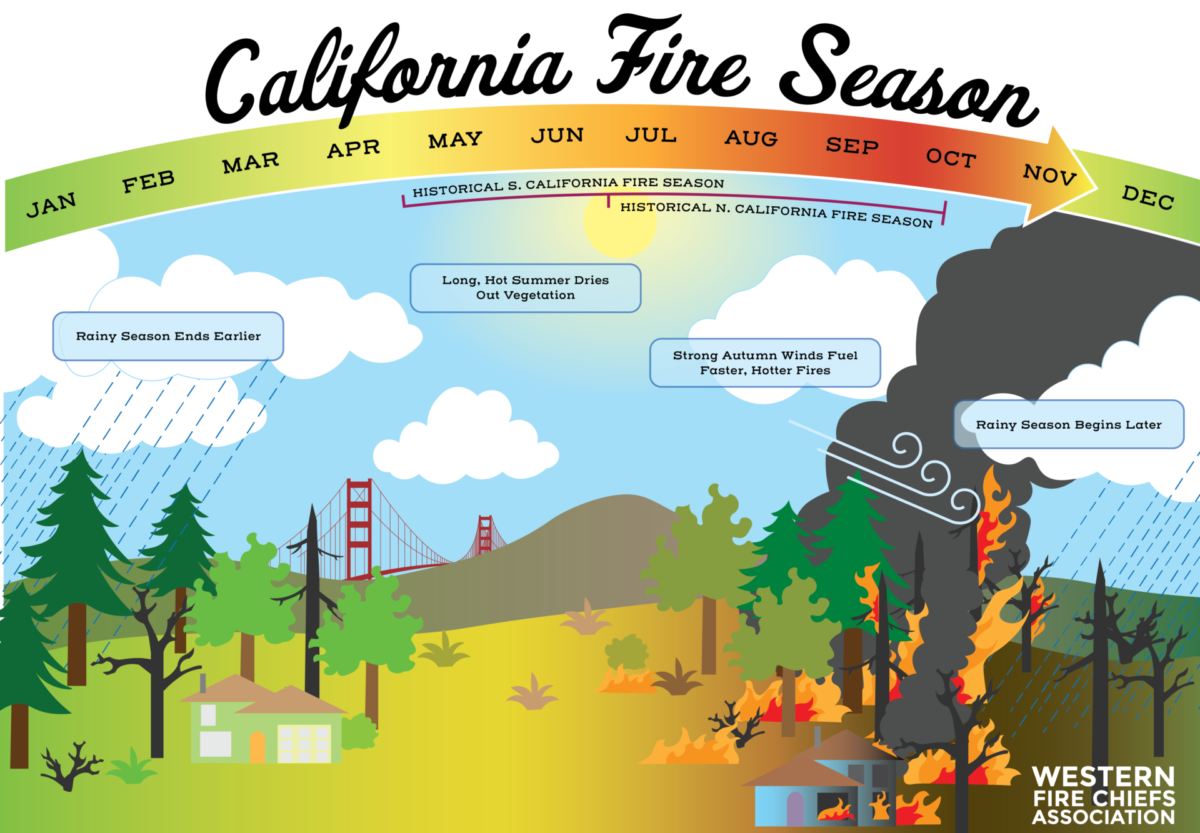
California is home to a plethora of natural wonders and celebrated landmarks that draw millions of visitors annually. Wildfires, depending on their proximity and intensity, can lead to temporary closures, reduced air quality, and even damage to these treasured sites.
- National and State Parks: Parks such as Yosemite National Park, Sequoia and Kings Canyon National Parks, and Joshua Tree National Park are often at risk during fire season. Road closures, trail advisories, and temporary shutdowns can occur, necessitating flexibility in travel plans. Information on park status is typically available on the National Park Service website and the California Department of Parks and Recreation website.
- Scenic Drives and Recreational Areas: Popular scenic routes, such as portions of the Pacific Coast Highway or areas surrounding the Lake Tahoe region, can experience closures due to fire activity or smoke. This can impact planned road trips and outdoor adventures like hiking or boating.
Air Quality and Health Considerations
Beyond physical access, smoke from wildfires can significantly degrade air quality, posing health risks and diminishing the overall visitor experience.
- Smoke Plumes and Visibility: Large fires can generate vast smoke plumes that travel hundreds of miles. This smoke can reduce visibility, making scenic vistas less enjoyable and potentially impacting air travel. Real-time air quality monitoring is available through resources like AirNow.gov.
- Respiratory Health: Individuals with respiratory conditions, such as asthma, are particularly vulnerable to poor air quality. Travelers should be aware of air quality indices (AQI) and take precautions, such as staying indoors or using air purifiers, when smoke is present.
Planning Your California Trip Amidst Fire Concerns
Proactive planning and flexibility are key to enjoying a trip to California, especially during periods of heightened wildfire risk. This section provides actionable advice for travelers looking to mitigate potential disruptions.
Pre-Trip Research and Contingency Planning
Before embarking on your journey, thorough research and the development of contingency plans can significantly enhance your travel experience.
- Destination-Specific Checks: Research the specific areas you plan to visit. Are they in a region prone to wildfires? Have there been recent fire incidents or are there any current alerts? Websites like Visit California often have advisories or links to relevant emergency information.
- Flexible Itinerary: Consider building flexibility into your itinerary. Have alternative activities or destinations in mind should your primary plans be affected by fire activity or smoke. For instance, if coastal areas are clear but inland destinations are affected, shifting your focus to the coast might be a viable option.
- Accommodation Booking Considerations: When booking accommodations, particularly in areas known for fire risk, consider hotels or resorts with good ventilation systems or those located in less vulnerable regions. Reviewing recent guest feedback for any mentions of smoke or fire-related issues can also be beneficial.

Safety Measures and Preparedness
Being prepared for potential wildfire-related situations can ensure the safety and well-being of yourself and your travel companions.
- Follow Official Guidance: Always heed the advice and instructions of local authorities and emergency personnel. This includes adhering to evacuation orders and warnings without delay.
- Emergency Kit Essentials: Consider packing a small emergency kit with items such as N95 masks, water, non-perishable snacks, a first-aid kit, and a portable phone charger.
- Stay Informed During Your Trip: Continue to monitor local news and official advisories throughout your stay. Apps and websites dedicated to weather and emergency alerts can be invaluable tools for staying up-to-date.
By understanding the resources available and adopting a proactive approach, travelers can navigate the potential challenges posed by wildfires and continue to experience the unparalleled beauty and attractions that California has to offer. The “fire in California” may be a recurring concern, but with knowledge and preparedness, it does not have to define your visit.
LifeOutOfTheBox is a participant in the Amazon Services LLC Associates Program, an affiliate advertising program designed to provide a means for sites to earn advertising fees by advertising and linking to Amazon.com. Amazon, the Amazon logo, AmazonSupply, and the AmazonSupply logo are trademarks of Amazon.com, Inc. or its affiliates. As an Amazon Associate we earn affiliate commissions from qualifying purchases.