
The question “Is the fire still going in California?” is one that frequently arises, particularly during certain times of the year, sparking concern among potential travelers and residents alike. While news headlines often paint a broad picture, the reality on the ground is far more nuanced. California, a state renowned for its sprawling landscapes, iconic cities, and diverse attractions, is vast – encompassing nearly 164,000 square miles. To imagine a single “fire” engulfing the entire state is to misunderstand the localized, often seasonal, nature of wildfires.
For those planning a memorable journey to this captivating state, understanding the dynamics of wildfires and their true impact on travel, tourism, and lifestyle is crucial. California remains an extraordinary destination, offering everything from sun-drenched beaches and vibrant city life to majestic mountains and serene deserts. The key lies in informed planning, flexibility, and a commitment to responsible travel. This guide aims to provide clarity, insights, and practical advice for experiencing the best of California, even in a world where wildfires are a recurring part of its natural ecosystem.
Understanding California’s Wildfire Landscape
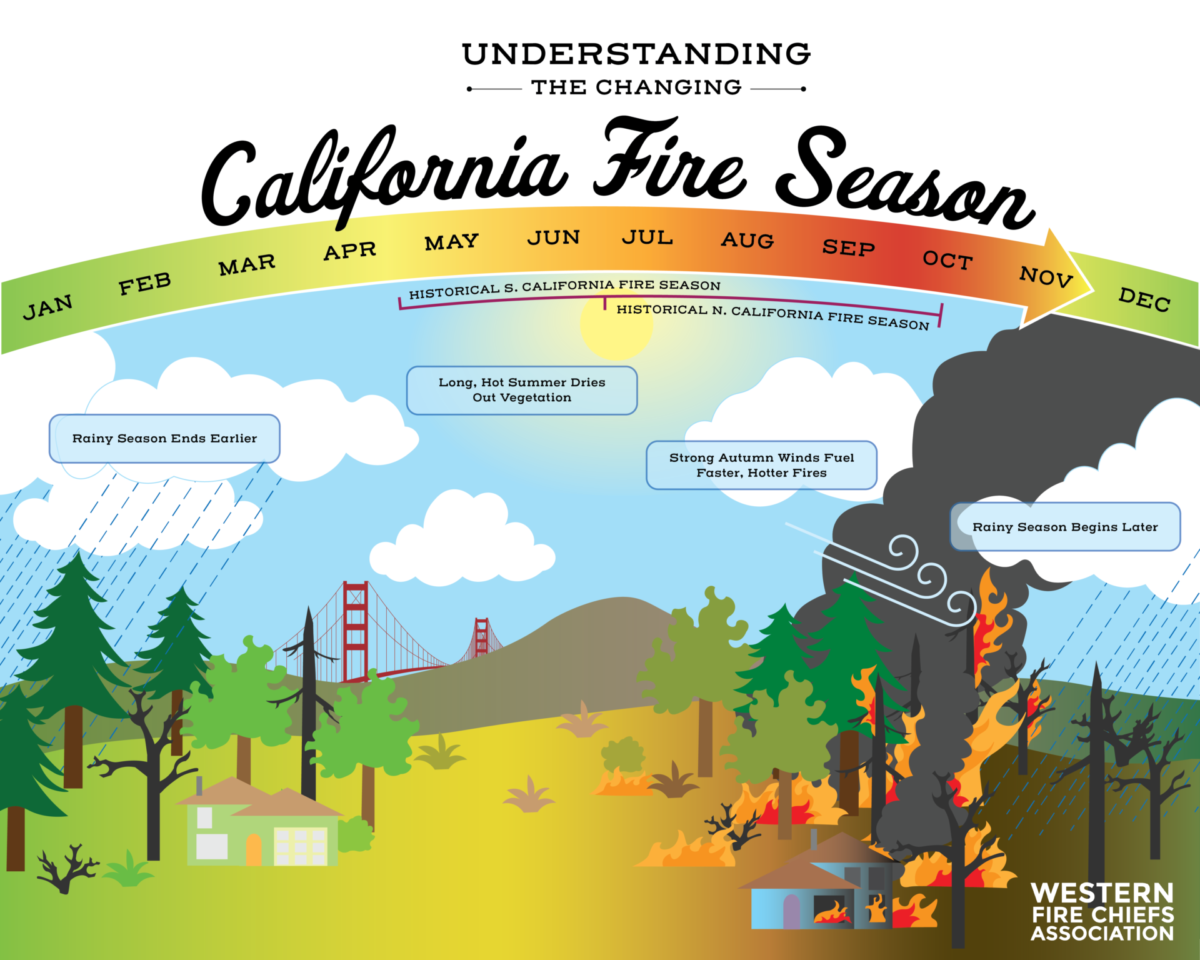
Wildfires are a natural phenomenon in many parts of the world, and California is no exception. Its unique Mediterranean climate, characterized by hot, dry summers and wet winters, combined with a significant build-up of chaparral and other dry vegetation, creates conditions conducive to fires. However, perceiving this as a constant, state-wide inferno is far from accurate.
The Seasonal Nature of Wildfires
Wildfires in California tend to follow a seasonal pattern, primarily occurring during the late summer and fall months. This period often coincides with extended dry spells and the infamous Santa Ana winds in Southern California, or Diablo winds in the north, which can rapidly spread flames. These winds, combined with low humidity, turn the landscape into a tinderbox, making fire prevention and quick containment paramount.
However, it’s important to remember that outside of these peak seasons, and even within them, much of the state remains untouched and vibrant. Winter brings much-needed rain and snow, rejuvenating the land and significantly reducing fire risk. Spring transforms the state into a mosaic of wildflowers, inviting visitors to explore its verdant hillsides and coastal paths. Even during the height of fire season, many areas are entirely unaffected, allowing for uninterrupted travel and tourism experiences.
Geographic Impact vs. Perception
The sheer size of California means that a fire burning in one region, say, a remote national forest in Northern California, has absolutely no bearing on the safety or air quality in San Diego or Los Angeles, which are hundreds of miles away. News reports, by their very nature, highlight the most significant or destructive events, sometimes creating an exaggerated perception of the widespread impact.
Consider the vastness: From the redwood forests of Redwood National and State Parks in the north to the desert landscapes of Death Valley National Park in the south, and from the Pacific coastline to the peaks of the Sierra Nevada, California is incredibly diverse. A fire might impact a specific mountain community or a section of a national park, but it is highly unlikely to affect the coastal beaches of Carmel-by-the-Sea or the bustling urban centers of San Francisco. Travelers should always consider the specific location of a fire relative to their planned itinerary.
Navigating Travel in Fire-Prone Regions
While the majority of California remains pristine, responsible travel planning involves being informed, adaptable, and prepared, especially if your itinerary includes areas historically prone to wildfires or during peak fire season.
Prioritizing Safety and Information
The most critical aspect of traveling during fire season is staying informed. Official sources are your best friends.
- Cal Fire: The official source for wildfire incidents and updates. Their website provides real-time information on active fires, containment levels, and evacuation orders.
- Local Tourism Boards and Chamber of Commerce: These organizations often provide hyper-local updates specific to tourist areas, including information on attractions, road conditions, and air quality.
- National Park Service and Forest Service: If your plans include visiting areas like Yosemite National Park, Lake Tahoe, or other natural landmarks, check their official websites for closures, advisories, and air quality reports.
- Air Quality Indexes (AQI): Websites like AirNow.gov provide real-time air quality data. Even if a fire is far away, smoke can travel, so checking the AQI for your specific destination is always a good practice, especially for those with respiratory sensitivities.
Before embarking on your trip, and periodically during your journey, consult these resources. Road closures, particularly along scenic routes like the Pacific Coast Highway (PCH), can occur due to fire activity or preventative measures. Having alternative routes in mind or being ready to adjust your itinerary is a smart approach.
Protecting Your Investment: Travel Insurance and Flexibility
For any significant trip, travel insurance is a wise investment, but it becomes particularly relevant when visiting regions with potential environmental risks. A comprehensive travel insurance policy can cover trip cancellations, interruptions, and medical emergencies, offering peace of mind. Carefully review policies to understand what is covered in the event of natural disasters, including wildfires. Some policies might cover cancellations if your destination is under a mandatory evacuation order, while others might not cover smoke-related issues.

Additionally, booking accommodations and activities with flexible cancellation policies is highly recommended. Many hotels and resorts, especially those in popular tourist destinations, understand the need for flexibility and offer options for free cancellation up to a certain point. When planning your stay at a resort, hotel, or villa, inquire about their specific policies regarding natural disasters. This proactive approach ensures that should unforeseen circumstances arise, your financial investment is safeguarded, and you can adjust your plans without undue stress.
Unaffected Gems and Resilient Destinations
Despite the headlines, the vast majority of California remains untouched by wildfires, offering an incredible array of destinations and experiences throughout the year. The state’s tourism industry is incredibly resilient, with communities and businesses quick to recover and welcome visitors.
Exploring Diverse California Beyond Fire Zones
Many of California’s most iconic and beloved destinations are rarely, if ever, directly threatened by wildfires.
- Coastal Cities and Beaches: From the vibrant energy of Los Angeles and San Francisco to the picturesque shores of Santa Monica, Orange County, and San Diego, California’s coastline offers endless opportunities for relaxation and adventure. Popular attractions like Disneyland Resort, Universal Studios Hollywood, the Golden Gate Bridge, and the beaches of Malibu are typically far removed from fire activity.
- Desert Oases: Regions like Palm Springs and the surrounding Coachella Valley, famous for their mid-century modern architecture, golf courses, and vibrant arts scene, are in distinct desert ecosystems that are less susceptible to the types of wildfires seen in forests or chaparral.
- The Central Valley and Sierra Foothills: While some parts of the Sierra Nevada mountains can experience fires, many charming towns in the foothills and the vast agricultural heartland of the Central Valley are often unaffected. Destinations like Mammoth Lakes, while mountain-based, are also often safe, especially during the ski season.
- Urban Explorations: Cities like Sacramento, the state capital, offer rich history and culture, as do the distinct neighborhoods of Hollywood and Beverly Hills within Los Angeles. These dense urban environments are not typically wildfire zones.
- Wine Country (with caution): While some parts of Napa Valley and Sonoma County have faced fire challenges in the past, these regions have demonstrated remarkable resilience. Wineries and related businesses often rebound quickly. It’s crucial to check local conditions if planning a trip during peak fire season, but outside of those times, these areas are splendid.
- Other Coastal Gems: Places like Big Sur, Monterey, and Santa Barbara offer breathtaking scenery, world-class dining, and unique attractions like Hearst Castle, often remaining clear and accessible.
When planning your itinerary, consider these diverse options, many of which provide exceptional experiences year-round, regardless of fire activity elsewhere in the state.
Supporting Local Tourism and Community Recovery
One of the most impactful ways travelers can contribute to California’s resilience is by continuing to visit and support local businesses. When an area has been affected by a fire, the recovery process is often long and challenging. Tourism is a vital economic driver for many communities. By choosing to stay at local accommodations, dine at local restaurants, shop at independent boutiques, and engage in local activities, you directly contribute to the economic health and rebuilding efforts of these areas.
Moreover, visiting unaffected regions also plays a crucial role. Your tourism dollars help maintain the overall strength of the state’s economy, ensuring that resources are available for recovery efforts where needed. Consider exploring lesser-known destinations or areas that haven’t been in the headlines. This not only disperses tourism, potentially reducing overcrowding in popular spots, but also offers unique, authentic experiences that might otherwise be overlooked.
Planning Your California Adventure
Embracing the spirit of adventure while staying informed is the best approach to planning a California trip. The state’s robust tourism infrastructure is designed to provide memorable experiences, and with a few considerations, you can confidently embark on your journey.
Accommodation Choices and Preparedness
When booking your hotels, suites, resorts, apartments, or villas, consider not just the location and amenities, but also their policies regarding unforeseen circumstances.
- Cancellation Policies: As mentioned, prioritize flexible booking options.
- Location Awareness: If you’re keen on visiting areas known for their natural beauty and proximity to forests, ensure you know the local emergency procedures and stay updated on any advisories. Many establishments in such areas are well-prepared with evacuation plans and communication protocols.
- Air Filtration: In some areas, hotels may be equipped with advanced air filtration systems, which can be a comfort during periods of decreased air quality due to distant smoke. Inquire about these amenities if air quality is a concern for you.
- Amenities and Activities: Remember that many resorts offer extensive amenities on-site, from pools and spas to dining and entertainment, ensuring a fulfilling stay even if outdoor activities need temporary adjustment.
From luxury travel to budget travel, and from family trips to business stays, California offers accommodation for every type of traveler. The key is to select options that align with your safety comfort level and allow for flexibility.
Alternative Experiences and Off-Season Travel
If you’re particularly concerned about wildfire season, consider traveling during California’s shoulder or off-peak seasons.
- Spring (March-May): Generally mild temperatures, lush landscapes, and blooming wildflowers make this an ideal time for hiking and exploring. Fire risk is typically low.
- Winter (December-February): Offers snow sports in the Sierra Nevada, cozy wine country retreats, and mild coastal weather. Major fires are rare during this period.
- Early Summer (June-July): Often still pleasant with lower fire risk, especially along the coast.
Even during peak fire season (late summer/fall), consider shifting your focus to urban and coastal attractions rather than deep wilderness exploration. For example, instead of a strenuous hike in a national forest, opt for a city tour, museum visits, culinary experiences in San Francisco, or a scenic drive along the coast with stops at charming seaside towns. California’s diverse offerings mean there is always an alternative, equally enriching experience to be found.
The answer to “Is the fire still going in California?” is complex. While wildfires are an undeniable part of California’s natural cycle, they are localized, seasonal, and do not typically affect the entire state. California remains an incredibly vibrant, diverse, and welcoming destination. With informed planning, a dash of flexibility, and a commitment to responsible travel, you can confidently explore its countless wonders, contribute to its enduring spirit, and create unforgettable memories, regardless of the time of year.